
Best Strapless Heart Rate Monitor: A Buying Guide
Chest straps are still the gold standard for heart rate accuracy, but they are not for everyone. If yours slides down mid-run, digs into your ribs on a long ride, or just feels like one more piece of gear to fuss with before every workout, you are probably looking for the best strapless heart rate monitor you can find. These wire-free options read your pulse straight from your wrist or upper arm using optical sensors instead of the electrical contacts a chest strap relies on. This guide breaks down how a strapless heart rate monitor actually works, how it compares to a traditional strap for accuracy, and what to check before you buy one for swimming, cycling, or apps like Zwift and Peloton.


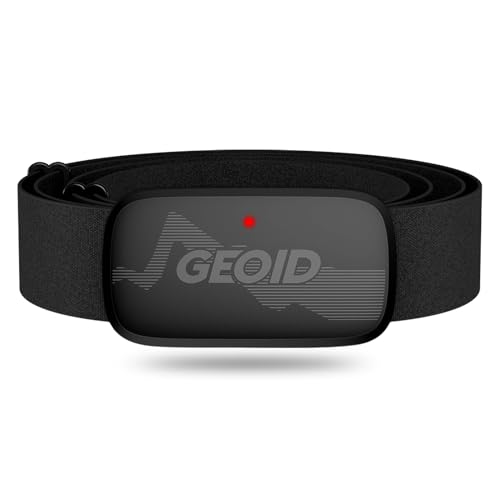
Wrist-Based vs. Armband: The Two Types of Strapless Monitors
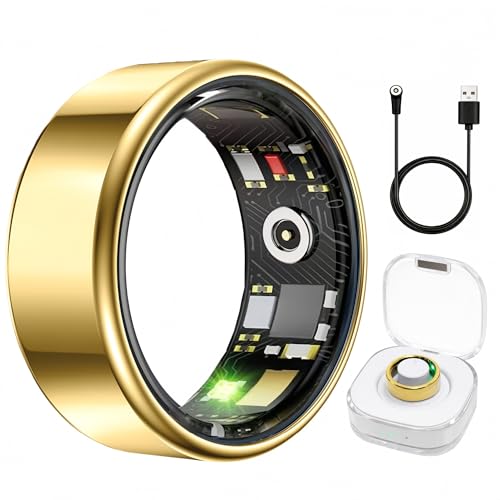
When people talk about a strapless heart rate monitor, they usually mean one of two designs. Both use optical sensors, also called PPG sensors, which shine light through your skin and measure blood flow to estimate your pulse. Neither needs the skin contact points a chest strap relies on, which is the whole appeal.
Wrist-Worn Optical Sensors
This is the sensor built into most fitness watches and trackers. It sits on the back of your wrist and reads your pulse continuously throughout the day, not just during workouts. It is the most convenient option since you likely already own a device with one built in, but wrist placement is also the least reliable spot on your body for catching quick changes in heart rate.
Upper-Arm Optical Bands
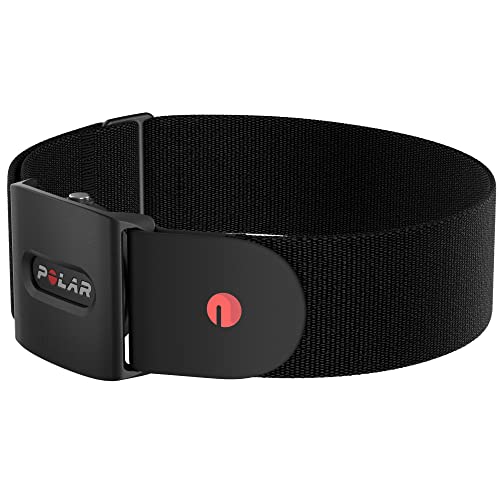
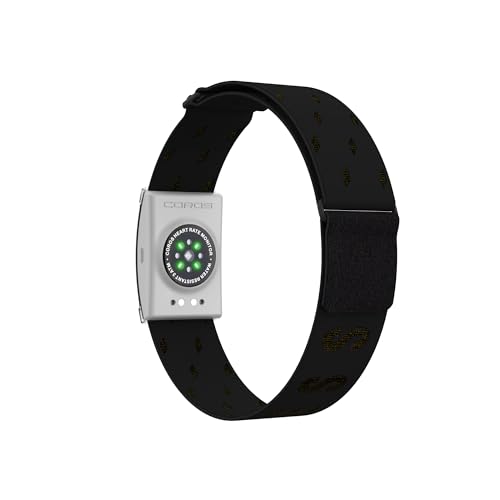
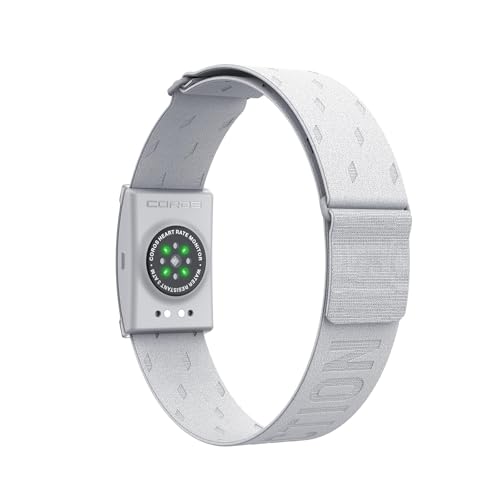
A dedicated armband sensor wraps around your forearm or bicep instead of your wrist. Because there is more blood flow and less bone close to the surface higher up your arm, these bands tend to read more consistently than a wrist watch, especially once your effort level climbs. Most connect to a phone or bike computer over Bluetooth or ANT+, the same way a chest strap does, so you are not giving up compatibility just to skip the strap.
How Accurate Is a Strapless Heart Rate Monitor, Really?
Why Optical Sensors Struggle at High Intensity
Optical sensors are excellent at rest and during steady, moderate effort. The trouble starts once your heart rate climbs quickly or your arm is moving a lot, like during sprint intervals, rowing, or any exercise with heavy wrist motion. Readings can lag behind your actual heart rate for a few seconds, or spike briefly from motion artifacts, which is not ideal if you are trying to hit a precise heart rate zone. A snug fit and a warm arm both help; a loose band on a cold morning is close to the worst-case scenario for optical accuracy.
When Accuracy Matters Most
If you are training casually or just want a general sense of effort, the accuracy gap between a strapless heart rate monitor and a chest strap rarely matters. If you follow strict heart rate zone training, do a lot of interval work, or manage a medical condition where precise numbers count, lean toward an upper-arm band over a wrist sensor, or accept that a chest strap may still be the more reliable tool for those specific sessions.
Pairing With Zwift, Peloton, and Other Training Apps
Most modern strapless heart rate monitors broadcast over Bluetooth, ANT+, or both, which means they pair with the same apps and trainers a chest strap would. Before you buy, check the listing for dual-band support if you plan to connect to more than one app or device at once, since some budget optical bands only support a single connection at a time. Bluetooth generally works fine for a single phone, tablet, or smart trainer, while ANT+ is still preferred when you need to broadcast to multiple devices simultaneously, such as a bike computer and a smart trainer running at the same time. If you are building a full indoor training setup, pairing your heart rate data with a cycling power meter gives you a clearer picture of effort than heart rate alone, since power reacts instantly while heart rate always lags a few seconds behind.
Wearing One in the Pool: What to Know Before You Swim
Not every strapless heart rate monitor is safe to submerge. Water resistance ratings vary a lot between models, and a device rated for sweat and rain is not automatically rated for swimming laps. Look for a water resistance rating specifically meant for swimming, not just splash resistance, before you plan to wear a unit in the pool or open water.
Upper-arm bands are generally a better bet for swimming than wrist-based sensors, since they sit more securely against the skin and are less likely to catch on a wetsuit sleeve or goggle strap. Some models can even clip directly onto a pair of swim goggles for a more secure fit during laps. If you are also shopping for pool gear, our guide to waterproof headphones for swimming covers the same water resistance ratings in more detail, which is worth a read before you commit to any device you plan to swim in.
Comfort, Battery Life, and Skin: What You Trade Off Without a Chest Strap
Comfort is the main reason people search for a strapless heart rate monitor in the first place. A well-fitted optical band does not need to be nearly as tight as a chest strap to get a usable reading, so it is far less likely to chafe, dig in, or leave a mark after a long ride or run. Some athletes do report skin irritation from chest straps worn daily, though plenty of others wear one for years without any issue. It really comes down to your skin and how tightly you cinch the strap.
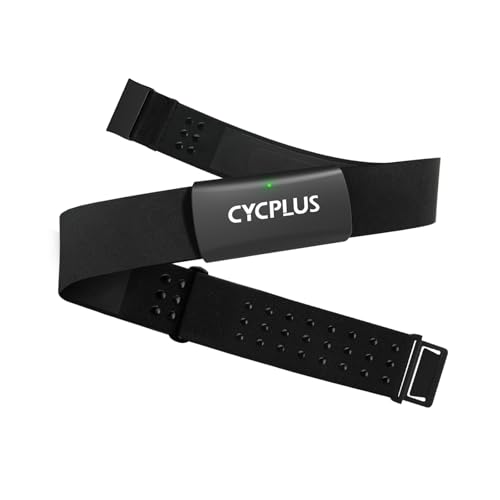
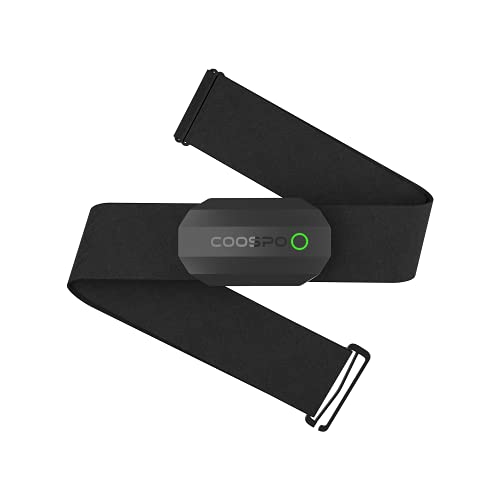
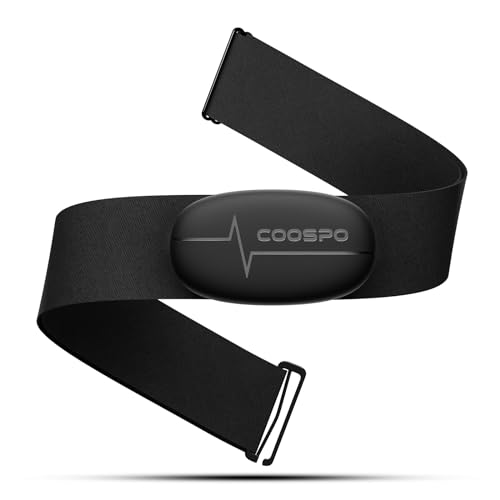
Battery life is where chest straps often win. A basic chest strap with a replaceable coin-cell battery can run for a year or more before you need to swap it, while a rechargeable optical armband typically needs a charge every one to two weeks of regular use. If a chest strap does not bother you and raw accuracy is your top priority, our broader guide to heart rate monitors covers chest-strap picks as well, so you can weigh both formats side by side before deciding.
Frequently Asked Questions
Is a strapless heart rate monitor as accurate as a chest strap?
Not quite, especially during hard efforts or exercises with lots of arm movement. Chest straps read electrical signals directly from your heart, while a strapless heart rate monitor estimates your pulse through your skin, which can lag or drift under motion. For steady cardio, the gap is usually small.
Can you swim with a strapless heart rate monitor?
Only if it carries a water resistance rating meant for swimming. Many armband and wrist sensors are only rated for sweat and splashes, not full submersion, so always check the specific rating before wearing one in the pool or open water.
Do strapless heart rate monitors work with Zwift and Peloton?
Yes, most connect over Bluetooth, ANT+, or both, which covers the vast majority of training apps and smart trainers on the market. Check the listing for dual-band support if you plan to connect to more than one device at a time.
Why does my wrist reading not match my chest strap?
Wrist sensors sit farther from strong blood flow than a chest strap or upper-arm band, so they are more prone to motion interference. A tighter, higher fit on the wrist and a warm arm both tend to improve accuracy.
How long does the battery last on an armband heart rate monitor?
Most rechargeable armbands last one to two weeks of regular workouts on a single charge, compared to a year or more for a chest strap running on a replaceable coin-cell battery.
Where should I wear an armband heart rate monitor for the best accuracy?
Higher up the forearm or on the bicep tends to read more consistently than the wrist, since there is more blood flow and less bone close to the skin's surface in those spots.
Making the Switch From a Chest Strap
A strapless heart rate monitor will not outperform a chest strap in a lab test, but for most everyday training it gets close enough while being far more comfortable to wear. Pick an upper-arm band if accuracy during hard efforts matters most to you, or stick with a wrist sensor if convenience and all-day wear are the priority. Either way, check the water resistance rating and connection type before you buy, especially if swimming or app pairing is part of your routine.