Best Area Rugs for Soundproofing for 2026: Which One Fits the Way You Use It?
Disclosure: We may earn a commission when you buy through links on this page, at no extra cost to you. As an Amazon Associate I earn from qualifying purchases. Learn more

Compare the best area rugs for soundproofing by pile, pad, size and room use with this buying guide and checklist for quieter floors at home.
A rug will not make a room silent, but the right rug and pad can soften footsteps, chair scrapes, dropped objects and voices bouncing off hard floors. The catch is that the quietest choice for a bedroom is rarely the best choice for a hallway or a home office. This guide to the best area rugs for soundproofing starts with how you use the room, then matches thickness, density and coverage to that job.
You will learn why a dense pile plus a thick pad usually beats a thin decorative rug, how much of the floor you need to cover, and where the comparison table below can help you sort sizes and constructions quickly.
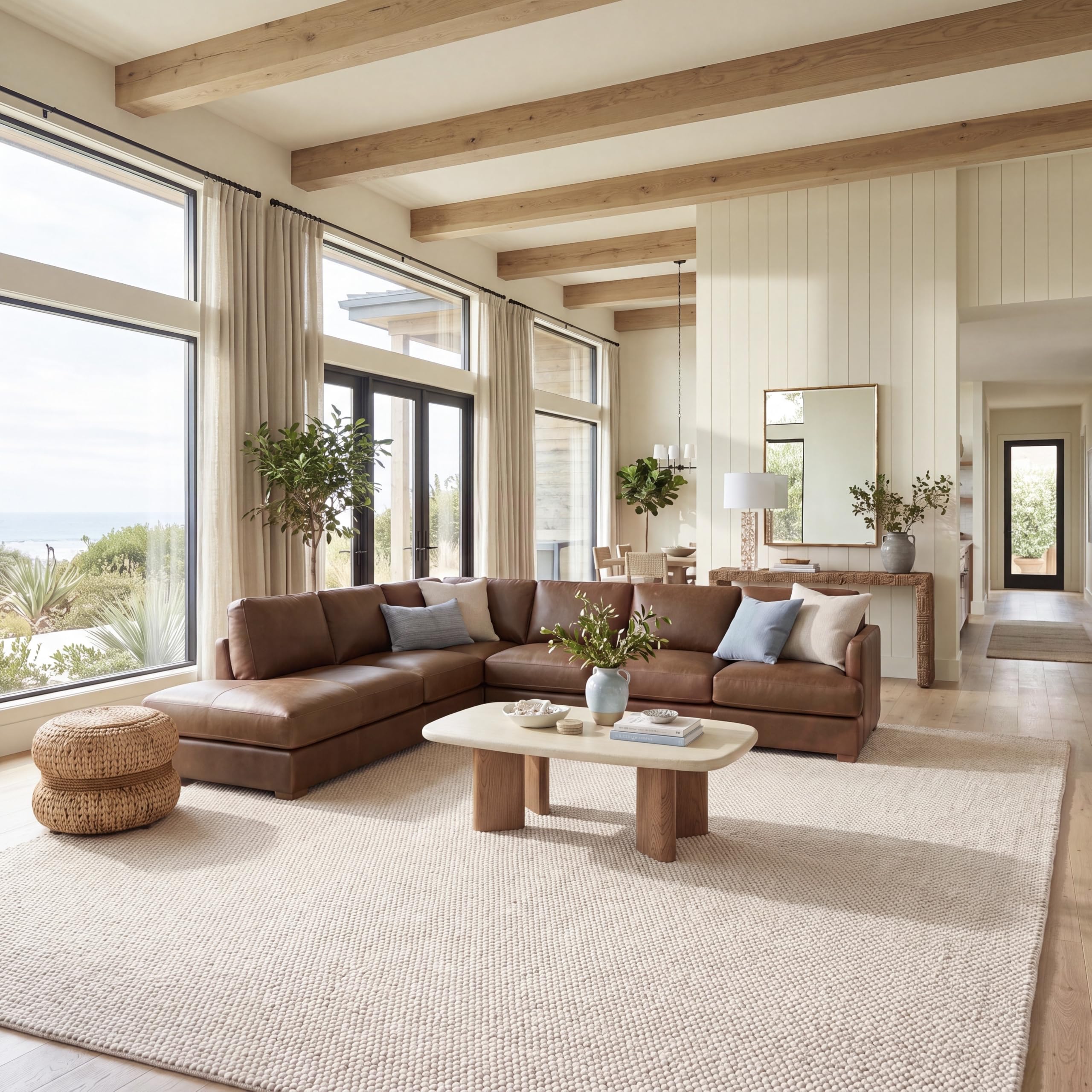
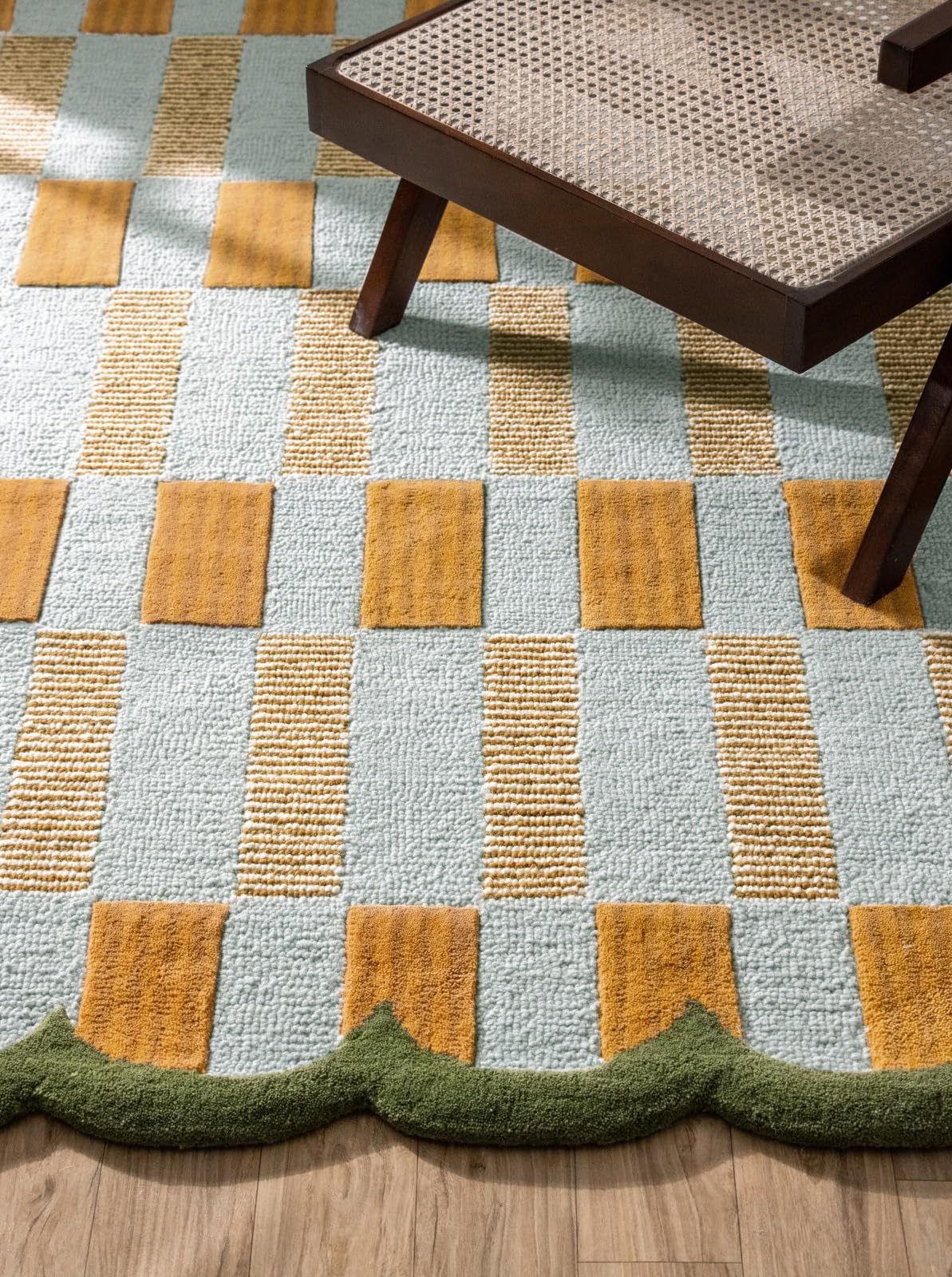


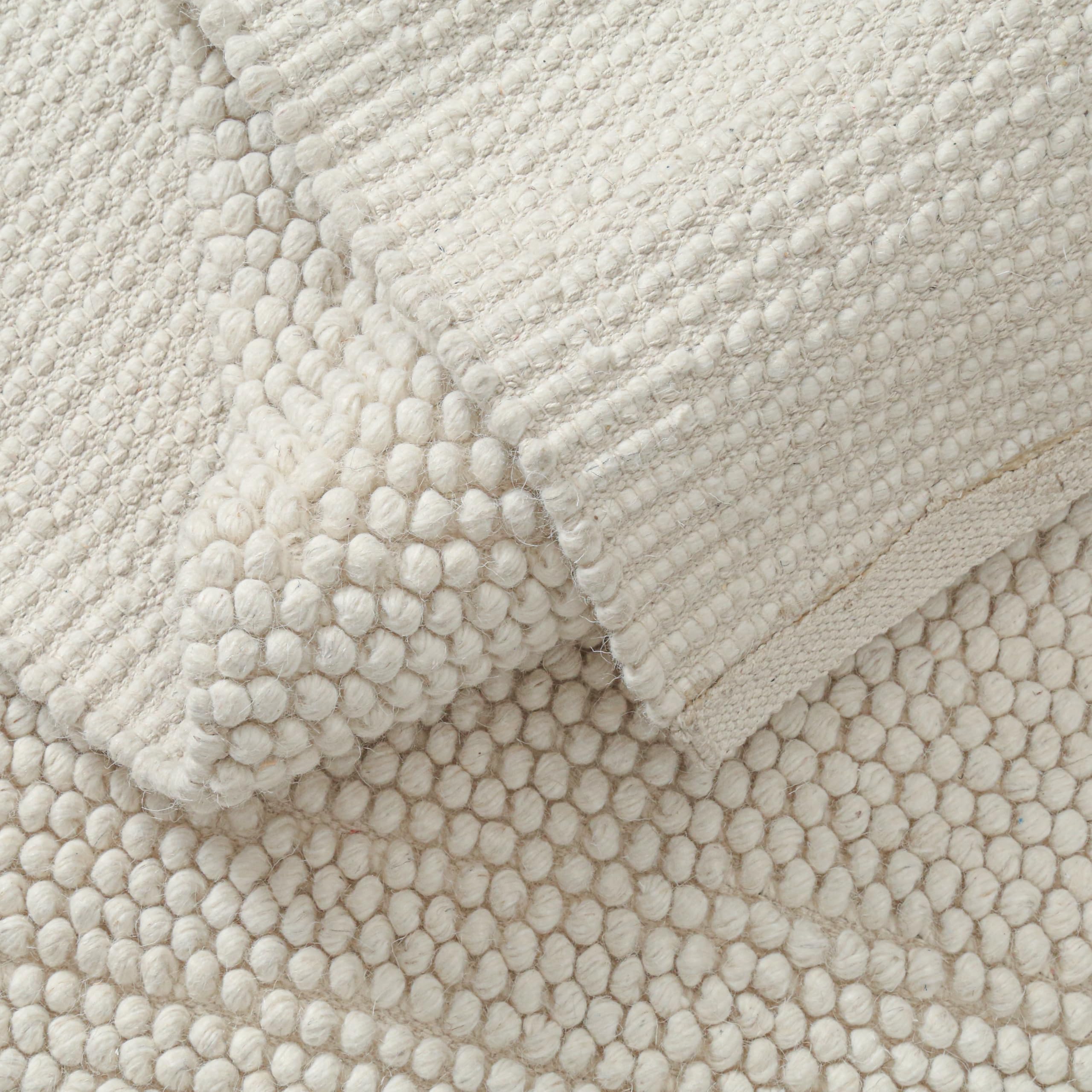


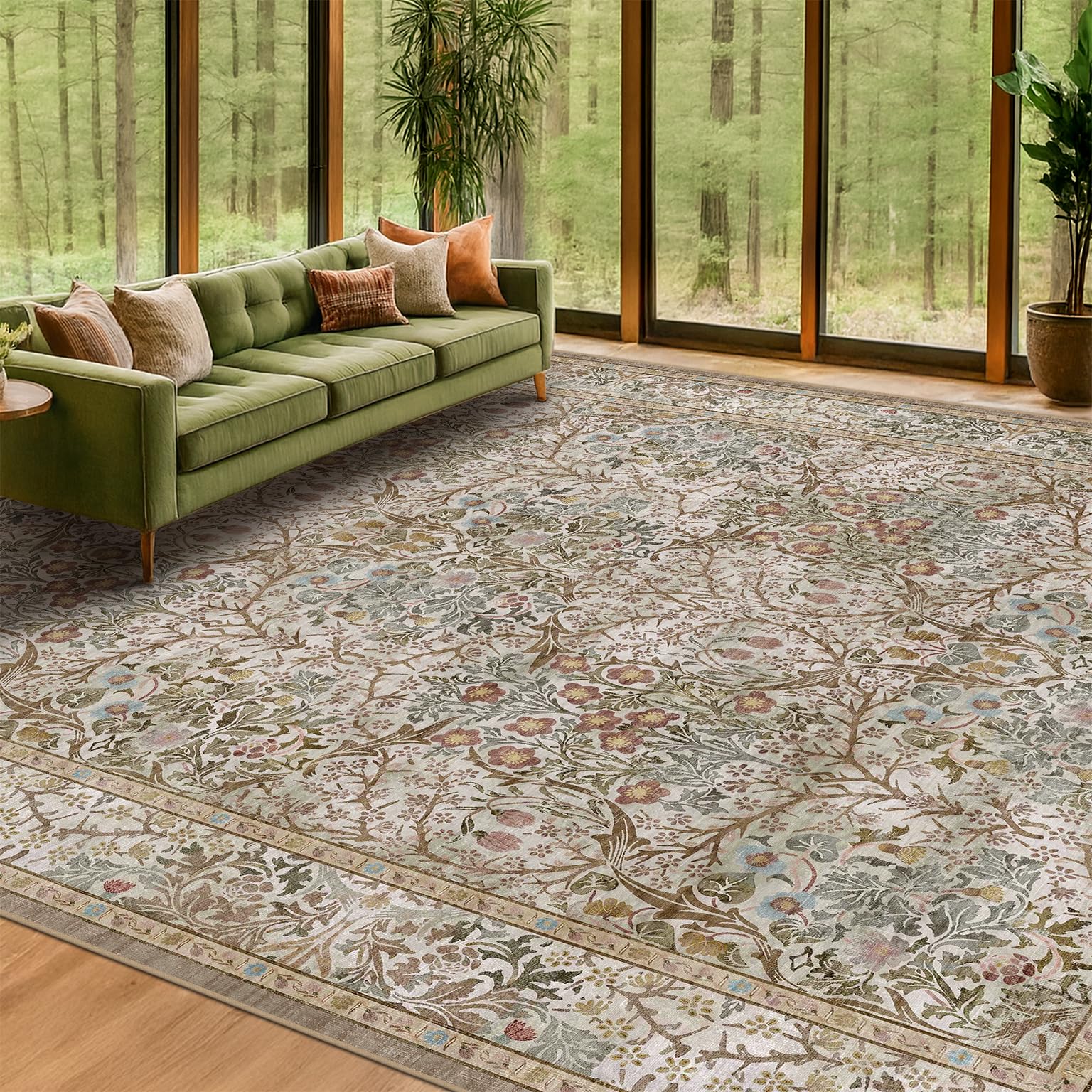
Who Should Buy Which Area Rugs?
For Gift Shoppers
If you are buying for someone in an apartment or a shared house, choose a neutral color, a medium pile that works under most doors, and a size that fits a living room seating area without covering every vent or doorway. Add a quality pad to the gift if the budget allows, because the pad does much of the sound work. Check the return window before you order, since rug colors look different in real light and the recipient may need to swap sizes.
For First Time Buyers
Start simple. Pick one room where noise bothers you most, measure it, and choose a rug that covers the main walking and seating zone with a dense pad underneath. Wool and dense synthetic piles are forgiving first choices because they absorb sound, hide minor wear and feel comfortable underfoot. Avoid very thick shag for a first purchase if chairs or a walker need to move across it, because tall loose fibers can catch legs and wheels.
For People Who Want the Best Performance
Maximum sound control comes from a system, not a single layer. Look for a heavy rug with a tight dense pile, pair it with the thickest pad your door clearance allows, and cover as much hard floor as the room layout permits. Seating areas benefit from coverage under the front legs of sofas and chairs, which stops furniture from tapping the floor. In a media room or bedroom, larger coverage also reduces echo, making speech and music sound calmer at lower volume.
For Value Seekers
You do not need the most expensive fiber to get a real improvement. A midweight synthetic rug with a dense construction plus a thick felt pad often delivers most of the benefit for far less money. Spend first on the pad and on enough size, then on fiber. A slightly smaller premium rug that leaves the main walkway bare will sound worse than a larger value rug that covers where feet actually land. Watch for sales on larger sizes, which sometimes cost little more than the next size down.
Key Features of the Best Area Rugs for Soundproofing
Features That Matter for Soundproofing
Sound behaves in two ways in a room. Airborne sound, like voices and television, bounces off hard surfaces, while impact sound, like heels and dropped phones, travels through the floor. A rug helps both when it is dense, heavy and paired with a pad. Aim for a pile around a third to a half inch thick for living spaces, plus a pad about a quarter to a half inch thick where doors allow. Weight matters too, so compare product weight for the same size when listings provide it.
If you want a rug that also looks refined in a formal room, see our guide to the best quality area rugs for construction details that overlap with sound performance, such as density and backing quality.
Size and Fit
Coverage is a sound feature, not just a style choice. Every square foot of hard floor you cover is a surface that can no longer reflect noise or transmit a sharp impact. In living rooms, choose a rug large enough for at least the front legs of all seating, and in bedrooms, extend the rug beyond both sides of the bed so your first steps land on fabric. Leave about 12 to 18 inches of bare floor at the walls in most rooms for a balanced look and easier cleaning. Measure door swing before choosing thick combinations.
Footfall and Impact Noise
A dense pad compresses under each step and spreads the force, so the tap that reaches the room below is softer and duller. Felt pads and felt blends with a rubber base tend to damp impact better than thin waffle style pads. In an upstairs bedroom, this pairing can make nighttime trips far less noticeable to people sleeping below. Check by walking in your usual shoes after setup. If you still hear a sharp click, the pad is likely too thin or the rug pile too sparse.
Material
Wool is the classic sound friendly fiber because its natural crimp traps air and resists flattening, so it keeps absorbing sound year after year. Dense nylon and polyester rugs cost less and handle spills better, which suits busy homes, though very flat weaves absorb less. The backing matters as well. A rug with a substantial backing adds mass, and mass blocks sound. Pair any fiber with a felt or memory foam style pad, noting that foam pads feel plush but dense felt usually damps impact sound more reliably.
Warmth and Breathability
A thick rug and pad will insulate a cold floor, which feels welcome in winter but can make a sun filled room feel warm in summer. If the room runs hot, choose a lower denser pile instead of a tall shag, because it still absorbs sound while trapping less heat. Natural fibers breathe better than heavy synthetic piles. You can also lift and air the rug and pad a few times a year, which reduces trapped moisture and odors in humid climates.
Common Mistakes When Buying Area Rugs for Soundproofing
- Buying the rug and skipping the pad. The pad is half the sound system, and a thin pad wastes a good rug.
- Choosing looks over density. A pretty flat weave rug adds color but absorbs little impact or echo.
- Covering too little floor. A small rug in the center leaves the loudest walkways exposed.
- Ignoring door clearance. A thick rug plus pad can block doors, so measure the gap first.
- Forgetting the room below. If neighbors are the concern, prioritize impact damping over surface softness.
If your noisy room is where you eat, note that dining spaces have extra chair movement to plan for, and see our guide to the best rugs for dining area for sizing around tables.
Setup and Care Tips
Unroll the rug and let it relax for a day or two, weighting curled corners with books if needed. Place the pad first, trimmed about an inch smaller than the rug on each side, then center the rug over it. Vacuum weekly with suction only or a beater bar set high, because aggressive bars can pull fibers loose over time. Rotate the rug twice a year so foot traffic and sunlight wear it evenly. Blot spills at once and avoid soaking the pad, which dries slowly.
For homes where frequent washing matters as much as quiet, see our guide to the best washable area rugs and accept a small sound trade off, since washable rugs are usually thinner. Day to day upkeep is easier with the right vacuum settings, which our guide to the best vacuum for area rugs explains in detail. If pets add both noise and mess, our guide to the best area rugs with pets covers durable piles that still soften sound.
Area Rugs: Your Questions Answered
What features matter most in area rugs for soundproofing?
Density, total thickness and coverage matter most. A heavy rug with a tight pile over a thick felt pad absorbs footsteps and echo far better than a thin decorative rug alone. Buy the largest size your room accepts, keep the pad close to the rug size, and remember that doubling layers helps more than upgrading fiber alone.
Do thick rugs make a room too warm?
They can. In a warm bedroom, choose a lower dense pile and a breathable felt pad instead of a tall shag and foam pad, because the slimmer stack traps less heat around the bed while still softening sound. You keep most of the noise benefit with a cooler feel underfoot.
How often should I replace my area rug?
Replace a rug when the pile stays flat after cleaning, the backing cracks, or edges curl and will not lie flat. In busy rooms that often means about five to eight years, while a wool rug in a quiet room can last much longer. A worn pad usually fails first, so try a fresh pad before replacing a rug that still looks good.
How do I wash area rugs safely?
Check the care label first, because wool and some backings cannot handle soaking or hot water. Most synthetic rugs do well with vacuuming, spot cleaning with mild detergent and a full rinse outdoors only if the label allows it. Dry the rug flat and completely before putting the pad back, since trapped moisture can cause odor and can damage wood floors underneath.
Can a rug soundproof a room by itself?
No. A rug and pad reduce echo and soften impact noise, but they do not block sound through walls or ceilings. Pair them with door seals and soft furnishings for a bigger change, and treat the rug as one layer of a quieter room.
Does pile density matter more than thickness?
Usually yes. Pile density means how tightly fibers are packed. A dense rug with shorter fibers usually absorbs more sound than a tall sparse rug, even if the tall one feels softer at first touch. When listings give face weight or total weight for a size, use those numbers to compare density instead.
Our Verdict
For quieter rooms, buy the system in this order: enough coverage, a dense pad, then a heavy rug with a tight pile. Match thickness to door clearance and choose fiber for your cleaning habits. Compare the options in the product table above against those three checks, and the best area rugs for soundproofing for your room will be the one that covers where sound starts, not simply the softest one in the store.