Best Area Rugs for Pet Owners: Matching the Right Rug to Your Routine for 2026
Disclosure: We may earn a commission when you buy through links on this page, at no extra cost to you. As an Amazon Associate I earn from qualifying purchases. Learn more

Match the best area rugs for pet owners to your daily routine, with guidance on fibers, low pile, stain care, grip, and sizes for dog and cat homes.
No single rug suits every pet household, because a calm senior cat and a muddy young retriever test a floor in completely different ways. The best area rugs for pet owners are the ones matched to your animal, your floors, and how much cleaning you will honestly do each week.
This guide sorts the choices by routine first, then covers the features that decide whether a rug survives hair, claws, and accidents gracefully. When you want to compare builds side by side, start with the comparison table below.



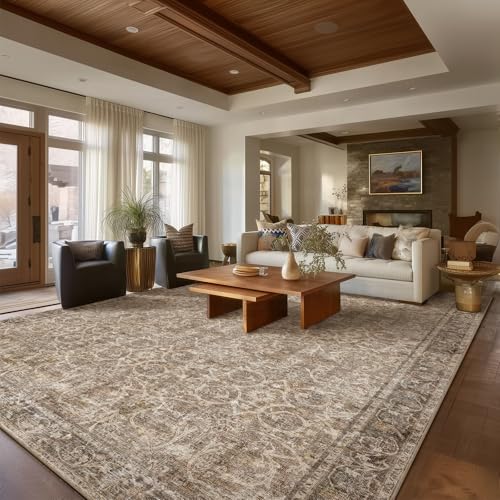
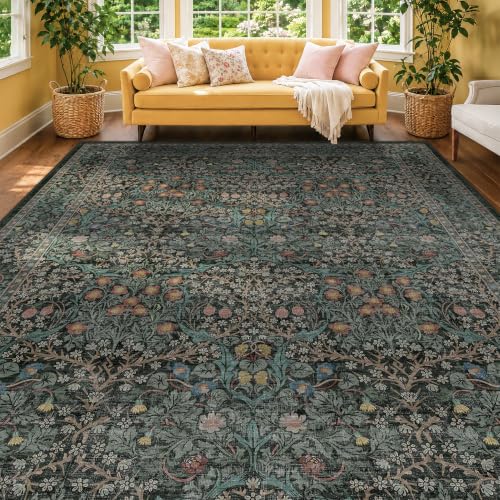

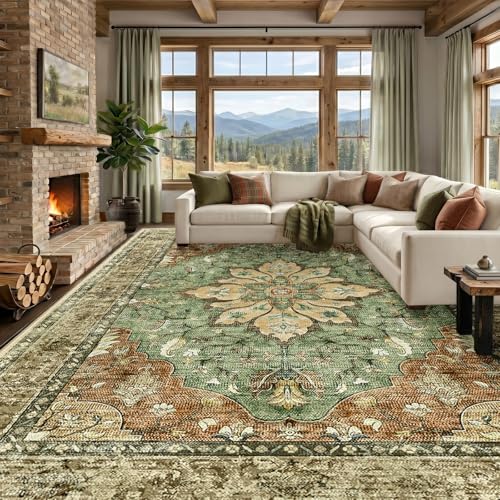
Who Should Buy Which Area Rugs?
Start by naming your real routine: where your pet sleeps, where the muddy paws land, and where accidents actually happen. A rug that fits that map of your home will outperform a fancier rug bought for a life you do not live. Use the four buyer types below to find your closest match.
For Value Seekers
If accidents are frequent and budgets are real, choose inexpensive low pile synthetics you can replace without pain in a few years. A washable rug at a modest price beats a costly rug you protect with anxiety. Spend a little of the savings on a waterproof pad, which guards the floor beneath during the accidents that soak through. Busy multi pet homes may also want to read our guide to the best area rugs with pets for room by room ideas.
For Gift Shoppers
Gifting a rug to a pet owner works best as a practical gesture: a washable runner for the feeding zone or a low pile rug for a new puppy room. Include the receipt, choose a forgiving mid tone pattern, and avoid anything that needs professional cleaning. A rug that the owner can toss in a large machine is a gift that keeps helping long after the wrapping is gone.
For First Time Buyers
Start with one low pile, tightly woven synthetic rug in the room your pet uses most, and learn your cleaning rhythm before buying for the whole home. Patterns with several blended tones hide hair between vacuuming days far better than solid colors. Measure the space, buy a gripping pad at the same time, and keep your expectations simple: easy cleaning and flat lying edges matter more than plush softness while you learn what your pet actually does to a rug.
For People Who Want the Best Performance
Premium pet friendly rugs earn their price with dense wool or advanced synthetic pile that releases hair during vacuuming instead of trapping it, plus dyes that shrug off repeated cleaning. Wool naturally resists odor and soil, a real advantage in homes with older dogs. If performance means easy daily upkeep for you, compare the constructions in our guide to the best pet friendly area rugs before you spend.
Key Features of the Best Area Rugs for Pet Owners
Air Flow and Odor Control
Pet homes should think about air flow and odor. Low pile rugs dry faster after cleaning and trap less dander and smell than deep pile, which can hold pet odor for days. Natural wool manages odor well because its fibers absorb and release moisture, while cheap tall synthetics often keep a kennel smell after accidents. Whatever you choose, a rug you can fully wash or professionally clean on schedule will always smell fresher than a thicker rug you can only spot clean.
Safety Labels and Emissions
Pets lie on rugs for hours and lick their paws afterward, so textile safety deserves a look. OEKO TEX Standard 100 on a rug screens the finished product for harmful substances, which is the most relevant label here. CertiPUR US applies to foam pads and foam backed rugs rather than woven ones. No label proves a rug is pet proof, but a named standard beats vague claims like pet safe or natural.
Features That Matter for Pet Owners
Four features decide pet success: low pile that claws cannot loop or snag, a weave tight enough that hair sits on top for easy vacuuming, colors and patterns that camouflage fur, and a backing plus pad combination that stops sliding during zoomies. Avoid loop pile entirely with clawed pets, because one caught claw can pull a long run across the rug. Also avoid fringe, which invites chewing. Households focused on dogs specifically can dig deeper with our guide to the best area rugs for dog owners.
Material
Polypropylene is the workhorse for pet homes: it resists stains, releases hair, tolerates scrubbing, and costs little. Polyester feels softer and holds bright color but can hold oily soil. Wool costs more yet resists odor and crushing, and quality wool sheds pet hair easily during vacuuming. Cotton flatweaves wash beautifully but show dirt fast and wrinkle under traffic. Skip silk, viscose, and tall shag anywhere near pets, since they stain, mat, and trap debris beyond easy rescue.
Common Mistakes to Avoid When Buying Area Rugs
- Choosing loop pile or shag that traps hair, dirt, and claw snags.
- Buying a solid pale rug that announces every dark hair and paw print.
- Skipping the waterproof pad, then finding the floor damaged under an old accident spot.
- Picking a rug that is too large to wash or move when a serious accident happens.
- Ignoring sliding, which turns playtime into a bunching, tripping mess.
Tips to Get the Most From Your Area Rug
Vacuum at least twice a week, and use a rubber broom or lint roller first if hair is heavy, since it pulls fur out of pile better than suction alone. Keep an enzyme cleaner made for pet accidents on hand and treat spots the same day, following the product directions. Rotate the rug every few months so favorite nap spots do not wear thin. Trim any pulled fiber flush with scissors instead of pulling it, which can unravel the weave. For tougher constructions built to shrug off daily abuse, see our guide to the best pet proof area rugs.
Plan for the worst accident before it happens. Know whether your rug fits your machine or which local cleaner accepts large rugs, and keep the pad waterproof so a bad night does not reach the floorboards. Blot, never scrub, fresh spots, because scrubbing spreads the stain and roughs up the pile. Work from the outside of the spot inward, rinse with plain water, and weight a folded towel over the area overnight to draw out moisture.
Area Rugs: Your Questions Answered
What features matter most in area rugs for pet owners?
Low cut pile, tight weave, forgiving pattern, and washable construction matter most. Together they make hair easy to remove, accidents survivable, and claws harmless. One feature many owners miss is weight: a slightly heavier rug with a good pad stays put during play, while a feather light rug travels across the room and folds under paws.
Do thick plush rugs work in homes with pets?
They work only in low traffic spots, such as beside a bed where an older, calm pet sleeps. In main rooms, deep pile traps hair, crumbs, and accident residue where vacuuming cannot reach, and odors linger. If you love plush, confine it to a small rug you can shake out and wash often, and keep everyday zones low pile.
How often should I replace my area rug?
Pet home rugs often last three to seven years depending on accidents and traffic. Replace yours when odors return soon after deep cleaning, the backing cracks, or the pile stays matted in your pet's favorite spots. A rug that has soaked through many accidents without a waterproof pad may also hide damage to the floor beneath, so lift and inspect it yearly.
Is a higher pile density always better?
Density helps pet rugs resist crushing and keeps dirt nearer the surface, where vacuuming reaches it. But a dense tall pile is still a trap compared with a moderately dense low pile. Judge density together with pile height and fiber, and favor the combination your vacuum can actually clean in a normal weekly session.
What surface feels best for older pets with sore joints?
A low pile rug over a firm, slightly cushioned pad gives older dogs and cats secure footing plus gentle support for napping. Slippery bare floors are hard on arthritic joints, so a stable rug can genuinely help daily movement. If your pet struggles to rise, limps, or avoids certain rooms, mention it to your veterinarian, since pain and mobility changes deserve professional advice beyond flooring.
Wrapping Up
Match the rug to your pet routine: low pile, tight weave, forgiving pattern, and a pad that protects the floor. Those choices matter more than brand or price tier. Compare the best area rugs for pet owners options in the product table above against your animal's daily habits, and if you are still torn between two styles, our overview of the best rugs for pet owners can help you settle it.