Best Area Rugs for Dog Hair: Types Compared and How to Choose for 2026
Disclosure: We may earn a commission when you buy through links on this page, at no extra cost to you. As an Amazon Associate I earn from qualifying purchases. Learn more
Compare the best area rugs for dog hair by type, from flatweave to washable styles, and learn which fibers release hair instead of trapping it.
Dog hair behaves differently on every surface: it floats off some rugs with one vacuum pass and weaves itself permanently into others. The best area rugs for dog hair are not a single style but a match between your dog coat type, your cleaning habits, and the rooms where hair collects fastest.
With so many rug types on the market, it helps to compare them by how hair interacts with the surface before you think about color or price. Use the comparison table below to shortlist, then read the type by type notes to see which surface will save you the most effort each week.


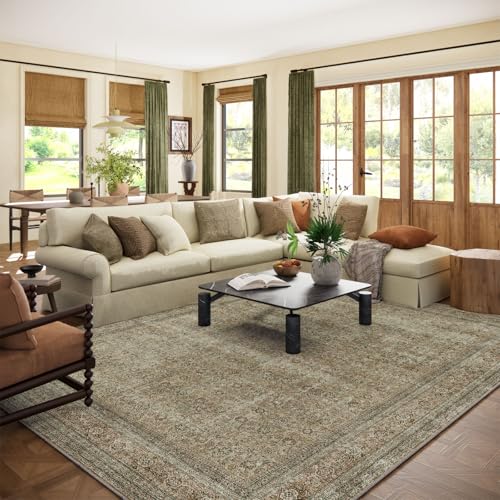


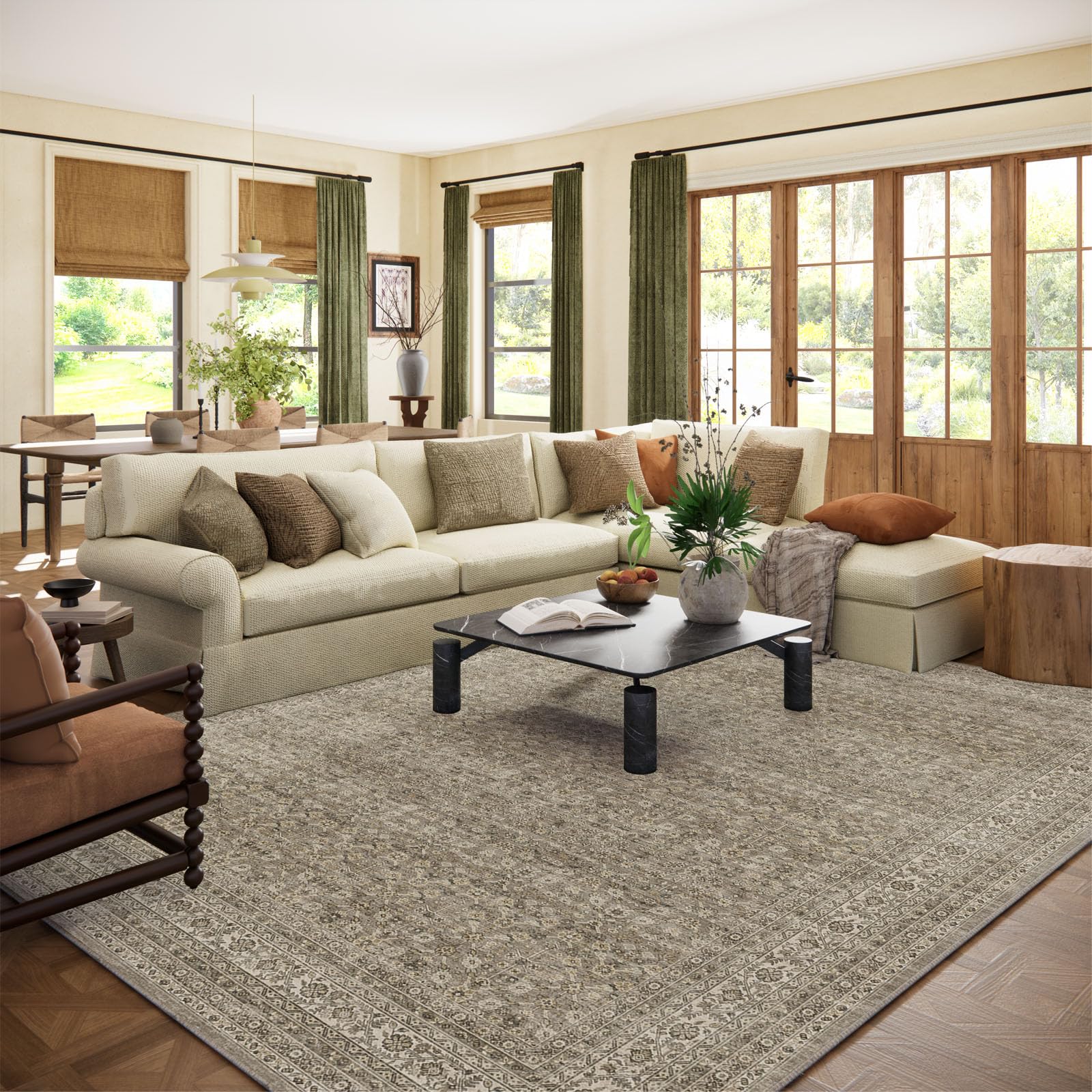
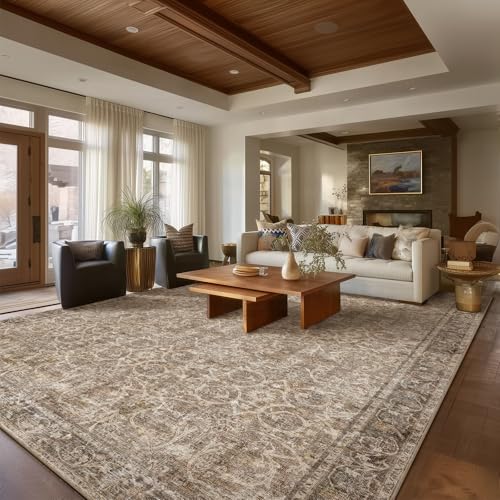
Types of Area Rugs Compared
Four rug families cover nearly every dog home. Flatweaves release hair most easily, low pile synthetics balance comfort and cleanup, washable rugs solve muddy paw problems, and wool blends offer durability with a bit more hair grip. Price rises with size and natural fiber content, so the typical ranges below assume a common living room size.
Flatweave Rugs: The Easiest Hair Release
Flatweaves have no pile at all, so hair rests on a smooth woven surface and lifts away with vacuuming, sweeping, or a good shake outside. Cotton, polypropylene, and woven synthetic versions handle busy halls and feeding zones well, and many smaller sizes go straight into the wash. The trade off is feel: flatweaves are thin, need a pad for grip and cushion, and show every paw print when muddy. For heavy shedding breeds and multi dog homes, that easy release usually beats plush comfort.
Low Pile Synthetic Rugs: The All Round Choice
Low pile rugs in polypropylene, polyester, or nylon keep fibers short enough that hair stays near the surface instead of sinking out of vacuum reach. They resist stains from wet paws, cost roughly about $80 to $250 in room sizes, and come in patterns that hide hair between cleanings. A rubber broom or a vacuum with strong suction pulls hair up quickly, especially if you brush against the pile direction first. This family suits living rooms where people want softness underfoot without surrendering the whole weekend to grooming the floor.
Machine Washable Rugs: Built for Mud and Accidents
Washable rugs are thin, flexible pieces with a grippy backing, designed to fold into a home machine or a laundromat drum. Hair rinses out in the wash instead of building up in the pile, which makes these rugs ideal near doors, in kitchens, and under water bowls. The limits are size and feel: very large rooms may need two piece systems, and the surface feels flatter than a padded rug. If your dog tracks in wet leaves daily, the wash cycle will matter more than plushness. Our guide to the best rugs for dog hair compares washable formats in detail.
Wool and Wool Blend Rugs: Durable but Hair Holds On
Wool brings resilience, natural soil resistance, and a rich look, and quality wool rugs can serve a dog home for many years. Hair grips wool more than slick synthetics, though, and the fibers themselves shed early in the rug life, adding to the fluff you collect. Wool also dislikes harsh cleaners and cannot go in the wash. Choose wool where the dog mostly naps rather than romps, in a color close to your dog coat, and budget for patient vacuuming with a suction focused tool.
Flatweave vs Low Pile: Which Should You Choose?
Compare the two most popular families on five points. Hair release: flatweave wins clearly. Comfort: low pile wins, especially over a pad. Cleaning: flatweave shakes and sweeps clean in minutes, while low pile needs a vacuum but tolerates spot cleaning well. Looks: low pile offers deeper pattern and color, flatweave reads casual and flat. Price: similar at budget levels, with low pile synthetics costing a little more as density rises. If shedding is extreme or the rug sits by a door, pick flatweave. If the rug anchors a living room where people sit on the floor, pick low pile and vacuum twice weekly. Many homes end up with both, each in the room it suits.
How to Choose the Right Area Rug
Size and Fit for Dog Traffic
Size the rug to the traffic pattern, not just the furniture. Dogs cut corners, circle before lying down, and sprint along predictable lanes, so extend the rug through those lanes rather than leaving hair magnets of bare floor between furniture islands. In living rooms, front legs of seating on the rug keeps edges from flipping during play. Near doors, a runner long enough for four muddy paw steps does more good than a tiny mat. Measure door swing clearance too, because hair collects fastest exactly where a rug edge curls.
Features That Matter for Dog Hair
Look for pile under about half an inch, fibers with a smooth surface, and colors that match or mottle your dog coat. Heathered and patterned surfaces hide hair between cleanings far better than solid dark or solid white. Static matters as well: some synthetics cling to fine hair, and an occasional pass with a damp rubber broom releases it. For fiber by fiber detail, see our guide to the best material for area rugs with dogs, and for general dog proofing, our roundup of the best area rugs for dogs.
Comfort, Cushion, and Stable Footing
Steady footing and joint friendly cushion matter for dogs too. Older dogs and large breeds appreciate a rug that does not slide when they rise, so pair any rug with a grippy pad and avoid thick, spongy piles that shift under paws. A stable low surface helps arthritic dogs trust the floor again, which often ends the rug avoidance many owners notice on slick hardwood. If your dog hesitates or scrambles, treat grip as a safety feature, not a comfort extra.
Fiber and Backing Choices
Slick synthetic fibers release hair best and tolerate enzyme cleaners after accidents. Natural fibers feel richer but grip hair and need gentler care. Backing decides whether the rug stays planted: flexible nonslip backings suit washable rugs, while woven rugs need a separate felt and rubber pad. Avoid loose looped piles entirely, because nails snag loops and pulled loops trap hair in rough patches. Check the care label for machine washing limits by size before assuming a big rug fits your machine.
Noise and Movement in Daily Life
A rug quiets nails on hardwood and softens the thump of dropped toys, which matters in apartments and during early morning zoomies. Movement is the flip side: a rug that bunches under a running dog becomes a sled and a hazard. Heavier low pile rugs on quality pads stay put best. If your dog launches off the sofa, extend the rug well past the landing zone. Homes wanting the softest landing should look at the best dog friendly area rugs for grip focused options.
Setup and Care Tips
Set the rug on a clean, dry floor with its pad, then let your dog walk it before moving furniture back, so any backing odor airs out. Keep a rubber broom by the rug; two minutes of brushing against the pile lifts surprising amounts of hair before vacuuming. Vacuum twice a week in shedding season, wash washable rugs monthly or after mud events, and shake flatweaves outside whenever the weather allows. Rotate the rug each season so favorite nap spots wear evenly, and trim any snagged fiber flush rather than pulling it.
Area Rugs: Your Questions Answered
What features matter most in area rugs for dog hair?
Short pile, smooth fibers, and a hair hiding pattern matter most. Pile under half an inch keeps hair within vacuum reach, slick synthetics release it instead of gripping it, and heathered mid tones disguise what lands between cleanings. Add a stable backing so the rug stays flat during play, and favor washable or spot clean friendly care if your dog still has accidents or loves mud.
Which dog coats are hardest on rugs?
Double-coated breeds shed the most, especially in spring and fall, and fine short hair can weave into pile. A flatweave or low pile rug in a color close to the coat helps, and regular brushing of the dog cuts down the hair that reaches the floor.
How do I wash area rugs safely?
Vacuum or shake out loose hair first so it does not mat when wet. Wash only rugs labeled washable, in cold water on a gentle cycle, and dry flat or on low heat as the label allows. For other rugs, blot accidents, apply an enzyme cleaner, and blot rinse with plain water. Let the rug dry fully before use, since a damp backing can smell and can hold moisture against your floor.
Is a robot vacuum good for dog hair on rugs?
It can handle daily upkeep on low pile and flatweave rugs, but heavy shedding still needs a stronger vacuum or a rubber broom now and then. Make sure rug edges and fringe do not catch the robot, and empty the bin often.
How often should I replace my area rug?
Replace it when hair and odor stay trapped after a deep clean, the backing crumbles, or worn lanes stay flat and rough. Washable rugs in busy dog homes often serve about two to four years, while quality low pile rugs kept in calmer rooms last longer. Judge the worst zone, usually by the door or the favorite bed spot, because that is where a rug truly wears out first.
Can I machine wash a rug covered in dog hair?
Only if the care label allows it. Shake or vacuum off loose hair first so it does not clog your machine, and wash on a gentle cycle in cold water. Hair that remains after washing usually lifts with a rubber broom or a lint roller.
Wrapping Up
Pick the type by hair behavior first, then size it to your dog traffic lanes, and the best area rugs for dog hair for your home will be the ones you barely think about after setup. Flatweaves win for heavy shedders, low pile synthetics suit most living rooms, and washable rugs rule muddy entries. Households with wider pet needs can also browse our guide to the best area rugs for dog owners, then compare your finalists in the product table above.