Best Area Rugs for Laminate Floors: Types Compared and How to Choose for 2026
Disclosure: We may earn a commission when you buy through links on this page, at no extra cost to you. As an Amazon Associate I earn from qualifying purchases. Learn more

Compare rug types to find the best area rugs for laminate floors, with guidance on safe pads, backing materials, moisture care, sizing, and upkeep.
Laminate floors look like wood, clean like a countertop, and hide one weakness: moisture and the wrong rug backing can damage them quietly over months. A rug that grips with the wrong rubber can leave marks, and a spill trapped under a rug can swell the board edges before you ever see it. Choosing the best area rugs for laminate floors means matching rug type and pad to that sensitivity first, and style second.
This guide compares the main rug types side by side, explains which pads are safe on laminate, and gives you a simple choosing process by room. Use the comparison table below to narrow the field, then read the type notes to confirm the backing and care routine fit your floor.
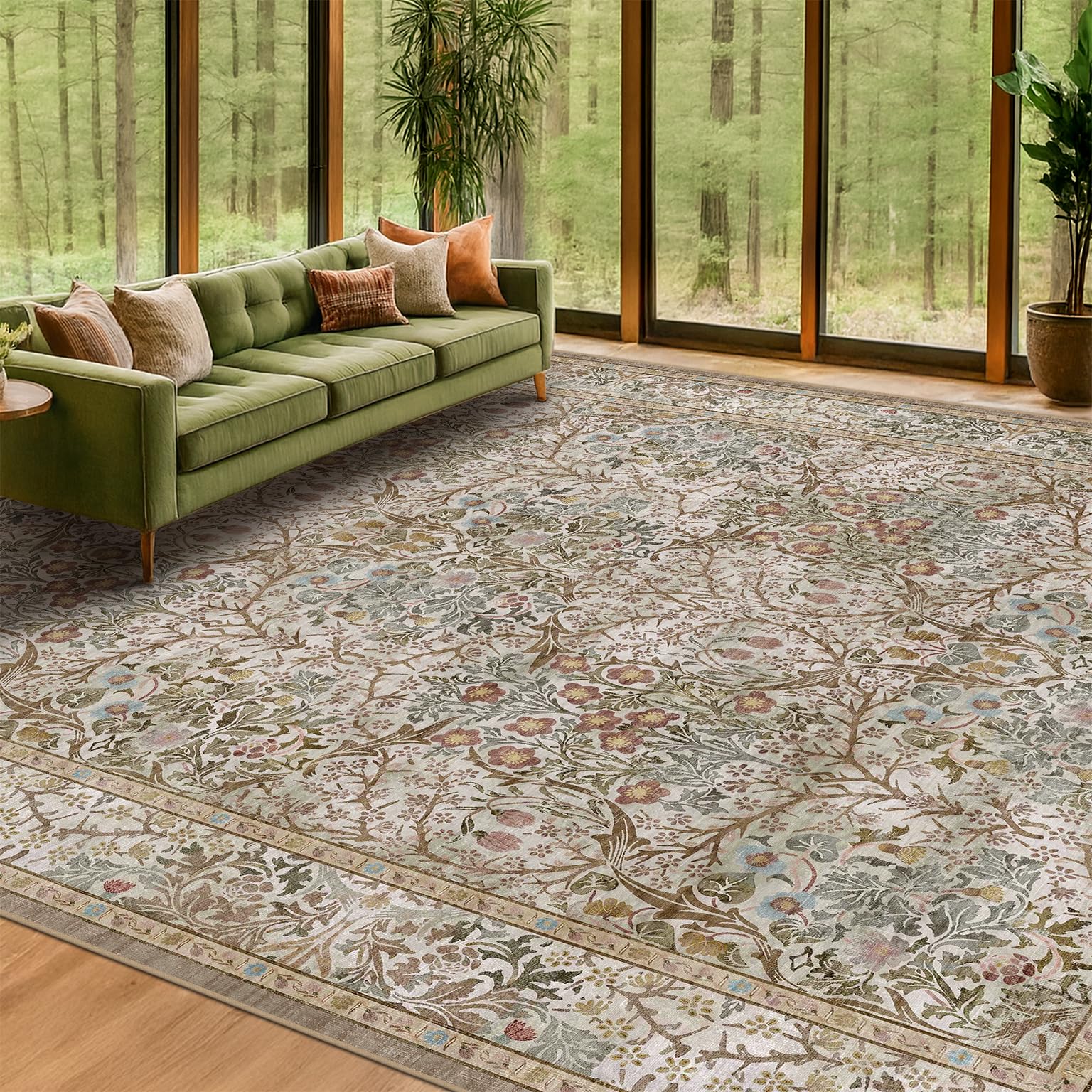
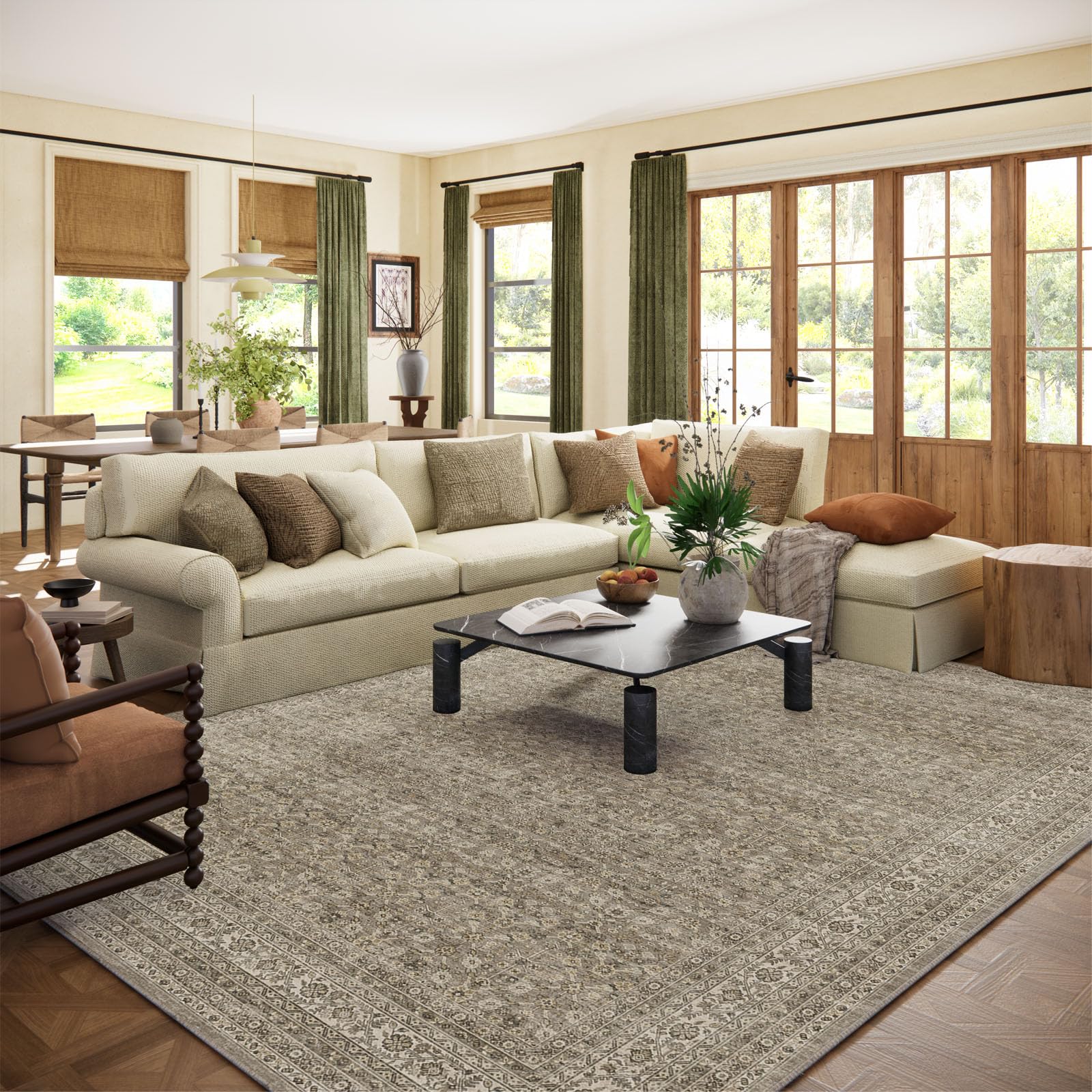



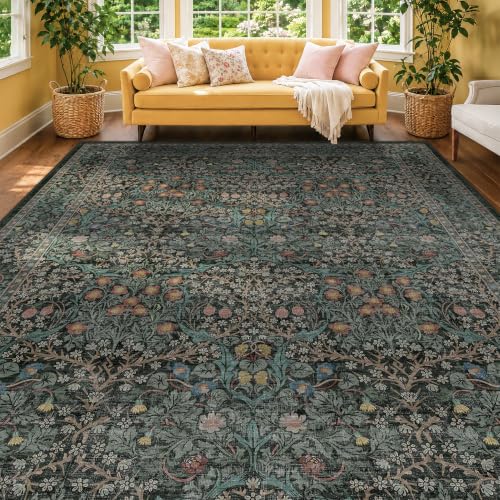


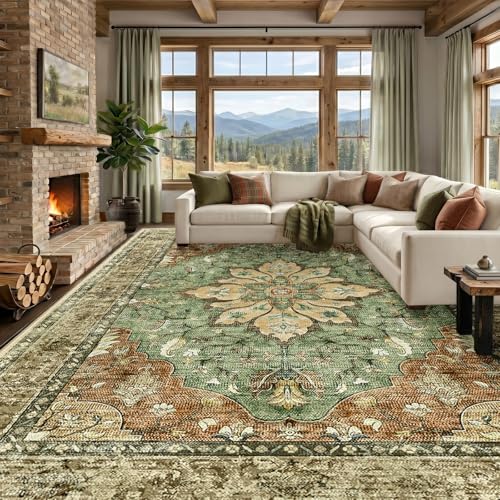
Types of Area Rugs Compared
Low Pile Synthetic Rugs
Machine woven polypropylene and polyester rugs are the easiest match for laminate. They are light, affordable at about $60 to $250 for large sizes, and their low pile releases dust and crumbs when vacuumed. They do not absorb much water, so small spills sit on top where you can blot them. Their weakness is grip: on slick laminate they skate without a pad, so a safe pad is part of the purchase, not an extra.
Flat Woven Cotton Rugs
Flat woven cotton rugs and similar washable designs are thin, flexible, and simple to lift, which matters on laminate because you should check under rugs regularly. They suit kitchens, entries, and dining rooms where washing is frequent. Prices run about $40 to $150 for common sizes. The trade offs are comfort and movement: cotton is thin underfoot and creeps on smooth floors unless the pad beneath has real grip, and wet cotton should be dried fully before it goes back down.
Wool Rugs
Wool rugs bring warmth and a premium feel that flatters laminate, which can look and feel a little hard and cool. Wool fibers resist stains and recover from furniture marks, and a dense wool rug stays put better than a light synthetic one. Expect about $250 to $800 for a large size. Wool is heavier to lift for under rug checks, sheds a little at first, and needs prompt attention to spills because its absorbency, left unchecked, can hold moisture against the floor.
Washable Rugs With Attached Backing
Washable rugs with a thin attached backing are popular on laminate because they grip without a separate pad and go straight into the wash after spills. They are a smart fit for dining areas and homes with pets. The caution is the backing itself: read the maker notes for floor compatibility, air the rug fully dry after washing, and lift it monthly to confirm nothing damp or gritty is trapped beneath. Readers comparing the best rugs for laminate floors will see this type recommended often, with the same dryness warning attached.
Flat Woven vs Low Pile: Which Should You Choose?
Choose flat woven if washing and lifting matter most, as in dining rooms, entries, and pet zones. It dries fastest, checks easiest, and costs least, but it feels thin and needs a grippy pad. Choose low pile woven synthetic if comfort and looks lead, as in living rooms and bedrooms. It cushions better, shows richer pattern, and stays in place more calmly, but spot cleaning replaces full washing. On laminate, both beat thick plush, which traps moisture and hides spills until the floor has already suffered.
How to Choose the Best Area Rugs for Laminate Floors
Pads That Protect Laminate
The pad decision is where laminate owners win or lose. Choose pads made of felt with natural rubber, or pads the maker states are safe for laminate and free of PVC and plasticizers, which can react with the floor finish and leave a ghost pattern. Avoid cheap solid rubber and vinyl pads that warn against use on laminate. A pad about a quarter inch thick adds comfort without a spongy feel, and it should be cut about an inch smaller than the rug on every side.
Material and Backing
On the rug itself, prefer woven backings and latex free or floor safe backing descriptions, and be cautious with rugs whose dark rubber backing smells strongly, a sign of compounds you do not want resting on the finish for years. If you also own plank style floors elsewhere in the home, note that guidance for the best area rugs for wood floors overlaps heavily, because both surfaces dislike trapped moisture and reactive backings.
Features That Matter for Laminate Floors
Three features matter most on laminate. First, a backing and pad combination confirmed safe for the surface. Second, a build you can lift easily for monthly checks, which rules out very heavy rugs in spill prone rooms. Third, low to medium pile that dries fast and vacuums clean, since grit underfoot grinds laminate finish. In kitchens and entries, add a fourth: a washable or easily rinsed surface, because those rooms deliver water to the floor daily.
Durability and Care
Laminate care shapes rug care. Never let a wet rug sit: after any spill that reaches the rug base, blot, lift the rug, dry the floor, and let both dry fully before laying it back down. Vacuum with suction or a soft roller, because stiff beater bars can scatter grit across the finish. Cleaning tools matter too, and our guide to the best vacuum for laminate floors and area rugs covers which heads move between both surfaces without scratching either one.
Size, Edges, and Door Clearance
Size rugs to the furniture group as usual, front legs on in living rooms, chairs fully on in dining rooms. On laminate, also check door swing: a rug plus pad stack that is too thick will catch a door bottom and bunch. Low pile rugs on thin pads clear most doors easily. Keep rug edges out of the main walk line where possible, or secure them with the pad, since a curled edge on a slick floor is a genuine trip risk for kids and older guests.
Setup and Care Tips
- Clean and fully dry the laminate before laying any rug or pad, so no grit or moisture starts life trapped underneath.
- Lift the rug once a month in kitchens and entries, and once a season elsewhere, to check for damp spots, grit, or finish changes.
- Use furniture pads under heavy legs, since point loads can dent laminate through a thin rug.
- Blot spills fast and dry the area with a fan if liquid reached the base of the rug.
- Rotate the rug twice a year to even out sunlight, because laminate and rug dyes both fade unevenly near windows.
Homes mixing surfaces can borrow placement ideas from our notes on the best area rugs for hardwood floors, and those laying rugs over carpet in one room can compare the very different pad logic for the best area rugs for carpeted floors before buying one pad for the whole house.
Area Rugs: Your Questions Answered
What features matter most in area rugs for laminate floors?
A floor safe backing and pad matter most, then a build light enough to lift for checks, then low pile that dries fast. Laminate fails from trapped moisture and chemical reactions with poor backings, not from normal foot traffic. Any rug type can work on laminate if those three points are handled, and almost any rug can cause trouble if the pad is wrong or spills are left sitting beneath it.
Will a rug pad damage my laminate floor?
The wrong pad can. Pads containing PVC, vinyl, or cheap synthetic rubber may react with laminate finishes and leave discoloration that only appears when you move the rug. Felt pads with natural rubber grip, and pads labeled safe for laminate, avoid that risk. Whatever you choose, lift it a few times in the first months to confirm the finish underneath looks unchanged, and replace any pad that feels sticky.
How do I wash area rugs safely on laminate floors?
Wash the rug away from the floor, in a machine if it is a washable type or by hand in a tub, and dry it fully, flat or on a line, before it returns to the room. Never let a rug dry in place on laminate, because the slow moisture release attacks the board seams below. After washing, check the floor and pad for dampness too. A rug that feels dry on top can still hold water in its backing.
How often should I replace my area rug?
Replace a rug on laminate when its backing starts to flake, crumble, or feel sticky, because degrading backing is both a floor risk and a sign the rug is done. Surface wear alone is cosmetic: many synthetic rugs serve five to eight years. Check the backing whenever you lift the rug for cleaning, and treat any powder or residue left on the floor as a signal to retire the rug soon.
Can I put a rug on newly installed laminate?
Wait until the floor has finished acclimating and any maker guidance about curing time has passed, usually at least a few days after installation. New laminate can release small amounts of vapor as it settles, and a rug laid too early traps it. Once the floor is ready, a rug is a benefit, protecting the busiest areas from chair legs and grit. When in doubt, ask your installer, since flooring warranties sometimes specify a waiting period.
Are thick plush rugs a bad idea on laminate?
They are risky rather than forbidden. Thick pile hides spills, holds moisture against the seams, and makes under rug checks a heavy chore, so problems grow unseen. If you love a plush feel in a bedroom, choose a smaller plush rug you can lift easily, keep it away from bathrooms and drink zones, and check beneath it often. For living and dining rooms, low pile remains the safer and easier choice.
Wrapping Up
On laminate, the rug is the easy part and the pad plus dryness checks are the real decision. Pick a type that fits the room, confirm the backing and pad are floor safe, and lift the rug on a schedule to keep small spills from becoming floor damage. Compare finalists in the product table above with those rules in hand, and you will find the best area rugs for laminate floors for your home.