
Best Area Rugs for Home Office: Our 2026 Checklist and Buying Guide
Disclosure: We may earn a commission when you buy through links on this page, at no extra cost to you. As an Amazon Associate I earn from qualifying purchases. Learn more

Run through this checklist to choose the best area rugs for home office use, covering chair movement, low pile depth, sound control, sizing, and care.
A home office rug has one job most living room rugs never face: a rolling chair crossing it hundreds of times a week. Pick wrong and the edges curl, the pile crushes into tracks, and your chair feels like it is rolling through sand. Choosing the best area rugs for home office setups starts with a checklist built around chair movement, sound control, and floor protection, not just color.
This guide gives you that checklist in the order to apply it: pile depth first, then backing and pad, size, material, and care. Compare candidates in the comparison table below against each item, and any rug that fails the first two checks should drop off your list no matter how good it looks in photos.
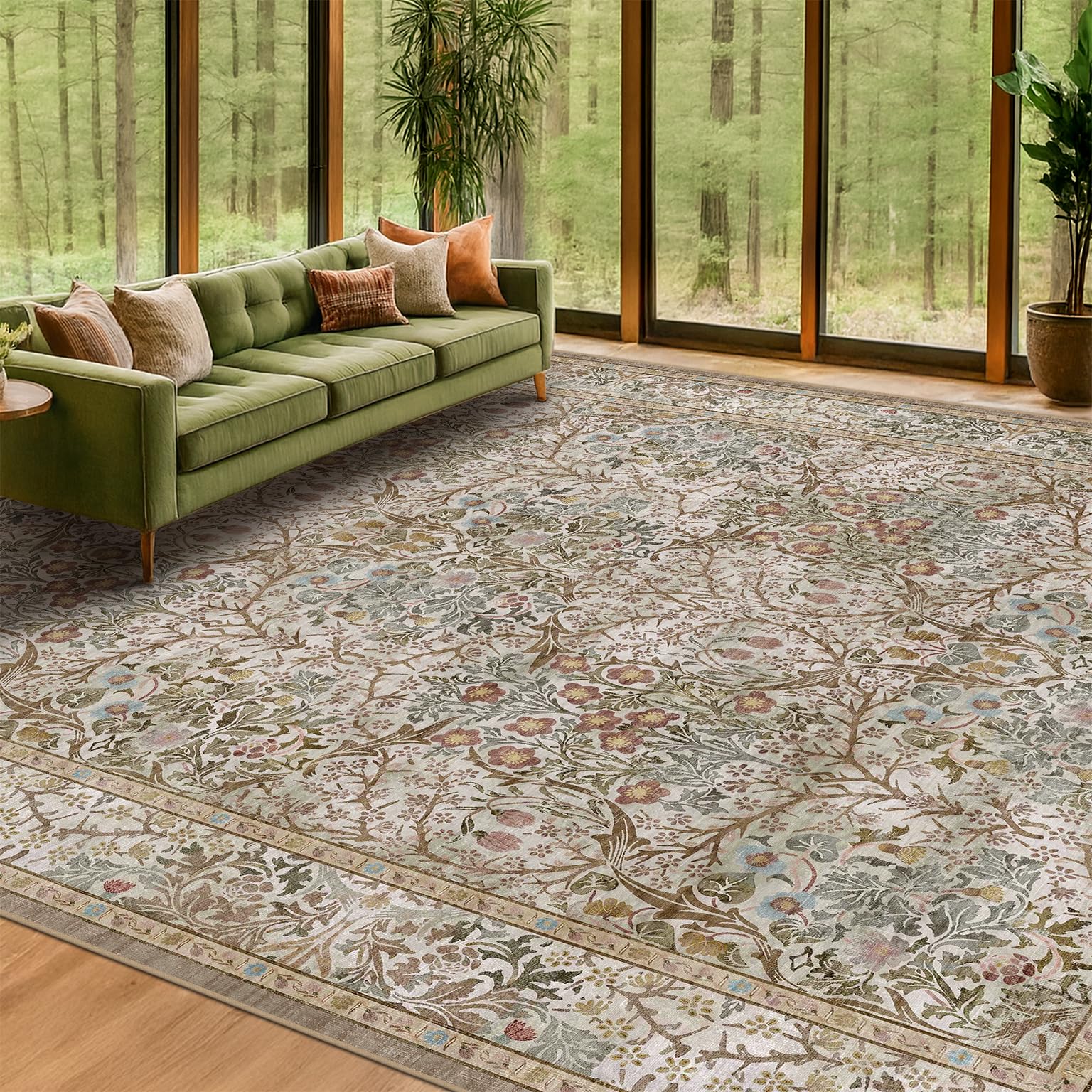
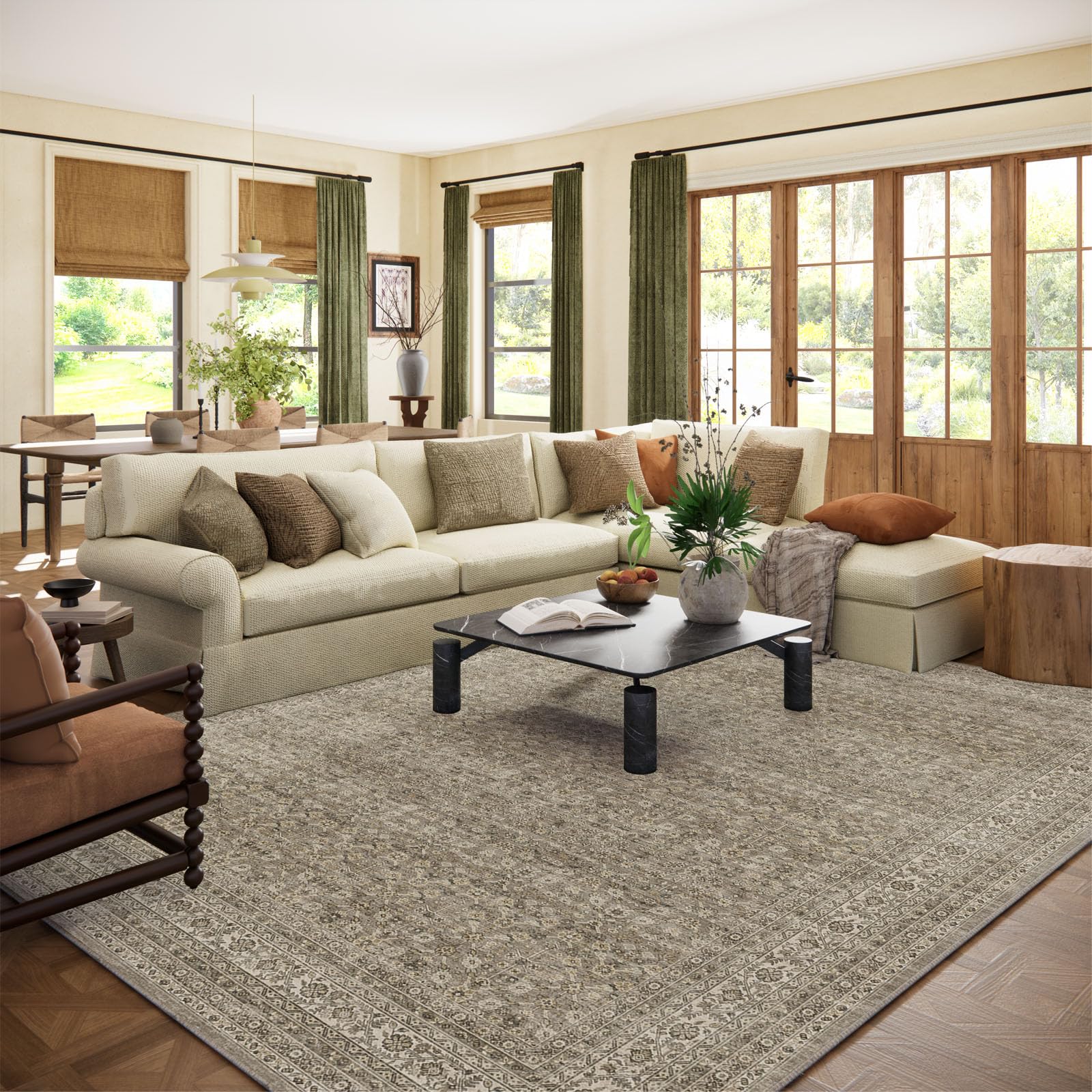




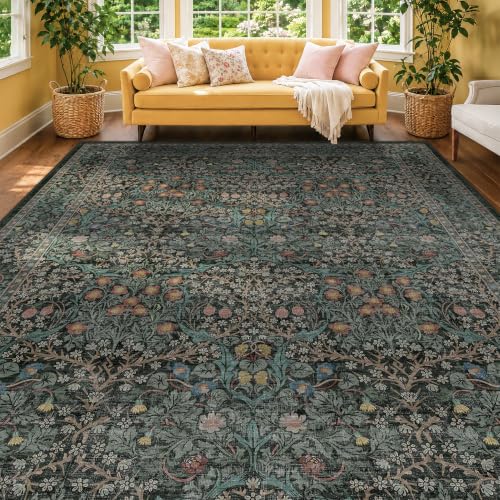



How to Evaluate the Best Area Rugs for Home Office Use
Features That Matter for Home Office Use
The defining feature is pile height. A desk chair rolls freely on pile under about a quarter inch, struggles on medium pile, and can damage tall plush pile within months. Dense flat woven and low loop constructions spread wheel pressure across many fibers, so they resist tracking. Also check the edge finish: thin bound edges stay flat under wheels, while thick braided edges become speed bumps your chair hits all day.
Material and Fiber Choices
Polypropylene and nylon lead for office use because their fibers spring back after wheel passes and resist the coffee spills that happen at desks. Wool is a strong premium option with natural resilience and a warmer feel for bare feet during long calls. Cotton flat woven rugs are affordable and washable but thin, so they need a firm pad beneath. Avoid jute and other rough natural weaves under a chair, since wheels catch on the texture and the fibers shed grit onto the floor.
Pile Depth and Chair Movement
Check the pile with your hand before the rug ever meets your chair: press down and slide. If your palm drags and the fibers stand back up slowly, a loaded chair will drag too. Low loop pile and flat woven surfaces let casters glide with the least effort, which your shoulders will appreciate by Friday. If you love a softer rug, place it in the non chair part of the room and keep a dedicated low pile rug or chair mat in the rolling zone.
Size and Fit
Size the rug for the chair range, not just the desk footprint. Your chair should stay fully on the rug at your furthest roll back, which usually means the rug extends about 24 to 30 inches behind the desk front. A common working size is 5 by 7 feet for a single desk and 8 by 10 feet for a desk plus guest chair. Shoppers comparing broader layouts in our guide to the best rugs for home office rooms will find the same rule: measure the roll zone first, then decorate around it.
Sound Control and Floor Protection
A rug earns its place in an office by quieting the room. It absorbs chair rumble, softens footfalls on hard floors, and reduces echo on video calls, a benefit your coworkers will notice. Underneath, a dense felt pad protects wood and laminate from caster pressure points and stops the rug creeping as you roll. If your floor is delicate, confirm the pad is rated safe for that finish, since some rubber backings can react with certain coatings over time.
Backing, Labels, and Indoor Air
Check product labels for low emission and fiber safety certifications where offered, and let any new rug air out in a ventilated room for a day before you work over it, since packaging odors are common. A rug with an attached non slip backing can work without a pad on hard floors, but a separate pad still adds quiet and comfort. Readers weighing the wider market for the best quality area rugs will notice the same pattern: clear labels and honest construction details track closely with rugs that last.
Three Office Rug Profiles That Pass the Checklist
The All Round Profile
The all round office profile is a low loop or flat woven synthetic rug in a 5 by 7 or 8 by 10 foot size, on a firm felt pad. It rolls smoothly, hides wheel tracks because there is barely any pile to crush, and costs about $80 to $250. Choose a mottled pattern so the faint wear path between desk and door blends in. This profile suits full time remote workers who sit and roll for eight or more hours a day.
The Value Profile
The value profile is a machine washable flat woven rug under about $100, paired with an inexpensive firm pad. It shines in spare room offices and student setups where coffee spills and ink are real risks and budgets are tight. The rug will feel thin underfoot, and large sizes may need a bigger machine, but replacement cost is low. It also works as a seasonal swap: a lighter rug for summer, a warmer toned one for winter.
The Heavy Use Profile
For heavy use, meaning long hours, a heavier chair, or a shared office with two desks, step up to a dense commercial style low pile rug or a wool flat weave. These cost about $200 to $500 in office sizes and repay it by resisting track wear for years. Pair with the firmest pad you can find, keep spare caster friendly wheels on hand, and rotate the rug every few months so wheel paths shift. This is also the profile to choose if the office doubles as a client facing space on camera.
Quick Buyer Checklist
- Is the pile under about a quarter inch, or fully flat woven, so your chair rolls without drag?
- Does the rug extend at least 24 inches behind your desk so the chair never drops off the edge?
- Is the fiber synthetic or wool, both of which spring back after wheel pressure?
- Do you have a firm pad rated safe for your exact floor finish?
- Can you clean it in line with desk life, meaning spot cleaning or machine washing?
- Does the pattern hide the wear path and the crumbs every desk produces?
- Will the color and texture look calm and professional on video calls?
If a rug you love fails the chair or size questions, it can still serve the reading corner. Your main work zone deserves the strict pass. For the rest of the room, our broader notes on the best rugs for home spaces cover softer options that do not need to survive casters.
Red Flags to Watch For
Walk away from plush or shag rugs marketed with office photos but no pile height listed, since missing specs usually hide a chair problem. Be wary of rugs with no backing information, vague fiber blends stated only as percentages of unnamed synthetics, and edges described as thick or hand finished, which often means lumps under wheels. Extremely low prices in large sizes signal thin construction that will ripple. Finally, check the return terms: a rug you cannot return after a week of rolling on it is a gamble. If you are also upgrading the seat, see our guide to the best home office chairs.
Tips to Get the Most From Your Area Rug
Vacuum the wheel zone twice a week, because grit trapped in low pile acts like sandpaper under casters and shortens rug life fast. Wipe chair wheels monthly with a damp cloth for the same reason. Rotate the rug 180 degrees each season to even out the roll path, and lift the pad once a year to check for crumbling. If your chair still resists, larger soft casters made for hard floors often fix the feel more cheaply than a new rug. If you are still planning the desk itself, our guide to the best monitors for home office setups covers screen placement.
Area Rugs: Your Questions Answered
What features matter most in area rugs for home office use?
Low pile depth matters most, followed by dense construction and a firm pad. Your chair must roll without drag and the fibers must spring back after thousands of passes. After that, judge size by your roll back distance, choose patterns that hide wear paths, and pick a cleanable fiber. Decorative qualities come last, because a beautiful rug that fights your chair will annoy you daily.
Can I use a plush rug under a desk chair?
You can, but expect problems. Plush pile slows casters, mats into visible tracks, and can tear at the backing where wheels twist. If you already own one, place a chair mat over the rolling zone and keep the plush feel for your feet at the desk front. When buying new, reserve plush rugs for the parts of the office where no chair rolls, such as a reading chair corner.
Are washable area rugs a good fit for an office?
Yes, washable flat woven rugs suit offices well because coffee and ink accidents are a matter of time. Their thin build rolls smoothly and the whole rug can go in the wash after a bad spill. The compromise is cushioning, so use a firm pad and a supportive chair. Confirm the rug size fits your machine, or choose two smaller rugs that cover the desk zone in sections.
How often should I replace my area rug?
Replace an office rug when the wheel path stays flattened after rotation and rest, when edges curl despite a pad, or when the backing flakes. A dense synthetic rug in daily office use typically serves about four to seven years, while a thin budget rug may show tracks within two. Wool lasts longest. Cosmetic fading alone is not a failure if the surface still rolls well and lies flat.
Do I still need a chair mat on top of a low pile rug?
Usually not. A true low pile or flat woven rug on a firm pad gives casters a smooth, stable surface, which is exactly what a chair mat provides on bare floor. Add a mat only if your chair is heavy, your wheels are small and hard, or the rug shows early tracking. Try the rug alone for two weeks first; most people find the rug alone feels better and looks far cleaner than plastic over fabric.
The Bottom Line
Run the checklist in order: low pile, correct size for your roll zone, resilient fiber, firm pad. A rug that passes those four tests will make long workdays quieter, protect your floor, and look composed on every call. Compare your finalists in the product table above, and you will choose the best area rugs for home office work with confidence.


