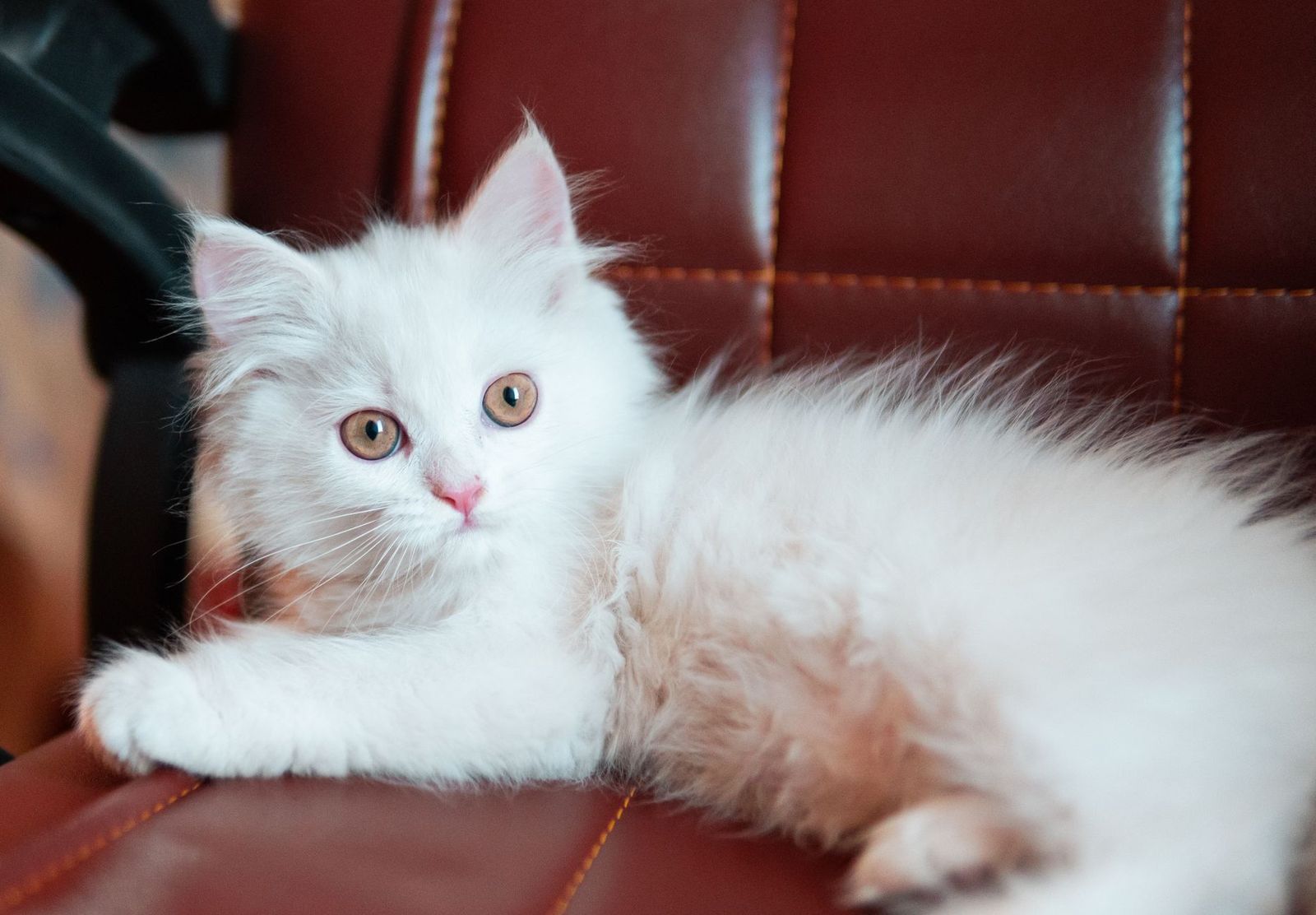
Best Area Rugs For Cats With Claws 2026: A Buying Guide
Disclosure: We may earn a commission when you buy through links on this page, at no extra cost to you. As an Amazon Associate I earn from qualifying purchases. Learn more

Compare area rugs for cats with claws by weave, pile height, washability, and grip, with placement and cleaning guidance for cat friendly homes.
Cats test rugs in ways other pets do not. Claws catch on loops, a favorite scratching spot wears into the pile, and hairballs and accidents land on the surface when you least expect them. The best area rugs for cats with claws have a tight weave, a low pile that gives claws little to grab, and a surface you can wipe, vacuum or wash without fuss.
The product table below lists current rugs with sizes, prices and ratings. The sections that follow explain which weaves resist snagging, how to cut down on scratching and which fibers hold up to cleaning, so you can narrow the table to a few good fits.


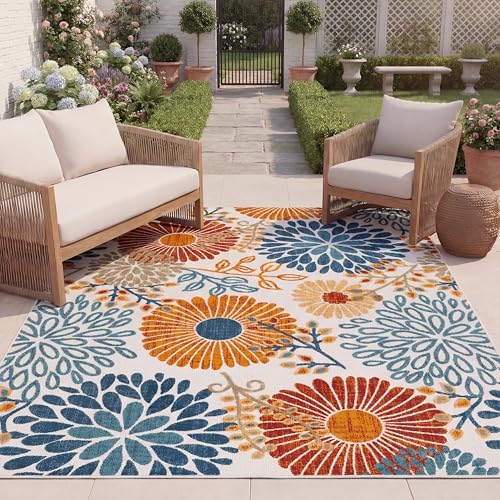
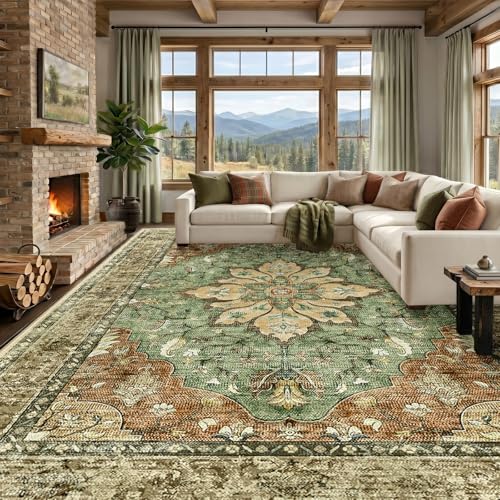

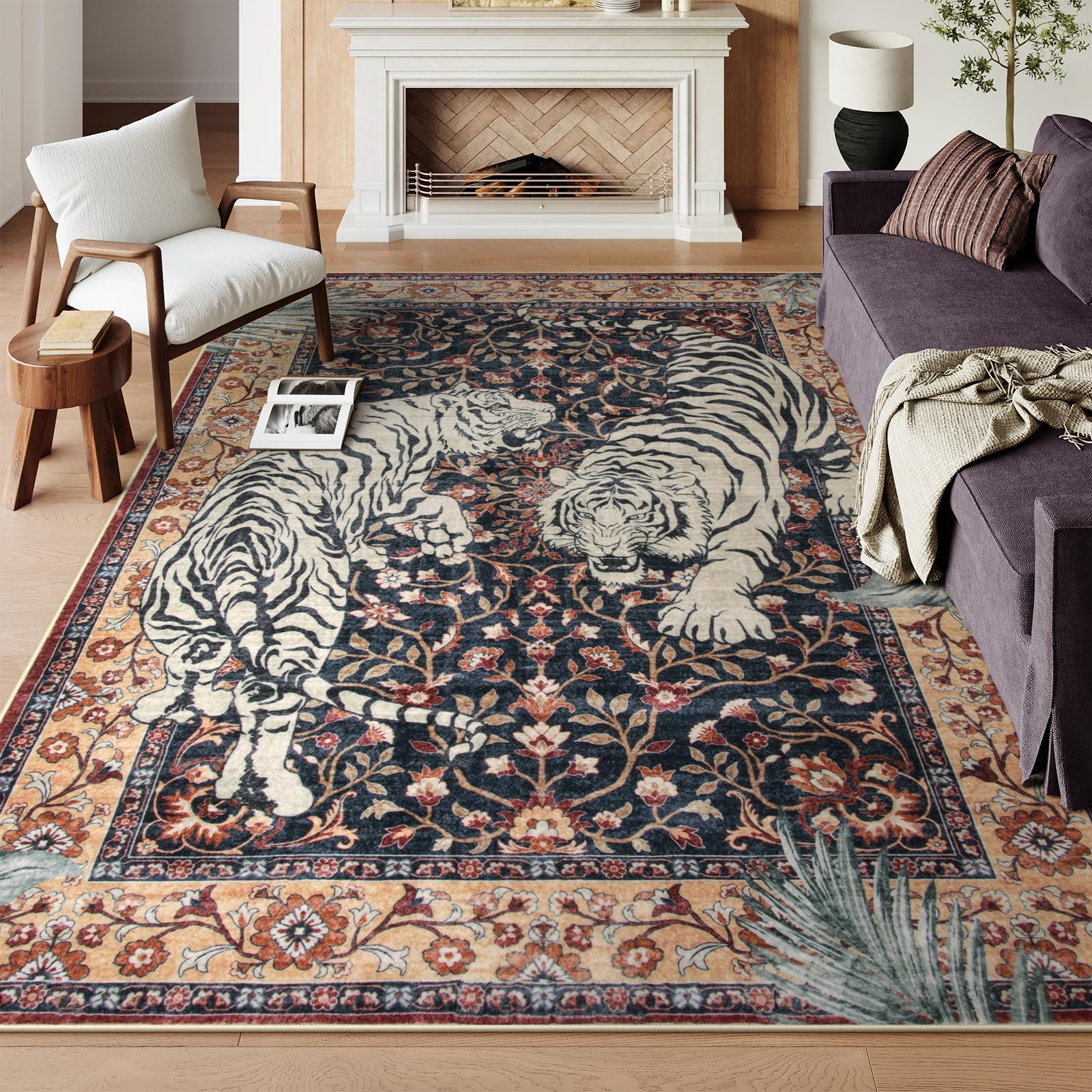
Why Claws Damage Rugs
A claw damages a rug in two ways. It either hooks a loop and pulls it loose, or it digs into long pile and tears fibers. Rugs with loops, long shag or loosely twisted yarn are the easiest for a cat to ruin. Tight, cut or flat constructions are much harder to snag.
Best Area Rugs for Cats With Claws: Weave and Pile
Flatweave
A flatweave has no pile at all, so there is little for claws to hook. It is thin, easy to vacuum and often washable. Add a pad underneath so it does not slide when your cat launches across the room.
Low Cut Pile
Short, cut fibers stand on their own, so a scratch tends to move them around instead of pulling out a whole row. This gives more softness than a flatweave while staying fairly claw resistant.
What to Avoid
Skip looped pile, long shag and rugs with fringe, which cats love to bat and chew. Loops can unravel in a single pull, and long fibers trap hair and litter.
Fibers That Handle Cats
Polypropylene and polyester are tough, resist stains and clean easily, so they handle accidents and hairballs well. Nylon recovers well from crushing. Wool is durable and naturally stain resistant, but it needs gentler cleaning and some cats chew it. Natural fibers like jute and sisal can be tempting scratching surfaces, so keep them for rooms your cat does not use.
Cleaning Cat Messes
Blot accidents quickly rather than scrubbing, since scrubbing spreads the stain and damages fibers. Use a pet-safe enzyme cleaner for urine, which breaks down odor so your cat is less likely to return to the same spot. A rubber broom lifts cat hair from low pile, and a vacuum with strong suction handles the rest. Machine washable rugs make the biggest messes easy to handle.
Reducing Scratching on the Rug
No rug is scratch-proof, so give your cat a better option. Place a sturdy scratching post or a cardboard scratcher near the rug, ideally beside the spot your cat favors. Reward your cat for using it. Trim claws regularly, following your veterinarian's guidance, and keep the rug away from the edge of a window perch where your cat may land. If your cat keeps targeting the rug, move it or add a pad that makes the surface less appealing.
Size, Placement and Pads
Choose a size that covers the seating area so the front legs of the sofa sit on the rug, which helps it stay flat. A pad prevents sliding and protects the floor. Avoid placing a light rug next to a litter box, where grit and moisture can gather underneath.
Color and Pattern
A mid-tone color or a pattern with variation hides cat hair and small marks between cleanings. Match the rug to your cat's coat if you want hair to be less visible, or choose a busy pattern that camouflages everything.
Washable or Spot-Clean Rugs
A machine washable rug is the easiest way to deal with hairballs, litter tracking and accidents. Check the size limit for your washing machine before you buy, since larger rugs may need a laundromat. Spot-clean rugs can be fine too, as long as the fibers resist stains and you keep a pet-safe cleaner on hand. Whichever you choose, dry the rug fully before putting it back, because damp backing smells and attracts repeat accidents.
Budget Ranges
Simple low pile polypropylene rugs and flatweaves are affordable and make sense if you expect some claw damage over the years. Mid-priced washable rugs with strong backings offer a longer life and are often the best value for a cat household. Premium wool or hand tufted rugs are beautiful, but a determined cat can ruin one quickly, so keep them in rooms where your cat does not spend time. Match the price to how much wear you expect, and remember that a cheap rug you can replace is often wiser than an expensive rug you worry about.
Choosing a Color That Hides Cat Hair
Hair shows most when it contrasts with the rug. A gray or tan rug hides gray and tabby coats, while a patterned rug hides almost any color. Very dark solids show light hair and dust, and very light solids show dark hair and paw prints. If your cat has a white or black coat, pick a mid tone with a busy pattern so you can go longer between vacuuming sessions.
Protecting Floors Under the Rug
A pad matters even more with cats. When a cat launches across a rug, an unpadded rug slides and bunches, and the backing can scuff the floor beneath it. Choose a thin, grippy pad made for your floor type, and lift the rug now and then to check for litter, hair and moisture underneath. Fix any damp spot quickly so the floor stays in good shape.
Common Mistakes to Avoid
- Buying a rug with loops or long fringe that cats can hook.
- Choosing a natural fiber rug for a room your cat uses daily.
- Skipping a pad, so the rug slides when your cat runs across it.
- Scrubbing stains instead of blotting.
- Forgetting to offer a better scratching option.
Frequently Asked Questions
Is a flatweave rug better for cats?
Often, yes. Without pile there is little to hook, and flatweaves are easy to vacuum. Low cut pile is also a good option if you want more softness.
Will a cat scratch a rug no matter what?
Many cats will try. A tight weave and a nearby scratching post reduce the damage, but no rug is completely scratch-proof.
How do I remove cat hair from a rug?
A rubber broom or squeegee pulls hair into a pile that is easy to pick up. A vacuum with good suction finishes the job. Brushing your cat regularly cuts down on loose hair.
Are washable rugs a good choice for cat owners?
Yes. They handle hairballs, accidents and litter tracking without a trip to a professional cleaner. Check the size limit of your washing machine and the drying instructions.
Can I fix a pulled loop?
Trim a pulled loop flush with scissors instead of tugging it, which can unravel more of the weave. If the damage spreads, the rug may need to be replaced.
The Bottom Line
Choose a tight, low weave, a stain-friendly fiber and a pad that keeps the rug in place. Use the product table above to compare sizes and ratings, and pick the best area rugs for cats with claws that you can clean in minutes. For more ideas, see best area rugs for cats and best quality area rugs.