Best Area Rugs for Cats at Every Price: What Your Money Really Gets You for 2026
Disclosure: We may earn a commission when you buy through links on this page, at no extra cost to you. As an Amazon Associate I earn from qualifying purchases. Learn more

Compare the best area rugs for cats by budget, with guidance on pile, backing, washability, and the upgrades that are actually worth paying for.
Prices for a single rug can range from the cost of a nice dinner to the cost of a sofa, and the price tag alone tells you very little about how that rug will survive life with a cat. The best area rugs for cats share a few practical traits at every price: a surface claws cannot easily snag, a backing that stays put, and fibers you can clean without a professional visit.
This guide walks through what each budget level realistically delivers, which upgrades earn their cost, and which extras you can skip. Use the comparison table below to shortlist sizes and styles, then read the tier notes to see where your money actually goes.

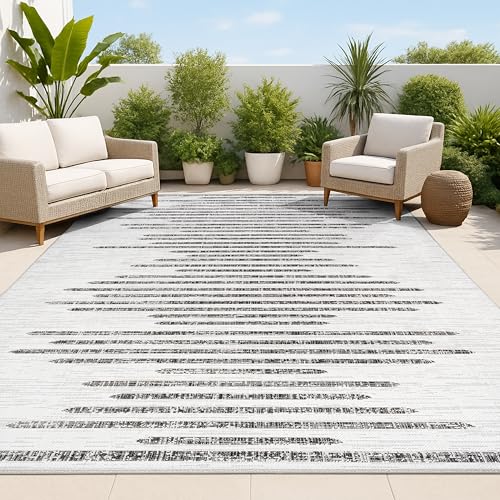
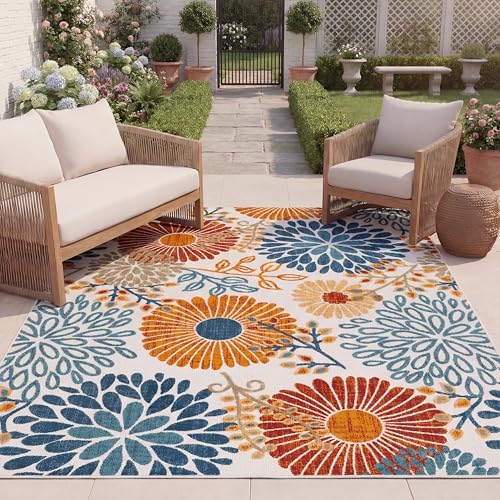

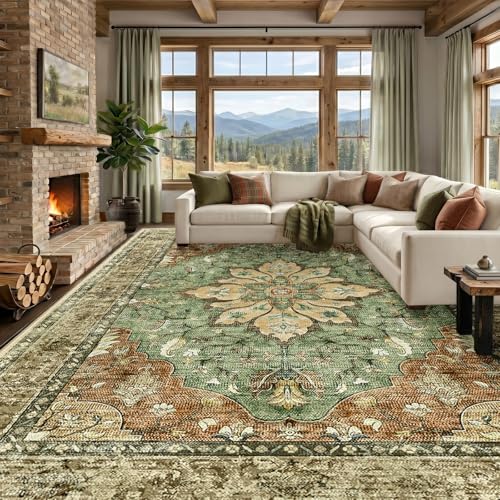

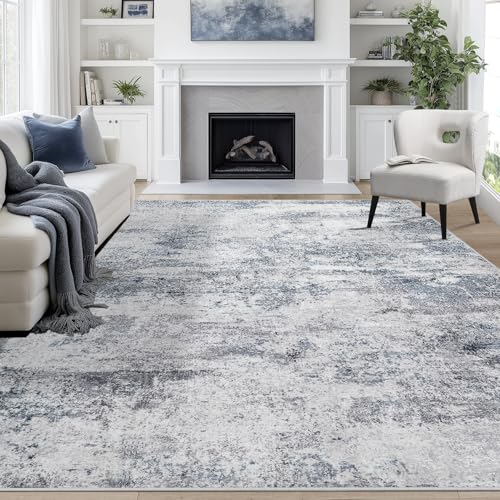
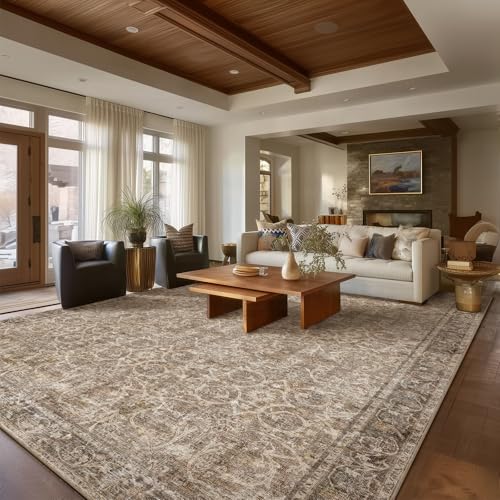

Choosing by Budget: What Each Tier Looks Like
Think of the three tiers below as descriptions of what a price generally buys, not as fixed categories. A large rug in a cheap fiber can cost more than a small rug in wool, so judge each tier by construction and care needs first, and by the number on the tag second.
The Budget Tier: Simple, Washable, Replaceable
Budget rugs, often under $100 for common room sizes, are usually thin synthetic flatweaves or very low pile styles with a simple printed pattern. That thinness is a genuine advantage with cats, because there is almost nothing for a claw to catch and hair sits on the surface where a vacuum can lift it in one pass. Many are light enough to shake outside or wash at home. The trade off is comfort and presence: they feel flat underfoot, slide without a pad, and show wear sooner in busy paths.
The Midrange Tier: Better Backing and Denser Pile
Midrange rugs, roughly about $100 to $300 for a living room size, usually add a denser weave, a sturdier backing, and patterns woven into the surface rather than printed on top. Colors hold up longer, edges lie flatter, and the rug feels more settled under furniture. For most cat households this is the sweet spot, because you gain durability and easier vacuuming without paying for prestige fibers. Look for a washable design or a fiber that tolerates spot cleaning, since accidents matter more than looks over time.
The Premium Tier: Natural Fibers and Lasting Build
Premium rugs, often about $300 and up, buy you wool or wool rich blends, hand finished edges, and designs with real depth of color. Wool resists crushing, sheds less after an early period, and cleans surprisingly well because its fibers release soil. The catch for cat owners is that many premium rugs use looped pile, which claws can pull into runs, and most need professional cleaning. Pay this much only for a cut pile style in a room where you can manage scratching with posts and pads nearby.
What Your Money Gets You at Each Price Tier
Three things drive the price of any rug more than brand styling does: size, fiber, and how the rug is made. Understanding those drivers helps you spot a fair price and avoid paying a premium for a feature your cat will never notice.
Size Is the Biggest Price Lever
Doubling the rug dimensions roughly doubles the material, so an 8 by 10 foot rug commonly costs far more than a 5 by 7 foot rug in the same line. Measure your seating zone before you shop and buy the smallest size that anchors the front legs of your sofa and chairs. Going one size down in a washable midrange rug often beats stretching for a larger premium rug you cannot clean at home, especially in a home with kittens or an older cat.
Fiber Decides Cleaning and Lifespan
Polypropylene and polyester sit at the affordable end and shrug off stains and moisture, which suits litter box zones and feeding corners. Nylon costs more and resists crushing in walkways. Wool costs the most and rewards you with resilience and a richer feel, but it asks for gentler cleaning. Blends try to split the difference. When you compare two rugs at the same price, choose the fiber that matches your worst weekly mess, not your best looking room photo.
Construction Decides Whether Claws Win
Machine made rugs with a tight, cut pile are the safest construction around cats because each tuft stands alone and a scratch just moves fibers around. Hand knotted and hand tufted pieces cost more for their labor, yet tufted backings can loosen with repeated washing. Looped construction at any price is the risky one, since one caught claw can unzip a whole row. If a listing hides its construction, treat that as a reason to keep shopping rather than a detail to overlook.
Features Worth Paying For and Ones to Skip
Certifications and Safer Materials
An OEKO TEX label means the finished textile was screened for a list of harmful substances, which matters for an animal that sleeps, grooms, and sometimes chews at floor level. Low odor and low volatile organic compound claims matter most in the first week, so unroll a new rug in a ventilated room and keep your cat off it until any factory smell fades. CertiPUR US applies to foam rug pads rather than rugs themselves, so check for it when you buy a cushioned pad. Certifications support safer shopping, but they never replace reading the fiber and care details.
Features That Matter for Cats
Four specs decide daily life with a cat: pile height, pile type, backing grip, and washability. Choose low pile under about half an inch so claws and hair stay manageable, and always choose cut pile over loops. A rug that fits in your washer or tolerates hosing outside will outlast a prettier rug you dread cleaning. If your cat scratches floors, read our guide to the best area rugs for cats with claws for construction details, and place a scratching post right beside the rug corner your cat favors.
Sound Softening and a Quieter Room
A rug will not change how your cat behaves at night, but it does soften the sound of paws, dropped toys, and chairs moving across hard floors. Denser piles and a pad underneath absorb more footfall noise, which apartment dwellers and light sleepers appreciate. This is a comfort bonus rather than a reason to overspend. A midrange rug on a decent pad delivers most of the quieting effect, and the pad also stops sliding that can startle a nervous cat mid sprint.
Material and Pile Choices in Plain Terms
Synthetic fibers win on stain resistance and price, and modern versions look far better than the shiny rugs of years past. Wool wins on resilience and feel but needs care with strong cleaners. Cotton flatweaves are light and washable, though they wrinkle and slide without a pad. Avoid silk and viscose in cat homes, since both stain easily and hate moisture. Whatever fiber you choose, a busy pattern in a mid tone hides hair and minor stains between cleanings better than a solid pale color ever will.
Durability and Care Over the Years
Durability shows up in edge binding, backing quality, and how the rug handles weekly vacuuming. Run the vacuum without a spinning brush bar on delicate piles, or use a suction only setting, so you lift hair without tearing fibers. Rotate the rug a few times a year so sunny spots and favorite nap zones wear evenly. Check the return window before you buy, because a rug that looks right online can clash with your light or your cat hair color at home. For broader household guidance, see our overview of the best area rugs for cat owners.
Long Term Costs to Factor In
The purchase price is only part of ownership. Budget for a rug pad at around $30 to $80, which protects both the rug and the floor and adds comfort. Add the cost of an enzyme cleaner for accidents, a lint roller or rubber broom for hair, and professional cleaning every year or two for non washable rugs, which can run about $100 or more per visit. A washable midrange rug often has the lowest total cost over five years, even when a budget rug starts cheaper, because you skip cleaning fees and delay replacement. If construction quality is your top concern, our guide to the best quality area rugs explains what long lasting workmanship looks like.
FAQs
What features matter most in area rugs for cats?
Low cut pile, washable or stain friendly fiber, and a stable backing matter most. Cut pile gives claws nothing to loop around, low height keeps hair on the surface for easy vacuuming, and washable construction turns accidents into a chore instead of a disaster. Add a busy pattern that hides hair between cleanings, and keep a scratching post nearby so the rug is not the most tempting texture in the room.
How often should I replace my area rug?
Replace a rug when the backing crumbles, edges curl despite a pad, or odors stay after a deep clean. Budget synthetics in busy homes often last about two to four years, while a quality wool rug can serve a decade or more. A rug near a litter box works harder than one under a coffee table, so judge by condition in the toughest zone rather than by age alone.
How do I wash area rugs safely?
Start by checking the care label, then vacuum both sides before any water touches the rug. Washable rugs go in a large machine on a gentle cold cycle and air dry flat, since dryer heat can crack backings. For non washable rugs, blot spills, use a mild cleaner tested on a hidden corner, and lift the rug fully dry before replacing furniture. Never soak a jute backed rug, because natural backings can shrink and mildew.
Do I need a pad under a cat-friendly rug?
Yes. A pad stops the rug from sliding when your cat sprints across it, protects the floor and makes the surface feel less like a scratching target. Choose a thin pad slightly smaller than the rug, and avoid pads that can crumble when damp.
Where should the rug go relative to the litter box?
Keep rugs a few feet from the litter box, since tracked litter and grit work their way into the pile. A washable mat at the box and a rug further into the room keep both cleaner. Vacuum along the edge of the rug often.
How do I remove cat urine odor from a rug?
Blot up as much as you can, then treat the spot with an enzyme cleaner made for pet urine, following the label. Let the rug dry fully. If the smell returns after proper cleaning, the urine may have reached the backing or pad, and replacing them may be the best fix.
Our Verdict
For most homes, the midrange tier delivers the best area rugs for cats: dense low cut pile, a cleanable fiber, and a price that does not sting when life happens. Spend more only for wool cut pile in a calmer room, and spend less when kittens or training stages make replacement likely. Compare your finalists in the product table above, check the size against your furniture, and order with a return window you trust.