
Best Area Rugs for a Beach House by Budget: Smart Picks for 2026
Disclosure: We may earn a commission when you buy through links on this page, at no extra cost to you. As an Amazon Associate I earn from qualifying purchases. Learn more
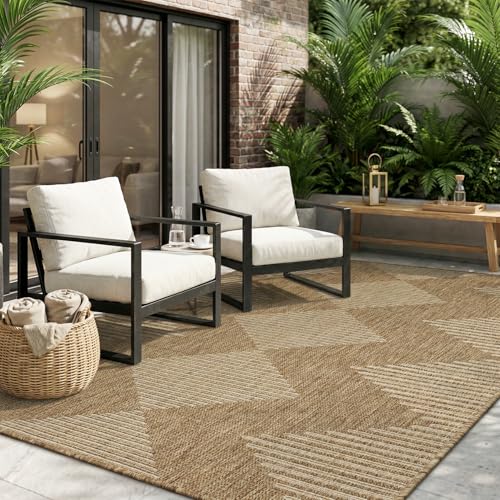
Compare the best area rugs for a beach house at every price point. Learn what you get at budget, midrange, and premium levels and where spending more pays off.
Prices for beach house rugs run from under $50 to well over $1,000, and the gap is not just about looks. Sand, sun, damp feet, and salt air punish the wrong fiber fast, while the right rug shakes clean and dries overnight. This budget based guide shows you how to judge best area rugs for a beach house tier by tier, so you know where extra money buys real durability and where it only buys a thicker label. Start with your room size and traffic level, then compare options in the comparison table below.
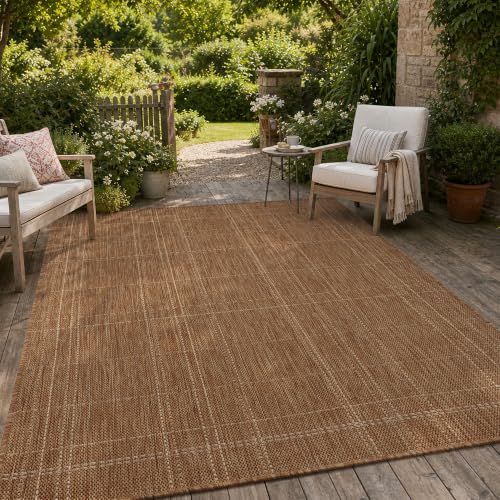

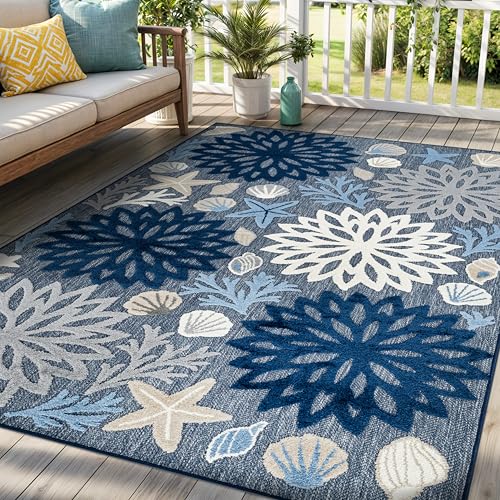

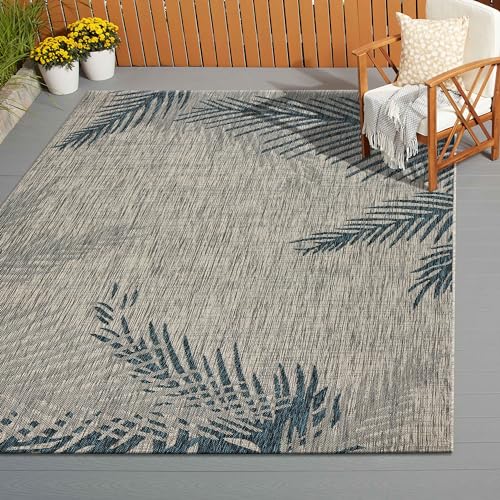
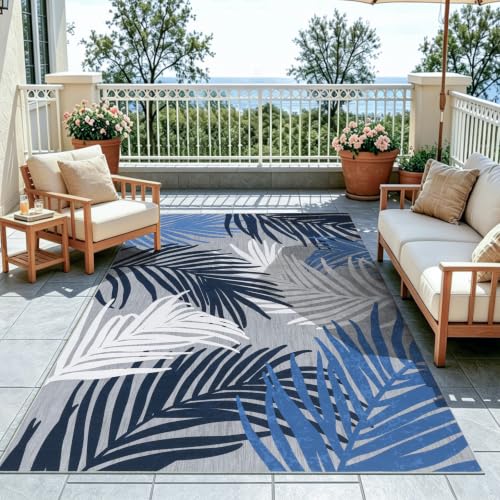
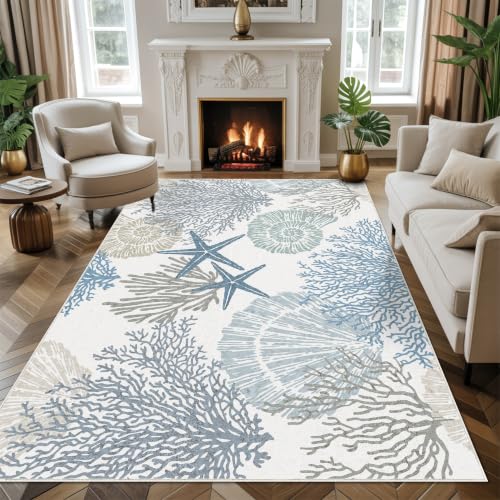
Best Area Rugs for a Beach House by Budget
Read these tiers as descriptions of what each budget usually delivers, not as named products. Match the tier to your house first, then use the product table above to find specific rugs that fit it.
Best Budget Pick
The budget tier suits rental houses, kids rooms, and entry areas where sand lands first. Expect flatweave or low pile synthetic rugs, often indoor outdoor designs you can hose off and hang to dry. Colors and patterns are simple, and edges are usually machine finished. The trade off is feel: these rugs are thin underfoot and benefit from a pad. Lifespan under heavy rental traffic may be a few seasons rather than many years. For a first rug in a sandy, busy spot, that trade off is often the smart one.
Best Midrange Pick
Midrange rugs fit living rooms and dining spaces in a house you use most weekends. You get denser weaving, better edge binding, and fibers that resist fading longer in bright rooms. Many midrange options are washable, which matters when sunscreen, snacks, and wet swimsuits meet daily. Underfoot comfort improves, especially with a quality pad. This tier is where most owners find the balance they keep for years. If you are also comparing the best rugs for a beach house beyond area sizes, the same fiber and care logic applies room by room.
Best Premium Pick
Premium rugs earn their price in main living areas of a house you own and use year round. Expect hand finished edges, richer natural or high grade synthetic fibers, and patterns that hide sand and wear gracefully. A premium flatweave in wool blend or a well made synthetic can handle bright sun rooms when rotated with care. The limits are care demands and cost per square foot in large sizes. Buy premium when the rug anchors a room you love, not for a mudroom where sand and water arrive daily.
What Your Money Gets You at Each Price Tier
Budget Tier: What to Expect
Budget rugs, often around $40 to $120 for common room sizes, lean on polypropylene and printed flatweaves. They resist moisture, dry fast, and shrug off sand with a shake or a vacuum pass. What you give up is softness, weight, and fine detail. Thin rugs can curl at corners until a pad or corner grips settle them. Treat this tier as hard wearing and replaceable. It is the right call for porches, entries, and any spot where a spilled drink or a muddy dog is a weekly event rather than a rare one.
Midrange Tier: The Sweet Spot for Most Buyers
Midrange rugs, often around $120 to $350, add denser construction and better backings. Washable designs with a nonslip backing layer are common here, and they pair well with the best washable area rugs approach to beach living: pull it up, wash it, dry it flat, and put it back. Colors hold up better to sun, and patterns get better at hiding tracked in sand between cleanings. Add a felt and rubber pad for comfort and grip. For living rooms and bedrooms in most beach houses, this tier delivers the best years of use per dollar.
Premium Tier: When Spending More Pays Off
Premium rugs, often around $350 to $900 and up for large sizes, pay off in fiber quality, construction, and repairability. Hand knotted or loomed pieces lie flatter, feel better barefoot, and can be professionally cleaned and repaired instead of replaced. Buyers at this level should check our guide to the best quality area rugs for construction details worth paying for. Premium still has limits at the beach: fine wool dislikes constant damp, and pale silk blends stain easily. Put premium money in lower moisture rooms, such as a primary bedroom or a shaded living room.
Features Worth Paying For (and Ones to Skip)
Material and Fill
Fiber choice decides how a rug handles sand, water, and sun. Polypropylene is the workhorse: it resists moisture, cleans easily, and suits indoor outdoor use. Cotton flatweaves are soft, washable in smaller sizes, and good for bedrooms. Jute and seagrass bring coastal texture and hide sand well, but they dislike soaking and can mildew if left damp. Wool feels wonderful and resists stains naturally, yet it costs more and needs gentler care. Match fiber to the room moisture level first, and let color and pattern come second.
Comfort Underfoot and Edge Quality
For a rug, comfort underfoot comes from pile height and the pad beneath it, not from the rug alone. A low pile rug on a thick felt pad feels cushioned at a fraction of a plush rug cost, and low pile traps far less sand. Edge quality matters in high traffic paths: bound or serged edges resist fraying where feet pivot at doors and stairs. Skip very plush pile at the beach. It holds sand deep in the fibers, stays damp longer, and makes every cleaning session harder than it needs to be.
Cooling and Breathability
Beach houses run warm, and rug fibers change how a floor feels at noon. Flatweave cotton, jute, and seagrass feel cool and dry under bare feet, while dense synthetics can feel warm and slightly slick in humidity. Open weave designs let air move and dry faster after mopping or a wet entry. Light colors reflect the bright coastal look and show less sun fading contrast over time. If a room gets direct sun for hours, rotate the rug a quarter turn each season so light and traffic wear spread evenly.
Features That Matter for A Beach House
Four specs matter more at the beach than anywhere else. First, moisture resistance: the rug and its backing should tolerate wet feet without staying damp. Second, cleanability: shake out, hose off, or machine washable designs win. Third, fade resistance for sun filled rooms. Fourth, a low, tight pile that releases sand instead of storing it. Dining areas add a fifth need, since chairs must slide without catching; our notes on the best rugs for dining area cover flat, chair friendly weaves in more detail.
Long Term Costs to Factor In
The rug price is only part of ownership. Budget for a good pad at around $30 to $100, since a pad extends rug life, adds comfort, and protects floors from gritty sand abrasion. Washable rugs shift cost toward laundry time, while premium natural fiber rugs may need a professional cleaning every year or two at around $100 to $300 depending on size. Plan replacement sooner for budget rugs in rental use. Maintenance gear matters too; the right vacuum settings from our guide to the best vacuum for area rugs keep suction strong without beating up fibers or fringe.
FAQs
What features matter most in area rugs for a beach house?
Moisture resistance, easy cleaning, and low pile matter most, in that order. A rug that dries fast and releases sand will stay pleasant with modest effort. Fade resistance comes next for sunny rooms. Size the rug so front furniture legs sit on it, which keeps edges from curling in traffic paths. If a rug needs delicate care, place it in a bedroom rather than an entry, no matter how good it looks in photos.
Can I use an indoor outdoor rug on a beach house deck?
Yes, if the deck is covered or the rug is made for outdoor use. Polypropylene indoor outdoor rugs resist moisture, sun and salt air better than natural fibers, and they dry quickly after rain. Lift the rug now and then to let the deck underneath dry, which prevents mildew and stains.
How do I keep sand out of a beach house rug?
Put a mat at the door, shake the rug outside often and vacuum slowly in two directions so suction lifts sand from the base. Low pile and flatweave rugs release sand more easily than plush styles. Wash washable rugs when sand starts to build up near the backing.
How often should I replace my area rug?
Replace a beach house rug when it stays musty after cleaning, when edges fray beyond trimming, or when the backing cracks and sheds grit. Budget indoor outdoor rugs in heavy use may last two to four seasons, while midrange and premium rugs in calmer rooms can serve much longer. A rug that still looks fine but smells damp after every humid week has reached the end, because trapped moisture can affect the floor beneath it.
How do I wash area rugs safely?
Start with the care label, then shake the rug outside and vacuum both sides to remove sand before any water touches it. Washable rugs go in a large machine on a gentle cycle with mild detergent, then dry flat or hang with good airflow. Indoor outdoor synthetics can be rinsed with a hose and a soft brush. Never leave a rug rolled up while damp, and confirm the floor beneath is fully dry before laying it back down.
Our Verdict
Decide by room, not by house: hard wearing budget rugs where sand lands, midrange washable rugs where life happens, and premium pieces only in calm, dry rooms. Fiber, pile height, and care routine will shape your satisfaction far more than pattern alone. Compare your finalists in the product table above, and choose the best area rugs for a beach house setup that you can keep clean with the time you honestly have each week.


