Best Arctic Snow Boots in 2026: Which Type Is Right for You?
Disclosure: We may earn a commission when you buy through links on this page, at no extra cost to you. As an Amazon Associate I earn from qualifying purchases. Learn more

Compare the best arctic snow boots by type, insulation, waterproofing and traction, with sizing and care tips to help you choose for deep cold.
Arctic boots promise warmth in deep cold, yet the styles differ a lot in height, weight and how they handle wet snow. Choosing the best arctic snow boots gets easier once you match the type to your winters, your walking distance and the socks you wear. Use the comparison table below to see how the main types differ before you read the details.
Think first about your coldest normal day, not a rare record low. A boot for standing at a bus stop faces different demands than one for clearing a long drive or walking on icy streets. The sections below compare types, insulation, waterproofing and grip.


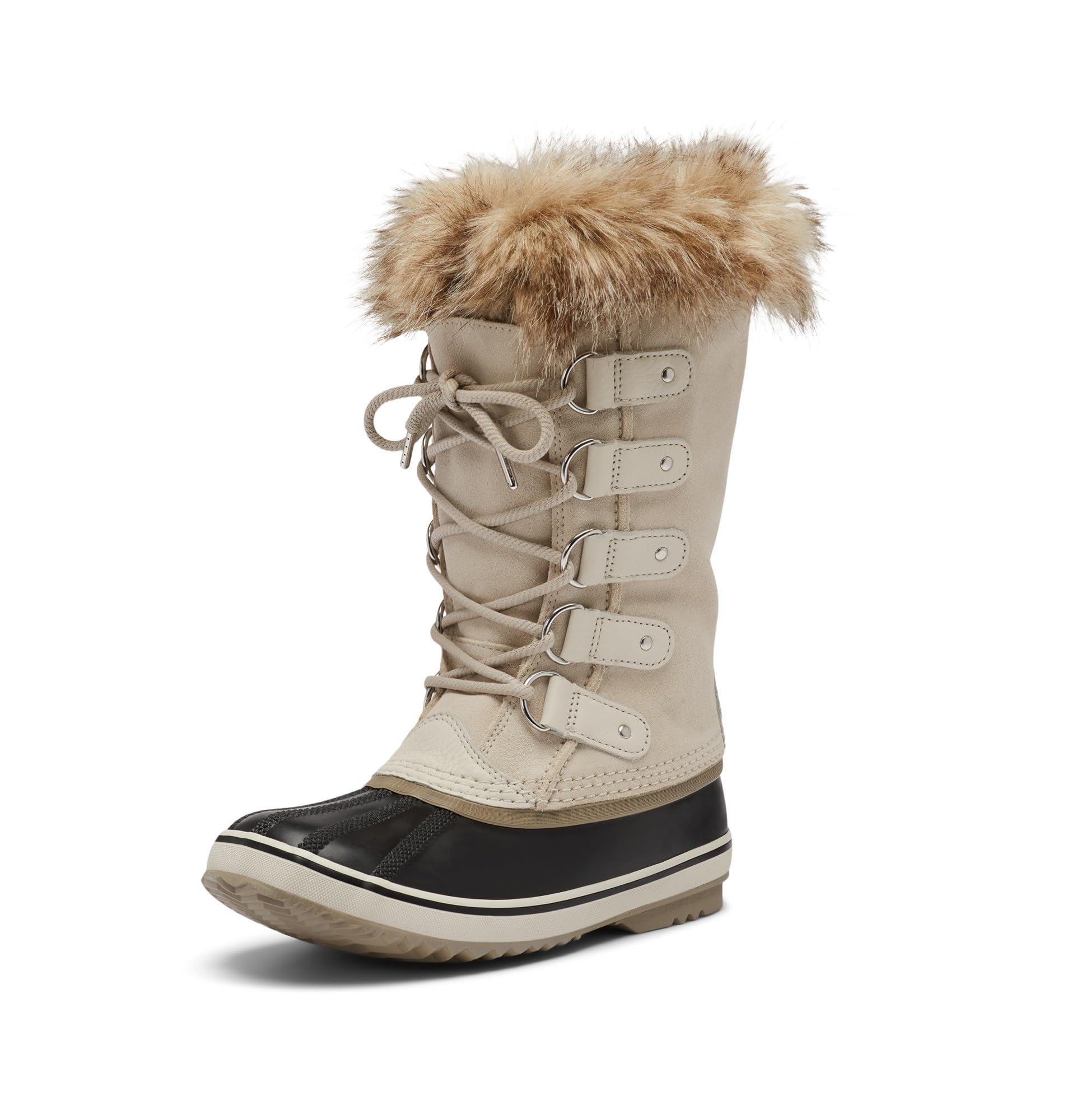
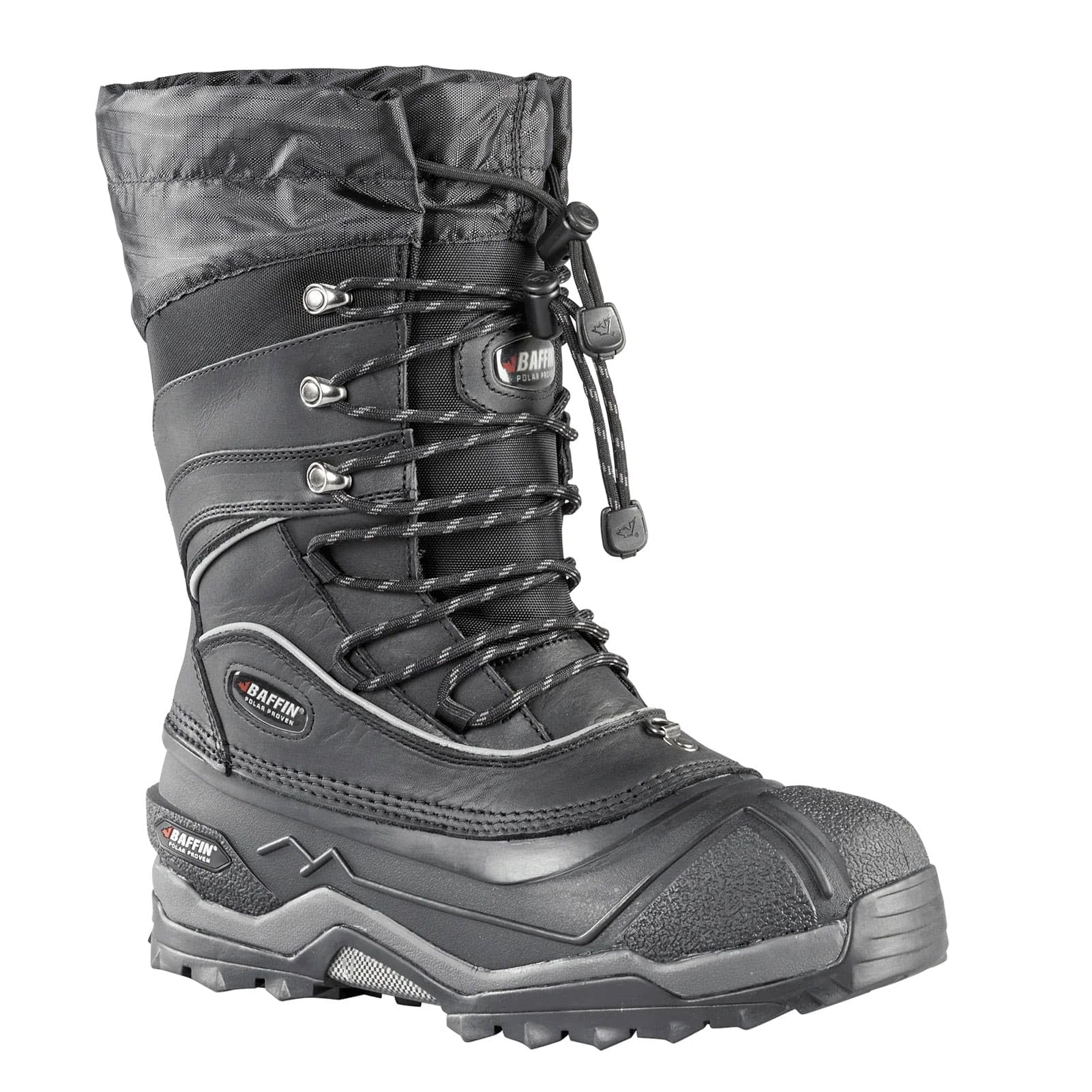


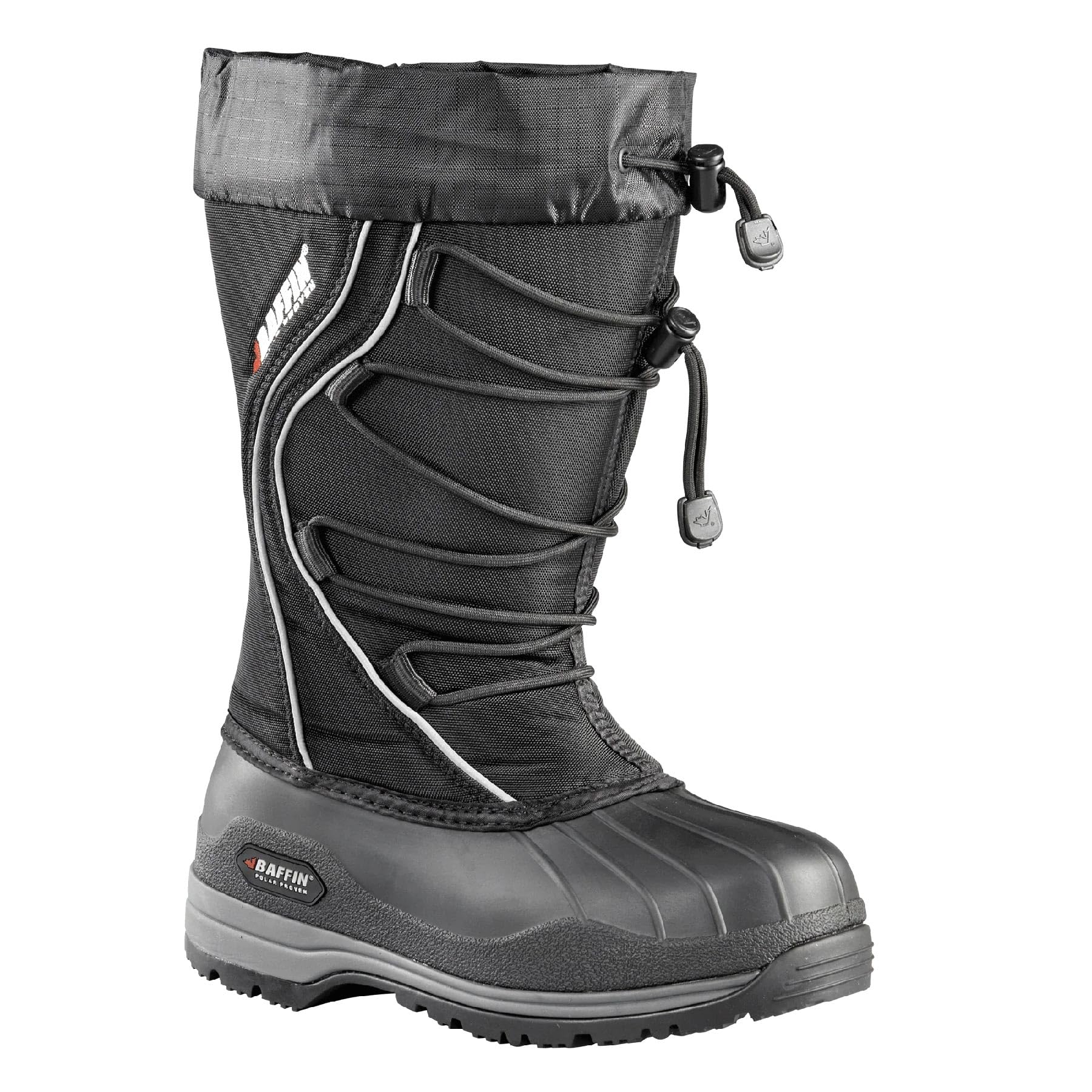
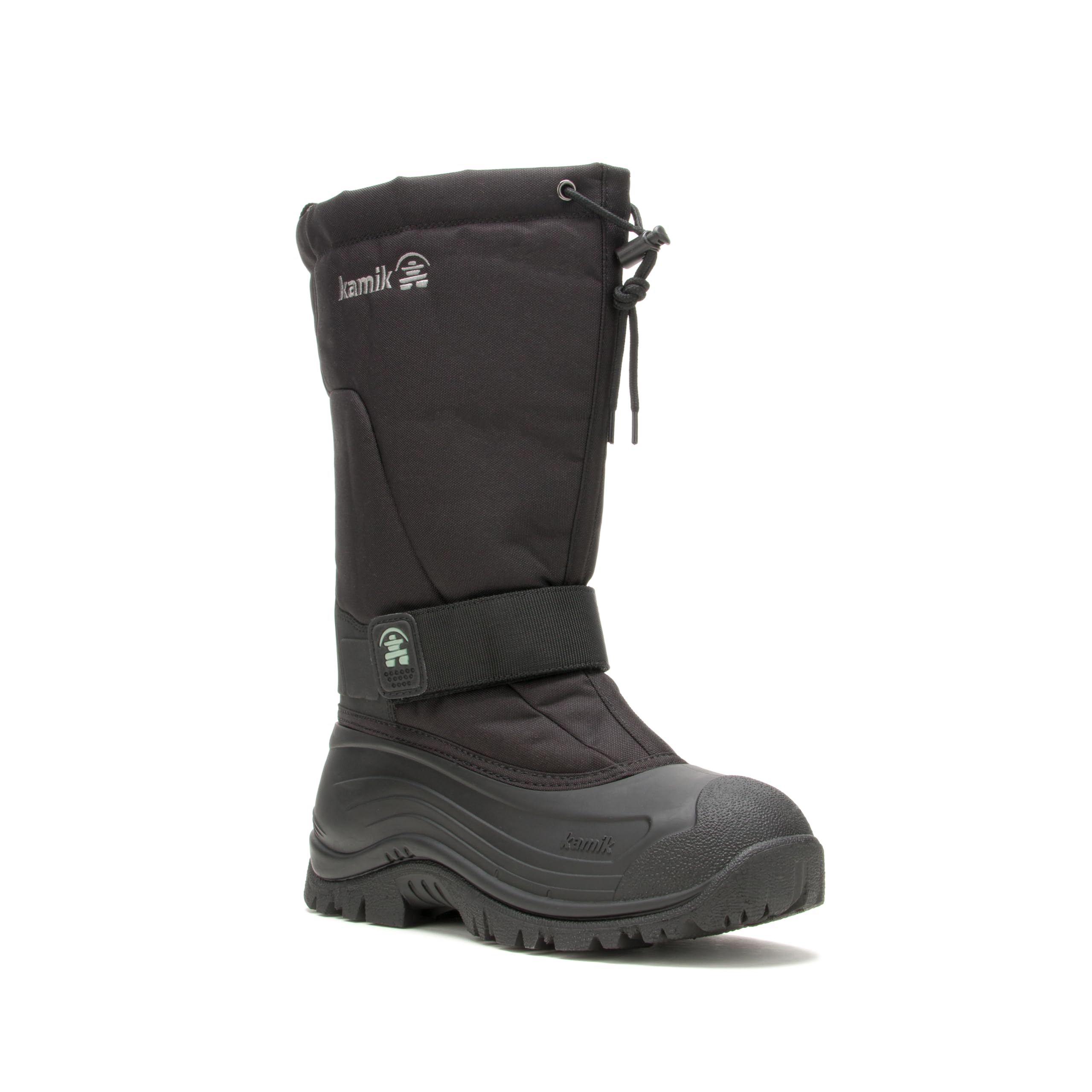
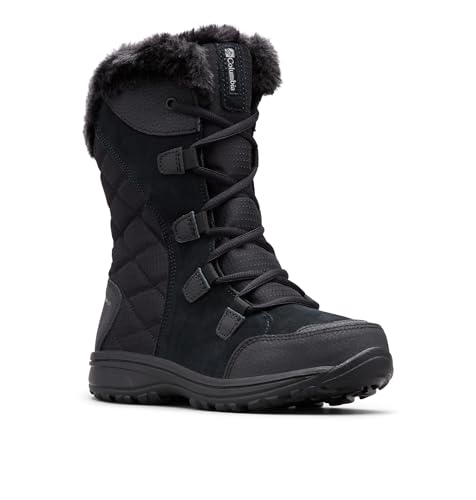
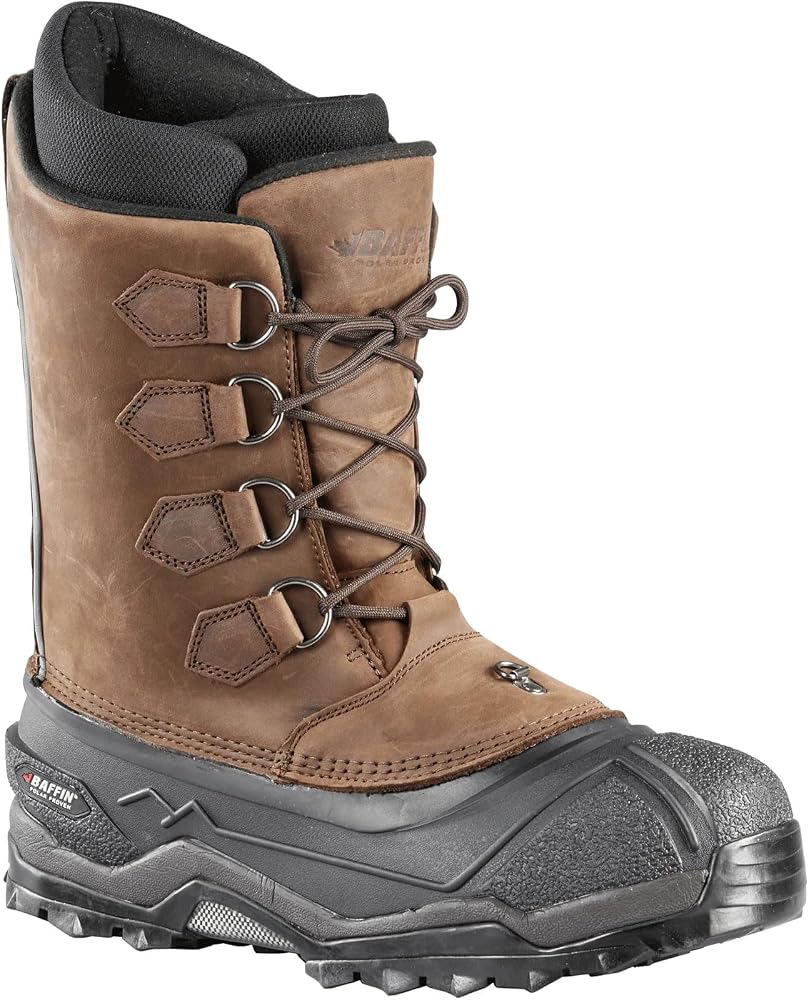
Types of Arctic Snow Boots Compared
Most arctic models fall into three types, and each one trades warmth, ease and walking comfort in a different way. If your needs are milder, see our guide to the best snow boots for lighter everyday options.
Pac Boots With a Removable Liner
Pac boots pair a rubber lower shell with a leather or nylon upper and a thick felt liner you can take out. That liner traps warm air and dries overnight, which makes this type the warmest choice for deep snow and long periods outdoors in severe cold. The fit feels roomy and the sole feels stiff, so pac boots suit standing, chores and short walks better than long hikes. Expect to pay about $120 to $250, and expect more bulk than the other types.
Lace Up Insulated Snow Boots
Lace up models look like sturdy winter hiking boots, with fixed insulation, a waterproof membrane and a fit you can adjust at each eyelet row. They walk the most naturally of the three types, with better ankle stability and cushioning for plowed sidewalks, winter trails and daily errands. Their lower height lets deep loose snow spill over the top sooner than a pac boot would. Most cost about $90 to $200.
Tall Pull On Boots for Deep Snow and Chores
Tall pull on boots have no laces, a wide opening and a shaft that often reaches mid calf or higher. You can step in with gloves on and head out fast, which suits farm chores, shoveling and quick trips in unplowed snow. The loose fit around the ankle gives less support on uneven ground, and your heel may lift as you walk. Most cost about $80 to $180, and the tall shaft keeps snow out without separate gaiters.
Pac Boots vs Lace Up Boots: Which Should You Choose?
Choose pac boots if warmth is your first concern. Their removable liner and roomy toe box hold thick socks and warm air, and the rubber shell sheds slush without soaking through. Choose lace up boots if you walk more than you stand, because the closer fit, firmer ankle support and lighter weight reduce leg fatigue over distance. For temperature, pac boots often carry ratings near minus 40 degrees, while many lace up models suit about minus 20 to minus 30 degrees. For closeness in intent, see our guide to the best arctic boots as a related comparison.
Your ground matters too. Pac boots shine in deep, unbroken snow and mud, while lace up boots feel steadier on packed trails and icy pavement where precise footing counts.
How to Choose the Right Arctic Snow Boot
When you shop for best arctic snow boots, work through insulation, waterproofing, grip and fit in that order. A warm boot that leaks or slips will still leave you cold, and a grippy boot in the wrong size will rub within an hour.
Temperature Rating and Insulation
Insulation is usually stated as a weight, such as 200, 400 or 1000 grams, or as a felt liner thickness in pac boots. Higher numbers mean more warmth for standing still, but also more bulk and more sweat during active use. Temperature ratings are guides, not promises, because wind, activity and circulation change how warm you feel. If you move a lot, moderate insulation with a breathable liner often feels better than the warmest option. If you stand still at work or on ice, choose the warmer rating.
Waterproofing, Seams and the Gusseted Tongue
A waterproof membrane inside the upper blocks melt water while letting some moisture escape, and sealed seams close the stitch holes where leaks start. On lace up boots, look for a tongue that is joined to the upper along both sides, because that gusset stops snow and slush from entering at the laces. Rubber lower shells on pac boots need no membrane, but the join between shell and upper should look smooth and solid.
Outsole Traction on Ice and Packed Snow
Traction comes from deep lugs, wide spacing that clears snow, and rubber that stays flexible when cold. Lugs of about 4 to 6 mm bite into packed snow, while a harder, smooth sole skates on ice. No rubber sole grips glare ice fully, so slow down on polished surfaces and consider separate traction aids for pure ice. A slight heel brake at the back helps on downhill slopes.
Sizing Snow Boots Around Heavy Winter Socks
Try boots late in the day while wearing your thickest winter socks, because feet swell slightly and sock bulk changes the size you need. Your toes should wiggle freely and never press the front when you kick lightly or walk downhill in the store, since cramped toes feel cold fast. Many buyers go up half a size from street shoes. Men and women often use different lasts, so see our guide to the best snow boots for man and our guide to the best ladies snow boots for fit notes by group. A removable footbed with modest arch support helps if you stand for long periods.
Common Mistakes to Avoid
Most cold feet come from a sizing or type error.
- Buying your street shoe size leaves no room for thick socks, so your toes press, circulation drops and your feet feel cold.
- Choosing the warmest rating for active walking traps sweat, so damp socks chill your feet once you stop moving.
- Wearing cotton socks holds moisture against your skin, so your feet cool quickly even inside a well insulated boot.
- Picking a short shaft for deep snow lets snow pour over the top, so your socks and liner soak through early in the day.
- Trusting a smooth fashion tread on icy pavement leads to slips, because shallow lugs cannot bite into packed snow.
- Drying boots on a hot radiator cracks leather and warps liners, so the fit and warmth suffer for the rest of the season.
How to Make Your Arctic Snow Boot Last Longer
After each outing, pull out removable liners and footbeds and let everything air dry at room temperature away from direct heat. Stuffing the boots loosely with newspaper for the first hour helps draw moisture from deep inside. Brush off road salt and dried mud once the boots are dry, because salt left on leather and fabric draws moisture and stiffens the material. Wipe rubber shells with plain water and check the shell for cuts that could let water in.
Between wears, store boots upright in a cool, dry place with the shafts open so air can move. Alternate two pairs if you wear arctic boots daily, giving each pair a full day to dry. A boot with thin, smooth tread has lost much of its grip even if the upper still looks sound.
FAQs
Do arctic snow boots need to be fully waterproof?
Yes, arctic snow boots should be fully waterproof if you walk through slush or wet snow. Dry powder in deep cold soaks less, but most towns mix powder with salted slush that wets fabric fast. Check that the waterproof layer covers the whole foot and lower shaft, not only the toe area. A boot can be warm and still fail you once melt water reaches the insulation.
How should arctic snow boots fit with winter socks?
Arctic snow boots should feel snug at the heel and midfoot, with clear space in front of your toes. A useful check is to slide one finger behind your heel while standing with your toes lightly touching the front, before you lace or settle the boot. If your heel lifts more than a small amount with each step, try a narrower size or a thicker insole rather than tighter lacing alone.
How long is the break in period for arctic snow boots?
Most arctic snow boots feel comfortable within two to four short outings. Pac boots with felt liners need little breaking in, because the liner compresses gently to your foot shape. Stiffer lace up models soften at the ankle fold first. Wear new boots at home and on short errands before a long day, and address any hot spot with thicker socks or a fit change instead of pushing through pain.
Can you wear arctic snow boots all day?
Yes, you can wear arctic snow boots all day if the insulation matches your activity level. The main limit indoors is heat, since warm offices make heavily insulated boots sweat, and that moisture can chill you back outside. If your day mixes indoor and outdoor time, a moderate insulation level and a spare pair of socks keep you comfortable. Sit breaks also help if you stand on cold concrete for hours.
How often should you replace arctic snow boots?
Replace arctic snow boots when the tread is smooth, the liner stays flat and thin, or the shell cracks. Liner condition is the clearest signal many owners miss, because a compressed liner loses warmth long before the upper wears out, and many liners can be replaced on their own. If a fresh liner and new laces restore warmth and grip, you may not need a whole new pair yet.
Our Verdict
Start with the type that fits your winter routine, then confirm insulation, waterproofing and tread before you compare prices. Pac boots win for severe cold and deep snow, lace up boots win for walking distance, and tall pull on boots win for speed during chores. Keep room for thick socks, and your feet will stay warmer than any rating alone can promise.
When you choose best arctic snow boots with those checks in mind, you buy warmth you can actually feel. Use the product table above to compare height, insulation and price for your short list.