
Best Arctic Winter Boots in 2026: A Simple Guide for First Time Buyers
Disclosure: We may earn a commission when you buy through links on this page, at no extra cost to you. As an Amazon Associate I earn from qualifying purchases. Learn more

Shopping for the best arctic winter boots for the first time? Learn the terms, compare options, and avoid rookie mistakes with this easy guide.
Arctic boots are built for cold that stops ordinary winter footwear, so the terms and ratings can confuse a new buyer fast. The best arctic winter boots for you depend on how cold it gets, how long you stay outside, and whether you move or stand still. This guide starts with the basics and uses the comparison table below.
Read it in order the first time through. You will learn what the insulation numbers mean, why fit with thick socks matters, and which mistakes send new buyers back to the returns desk.
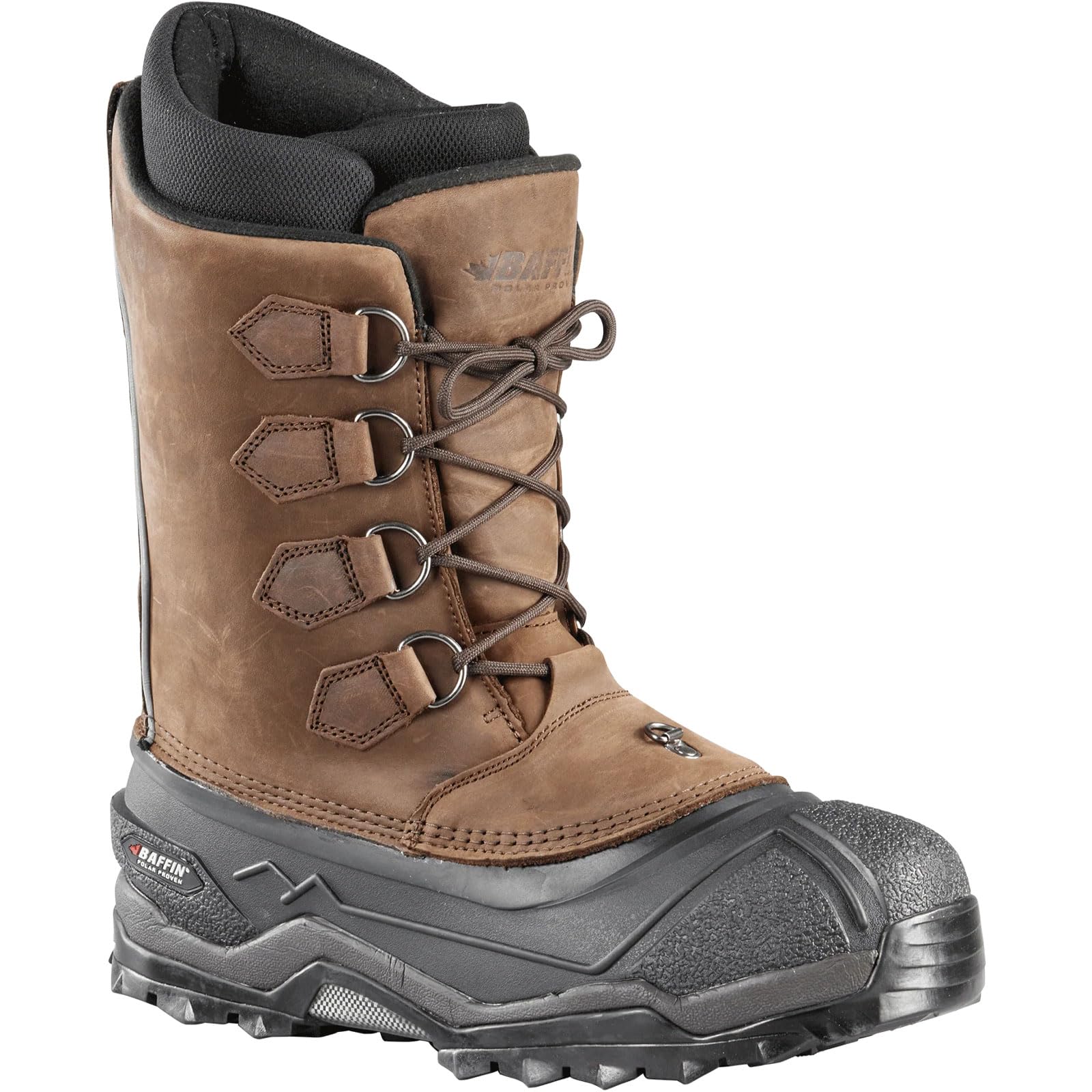
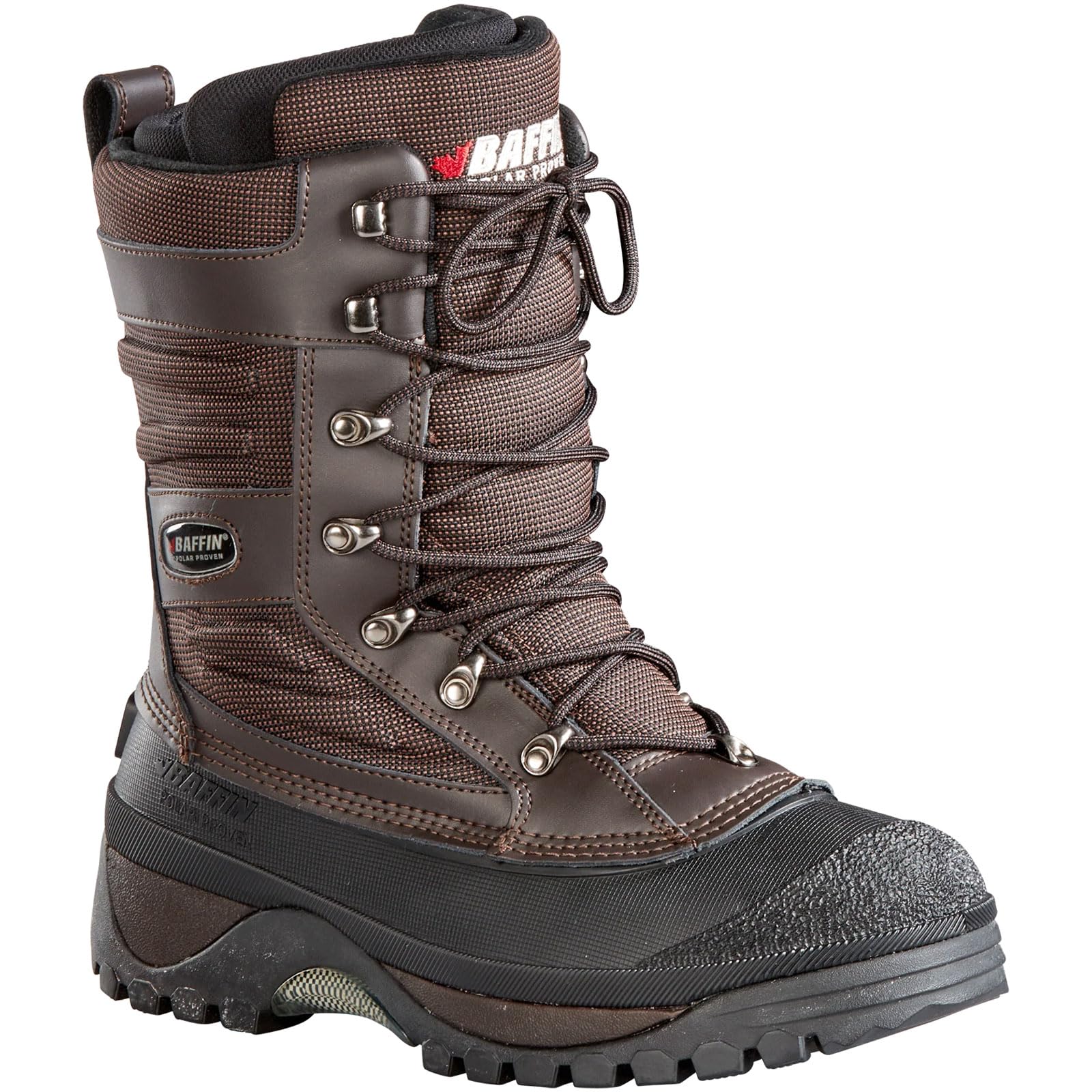

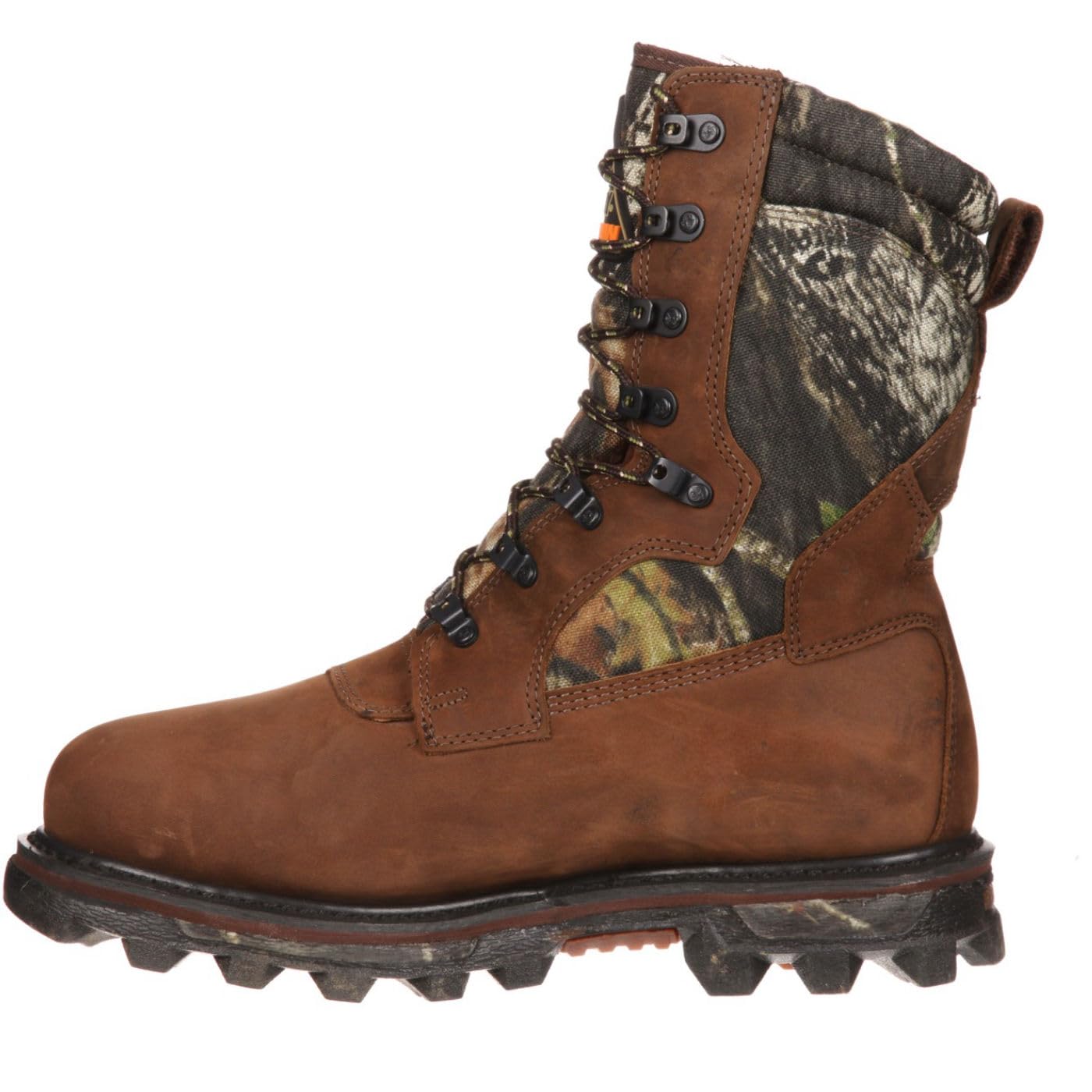
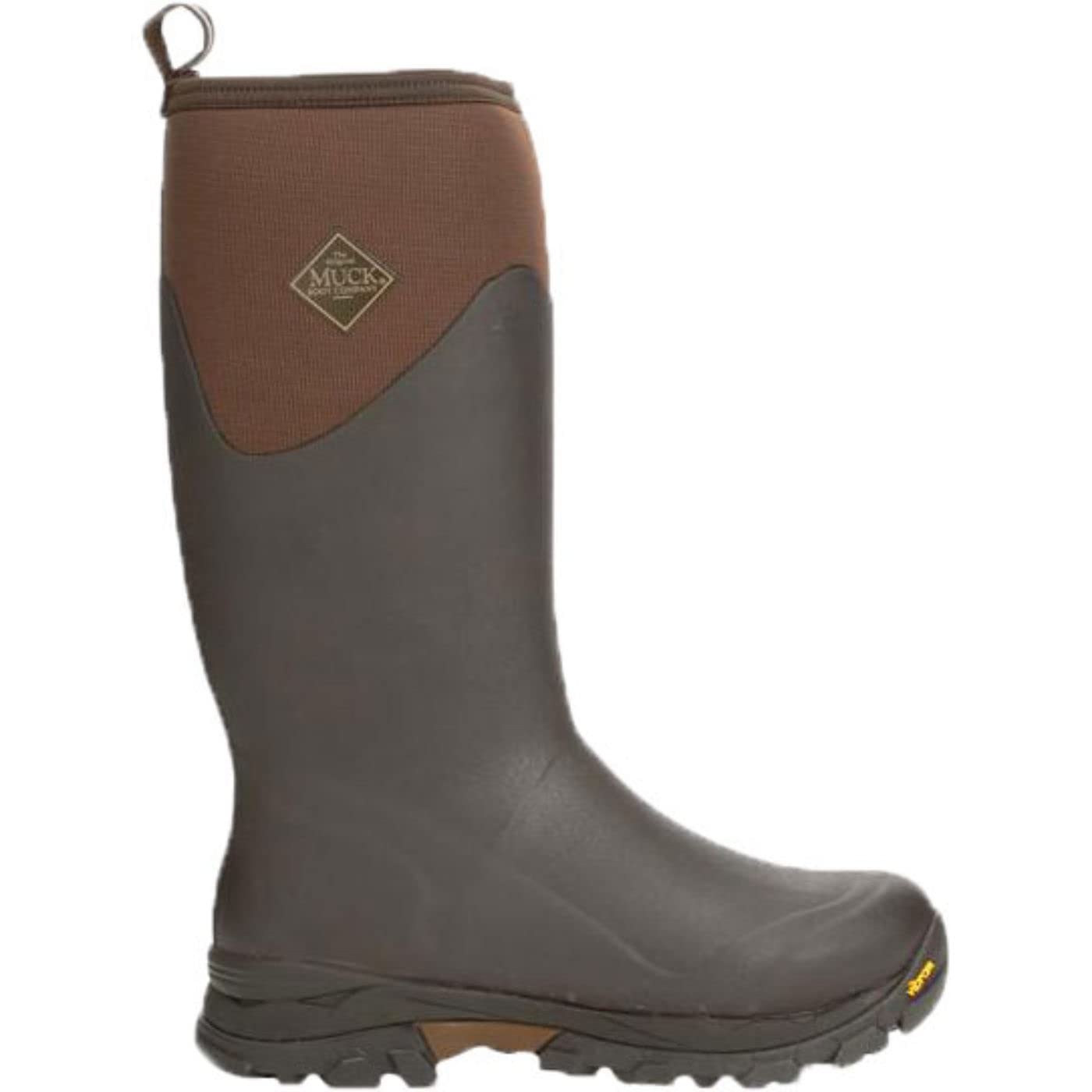

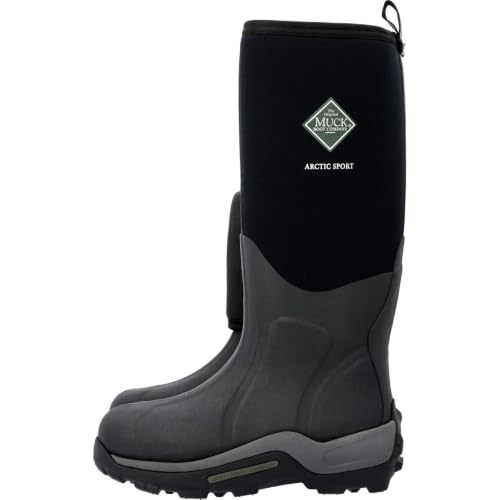

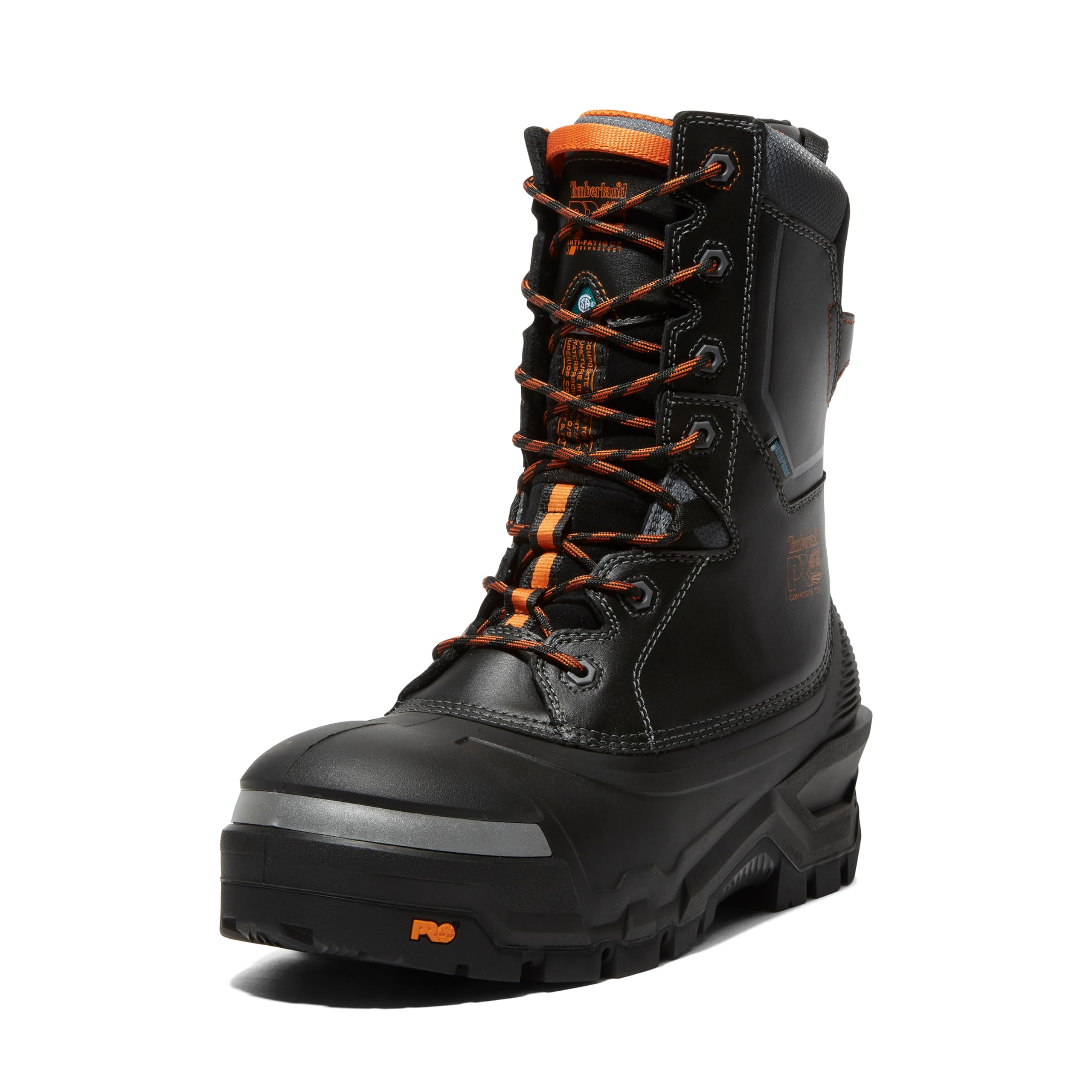
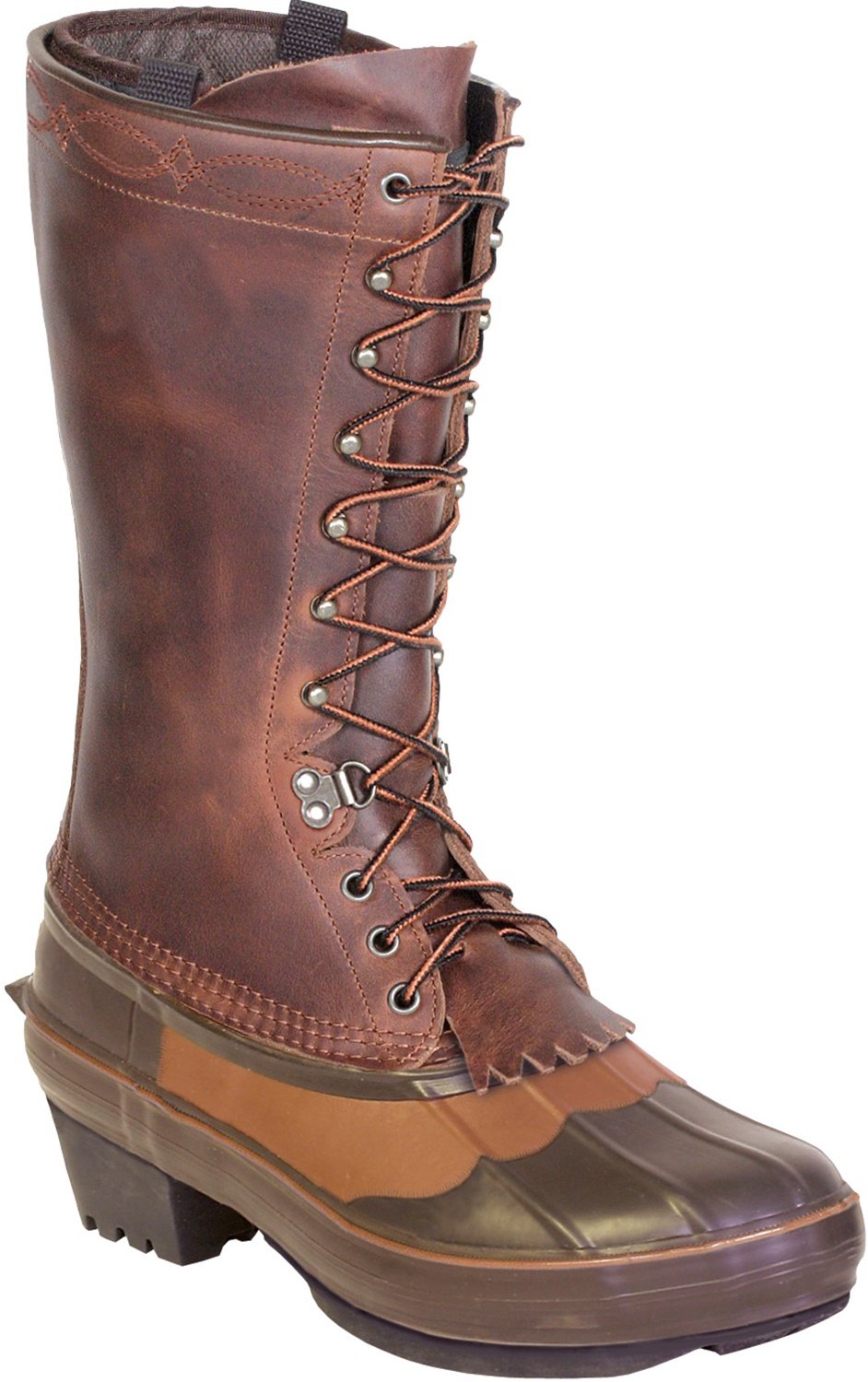
Arctic Winter Boots 101: The Basics for New Buyers
An arctic winter boot is a tall, heavily insulated, waterproof boot made for deep snow and severe cold. Most pairs use one of two builds. A pac boot pairs a rubber lower shell with a fabric or leather upper and a thick removable liner. A one piece insulated boot keeps the insulation fixed inside.
Temperature ratings are claims from each maker, not results from one shared test, so treat a rating as a rough guide rather than a promise. If your winters are milder, see our guide to the best winter boots for lighter options, our guide to the best boots men winter for everyday options for men, and our guide to the best ladies winter boots for everyday options for women.
Who Should Buy Which Arctic Winter Boots?
Your activity level decides how much insulation you need, because a moving body makes far more heat than a still one.
Outdoor Workers on Long Shifts in Severe Cold
You may spend a full shift on frozen ground with few chances to warm up. Choose a tall pac style boot with a thick removable liner, a rubber shell that sheds slush, and room for a heavy sock. Carry a spare liner so you can swap in a dry one each day.
Ice Fishers, Hunters and Others Who Stand Still
Standing on ice or sitting in a blind drains heat faster than walking does. Choose the warmest insulation class you can find and a thick sole that puts distance between your foot and the ice. Size up if needed so your toes can move, because still air around the toes helps keep them warm.
Active Travelers in Deep Snow
Snowshoe trips, winter camping and snowmobile days mix hard effort with cold stops. Choose a lighter insulated boot with a flexible sole and a secure lace fit so the boot moves with your foot on uneven snow. A very stiff and heavy pair will tire your legs on long climbs.
What the Ratings on Arctic Boots Really Mean
These six factors decide whether a pair of best arctic winter boots keeps you warm on your coldest day, so compare them in this order.
Insulation and Temperature Ratings
Insulation traps the heat your foot produces, and makers express it as a liner thickness, a gram weight, or a temperature rating. Ratings in this class often run from about minus 40 to minus 100 degrees Fahrenheit, but no shared standard sits behind those numbers. A still user should shop near the warm end of the range, while an active user can choose a moderate rating and avoid sweaty feet. When ratings tie, trust the thicker liner and sole.
Sizing for Thick Socks and Removable Liners
Fit for arctic use means room, not the snug feel of a street shoe. Measure your feet late in the day, wear your thickest winter socks for the fitting, and expect to go up half a size or a full size from your normal shoes. Your toes should wiggle freely and never press the front, because tight toes lose circulation and feel cold sooner. A wide toe box suits thick socks and long days best.
Waterproof Shells and Upper Materials
The lower part of the boot meets snow, slush and melt water all day, so a rubber shell or a fully sealed waterproof build protects you best. Uppers are usually leather or heavy nylon, chosen for strength in cold rather than airflow. Breathability is low in this class by design, so plan on drying the inside after each outing.
Traction on Packed Snow and Ice
The outsole is your only grip on surfaces that can turn slick without warning. Look for deep lugs that bite into packed snow and a rubber compound that stays flexible in severe cold, because hard rubber skates on ice. Wide lug spacing clears snow instead of packing it flat under your foot. No boot sole grips smooth ice fully, so keep your steps short on glare ice.
Shaft Height, Snow Cuffs and Closures
Shaft height decides how deep you can walk before snow enters over the top. Tall shafts of about 12 to 16 inches suit deep snow and drifts. A gusseted tongue and a drawstring snow cuff close the gap at the top. Choose laces for a tuned fit, and buckles or a wide pull loop if you must fasten the boot while wearing thick gloves.
Weight, Flex and Removable Liners
Arctic boots are heavy by nature, and many pairs weigh about 4 to 7 pounds together. Extra weight buys insulation and a thick sole, but it costs energy on every step, so active users should weigh warmth against distance. A removable liner is worth seeking out for multi day use, because you can dry it fully overnight and wash it when odor builds. Fixed insulation dries more slowly.
Getting Started: First Fit Checks and First Outings
Start indoors. Put on your winter socks, step into the boots, and walk on carpet for ten minutes. Your heel may lift slightly in a stiff pac boot, but your toes should never jam the front. Climb a few stairs to feel for pressure points before the tags come off.
Take your first real outing close to home and keep it short. Cold problems often show up after thirty minutes, not in the first five. If one spot rubs or one foot cools much faster than the other, adjust sock thickness and lace tension before you blame the boot size.
Rookie Mistakes to Avoid
Most returns in this category come from errors that are easy to dodge once you know them.
- Buying your normal shoe size leaves no room for thick socks, so your toes lose circulation and feel cold fast.
- Trusting a temperature rating as a guarantee leaves a still user underdressed, because ratings assume an activity level the maker chose.
- Wearing cotton socks traps sweat against your skin, so your feet chill once you stop moving.
- Choosing a short shaft for deep snow lets snow pour in over the top, so socks and insulation end up soaked.
- Judging warmth in a warm store misses how a boot behaves outside, so fit and flex are the only fair indoor tests.
Care and Maintenance for Arctic Winter Boots
Pull the liners out after every outing and let them air dry at room temperature, away from direct heat that can crack rubber and warp liner foam. Shake snow from the shafts and leave the boots open and upright. A boot that starts the day damp will feel cold no matter how strong its insulation is.
Brush dried mud and road salt from uppers and shells with a soft brush and plain water, then let the boots dry before storage. Check laces, buckle straps and shell seams each month, and store the pair in a cool dry place. Stop using a boot with a cracked shell, because melt water will reach the insulation through a small split.
Frequently Asked Questions
Are expensive arctic winter boots worth the higher price?
Expensive arctic winter boots can be worth it when the extra cost buys a thicker removable liner and a stronger rubber shell. Judge value by cost per season, since a well kept pair can serve for many winters. Skip paying extra for a colder printed rating if your coldest days never approach it, and put that money toward good socks instead.
How should arctic winter boots fit with thick winter socks?
Arctic winter boots should feel roomy with your thickest socks on, with space to wiggle every toe. Try both feet, because most people have one foot slightly longer, and size for the longer one. Step down from a low stair, and reject the pair if your toes strike the front. A fit that feels perfect in thin shop socks will feel tight in real winter socks.
Can I wear arctic winter boots all day in severe cold?
Yes, you can wear arctic winter boots all day if you manage moisture during the day. Feet sweat even in severe cold, and damp socks steal warmth by late afternoon. Pack a spare pair of dry socks and change at midday on long shifts. If you move indoors for an hour, loosen the laces so your feet do not overheat and sweat through the liner.
Do arctic winter boots need to be waterproof for deep snow?
Yes, arctic winter boots for deep snow need a waterproof lower build, because snow packed against the boot melts from body heat and works toward the insulation. Waterproofing alone is not enough, though. Snow that enters over the shaft bypasses every membrane, so add gaiters when drifts pass your knees. Check that the tongue is gusseted, since an open tongue is a common entry point for melt water.
How long is the break in period for arctic winter boots?
The break in period for arctic winter boots is usually short, often two or three outings of an hour or less. Stiff rubber shells soften only slightly, and the liner compresses a little to match your foot shape. Wear the boots around the house first, and use short early outings to spot rubbing at the heel or ankle. Pain that grows with each outing signals a fit problem, not a stage to push through.
Wrapping Up
For a first purchase, decide by activity level, insulation and fit with real winter socks, in that order. Still users need the warmest class and extra toe room, active users need less weight and a secure fit, and everyone needs a waterproof build with a tall enough shaft.
Compare your shortlist in the product table above, and choose the best arctic winter boots that match your coldest honest day rather than the coldest day you can imagine.


