
Best Arched Sandals in 2026: Which Type Is Right for You?
Disclosure: We may earn a commission when you buy through links on this page, at no extra cost to you. As an Amazon Associate I earn from qualifying purchases. Learn more

Four sandal types, from sport to cork footbed, compared on support, fit and price so you can choose the best arched sandals for your feet.
Walk into any shoe store in summer and you will face a wall of sandals that all claim to support your feet. Some genuinely do, with shaped footbeds that cradle the arch, while others are flat boards with good marketing. This guide compares the main types of the best arched sandals side by side, so you can match a style to your feet, your walking habits, and your budget.
The comparison table below shows the current options at a glance. After it, each sandal type gets an honest look at how it supports you, where it falls short, and who should choose it.


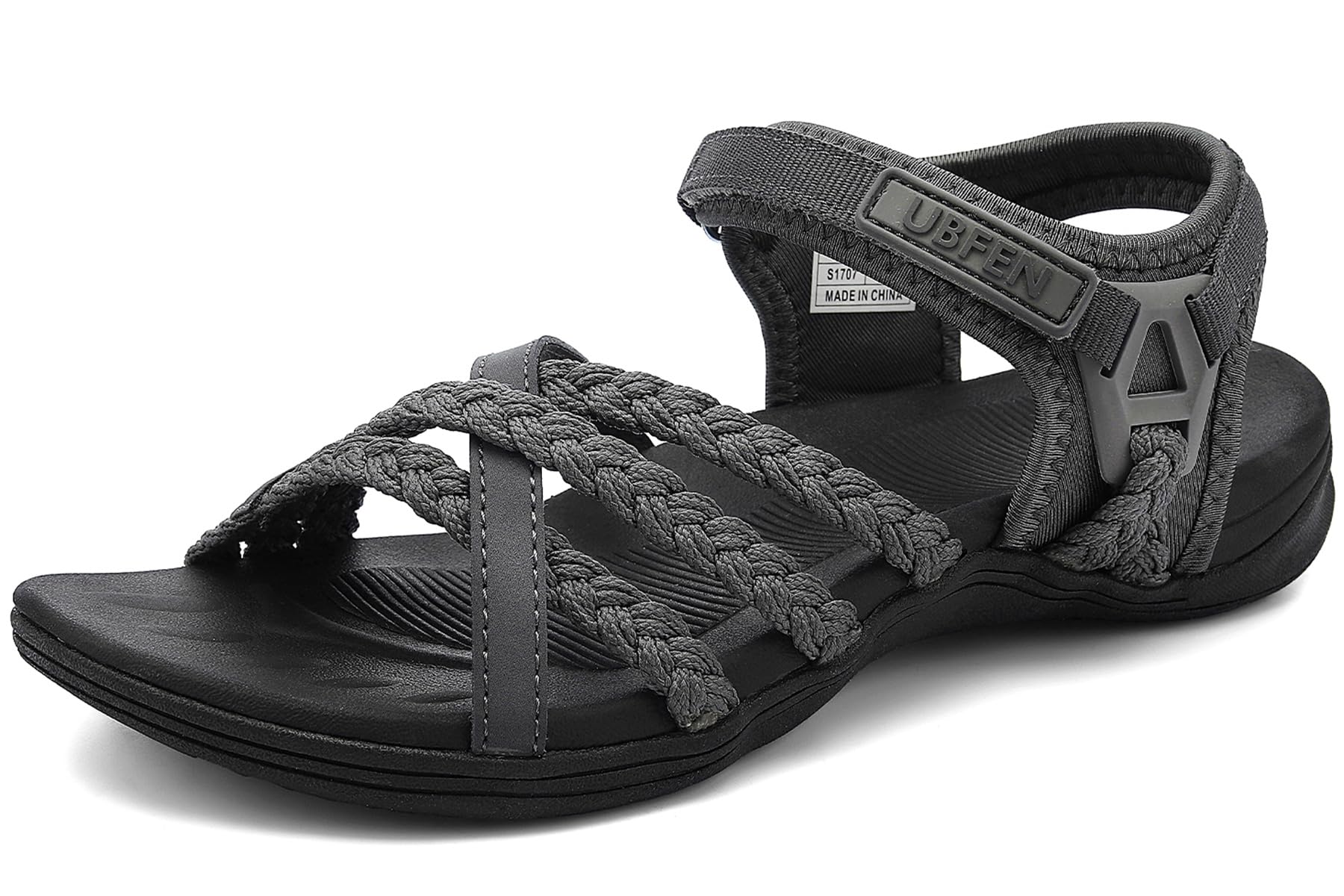


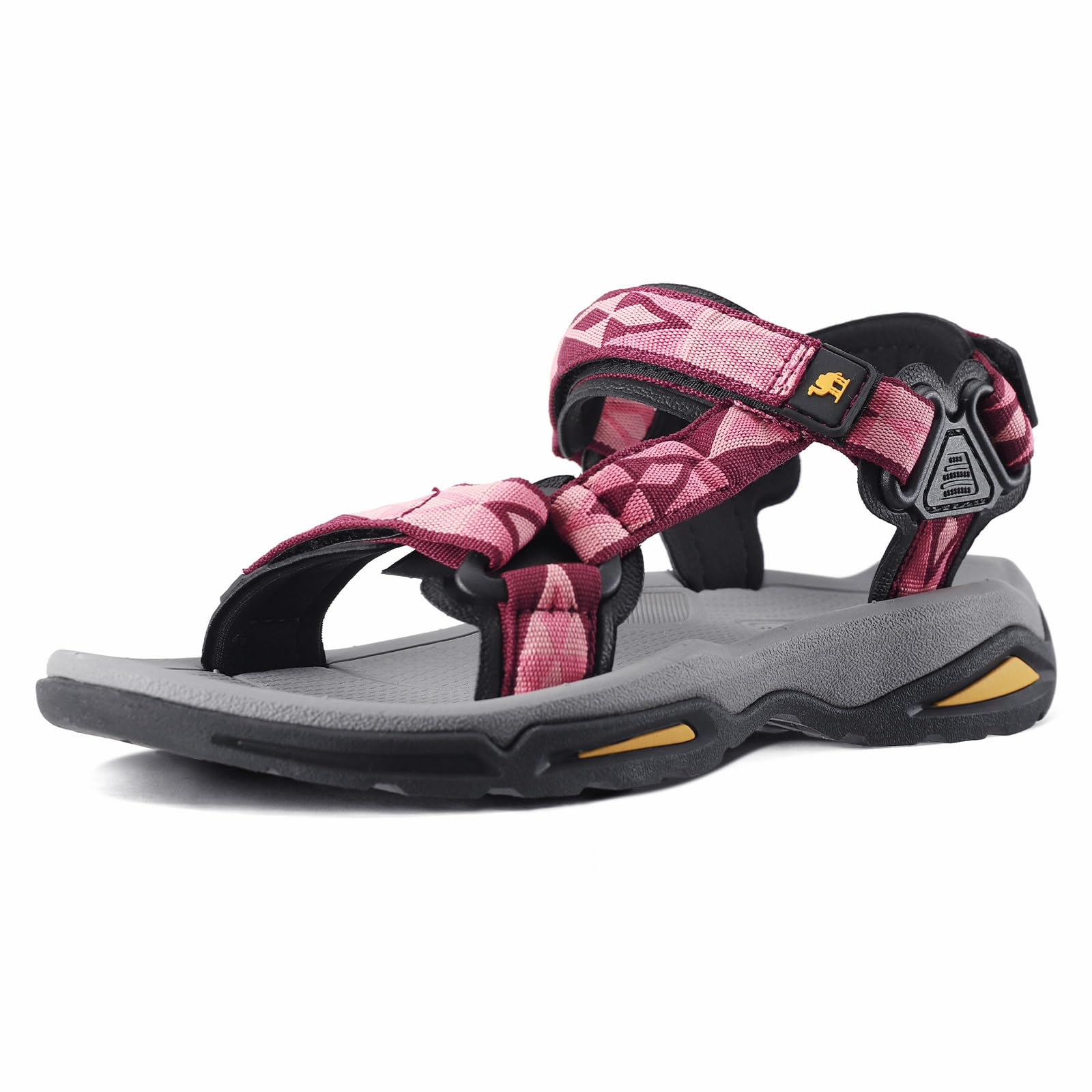
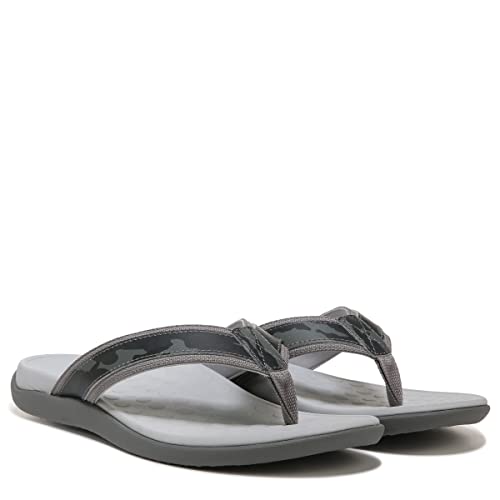

Types of Arched Sandals Compared
Four types cover nearly everything sold as a supportive sandal. They differ in footbed material, how the foot is held, and how much walking they can handle. Prices overlap, so let the type decision come before the price decision.
Sport Sandals With Structured Arches
Sport sandals use molded foam or rubber footbeds with a built in arch, a cupped heel, and adjustable straps that lock the foot to the footbed. That strap security is their big strength: an arch can only support a foot that stays in place on it. They handle long walks, travel days, and wet conditions well, and most cost about $60 to $110. The trade offs are looks and weight. They read as outdoor gear rather than dinner wear, and the structured footbed feels firm for the first few outings before it starts to feel natural.
Cork Footbed Sandals
Cork footbed sandals pair a deep heel cup and a pronounced arch with a material that slowly molds to your individual foot shape. After a break in period, the support feels personal in a way molded foam rarely matches. They suit daily wear, casual office settings, and people who stand on hard floors at home, and most cost about $90 to $150. Their weaknesses are water and time: cork dislikes soaking, darkens with moisture, and needs the straps adjusted as it shapes itself to you. Keep them dry and they reward you with years of service.
Cushioned Recovery Sandals
Recovery sandals use thick, soft foam with a gentle arch and often a rocker shaped sole. They are built for tired feet after runs, workouts, and long shifts, and they feel wonderful for short, easy wear around the house or after a race. Most cost about $40 to $80. The caution is that soft foam provides comfort more than true support: the arch is mild, the foot can roll on the tall stack, and they are a poor choice for long walks or for anyone who needs firm control of inward rolling. Think of them as rest equipment, not walking equipment.
Dress and Casual Sandals With Arch Support
This type hides a shaped footbed inside a sandal that looks like ordinary summer footwear, with leather or leather look straps and a slimmer profile. Support is usually moderate: a real arch and heel cup, but less depth and structure than the sport or cork types. Most cost about $70 to $130. Choose them when appearance matters and your walking is light to moderate, such as a commute, a workday with some standing, or an evening out. Readers comparing general summer styles can also browse our guide to the best rated sandals for a wider look at the category.
Sport Sandals vs Cork Footbed Sandals: Which Should You Choose?
These two types compete for the same buyers, so compare them directly. For walking distance, sport sandals win: straps hold the foot through miles, and the footbed tolerates sweat and rain. For standing and daily wear, cork often wins, because the footbed molds to your arch and spreads pressure evenly. For wet use, sport sandals are the only sensible pick of the two. For appearance, cork pairs with more outfits. On price, sport sandals usually cost less for similar support. If your summer means trails, travel, and water, choose sport. If it means errands, work, and long days on your feet, choose cork.
How to Choose the Right Arched Sandal
Type is the first decision, not the last. The five checks below apply to every type and will save you from the most common buying mistakes.
Water Resistance and Materials
Sandals do not use waterproof membranes the way boots do, and any sandal claiming membrane waterproofing deserves skepticism. What matters is how the materials handle water. Synthetic sport sandals shrug off rain, rivers, and hose downs. Leather straps and cork footbeds absorb water, dry slowly, and can crack or stain if soaked often. Match the sandal to your wettest realistic day: a beach and boat sandal should be fully synthetic, while a sandal for dry city summers can safely use leather and cork.
Weight and Flexibility
Sandals should bend at the toes and stay firm under the arch, the same rule as supportive shoes. A footbed that folds in the middle cannot hold an arch up under your weight. Weight varies more than people expect: cushioned recovery styles feel feather light, while cork and sport models carry real substance. For travel, a lighter sport sandal earns its place in a bag. For daily support at home, the heavier, firmer footbed usually does the better job, because structure is what you are paying for.
Fit, Sizing, and Toe Box
Measure your feet in the afternoon, when they are largest, and judge sandal fit on the footbed, not the strap. Your heel should sit inside the heel cup and your toes should not hang over the front edge or grip the footbed to stay on. Straps should hold the foot without pinching, and adjustable straps at both the toes and ankle give the best control. Men often need wider footbeds and longer sizes, and our guide to the best sandals for guys covers those fit patterns in more depth.
Durability and Expected Lifespan
A good arched sandal should last several summers. Foam footbeds compress over time, so expect molded sport styles to lose some support after about two to three seasons of heavy use. Cork footbeds last longer if kept dry, and their straps and buckles are usually repairable or replaceable. Check the outsole: thin, smooth soles wear slick and end the sandal life early. Rotating two pairs, even across types, rests the foam and cork and stretches the life of both noticeably.
Cushioning and Support
Cushioning and support are different jobs. Cushioning absorbs impact; support holds your arch in shape and controls how your foot rolls. Flat feet usually need firmer support and a deep heel cup, while high arches need a footbed that rises to meet them plus enough cushioning to spread pressure. Most arched sandals have a low heel to toe drop, which suits natural standing and walking. If arch pain is your main reason for shopping, our guide to the best sandals for plantar issues explains the support features that matter for sore heels and arches. Persistent pain, numbness, or swelling deserves a visit to a doctor or podiatrist rather than another purchase.
Care and Maintenance Tips
A few habits keep supportive sandals working longer. Air dry wet sandals away from direct heat and out of harsh sun, since heat warps foam and dries out cork and leather. Brush dirt and sand out of footbed grooves before it grinds into the material, and wipe footbeds down regularly, because a smooth layer of sweat and dust reduces the grip that keeps your foot over the arch. Rotate two pairs if you wear sandals daily. Store cork styles indoors in winter, and check straps and buckles at the start of each season so a failure does not surprise you on a trip.
Arched Sandals: Your Questions Answered
Are expensive arched sandals worth it?
Often yes, because the money buys footbed materials that hold their shape: cork that molds without collapsing and foams that stay supportive for seasons. Cheap arched sandals usually copy the shape in soft foam that flattens within weeks. One cost angle to consider is cost per summer: a $120 pair worn for four summers costs less per season than a $40 pair replaced every year, and your arches feel the difference every day of those summers.
How should arched sandals fit?
Your whole foot should sit on the footbed with the arch of the sandal under the arch of your foot, the heel inside the cup, and no toe overhang. A useful home test is the trace test: stand on paper, trace your foot, then set the sandal on the outline. If your tracing spills over the footbed edges anywhere, try the next size or a wider fit before judging the support.
How often should I replace my arched sandals?
Replace them when the footbed no longer holds its shape or the outsole wears smooth. Cork styles often last three to five summers with dry storage, while foam sport sandals may fade after two to three heavy seasons. Judge by feel as much as age: if your arches ache at the end of days that used to feel fine in the same pair, the support has likely compressed past its useful life.
How long is the break in period?
Cork footbeds take the longest, usually one to two weeks of gradually longer wear as the material molds to your feet, and wearing them all day on day one is a reliable way to get sore arches. Molded foam sport sandals feel right within a few outings. Recovery sandals need no break in at all. Start any new supportive sandal with short wears, because your feet need time to adapt to being held in a new position.
Do I need waterproof shoes?
You need water friendly sandals, not waterproof ones, if your summers involve beaches, boats, or sudden rain. Fully synthetic sport sandals drain and dry fast and keep their support when wet. Leather and cork styles are better saved for dry days, since repeated soaking shortens their life. If you can only own one pair and it will get wet weekly, choose the synthetic sport type and accept the casual look.
Can I wear them all day?
Yes, in the right type. Sport and cork sandals with firm footbeds handle full days of walking and standing for most people, and many wearers find them kinder than flat summer shoes. Recovery sandals are the exception: their soft, tall foam is built for short rest periods, not miles. Whichever type you choose, build up your wear time over the first week, and switch to closed supportive shoes if your feet start to fatigue late in the day.
Our Verdict
Decide the type first: sport for walking and water, cork for daily wear and standing, cushioned styles for rest, and dress styles when looks lead. Then check that the footbed stays firm under the arch and that your whole foot fits on it. The product table above gathers the current options so you can compare types and prices quickly. For most buyers, the best arched sandals are the pair whose support you forget about by midday because your feet simply feel fine. If foot pain continues in well fitted sandals, talk with your clinician about your personal needs.


