
Best Arch Support Slippers Womens: A Clear Buying Guide for 2026
Disclosure: We may earn a commission when you buy through links on this page, at no extra cost to you. As an Amazon Associate I earn from qualifying purchases. Learn more

A practical guide to the best arch support slippers womens wear at home, covering footbed shape, heel cup, grip and easy care.
Hard floors, a long day on your feet and a pair of flat, floppy slippers make a poor mix. The best arch support slippers womens shoppers can buy replace that flat pad with a shaped footbed, a firm heel cup and a sole that grips tile and hardwood. This guide explains what each of those parts does, so you can judge any pair on the features that matter at home.
The product table below lists current options with prices and ratings. The sections that follow cover slipper styles, fit, materials, grip and care, so you can narrow the table down to two or three pairs that suit your routine.
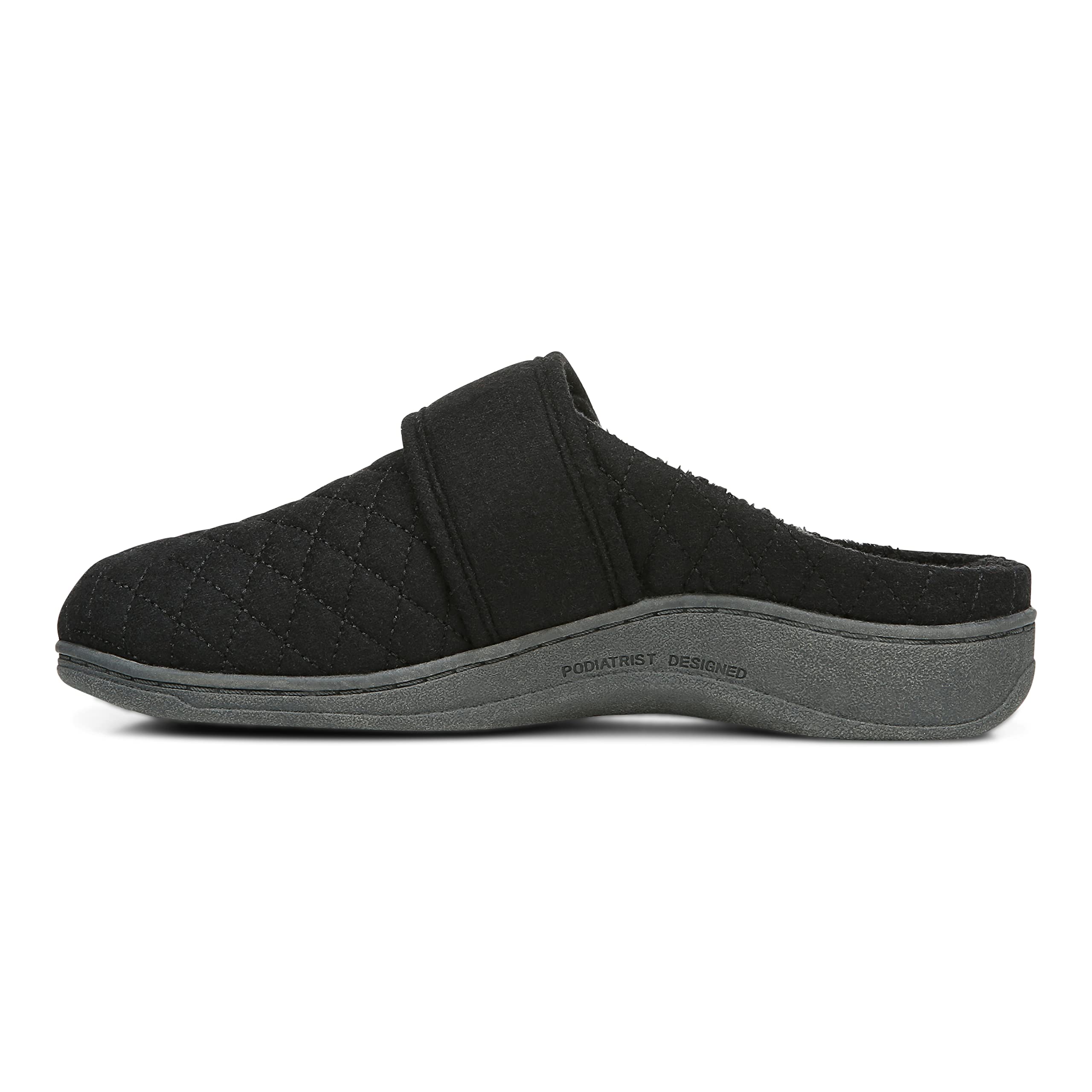
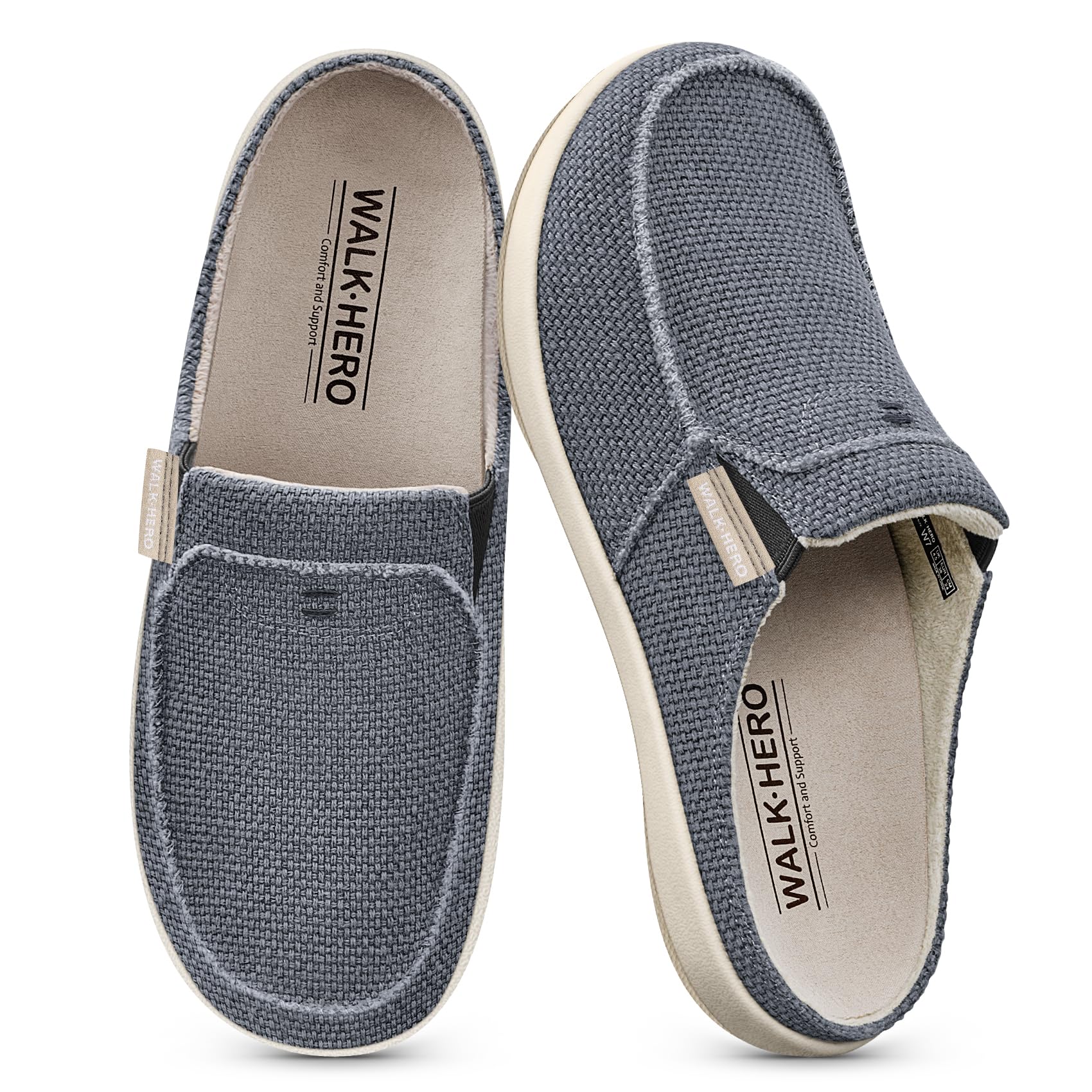


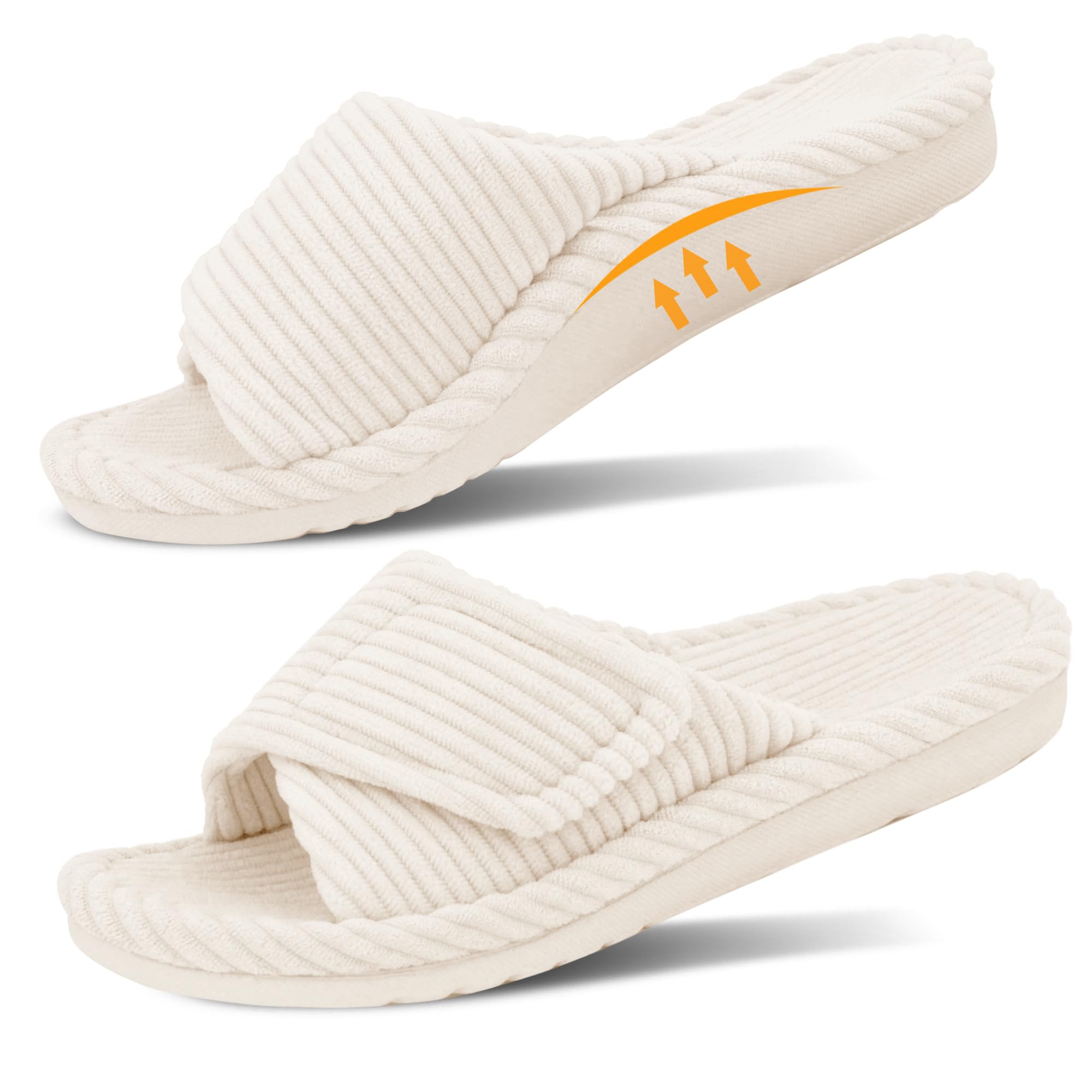
What Real Arch Support Looks Like in a Slipper
Many slippers claim support but only add a thin bump under the arch. A supportive slipper has a contoured footbed that rises under the arch, a deep heel cup that keeps the heel centered, and a midsole firm enough that it does not fold in half when you press the toe and heel together. Soft foam alone feels comfortable for ten minutes and flattens within weeks.
The Twist Check
Hold the slipper at the heel and toe and twist it gently. A pair that wrings out like a dishcloth gives your arch very little to rest on. A good pair resists twisting and bends only where your toes bend.
Cushion Versus Support
Cushioning absorbs impact, while support holds the arch in shape. Memory foam adds the first, and a molded footbed or a firm insert adds the second. The most comfortable slippers combine both, with a soft top layer over a structured base.
Best Arch Support Slippers Womens Styles Compared
Four styles cover most arch support slippers for women. Each handles warmth, ease of wear and support a little differently, so pick the style that matches how you actually use your slippers.
Clog and Mule Slippers
Backless clogs slip on without bending down and often have the deepest footbeds. They suit people who stand in the kitchen or pad around the house all day. The open back means the heel is held by the cup rather than a strap, so check that the heel does not slide out as you walk.
Slide and Sandal Style Slippers
Slides with an orthotic footbed are cooler in warm homes and easy to wipe clean. They work well for short trips to the mailbox or the garden. Choose a pair with a raised heel cup and an adjustable strap if you have a narrow or wide foot.
Closed-Back Moccasins and Booties
A closed back keeps the whole foot in place, which helps stability on stairs. These pairs usually have a warm fleece or wool lining, so they suit cold floors and winter mornings. Look for a removable insole if you ever want to swap in your own.
Indoor-Outdoor Slippers
A thicker rubber outsole lets you step onto a porch or take out the trash without changing shoes. The extra sole adds weight, so confirm the pair still flexes at the toes.
Fit and Sizing
Most arch support slippers fit best when the arch of the slipper sits under the arch of your foot. If the bump lands too far forward or back, it presses on the wrong spot and feels worse than a flat slipper. Stand in the pair and feel for support along the inside edge of your foot.
Many brands run small or use half sizes in pairs, so read the size chart rather than relying on your usual size. Leave a little room at the toes, and choose a wide width if your foot spreads when you stand. If you wear socks with your slippers, try the pair with socks on.
Materials, Warmth and Washing
Fleece and sherpa linings feel warm but can get hot in a heated home. Wool felt breathes better and resists odor. Cotton and terry cloth stay cooler and suit warmer climates.
Washing instructions matter more than people expect. Slippers wear on bare or sock feet every day, and sweat builds up in the footbed. A pair you can wipe down or machine wash on a gentle cycle will stay fresh longer. Always follow the maker's care label, and air dry the pair rather than using a hot dryer, which can shrink foam and loosen glue.
Grip and Safety Indoors
A slippery sole turns a comfortable slipper into a fall risk, especially on tile, hardwood and stairs. Look for a rubber or textured outsole rather than smooth fabric or thin felt. A rigid heel counter and a secure strap also help the slipper stay on the foot. Replace any pair with worn-smooth treads, even if the top still looks fine.
Which Slippers Suit Which Routine
- Standing in the kitchen for long stretches: a clog with a deep heel cup and thick footbed.
- Cold floors and winter mornings: a closed-back moccasin or bootie with a wool or fleece lining.
- Warm climates or hot sleepers: a slide with a cork or molded footbed and an adjustable strap.
- Quick trips outside: an indoor-outdoor slipper with a rubber outsole.
- Wide or swollen feet: an adjustable strap and a roomier toe box.
Common Mistakes to Avoid
- Buying on softness alone, which usually means little structure under the arch.
- Choosing the wrong size because the slipper looked roomy in the photos.
- Ignoring the sole, then slipping on a smooth floor.
- Wearing the same worn pair for years after the footbed has flattened.
- Expecting slippers to solve ongoing foot pain. Talk with your doctor or a podiatrist if pain, swelling or numbness continues, since slippers give comfort but do not treat medical problems.
Caring for Your Slippers
Air the pair out after wearing it, and let it dry fully before the next use. Shake out grit from the sole, and vacuum the footbed now and then. Rotate two pairs if you wear slippers all day, which lets the foam spring back between wears. Plan to replace the pair when the arch feels flat under your hand or the lining has worn thin.
Frequently Asked Questions
Do arch support slippers feel different from regular slippers?
Yes. You may notice a firmer feel under the arch at first, because the footbed holds your foot in a shaped position. Most people adjust within a few days, and a pair that still pinches after a week is probably the wrong size or style.
Can I wear arch support slippers outdoors?
Only if they have a durable outsole made for it. Slippers with soft foam or felt soles wear through quickly on pavement and get wet easily. An indoor-outdoor style is a better choice for porches and short walks.
How do I know the arch is in the right place?
Stand in the slipper and slide a finger along the inside edge of your foot. You should feel gentle contact under the arch, not a hard ridge under the ball or heel. If the bump sits too far forward, try another size or style.
How long do arch support slippers last?
Most pairs last six months to two years, depending on how often you wear them. Replace them when the footbed compresses, the sole loses grip or the lining packs down.
Are men's and women's slippers different?
Women's slippers are usually built on a narrower last with a smaller heel cup. If you have a wide foot, a unisex or men's size can also work, but check the size chart carefully.
The Bottom Line
Pick the slipper style that matches your day, check that the arch sits where your arch is, and make sure the sole grips your floors. Use the product table above to compare prices and ratings, and choose one of the best arch support slippers womens shoppers rate well that you will actually wear daily. Comfort that lasts comes from structure and fit, not just soft foam.
Related reading: best house slippers with arch support and best women's slippers.


