Best Arch and Heel Support Shoes: A Buying Guide for 2026
Disclosure: We may earn a commission when you buy through links on this page, at no extra cost to you. As an Amazon Associate I earn from qualifying purchases. Learn more

Find arch and heel support shoes for comfort and stability, with fit checks, cushioning guidance, and clinician advice for persistent foot pain.
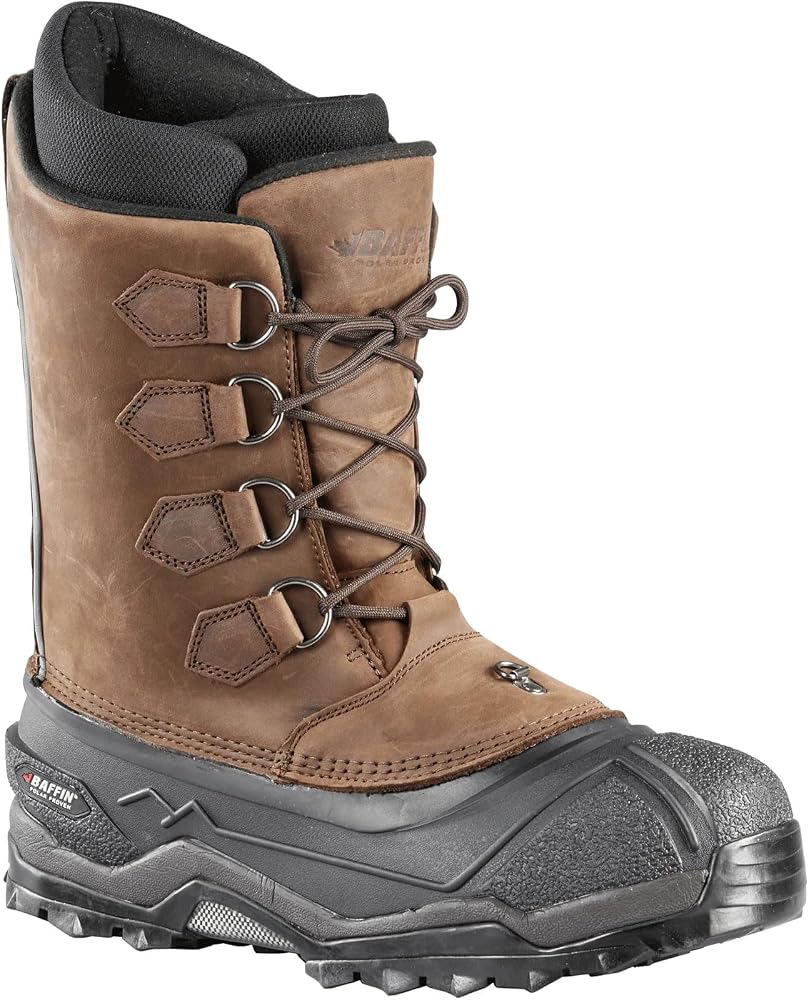
Choosing the best arch and heel support shoes means looking at how a shoe holds the whole foot, because arch support alone cannot help if the heel slips, the toe box squeezes, or the cushioning collapses after a few weeks. Good support shoes combine a stable heel cup, a contoured footbed, and a midsole that resists rolling inward or outward. The comparison table below can help you compare support features, cushioning, and fit options.
Foot shape matters as much as brand, since high arches, flat feet, and neutral feet need different levels of support and flexibility. A shoe that feels firm in a shop may feel harsh after a long walk, while a very soft shoe may feel comfortable at first and then fail to control movement. Test shoes with the socks and insoles you normally use.
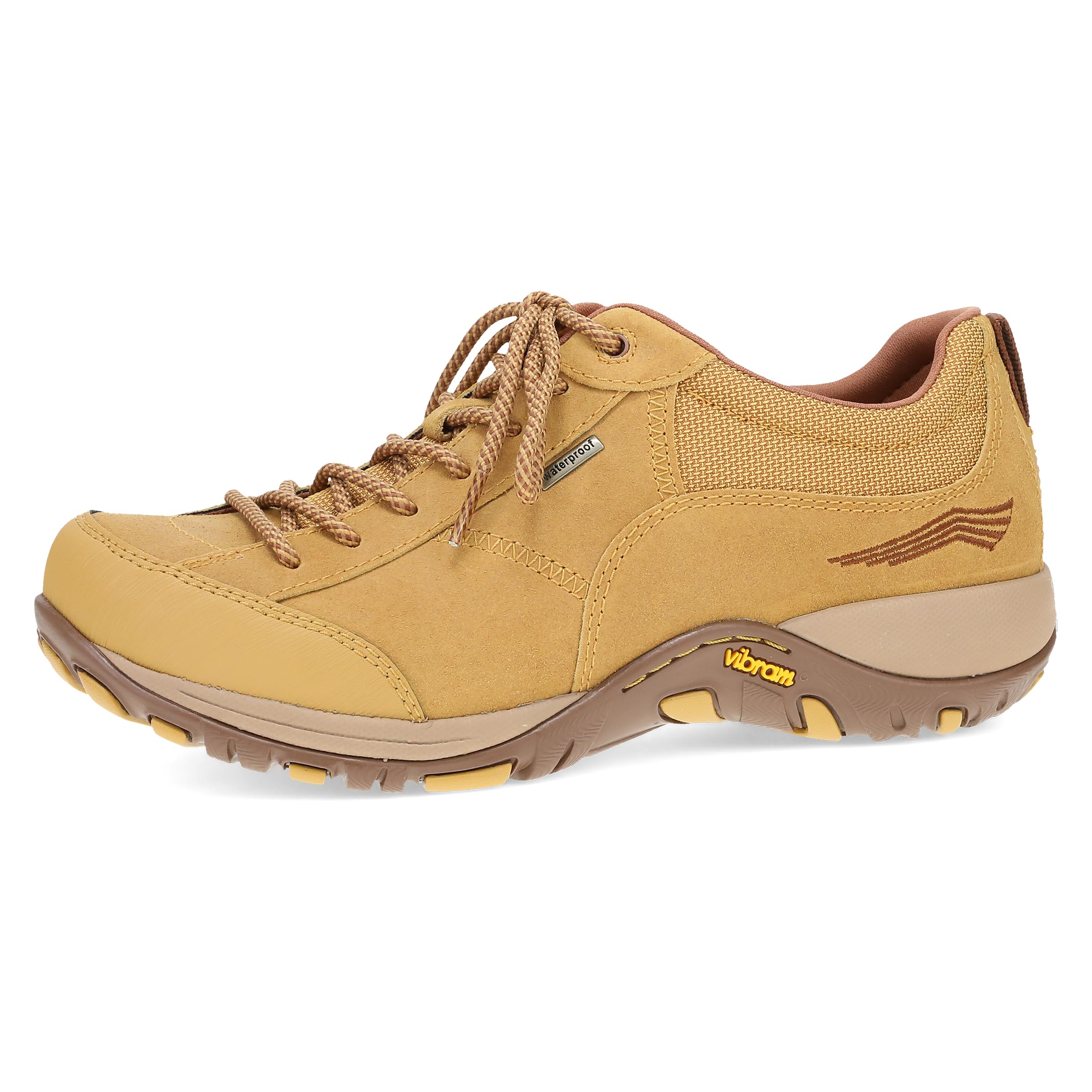


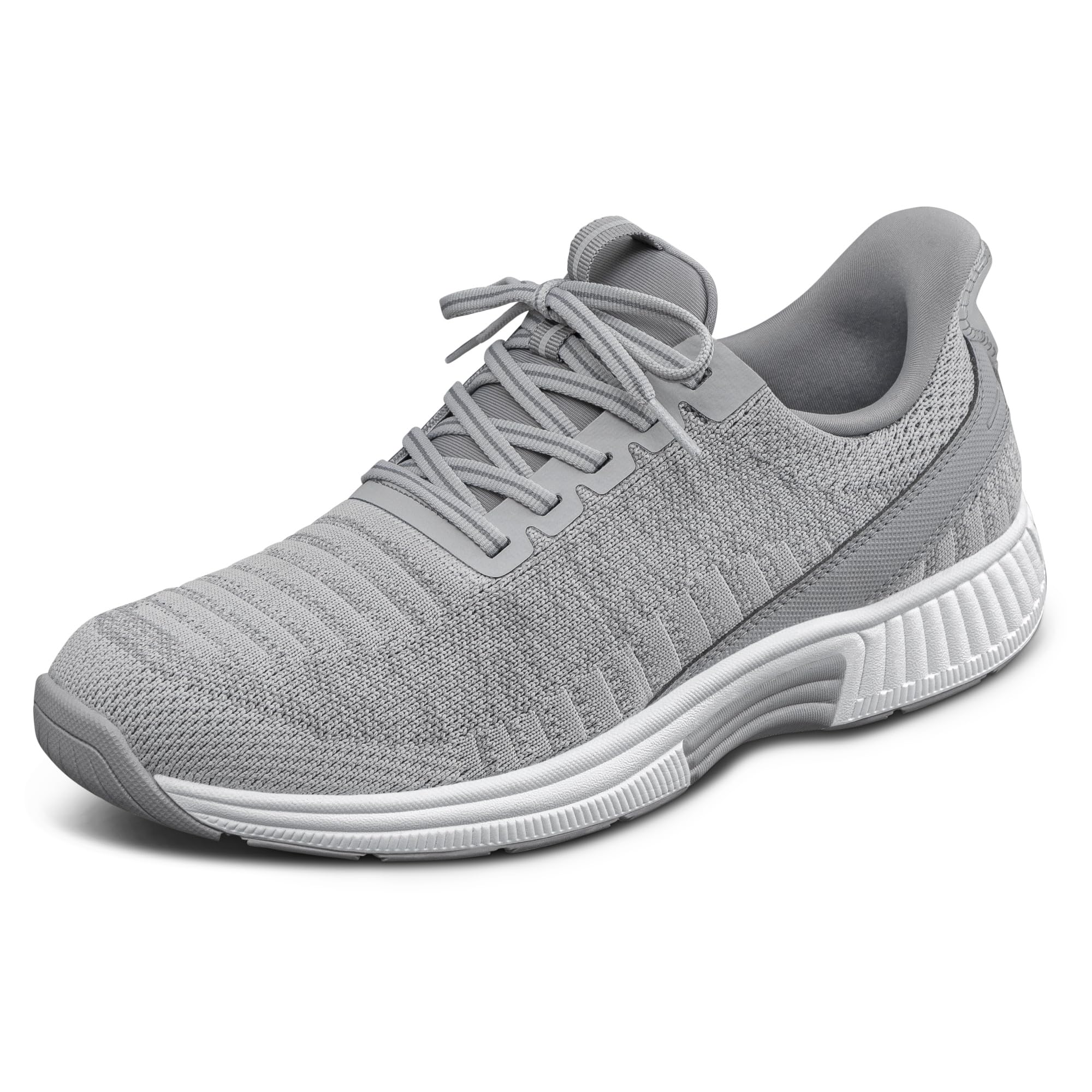

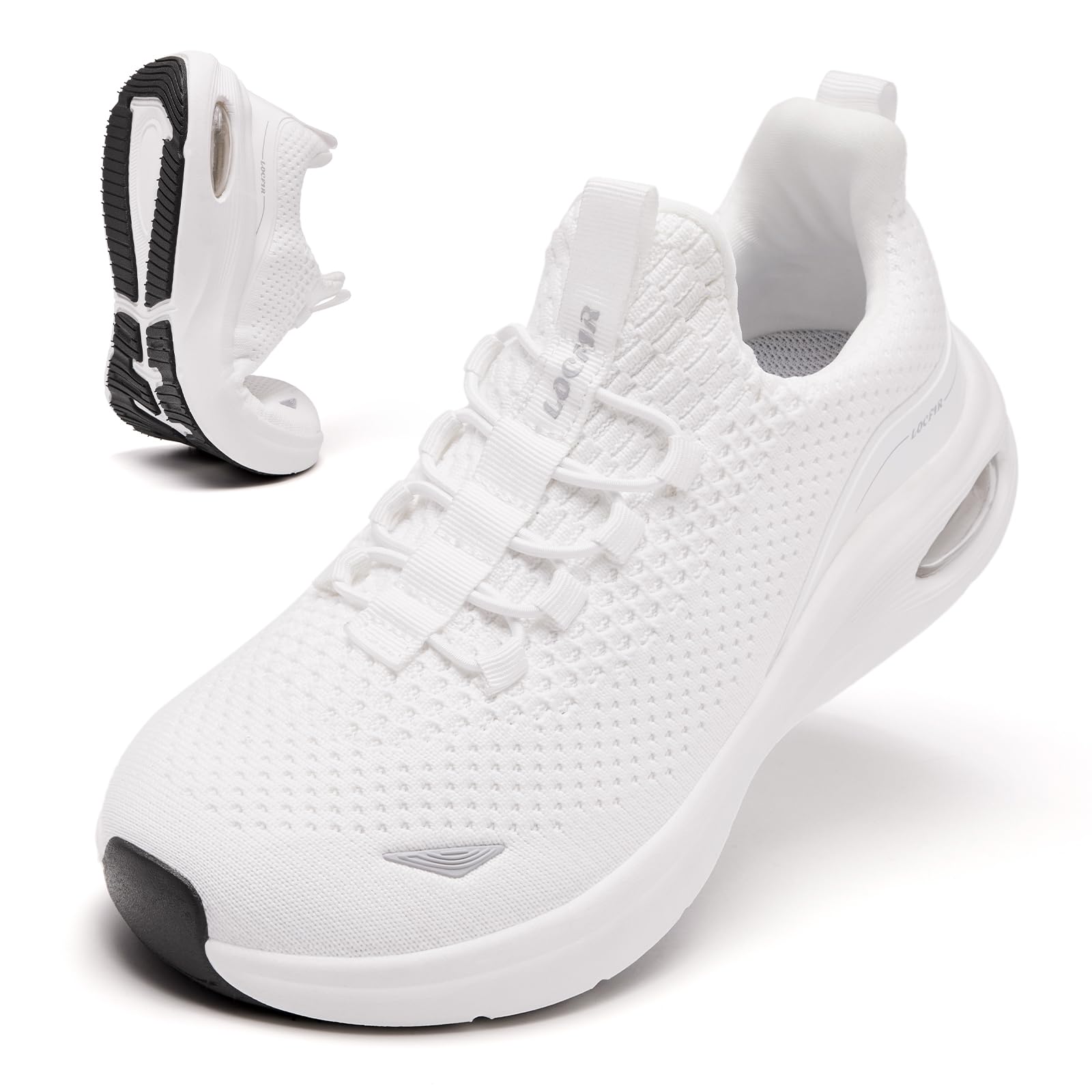
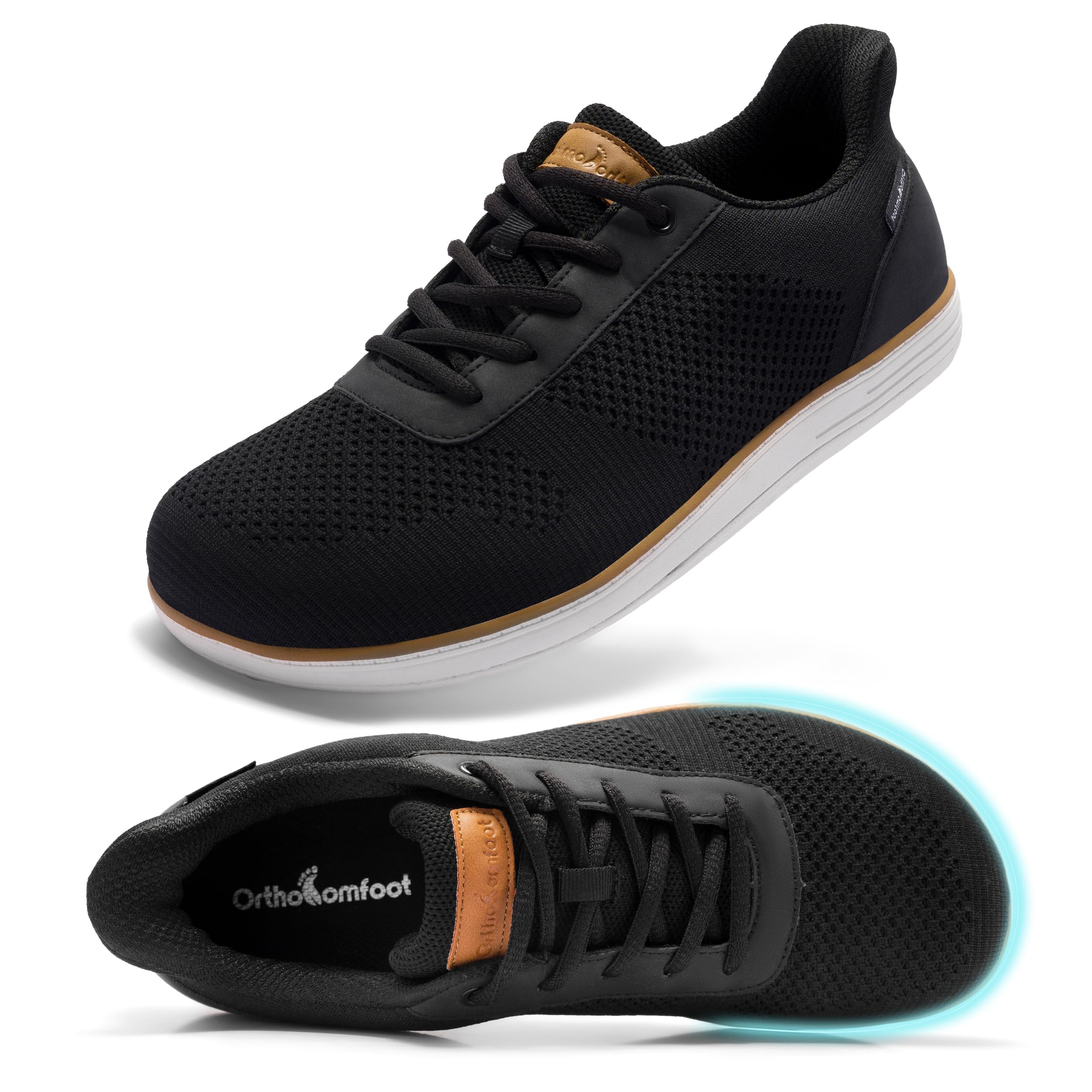
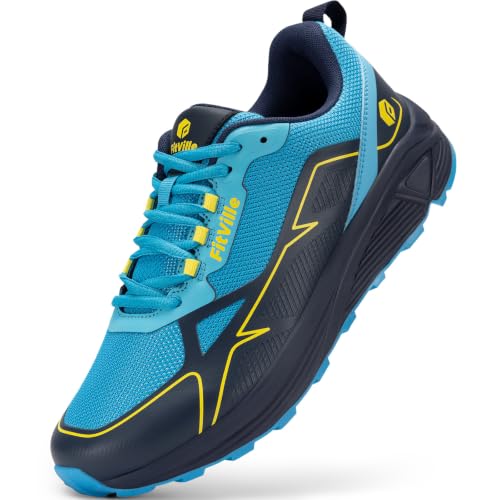

Who Should Buy
These shoes suit people with arch ache, heel pain, plantar fasciitis, flat feet, or jobs that involve long hours standing and walking, when support and cushioning reduce daily strain. They also suit walkers, nurses, teachers, and retail workers who need stable comfort rather than racing speed or fashion alone.
They are less suitable as a medical treatment on their own, and anyone with persistent pain, swelling, numbness, diabetes, or a foot injury should seek clinician or podiatrist advice before relying on shoes. Support shoes help many people, but they cannot replace assessment, stretching guidance, or custom orthotics where those are needed.
Key Features to Compare
Support is a system, so check each part of the shoe rather than one feature alone.
- A firm heel counter that holds the heel straight without rubbing or slipping.
- A contoured footbed that matches your arch height and does not create pressure points.
- A stable midsole that resists excessive rolling while still allowing natural movement.
- A roomy toe box that lets toes spread, especially for bunions or wide feet.
- A durable outsole with grip suited to your surfaces, from pavements to workplace floors.
Also check removable insoles, because many support shoes allow custom orthotics to replace the factory footbed without making the shoe tight. Look at weight, breathability, and closure type, since laces usually adjust better than slip on designs for swollen feet or changing fit through the day. Try both shoes and walk on hard floors, not only carpet.
Types Compared
Supportive walking shoes suit daily use, travel, and long standing, with cushioning, stability, and grip balanced for pavements and indoor floors. They are versatile and easy to wear, yet they may lack the lateral support needed for court sports or the rugged grip needed for trails. Choose them for everyday comfort and steady walking.
Running shoes with support suit active walkers and runners who need cushioning plus motion control (see our guide to the best running shoes for arch support), especially for overpronation or flat feet. They often feel lighter and more cushioned than walking shoes, but some models prioritise speed over stability, so check stability features rather than assuming every running shoe supports well. Replace them when cushioning feels flat.
Work and dress support shoes suit people who need support in formal or uniform settings, where trainers are not appropriate. They combine leather or smart uppers with supportive footbeds, yet they may need a break in period and can feel heavier than trainers. Check workplace safety rules, slip resistance, and comfort over a full shift before committing.
Living With Your Choice
Break new support shoes in gradually, starting with short walks and increasing time over several days, so feet, arches, and heels adapt without blistering or soreness. Rotate two pairs where possible, since rotation lets cushioning recover and reduces odour, and it also reveals whether one pair supports better than the other. Replace shoes when the heel tilts, the midsole creases deeply, or support feels uneven.
Pair support shoes with socks that fit well and do not bunch, because thick seams or loose socks can create pressure and blisters even in a good shoe. If you use orthotics, fit them in the shoe before buying, and check that the toe box still allows toe movement. Keep shoes clean and dry, since damp cushioning breaks down faster and can cause skin problems.
Track pain patterns in a simple diary, noting when pain appears, which shoes you wore, and how long you stood or walked. That record helps a clinician or podiatrist judge whether support, stretching, rest, or a different shoe type is needed. Do not push through sharp, swelling, or worsening pain in the hope that a shoe will fix it alone.
Mistakes to Avoid
A common mistake is buying a soft, heavily cushioned shoe and assuming softness means support, when a soft midsole can collapse and allow the arch to drop. Another mistake is choosing a size based on fashion shoes, since support shoes often fit differently and need thumb width space at the toes. Measure both feet late in the day when feet are slightly larger.
Another error is wearing support shoes only for exercise while spending the rest of the day in flat, unsupportive footwear, which can undo much of the benefit. A further error is ignoring worn outsoles or tilted heels, since a broken down shoe can change gait and increase knee, hip, or back strain over time.
A Final Check Before You Order
Before you order, check arch height, heel stability, toe room, removable insoles, and outsole grip against your daily surfaces and work needs. Try shoes with your usual socks and orthotics, walk on hard floors, and confirm return policies so you can test them at home over several days.
The product table above can help you compare support features side by side, but fit and comfort over a full day matter most. Choose shoes that hold heel and arch steadily without pressure, and seek clinician advice for persistent or worsening foot pain.
Comparing Options in More Detail
Workplace floors change support needs, because a shoe that feels perfect on carpet may feel harsh on concrete, slippery on polished tile, or unstable on wet surfaces. If your job moves between warehouses, offices, and outdoor yards, look for outsoles and cushioning that handle the hardest floor you face daily, not just the most comfortable one. A shoe tried only indoors may disappoint on the first outdoor shift.
Children and teenagers with arch or heel pain need different advice from adults, since growing feet, sports load, and growth related heel pain respond to rest, stretching, and professional assessment rather than simply firmer shoes. Parents should seek clinician guidance for persistent heel pain in young athletes, especially when pain affects walking, running, or school sport. Adult support shoes are not automatically suitable for growing feet.
Frequently Asked Questions
Do arch support shoes help heel pain?
They can help many people by reducing strain on the arch and heel, especially when heel pain comes from plantar fasciitis or flat feet, yet they are not a cure on their own. Stretching, rest, weight care, and clinician guidance often matter alongside footwear, and custom orthotics may help when ready made support is not enough. Seek prompt advice for severe, sudden, or worsening pain.
Should I choose soft or firm support?
Firm, stable support usually helps arch and heel problems better than very soft cushioning, because firm midsoles resist rolling and hold the foot in a steadier position. A small amount of cushioning still matters for comfort, especially for long standing, so look for stable cushioning rather than a marshmallow feel. Try shoes and judge support after walking, not only after standing still.
Can I use custom orthotics in support shoes?
Yes, many support shoes have removable footbeds designed for custom orthotics, but you should fit the orthotic before buying to check toe room and heel hold. A shoe that fits well without an orthotic may feel tight with one, so bring orthotics to fittings or check sizing guidance carefully. A podiatrist can advise whether a ready made or custom device suits your feet better.
How long do support shoes last?
Most support shoes last several months of daily use, depending on weight, surfaces, mileage, and cushioning quality, with running shoes often needing replacement sooner than walking shoes. Replace them when cushioning feels flat, heels tilt, outsoles wear unevenly, or pain returns after a pain free period. Rotation and proper drying can extend life, but worn support should not be stretched.
What if support shoes make pain worse?
Stop and reassess, because worsening pain, new numbness, swelling, or blistering may mean the fit, arch height, or stability level is wrong for your feet. Try a different width, arch profile, or closure, and seek clinician or podiatrist advice if pain persists, especially with diabetes, circulation problems, or a history of foot injury. Early advice prevents small fit problems becoming lasting injuries.
Final Thoughts
In short, the right choice for best arch and heel support shoes is a stable, well fitting shoe that supports arch and heel together without pressure or slipping. Test fit over a full day, rotate pairs, replace worn shoes promptly, and talk with a clinician if pain persists, worsens, or appears with swelling or numbness.