
Best Arc Floor Lamp (2026): Size, Features and Buying Tips
Disclosure: We may earn a commission when you buy through links on this page, at no extra cost to you. As an Amazon Associate I earn from qualifying purchases. Learn more

What matters when choosing the best arc floor lamp: size, features, budget and the mistakes to avoid.
An arc lamp solves a placement problem that straight lamps cannot. The base sits beside your sofa or in a corner, while the curved stem carries light out over the seat, table, or bed. Choosing the best arc floor lamp comes down to reach, base weight, brightness, and how the shade aims light in your room. If you are comparing lamp styles in general, start with our guide to the best floor lamp options, then come back here for arc specific guidance.
This guide compares arc lamp types by brightness, style and finish, and how each one installs and fits, so you can match the lamp to your space before you order. The comparison table below sums up the main types side by side.

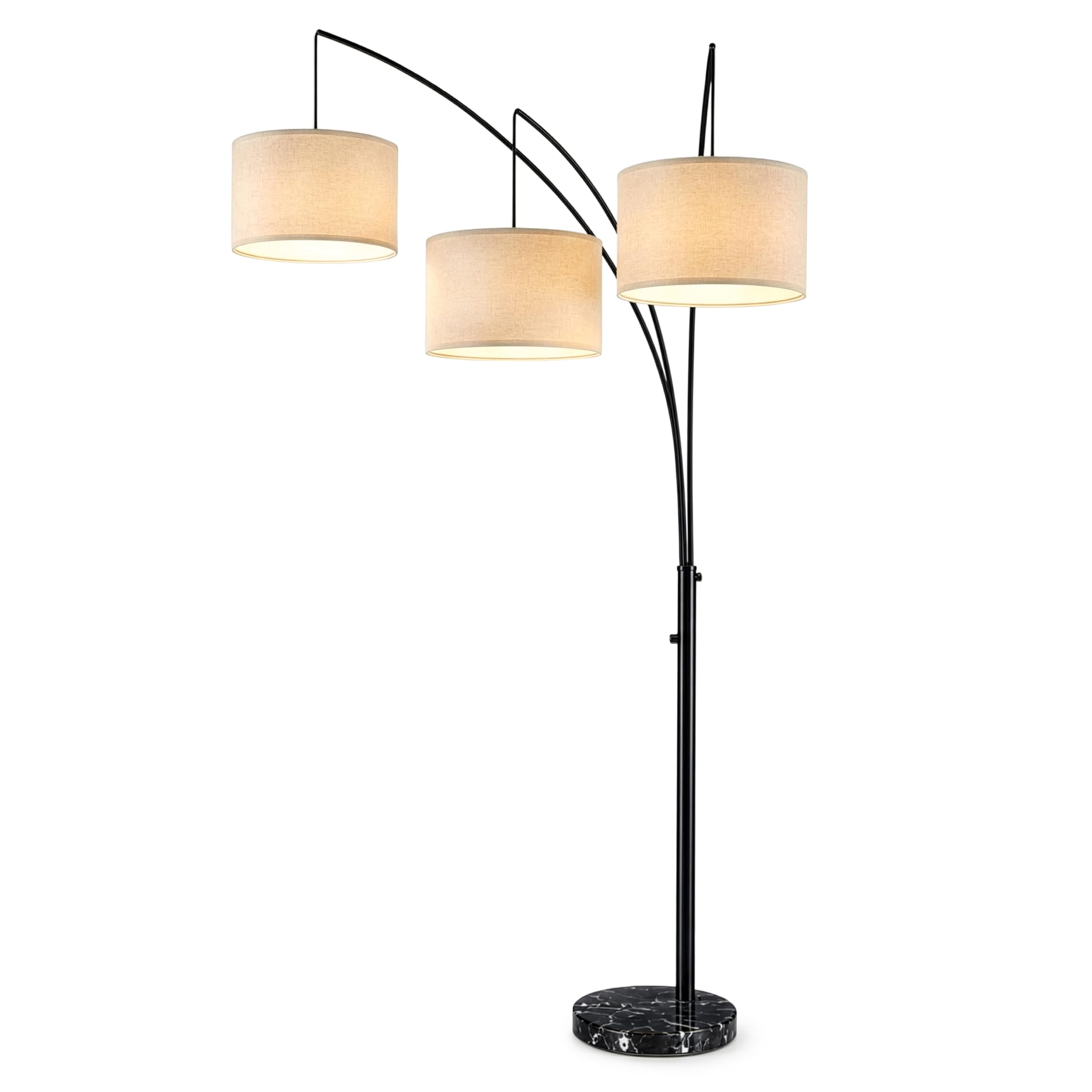


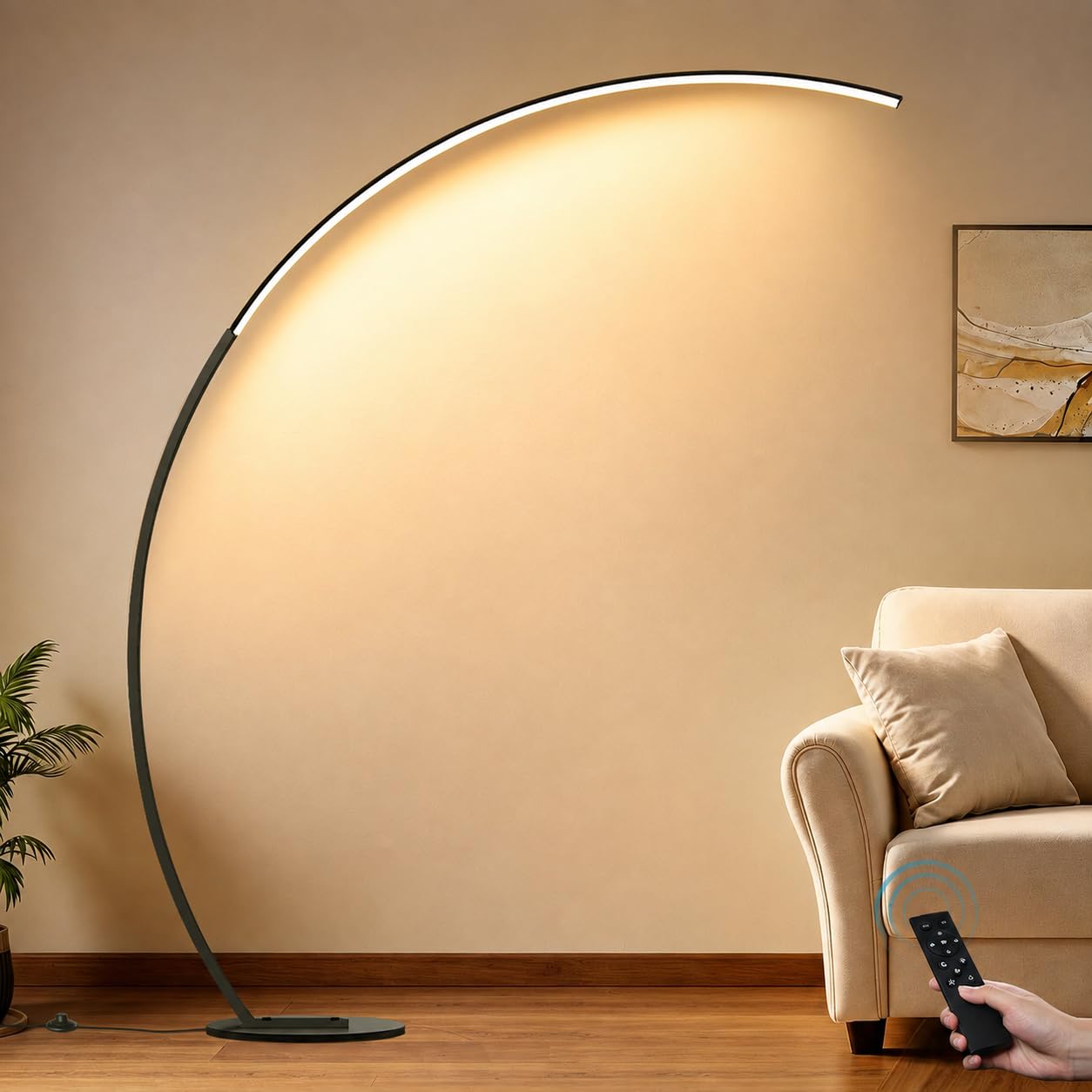
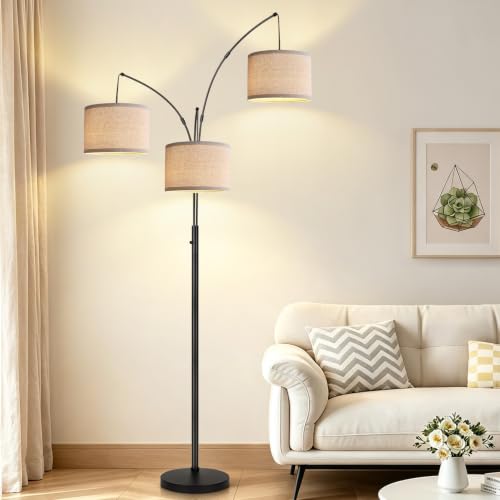

Arc Lamp Types Compared
Arc lamps fall into three broad types. The right one depends on how far the light needs to reach and whether you want one pool of light or several.
Classic Single Arc Lamps
A classic single arc has one curved stem, one shade, and a heavy base, usually marble or steel. It suits a reading chair or one end of a sofa, where a single pool of light is enough. Because all of the weight leans to one side, base weight matters more here than on any other type. Look for a base that feels solid and a stem joint you can tighten. Finishes range from brushed nickel to matte black, so matching existing hardware is usually easy.
Multi Arm Arc Lamps
A multi arm arc splits into two or three curved arms, each with its own shade, so one lamp can light a whole seating group. This type suits open plan living areas where a single shade would leave the far chairs dim. The trade off is size. The arms spread wide, need clearance above and to the sides, and make the lamp harder to move. Check whether each arm switches on its own, since that lets you light only the seat in use.
Arc Lamps With Integrated LED
Some arc lamps use a fixed LED panel or strip inside the shade instead of a replaceable bulb. These models are often slimmer, run cool, and pair with a built in dimmer. The catch is that when the light source eventually fades, you cannot simply screw in a new bulb, so the rated life of the LED matters a great deal. Choose this type if you value a sleek profile and low running costs, and check the stated life in hours before you buy.
How to Evaluate an Arc Floor Lamp
We compare arc lamps on five points: brightness and color temperature, style and finish, how the lamp installs, energy use, and value for the price. We rely on maker specifications and patterns in verified buyer reviews, such as repeated comments about tipping or dimmer buzz. For a broader method, read how to choose a floor lamp before you narrow your list.
How to Choose the Right Arc Lamp
Type and Lamp Style
Start with the job the lamp must do. An arc lamp earns its space when furniture sits away from walls and outlets, which is common with floating sofas and sectionals. If your seat is against a wall, a torchiere that bounces light off the ceiling or a simple tripod may serve you just as well for less money. Tree lamps with several fixed heads suit corners but cannot reach out over a seat. Within arc models, pick a single arm for one seat and multiple arms for a group.
Features Worth Paying For
A few extras genuinely help on an arc lamp. An adjustable shade that tilts or swivels lets you aim light at a book instead of the wall. A foot switch on the cord beats reaching up a tall stem, and a shelf or small table built into the stem can help in tight rooms. A USB port is handy for charging a phone by your chair. Skip decorative extras you will never adjust after the first week.
Lumens and Color Temperature
For general living room light, look for about 800 to 1600 lumens. A reading spot needs less total light but more focus, so a shade that directs about 450 to 800 lumens onto the page works well. Color temperature shapes the mood: around 2700K feels warm and relaxed, 3000K is a neutral warm white, and 4000K looks cooler and crisper for tasks. If the lamp takes standard bulbs, you can change the feel later by swapping the bulb. Fixed LED models should list both values clearly on the box.
Fixture Size and Placement
Measure before you buy. Most arc lamps stand about 65 to 85 inches tall, and the shade should clear the heads of seated people with room to spare. Note the horizontal reach too, often about 30 to 48 inches from the base, and picture where the shade will hang. The base needs flat floor space beside the furniture, and it should slide partly under a sofa to save room. In a sleeping space, the reach and shade height matter just as much, as our guide to the best floor lamp for bedroom setups explains.
Dimmable and Smart Options
Dimming suits arc lamps well, since the same lamp often covers bright task light and soft evening light. A built in dimmer on the stem or cord is the simplest route. If you use replaceable bulbs, confirm the bulb itself is dimmable, because a dimmer paired with the wrong bulb can flicker or buzz. Smart bulbs add app and voice control plus scheduling, but they need a lamp with a simple on and off switch rather than a built in dimmer. Pick one control method and build around it.
Installation: Plug In Versus Hardwired
Almost every arc floor lamp is a plug in model. You assemble the stem sections, attach the shade, set the base, and plug the cord into an outlet. No electrician and no ceiling work is needed, which is why arc lamps appeal to renters who cannot add a ceiling fixture. Hardwired ceiling lights give a cleaner look but require wiring and permission to alter the room. With an arc lamp, plan the cord route during setup so it runs along the wall and never crosses a walkway.
How Much Should You Spend?
Simple single arc lamps start under $50, though bases at that level can feel light. The about $50 to $100 range usually brings sturdier bases, better finishes, and dimmers. Between about $100 and $200 you will find heavier marble bases, smoother dimming, and multi arm designs. Above about $200, you are mostly paying for premium materials, refined design, and smart features. Spend first on base stability and the right reach, since those decide whether the lamp works in your room at all.
Arc Lamps Versus Other Floor Lamps: Pros and Cons
The arc shape exists to put light where a straight lamp cannot. In a seating area arranged for conversation or TV viewing, that overhead reach is the main reason to choose one, and it is why shoppers comparing the best floor lamp for living room layouts so often land on an arc. The same shape brings real limits, so weigh both sides.
- Pro: light lands over a sofa, chair, or table without a ceiling fixture or a lamp table taking up space.
- Pro: the base tucks beside or partly under furniture, which helps in small rooms.
- Pro: plug in setup means you can move the lamp when you rearrange the room.
- Con: the leaning stem needs a heavy base, and a light base can tip if bumped or pulled.
- Con: the tall curve needs ceiling and wall clearance that low or crowded rooms may not have.
- Con: one arc usually lights one zone well, so large rooms may still need a second light source.
Common Mistakes to Avoid
- Guessing the reach, then finding the shade hangs short of your chair or too far past it.
- Buying on looks alone and ignoring base weight, which is what keeps a tall arc upright.
- Placing the base on thick carpet where it rocks, instead of on a firm and level spot.
- Pairing a built in dimmer with a bulb that is not dimmable, which causes flicker and buzzing.
- Routing the cord across a walkway, where feet and vacuum cleaners will catch it.
- Forgetting to check shade clearance, so tall guests brush the shade when they stand up.
How to Make Your Arc Lamp Last Longer
Check the stem joints and the shade fitting every few months and snug them by hand or with the supplied tool, since the leaning shape slowly loosens connections. Inspect the cord along its full length for cracks or kinks, and stop using the lamp if the cord is damaged. Dust the base and stem with a dry cloth so grit does not scratch the finish. If your lamp uses replaceable bulbs, let the bulb cool before you change it. Never hang anything from the curved stem.
FAQ
What is the best arc floor lamp for a typical living room?
For most living rooms, a single arc lamp with a heavy base, a reach that places the shade over your main seat, and about 800 to 1600 lumens is the safest match. A dimmer adds real value because the lamp will serve both reading and relaxed evenings. Measure your ceiling height and sofa position first. Those two numbers narrow the field faster than any finish or brand choice.
Are arc floor lamps worth it?
They are worth it when your seating floats away from walls or when you have no ceiling light over the spot you use most. In that setup, one arc lamp replaces a lamp table and a smaller lamp, and it aims light down where you sit. If your sofa already sits beside a side table with a good lamp, an arc adds little. The shape solves a layout problem, so its value depends entirely on your layout.
How long does an arc floor lamp last?
The frame of a well made arc lamp can serve for many years, since the stem and base have few moving parts. The light source is the shorter lived part. A replaceable bulb can be swapped in minutes, while a fixed LED is usually rated in tens of thousands of hours. Switches and dimmers tend to wear first, so a sturdy switch is a smart long term pick.
Is a floor lamp worth it if a room already has ceiling light?
Often, yes. Ceiling light is usually flat and casts shadows on books and laps, while a floor lamp adds a lower, warmer layer that makes a room feel calmer at night. An arc lamp also lets you light one seat without brightening the whole room, which saves energy during reading or late TV time. Think of ceiling light as the base layer and the floor lamp as the focused layer you actually sit under.
How do you clean an arc floor lamp?
Unplug the lamp and let the bulb cool fully. Dust the shade inside and out with a dry microfiber cloth, working from the top of the curve down to the base. For fabric shades, use a lint roller or a soft brush instead of water, which can stain. Never spray cleaner directly onto the shade or the switch. A quick dust every few weeks keeps light output bright, since a dusty shade dims the room more than most people expect.
What should I look for if I want an arc floor lamp for reading?
Choose a shade that tilts, so the light falls on the page rather than into your eyes, and a reach that puts the shade slightly behind and above your shoulder. A focused output and a dimmer help you match the light to print size and time of day. Our roundup of the best reading floor lamp designs covers more task lighting detail, including glare control and switch placement for long sessions.
Final Thoughts
Measure your room, weigh base stability above style, and match brightness to the job. Whether you pick a classic single arc, a multi arm model, or a slim LED design, the best arc floor lamp is the one whose reach and shade land exactly over the seat you use most. Compare your shortlist against the product table above, and use our floor lamp buying guide to review the basics once more before ordering.


