
Best Arborist Climbing Boots: Reviews and Buying Guide for 2026
Disclosure: We may earn a commission when you buy through links on this page, at no extra cost to you. As an Amazon Associate I earn from qualifying purchases. Learn more

Learn how to choose the best arborist climbing boots for canopy and ground work, with clear guidance on fit, grip, ankle support, waterproofing, and care.
Your feet do far more than walk you to the tree. In the canopy they brace on limbs, hold you in a foot lock, and bear your weight on spurs for long stretches. Choosing the best arborist climbing boots means matching ankle support, shank stiffness, and grip to the way you actually climb, rather than buying the heaviest boot on the shelf.
This guide explains the fit and construction details that matter aloft and on the ground, so you can read the comparison table below with a clear short list in mind.
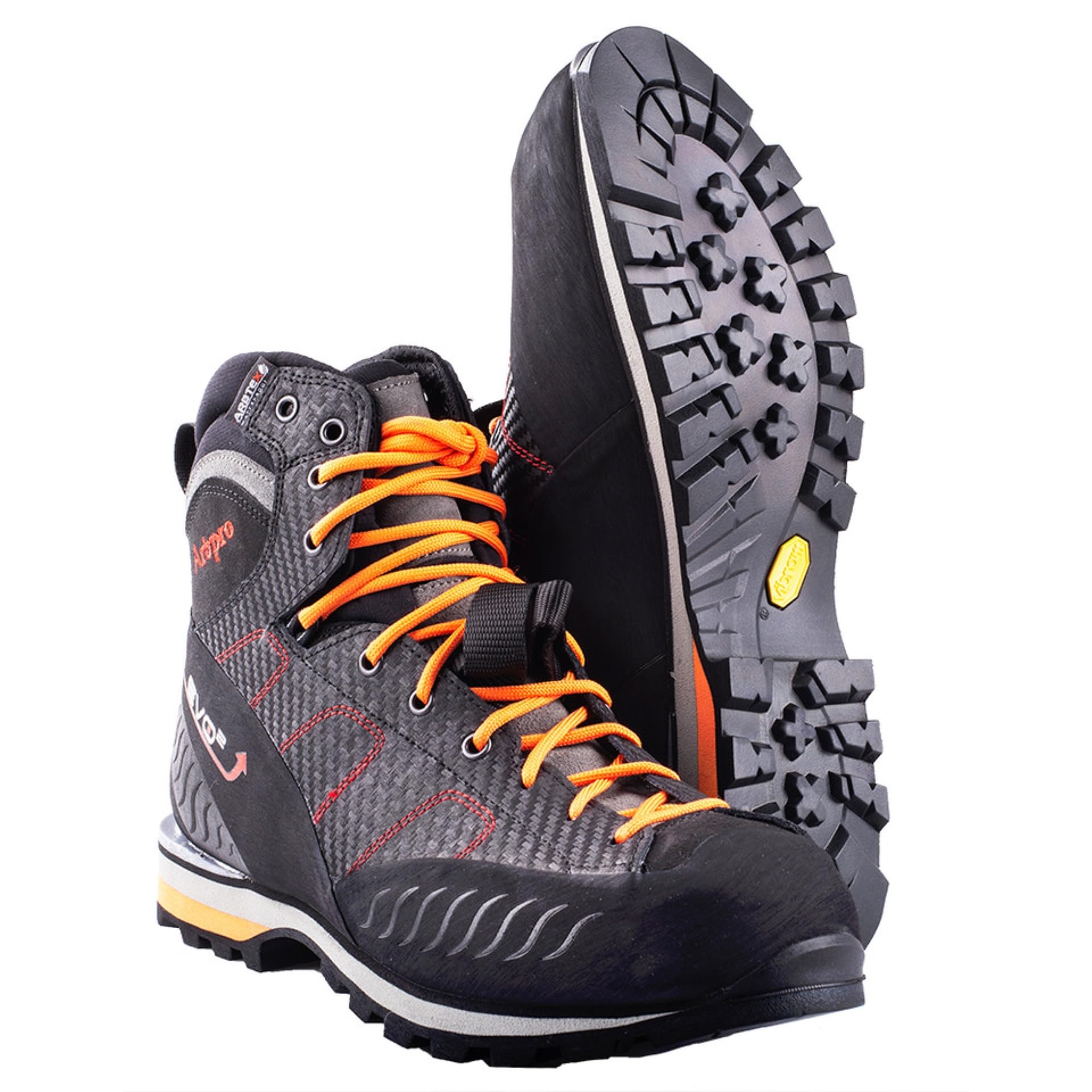
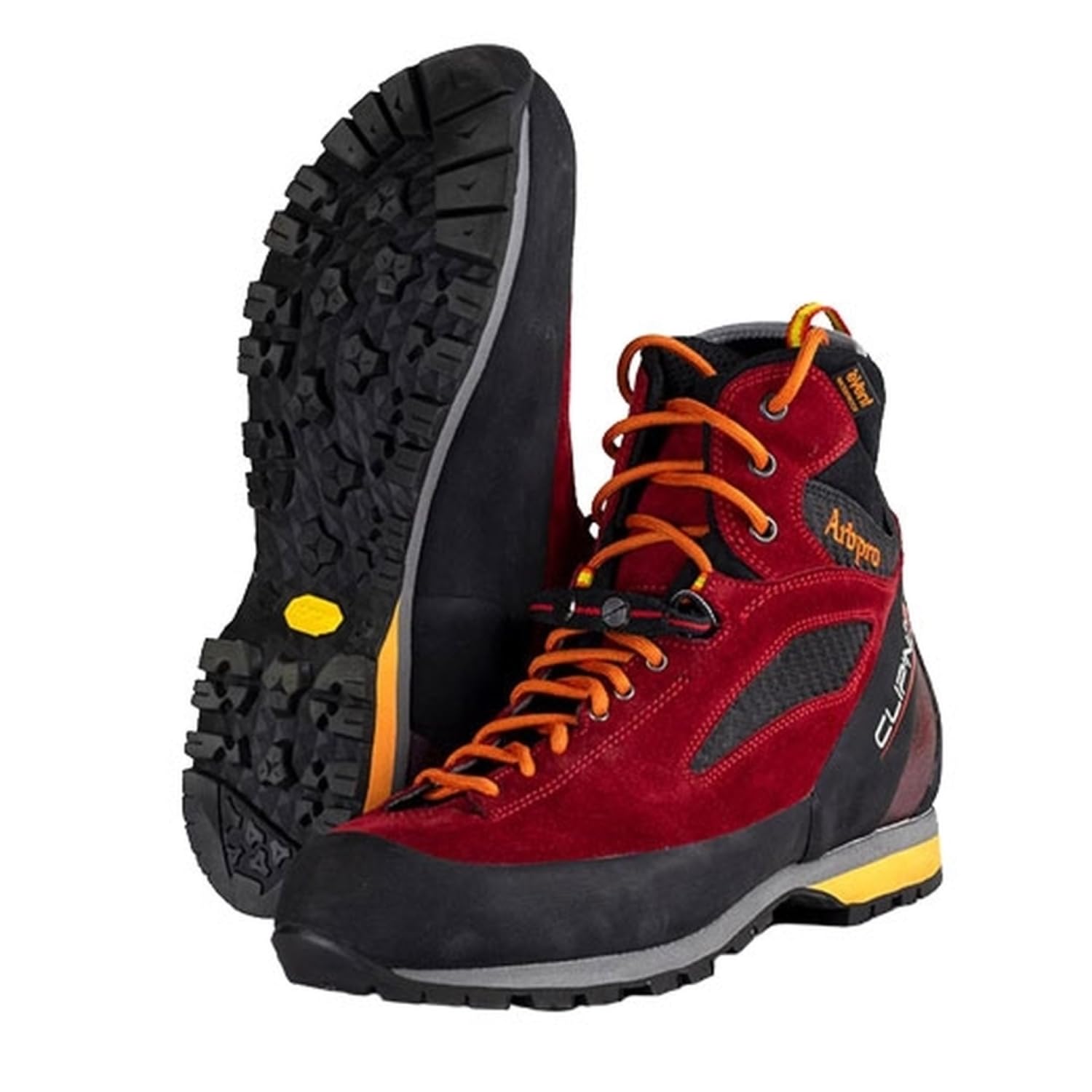


Start With Your Work Mix and Climbing Style
Arborists rarely do only one kind of work in a week. A boot that suits light pruning from a rope may flex too much on spurs, while a stiff removal boot can feel clumsy on long walks between trees. Start by estimating how your hours split between canopy time, spur work, and ground duties, then weight the sections that follow toward your most common day.
Canopy Work Without Spurs
If most of your climbing uses a rope system for pruning, you spend your day standing on branches and pressing your feet against bark at odd angles. Prioritize a close fit, a flexible forefoot, and an outsole that grips bark without deep lugs catching on every step. Many climbers in this group compare options in our guide to the best tree climbing boots as well, because the two categories overlap heavily for rope based canopy work.
Spur Climbing and Removals
Spur work loads your feet in a very different way. Your weight drives through a narrow gaff and a stiff shank for hours, and a soft boot lets the arch collapse around that pressure until your feet ache. Look for a firm shank, a defined heel that holds the spur strap in place, and enough sole thickness to spread the load. The heel and shank demands here resemble those in our guide to the best lineman climbing boots, since linemen also stand on gaffs for hours.
Mixed Ground and Aerial Duties
Many crew members climb in the morning and then drag brush, run a chipper, and handle logs after lunch. That mix asks for toe protection, a sole that sheds mud, and enough cushioning for hard surfaces, without giving up the snug heel that climbing requires. If your week is mostly ground work with only occasional climbs, our guide to the best arborist boots covers ground focused models that may serve you better.
How to Choose Arborist Climbing Boots: A Buying Guide
The best arborist climbing boots for one climber can be the wrong choice for another, so judge every model against the six factors below instead of a single headline feature. Read the product table above again after this section, and you will notice which listings actually match your work mix.
Fit, Sizing, and Toe Box
Measure both feet in the afternoon, when they are at their largest after a workday, and size to the longer foot. You want your toes to lie flat without pressing the end of the boot, while your heel stays seated when you flex forward as if on a limb. A toe box that is too narrow cramps your forefoot during a foot lock, while a loose heel lifts with every step and rubs blisters into a long climb. Try boots with your usual work socks, since thick winter socks need extra room that thin summer socks will not fill.
Arch Support and Foot Type
Arch support matters more aloft than on flat ground because your feet often bear weight on a narrow branch or a spur stirrup rather than a full sole. Flat feet usually need firmer support and a stable heel cup to limit inward rolling, while high arches often need more cushioning under the arch so pressure does not concentrate at the heel and forefoot.
Waterproofing and Breathability
A waterproof membrane such as Gore Tex keeps rain and wet brush from soaking your socks, which helps on storm cleanup and dewy morning climbs. The trade off is warmth and slower drying, because the same membrane that blocks water also limits how fast sweat vapor escapes. Breathable unlined boots feel cooler in summer and dry faster overnight, but they let water in quickly in wet grass. Climbers in cold wet regions accept the warmth, while crews in hot dry regions often choose ventilation.
Outsole Traction and Bark Grip
The outsole has to grip smooth bark, wet limbs, ladders, and the ground between trees, and those surfaces reward different tread. Shallower lugs with a larger contact area and a softer rubber compound tend to hold better on bark, while deeper lugs clear mud better during ground work. Check that the heel is distinct and squared enough to catch a ladder rung and to keep a spur strap seated.
Weight and Flexibility
Every extra ounce on your feet is lifted thousands of times a day, so weight shows up as tired legs by mid afternoon. Lighter boots climb nimbly and suit rope work, but they usually flex more and protect less against dropped wood. Heavier leather boots feel slower in the canopy yet give you stiffness and durability for spur work and removals.
Cushioning, Shank, and Stability
Cushioning under the heel softens jumps down from low limbs and long hours on pavement, while the shank between the insole and outsole controls how much the boot twists and bends. A full length stiff shank gives the stability spur climbers need, whereas a partial shank suits pruning and inspection work. Heel to toe drop also changes your stance, since a higher heel can feel natural in stirrups and on spurs but tiring during long ground walks. Match the platform to your main task rather than chasing the thickest sole in the product table above.
Types of Arborist Climbing Boots
Manufacturers use overlapping labels, so sort models by construction rather than by marketing names. The four groups below each favor a different balance of grip, stiffness, and protection.
Light Weight Climbing Boots
These boots borrow ideas from lightweight shoes and approach footwear, with synthetic panels, a lower cut, and a flexible sole that moves easily through the canopy. They suit pruning, cabling, and inspection work where you value precise foot placement over brute protection. Their limits show up on spurs and around heavy wood, where the softer build offers less support and less defense.
Waterproof Boots for Wet Work
Waterproof boots pair a sealed membrane with sealed seams and a gusseted tongue that keeps debris and water from entering at the laces. They earn their keep during storm response, wet removals, and winter pruning, when dry feet help you stay focused and warm. For contrast, see our guide to the best ice climbing boots, which are built for crampons and alpine ice rather than for trees.
Boots With Added Chainsaw Protection
Some arborist boots include layers of protective fibers in the front of the boot that are designed to clog a moving saw chain and slow it down. That protection adds weight, cost, and stiffness, and it matters most for ground work and removals where a saw runs near your feet for hours. Protection ratings vary by region and standard, so read the rating on the exact model and follow your employer safety policy. No boot makes saw work safe on its own, and safe cutting technique remains essential.
Stiff Shank Boots for Spur Work
These are the traditional tall leather climbing boots, built on a rigid shank with a pronounced heel and a thick sole. They spread spur pressure across the foot, support your arch during long removals, and stand up to years of strap wear at the heel and ankle. If you are new to this style, plan several short ground shifts before your first full day aloft, because stiff leather softens gradually and costs you feel for small branches underfoot.
Common Mistakes to Avoid
- Buying boots sized for thin socks and then climbing in thick winter socks, which cramps your toes and cuts circulation.
- Choosing a soft flexible boot for regular spur work, which lets the arch bend around the gaff until foot pain ends your shift early.
- Ignoring heel shape and then fighting a spur strap that slides down, which forces constant readjustment while cutting.
- Wearing general hiking boots in the canopy, which leaves you without the shank and heel design climbing work requires.
- Assuming waterproof boots need no drying care, which leaves trapped moisture to rot linings and shorten boot life.
- Judging grip only on dry pavement at the store, which tells you almost nothing about grip on wet angled bark.
If you also shop for mountaineering trips, keep the categories separate, and see our guide to the best climbing boots for stiff alpine models that follow different fit rules and are not designed around spurs or tree work.
How to Make Your Arborist Climbing Boots Last Longer
Good climbing boots are a serious purchase, and daily care habits decide whether they last one season or several. Brush off bark, mud, and sawdust after each shift, paying attention to the welt and the lace hooks where grit grinds into leather and stitching. Pull the insoles out at night so the interior can dry fully, and stuff soaked boots loosely with newspaper to draw moisture from the lining.
Dry wet boots at room temperature away from direct heat, since a heater can crack leather and weaken sole adhesives. Condition full grain leather when it looks dry and pale, and check lace hooks, eyelets, and spur wear points each week for bends or cracks. Inspect the outsole for smooth worn patches at the ball and heel, because lost tread aloft is a safety problem rather than a cosmetic one. Stop climbing in any boot with a cracked shank, a separating sole, or a heel that no longer holds a strap securely.
Frequently Asked Questions
Do arborist climbing boots need to be waterproof?
Arborist climbing boots do not need to be waterproof for every climber or every climate. Waterproof models help most for storm work, wet mornings, and cold seasons, while breathable models suit hot dry regions where sweat soaked feet are the bigger problem. One point many buyers miss is drying time, because a flooded waterproof boot can stay damp inside longer than an unlined boot.
How should arborist climbing boots fit for climbing?
Arborist climbing boots should fit snugly through the heel and midfoot, with enough toe room for your toes to lie flat and spread slightly. Your heel should not lift when you rise onto the ball of your foot, and your toes should not jam the front when you press into a crotch or descend a ladder. Fit them late in the day and walk on an incline if the store allows it, because a boot that feels fine standing flat can slide forward under load.
Can arborist climbing boots be worn for ground work all day?
Yes, arborist climbing boots can be worn for ground work all day, provided the model has enough cushioning and toe room for long walks. Stiff spur oriented boots feel tiring on pavement and wear their bark focused tread quickly on concrete, so mixed duty crews often rotate to a second pair for heavy ground days.
Are higher priced arborist climbing boots worth the cost?
Higher priced arborist climbing boots can be worth the cost when the extra money buys a stiffer shank, better leather, and a sole that can be replaced. Models priced at about $150 to $250 often suit occasional climbers, while daily professionals may spend more for durability that lowers the cost per season. Price alone does not guarantee fit, so a costly boot that rubs your heel is still a poor purchase. Spend first on correct fit and the right stiffness for your main climbing style.
How often should arborist climbing boots be replaced?
Arborist climbing boots should be replaced when the outsole tread is worn smooth in the grip zones, the shank feels cracked or uneven, or the upper no longer holds your heel securely. Hours aloft wear boots faster than calendar time, so a full time climber may retire a pair far sooner than a part time climber using the same model.
Final Thoughts
Start with fit, then match shank stiffness to your spur use, and only then compare weight, waterproofing, and price. The product table above can narrow your list, but your feet and your work mix make the final call. When you choose the best arborist climbing boots for the climbing you actually do, you get steadier footing on bark and less arch fatigue on spurs.


