Best Apron Front Kitchen Sink (2026): Size, Material and Install Cost
Disclosure: We may earn a commission when you buy through links on this page, at no extra cost to you. As an Amazon Associate I earn from qualifying purchases. Learn more

Best Apron Front Kitchen Sink guide: compare fireclay, stainless and cast iron sinks by size, cabinet fit, weight and installation cost.
Picture a weeknight cleanup. A tall stockpot, a roasting pan, and a stack of plates all need soaking at once, and a shallow sink turns that job into a juggling act. An apron front sink solves the space problem with a deep bowl and an exposed front panel you can stand close to. Finding the best apron front kitchen sink for your home comes down to cabinet size, household size, and budget.
This guide walks through sizes, materials, features, and install costs so you can choose with confidence. Readers still weighing every sink style can start with our guide to the best kitchen sink and then return here for the apron front details. Scan the product table below.

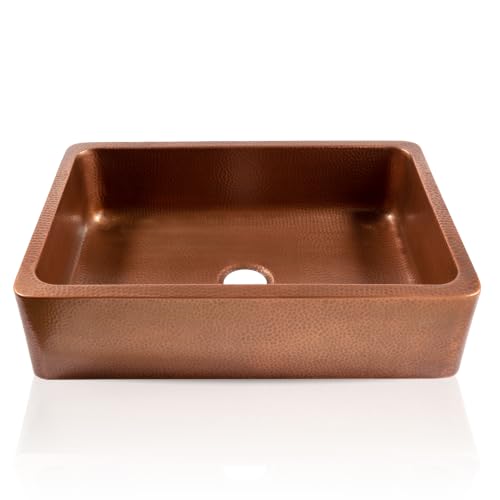
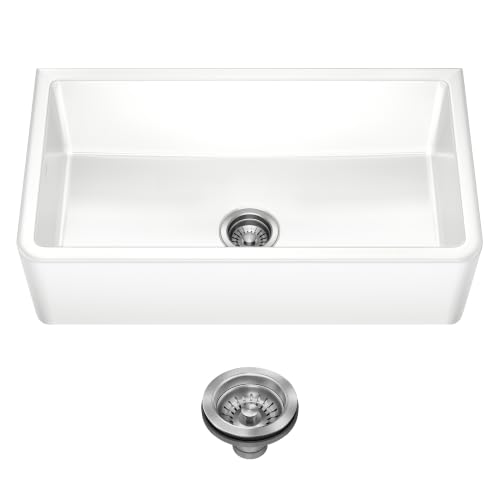

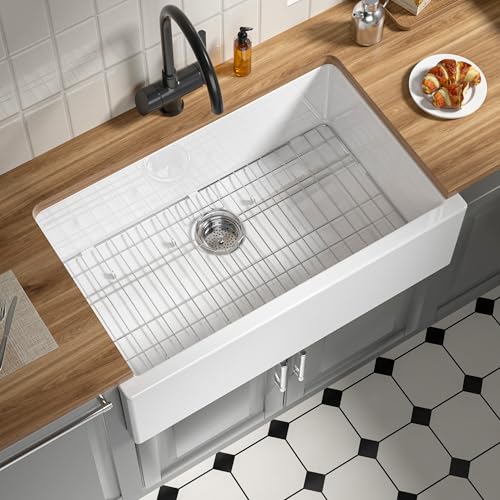
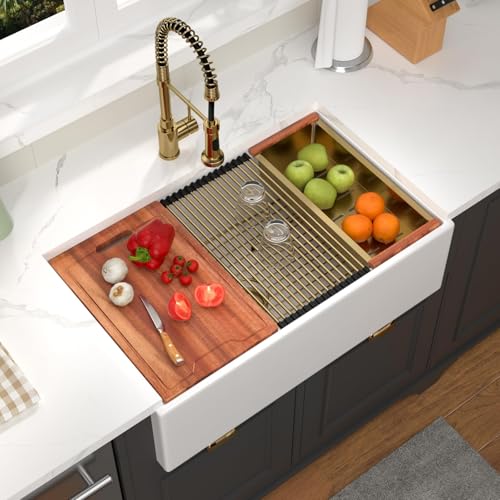
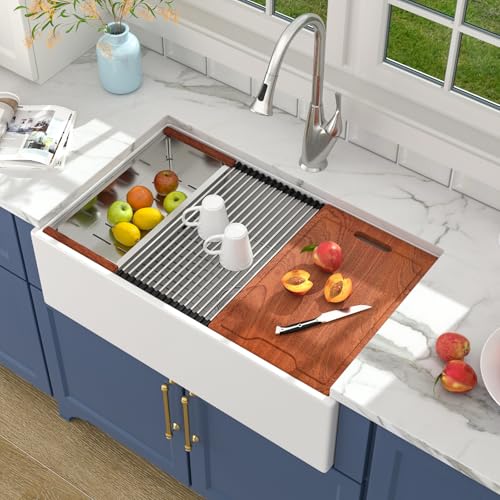


Quick Answer: The Main Apron Front Types at a Glance
Apron front sinks, often called farmhouse sinks, share the same basic shape. A wide bowl sits behind a tall exposed front that replaces the usual strip of cabinet facing. The real differences are material, bowl layout, and weight, and those factors drive both price and installation effort.
- Stainless steel: the lightest option, easiest to support, and usually lowest in price.
- Fireclay: a smooth glazed ceramic with a classic look, but heavy enough to need a reinforced cabinet base.
- Cast iron and composite: very solid and quiet in use, with a higher price and the same strong support needs as fireclay.
Single bowl models suit cooks who wash large pans often. Double bowl models with a low divide suit households that soak on one side and rinse on the other, while still fitting a wide pan across the top.
Before You Buy: A Quick Checklist for Choosing a Kitchen Sink
Size: Match It to Your Space
Apron front sinks most often come in widths of about 30 inches, 33 inches, and 36 inches, and the right width starts with your base cabinet, not your wish list. A 30 inch sink suits many smaller kitchens and usually needs a cabinet at least as wide as the sink itself. A 36 inch model gives generous room for sheet pans and big pots, but it demands a wider cabinet. Bowl depth matters too. Bowls around 9 to 10 inches deep hold tall cookware upright, though very deep bowls can strain your back if you are shorter.
Which Type Fits Your Routine
Think about how you wash up each day. If your sink fills with baking trays, a single deep bowl beats two cramped bowls. If you cook with a partner, a double bowl keeps prep and washing apart. Material shapes your routine as well. Stainless steel shrugs off hot pans, fireclay wipes clean fast, and granite composite resists stains from coffee and tomato sauce. For steel, thickness matters, and our explainer on 16 vs 18 gauge sink options shows why the lower number means thicker, quieter steel.
Features Worth Paying For and Ones to Skip
A few extras earn their cost in daily use. A bottom grid lifts dishes off the bowl floor and protects the finish. A fitted cutting board and colander turn the sink into a small prep station, which helps in kitchens short on counter room.
Sound pads on steel sinks cut the drumming noise of running water. Other extras are easier to skip. Built in drainboards eat up counter space, decorative apron patterns add cost without adding function, and oversized accessory bundles often end up stored in a drawer. Pay for the grid and tools you will use weekly, and pass on the rest.Measurements and Compatibility With Your Setup
Measure three things before you order. First, the width and depth of your base cabinet, since the apron front needs a cutout in the cabinet face and a support frame inside it. Second, the distance from the wall to the front of your counter, because the apron sits proud of the cabinet. Third, your countertop material.
Stone and quartz counters are usually cut to fit around an undermount apron sink, while laminate pairs more easily with models that have a finished top rim. Apron front sinks rarely include faucet holes, so yours must be drilled in the counter or the wall.Certifications to Look For
Certifications confirm basic quality. Look for sinks that meet ASME and CSA plumbing standards, which cover drain fit and structural soundness. Fittings sold with a sink should be certified lead free under current federal rules, and some regions require fixtures that meet WaterSense flow limits.
DIY or Professional Installation Cost
Installing an apron front sink is a bigger job than swapping a drop in model. The cabinet front must be cut, a support frame must carry the sink plus a bowl of water, and the counter may need trimming. Confident DIYers can do it, and our walkthrough of how to install a kitchen sink covers the general order of steps. Many homeowners hire a plumber or carpenter instead, and labor commonly adds about $300 to $800. Get that quote before you buy, not after the sink arrives.
Realistic Budget Ranges
Material and size drive cost. Basic stainless steel apron front sinks often fall around $250 to $500. Fireclay and granite composite models usually run about $500 to $1,000.
Large cast iron sinks and premium workstation styles can pass $1,000 before installation. Budget as well for extras your quote may leave out, such as a drain assembly, a bottom grid, and cabinet changes.Types Compared: Three Apron Front Styles Worth Considering
Stainless Steel Apron Front Sinks for Busy Family Kitchens
Steel is the most forgiving place to start. It is light enough that installation stays simpler, it tolerates hot pans straight from the stove, and dents are more likely than cracks in ceramic. Brushed finishes hide water spots better than polished ones.
Thicker 16 gauge steel with sound pads feels solid and stays quieter under a running faucet. If this material sounds right, compare the options in our guide to the best stainless steel kitchen sink first. The main drawback is cosmetic. Steel shows scratches over time, though a bottom grid slows that wear.Fireclay Apron Front Sinks for a Classic Look
Fireclay is clay fired at very high heat until it fuses with its glaze, giving a hard, glossy surface that resists stains and wipes clean easily. It delivers the traditional farmhouse look better than any other material. The trade offs are weight and care. A fireclay sink can weigh well over 100 pounds empty, so the cabinet needs a strong frame, and a dropped skillet can chip the glaze. Our comparison of fireclay vs cast iron sink materials explains how the two heavyweight options differ in finish and upkeep.
Cast Iron and Composite Apron Front Sinks for a Solid Feel
Cast iron sinks have an iron core coated in enamel, giving a deep, smooth finish and excellent resistance to noise. Granite and quartz composite sinks blend stone particles with resin for a matte surface that shrugs off stains and heat. Both feel reassuringly solid, and both are heavy. Enamel can chip if a sharp edge strikes it hard. Choose cast iron for a glossy traditional finish, and composite for a modern matte look.
Our Selection Process for Apron Front Kitchen Sinks
The types in this guide were weighed on the factors that decide daily satisfaction. Installation and compatibility came first, since a sink that fights your cabinet helps no one. Build quality and finish came next, followed by useful features, certifications, and warranty length. These judgments rest on manufacturer specifications and patterns in verified buyer feedback.
What We Like and What We Do Not Like About Apron Front Sinks
The biggest strength is comfort. Because the apron front removes the cabinet strip you normally lean against, you stand closer to the bowl with less reaching, and that eases back strain during long cleanup sessions. The deep bowl is the second strength. Tall pots, large cutting boards, and bulky trays fit in a way standard bowls rarely allow. The exposed front also becomes a focal point that suits traditional and simple modern kitchens alike.
The drawbacks are just as real. Apron front sinks cost more than standard sinks of similar size, and installation costs more too, because of the cabinet changes. Water can drip down the exposed front onto the floor or cabinet below, so many owners wipe the apron after washing up. If you are unsure the style suits your kitchen, reading about undermount vs drop in sink designs helps you weigh simpler mounting options before you commit to cutting cabinetry.
Common Buying Mistakes to Avoid
- Ordering before measuring the cabinet: a sink too wide for the base cabinet can force a costly cabinet replacement.
- Ignoring total weight: a heavy sink filled with water can overwhelm a weak support frame and sag.
- Forgetting the faucet reach: a deep bowl with a short spout leaves the far corners hard to rinse.
- Skipping the install quote: labor and cabinet work can rival the price of a mid range sink.
- Choosing a finish for looks alone: a glossy surface in a hard water home means constant wiping to hide spots.
Cost of Ownership and Care
Day to day care is simple and cheap. Wash the bowl with mild dish soap and a soft sponge, rinse, and dry with a cloth when you can, since drying prevents water spots on steel and fireclay alike. Keep the sealant line where the apron meets the counter in good shape, and check the support frame once a year for sagging or water damage. Avoid abrasive powders on enamel and fireclay. Replacement costs over the years are mostly small items, such as a drain basket or grid pads.
FAQ
Can an apron front kitchen sink fit in a standard base cabinet?
Usually yes, with modification. Most standard cabinets can accept an apron front sink after the front panel is cut and a support frame is built inside, but unusual framing may not leave enough room. Check the maker template against your cabinet interior height before ordering. A false drawer front is typically removed during the conversion.
Does an apron front kitchen sink need a special garbage disposal?
No special disposal is required, but the drain parts matter. Deep bowls often need an extended flange to connect the disposal through the thicker drain area, and that small part is easy to overlook when ordering. Most disposals expect a standard drain opening of about 3.5 inches, so confirm that size on the sink. Adding the flange upfront avoids a mid install trip to the store.
How long does an apron front kitchen sink usually last?
A well made apron front sink commonly serves for decades, because the bowl has no moving parts to wear out. Stainless steel and fireclay models often stay in place through more than one countertop replacement. What ages first is the finish, not the structure. Small scratches on steel blend into a soft patina, while enamel and fireclay hold their gloss if heavy impacts are avoided. Sealant joints are the one part to refresh every few years.
Are apron front kitchen sinks comfortable for shorter cooks?
They can be, as long as bowl depth matches counter height. Standing close to the bowl reduces reaching, which helps shorter cooks, but a very deep bowl paired with tall counters can force awkward shoulder angles while scrubbing the bottom. If you are shorter, favor a bowl depth near the shallow end of the range and try your stance at a showroom sink set at a similar height.
Can you replace an apron front kitchen sink without replacing the countertop?
Often yes, if the new sink matches the existing cutout and apron opening. Choose a replacement with the same width and a similar bowl depth, then confirm the counter opening from the maker template. Undermount models are sealed to the counter underside, so removal takes care to avoid chipping stone edges. If you plan to change size, expect counter work to enter the budget.
Final Thoughts
The right apron front sink fits your cabinet, matches how your household cooks and cleans, and leaves room in the budget for proper installation. Steel keeps things light and practical, fireclay brings the classic look, and cast iron or composite adds a solid, quiet feel. Use the product table above to compare the main types, then confirm your measurements one last time. Chosen carefully, the best apron front kitchen sink becomes the hardest working fixture in your kitchen.