The Best Appreciating Watches: Buying Guide and How to Choose for 2026
Disclosure: We may earn a commission when you buy through links on this page, at no extra cost to you. As an Amazon Associate I earn from qualifying purchases. Learn more

A clear buying guide to the best appreciating watches, covering brand strength, condition, paperwork, and the risks of buying a watch for value.
Some watches hold their value well and a few gain value over time, but most watches lose value the moment you buy them. That honest starting point matters, because shoppers chasing appreciation often pay too much for the wrong watch in the wrong condition. This guide to the best appreciating watches explains what actually drives resale value, from brand demand to original paperwork. Use the product table to scan price tiers and styles once you understand the value basics.
Treat any watch first as something you will enjoy wearing, and treat possible appreciation as a bonus rather than a promise. Values rise and fall with fashion, supply, and the wider economy, and no guide can guarantee a future price. If you need investment advice for your situation, talk with a qualified financial professional before spending large sums.




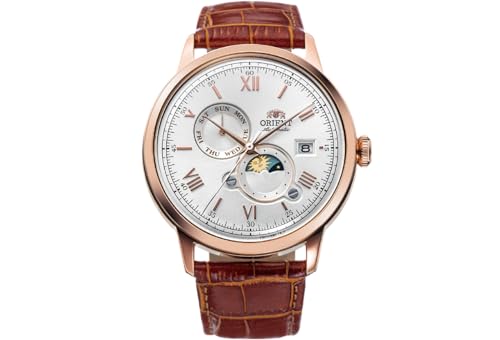

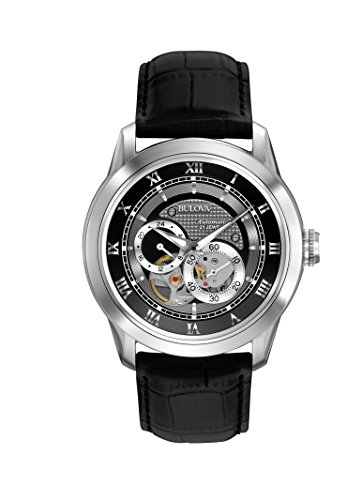


Three Value Profiles at a Glance
Established Maker Profile
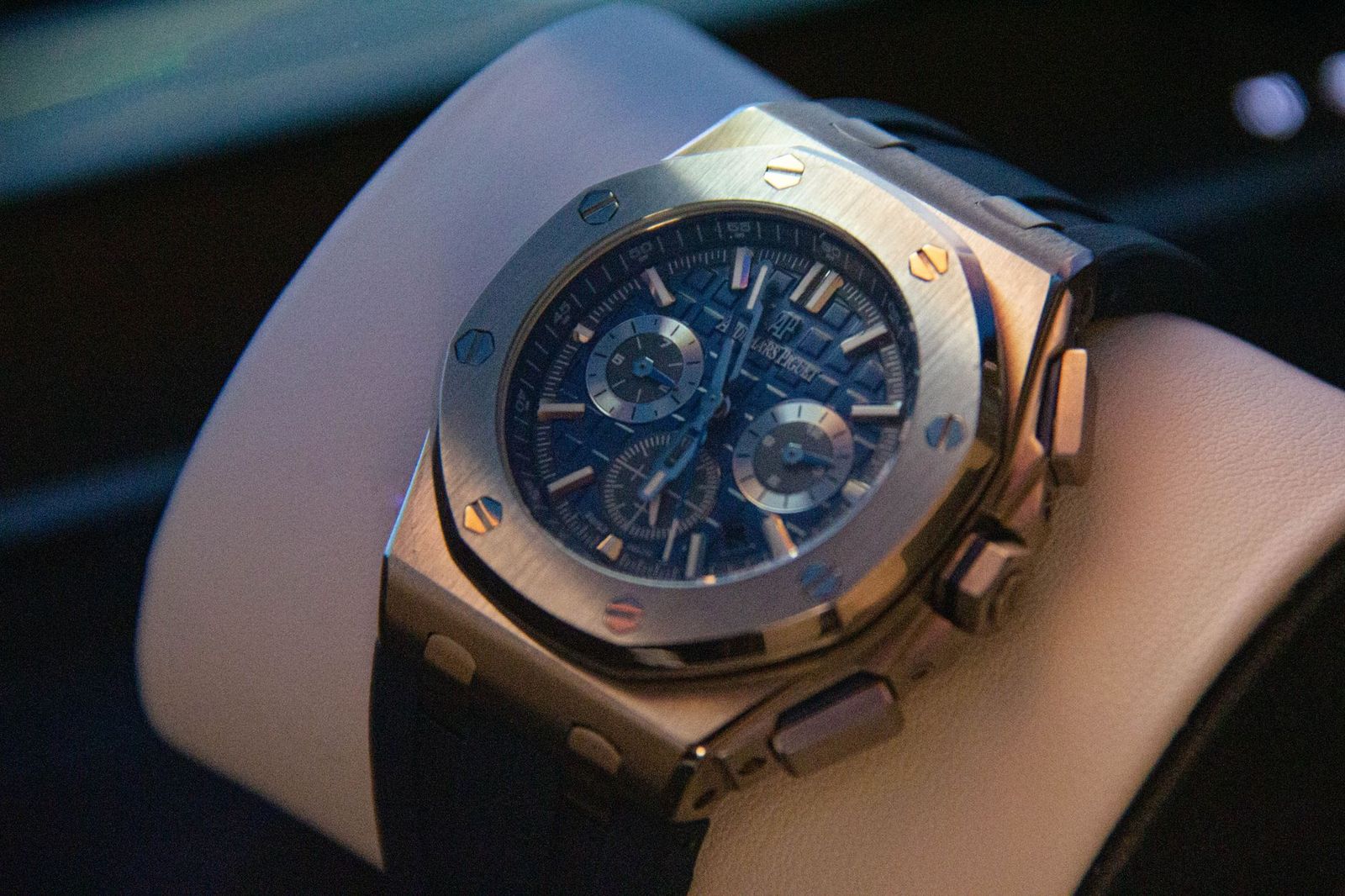
The strongest overall value profile is a watch from a widely respected maker, in a classic size and color, bought complete with its original box and papers. Steady demand matters more than rarity claims, because a watch only holds value if many buyers want it later. Expect strong examples to start around $3,000 to $8,000 depending on style and materials. The limitation is patience: value, when it comes, usually builds over years, not months.
Value Profile
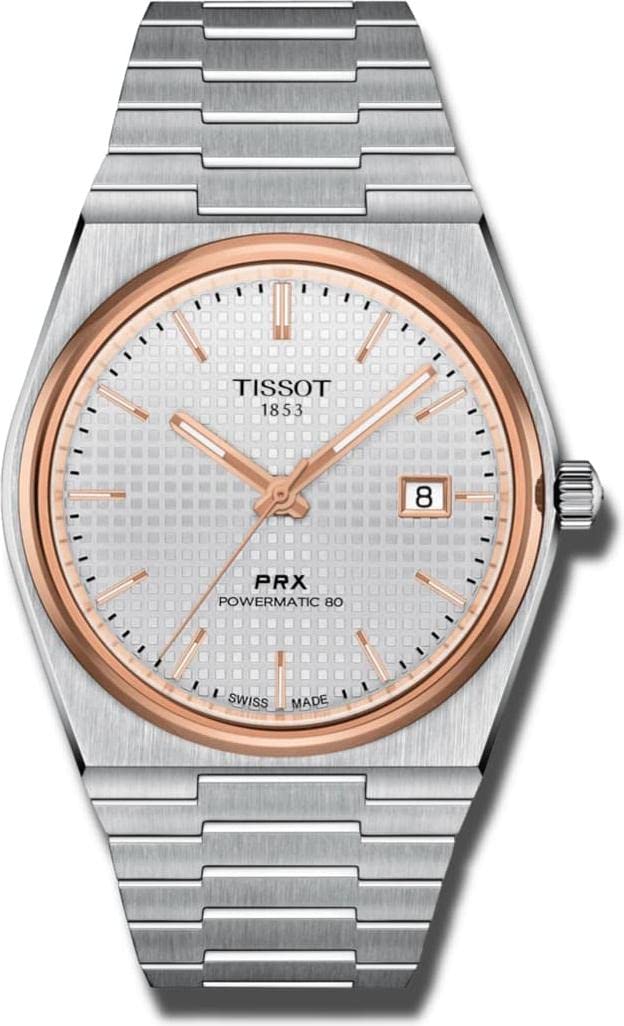
The best value route is often a gently used watch in excellent condition from a reputable seller, priced below its original retail price. Someone else absorbs the first owner drop in value, and you start closer to the level where prices tend to flatten. Papers, service history, and unpolished cases matter more at this tier than a famous name alone. Budget roughly about $800 to $2,500 for respected entry level mechanical watches with real resale interest.
Upgrade Profile
An upgrade profile means moving into limited production or historically significant styles from top tier makers, often around $8,000 and well above. At this level, authentication, provenance, and condition grading become critical, and small flaws can move prices by large amounts. Buy only through sellers who offer inspection periods and written authenticity guarantees. The risk is real: high prices can fall sharply when collector taste shifts, so never spend money you cannot afford to tie up.
How to Choose the Best Appreciating Watches: Buying Guide
Movement Type (Quartz, Automatic, Solar, Smart)
Automatic and other mechanical movements dominate the value holding end of the market, because collectors prize the craft, the serviceability, and the long production history behind them. A well made automatic movement can be serviced for decades, which supports long term demand. Quartz watches are accurate and affordable, but most lose value quickly, with rare exceptions among famous designs.
Solar and smart watches behave more like electronics: batteries age, software support ends, and newer models replace them. Enjoy them for daily use, but do not buy them expecting appreciation. When you compare mechanical options, ask about service cost and interval, since a watch due for a full service should be priced lower than a freshly serviced one.
Smart and Fitness Features
GPS, heart rate tracking, and app features add daily utility but almost never add resale value. Fitness sensors date quickly, and buyers of used smart devices discount older health tech heavily. Note that watch based heart rate and similar readings are wellness information, not medical measurements, and should never replace a medical device or a clinician's advice.
If fitness tracking is your main goal rather than value, buy the device that fits your training and accept that it is a consumable purchase. Our guide to the best workout watches covers that practical side. Keeping the two goals separate, value in one watch and training utility in another, often costs less than chasing one watch that does both poorly.
Strap and Bracelet Options
The original bracelet or strap adds real money at resale, especially a factory metal bracelet in unpolished condition. Keep every removed link, the original strap, and the buckle even if you never wear them, because a complete set sells faster and for more. Quick release straps make daily swaps easy and protect the original strap from wear.
Leather straps age and crack, NATO style fabric straps are cheap to replace, metal bracelets last longest, and silicone suits sport use. Never throw away a worn original strap before checking its value to collectors, since original parts in honest condition can be worth more than a shiny replacement. Store spare straps flat and dry, away from sunlight.
Brand Reputation, Warranty, and Value
Brand strength is the single biggest driver of held value. Makers with long histories, controlled supply, strong service networks in the United States, and designs that stay in production for years tend to hold prices best. Short lived fashion collaborations and heavily discounted brands rarely recover value. For a wider view of makers known for solid build and support, see our guide to the best quality watches.
Paperwork is part of reputation at resale. An original warranty card, receipts, and service records prove authenticity and care, and missing papers can cut resale prices even when the watch itself is genuine. A remaining factory warranty adds comfort for the next buyer, which supports your price when you sell.
Water Resistance Rating
Water resistance is written in meters or atmospheres, but the numbers are not literal swimming depths. A 30 m rating means splash resistance only. A 100 m rating suits swimming, and 200 m is the common standard for serious dive watches. Seals age, so a used watch should be pressure checked before any water use, whatever the dial says.
Dive and field styles with strong ratings often hold value well because their designs change slowly and their buyer base is loyal. Still, never open the case back yourself to check a seal, and keep crowns screwed down or pushed in before washing hands. Pay for a professional pressure test after any battery change or service on a watch you plan to swim with.
Case Size and Wrist Fit
Case diameter between about 36 mm and 42 mm fits the widest range of wrists, and that broad appeal supports resale demand. Very large cases above 44 mm follow fashion cycles and can be harder to sell when tastes shrink. Thickness and lug to lug length decide real comfort, so try the watch on rather than judging from diameter alone.
Measure your wrist, then check that the case sits flat without the lugs hanging past your wrist edges. A classic size in a neutral dial color is the safest value choice, while bold colors are best bought because you love them, not for resale. If you are shopping as a gift, our guide to the best watches for guys covers popular sizes and styles by wrist and taste.
Types of Appreciating Watches
Automatic Watches
Automatic watches wind themselves from wrist motion and carry the strongest collector demand. They suit buyers who enjoy mechanical craft and plan to keep a watch for many years. The trade offs are service costs every five to seven years or so and lower time accuracy than quartz. Strong, steady demand for classic automatic designs is the main reason this type leads on held value.
Solar Watches
Solar watches charge from light and can run for months on a full charge, making them superb low upkeep daily wear. They suit practical buyers who want accuracy without battery swaps. Their resale story is weak, though, because the technology is common and models update often. Buy solar for convenience and low running cost, and treat any future value as unlikely.
Dive and Field Watches
Dive watches bring 200 m ratings, rotating bezels, and bright lume for reading time in the dark. Field watches bring simple legible dials, tough cases, and modest sizes. Both styles change slowly over decades, which helps values stay steady. They suit active wearers who want one durable watch. Avoid heavy polishing on these tools, since collectors pay more for honest original edges and dials.
Setup and Care Tips
- Service automatic watches every 5 to 7 years. Fresh oils and seals protect the movement and give you paperwork that supports resale value.
- Rinse after saltwater exposure. Fresh water removes salt that attacks seals and bracelets, then dry the watch fully with a soft cloth.
- Store away from magnets. Speakers, bag clasps, and tablet covers can magnetize a movement and ruin its timekeeping until a watchmaker corrects it.
- Rotate straps to reduce wear. Resting leather and fabric straps between wears extends their life and keeps the original set presentable.
- Keep the full set together. Box, papers, spare links, and receipts belong in one dry place, because completeness raises resale prices.
- Photograph condition yearly. Dated photos of the case, dial, and clasp create a simple record that helps with insurance and future sales.
Appreciating Watches: Your Questions Answered
Quartz or automatic: which is better for value?
Automatic is better for value in almost every case, because collector demand centers on mechanical movements and the brands that make them. Quartz wins on accuracy and price, and a few famous quartz designs hold value, but they are exceptions. If value matters, put your budget into a respected automatic in complete, original condition rather than a discounted quartz piece.
How long does a watch battery last?
A typical quartz battery lasts about two to three years, while solar cells can run far longer before the rechargeable cell needs service. Battery age matters at resale because a dead watch cannot be tested by a buyer. If you sell a quartz watch, a fresh battery and a pressure check receipt, where relevant, make the listing far more convincing.
Is a smartwatch worth it over a classic watch?
A smartwatch is worth it for notifications, apps, and training data, but not for value. Smart models age like phones, losing support and price quickly. A classic mechanical watch from a strong maker ages slowly and can be serviced for decades. Many owners keep both: a smartwatch for workouts and a classic watch for everything else, a split our guide to the best manly watches also reflects in its style picks by use.
What case size fits my wrist?
Most wrists suit cases from about 36 mm to 42 mm, with lug to lug length under roughly 50 mm for average wrists. Smaller wrists often look and feel best at 36 mm to 38 mm. For value, classic mid sizes are the safest choice because the future buyer pool is largest there. Always judge fit in person when you can, since photos flatten real proportions.
How water resistant should a watch be?
Choose at least 100 m if you swim, and 200 m for diving or carefree daily wear around water. A 30 m or 50 m watch should stay away from swimming despite the depth wording. Remember that ratings assume new seals, so have any older watch pressure checked before water use, and budget for that test when you buy used.
The Bottom Line
Buy a watch you love wearing, from a strong maker, in classic size and complete original condition, and pay a fair price rather than a hopeful one. Keep its papers, service it on schedule, and avoid polishing and part swaps that erase originality. Use the comparison table above to check tiers against those rules. With that discipline, the best appreciating watches give you years of wear first and the best possible chance of strong value later, and our guide to the best male watches can help you compare everyday styles before you decide.