Best Antique Watches: Buyer Guide 2026
Disclosure: We may earn a commission when you buy through links on this page, at no extra cost to you. As an Amazon Associate I earn from qualifying purchases. Learn more
Best antique watches explained: authenticity, movement condition, servicing and fair pricing, with antique style options to buy new.
An antique watch is a small piece of history, but condition, originality and servicing decide whether it is a joy or a costly project. This guide to the best antique watches explains how to judge authenticity, movement condition and fair pricing, so you buy with confidence. Genuine antiques are one-off pieces, so judge each watch on its own merits.
Read the whole guide if you are buying for the first time, or jump to the sections that match your biggest question.
Who Should Use This Guide
Collectors, gift buyers, and first time vintage buyers all enter this market with different goals. A collector may prize rarity and originality, while a gift buyer may care more about wearability and a clean, honest example. Decide before you shop whether the watch is for daily wear, occasional wear, or a collection, because that choice changes what condition and servicing matter most.
Before you shop, write down your main use, your budget range including a likely service, and the one feature you will not compromise on. That short list filters out most options quickly.
Key Features Explained
Authenticity and Provenance
Provenance means the story and paperwork that support a watch being genuine and correctly described. Original boxes, papers, service records, and a clear seller history all help, though older watches often lack complete records. Buy from sellers who welcome questions, explain what is original and what has been replaced, and offer a clear return policy if the description proves wrong.
Movement Condition and Service History
The movement is the heart of an antique watch, and its condition decides whether the watch runs reliably. Ask when it was last serviced, whether it keeps reasonable time, and whether any parts were replaced. A recent service by a qualified watchmaker is a strong positive, while a watch that has not run for years may need costly work before it is wearable.
Case and Dial Originality
Original dials, hands, and cases usually matter more to value than perfect cosmetic condition. A refinished dial or replaced hands can change both appearance and worth, so ask the seller to state clearly what is original. Gentle wear and patina are normal for old watches, but heavy polishing, dents, or mismatched parts deserve a lower price or a pass.
Wearability and Daily Practicality
An antique watch may be beautiful yet impractical for daily wear if it lacks water resistance, has a fragile strap, or needs frequent winding. Check the case size on your wrist, the strap or bracelet condition, and whether the crown and pushers work smoothly. A watch you enjoy wearing is worth more to you than a rarer piece that stays in a drawer.
Pricing Without Guesswork
Antique watch prices vary widely by brand, rarity, condition, and originality, so compare recent sales of similar watches rather than trusting a single asking price. Auction results, dealer listings, and collector forums all help, but condition differences can explain large price gaps. Set a maximum price before you bid or negotiate, and walk away if the evidence does not support the asking price.
Types of Antique Watches Compared
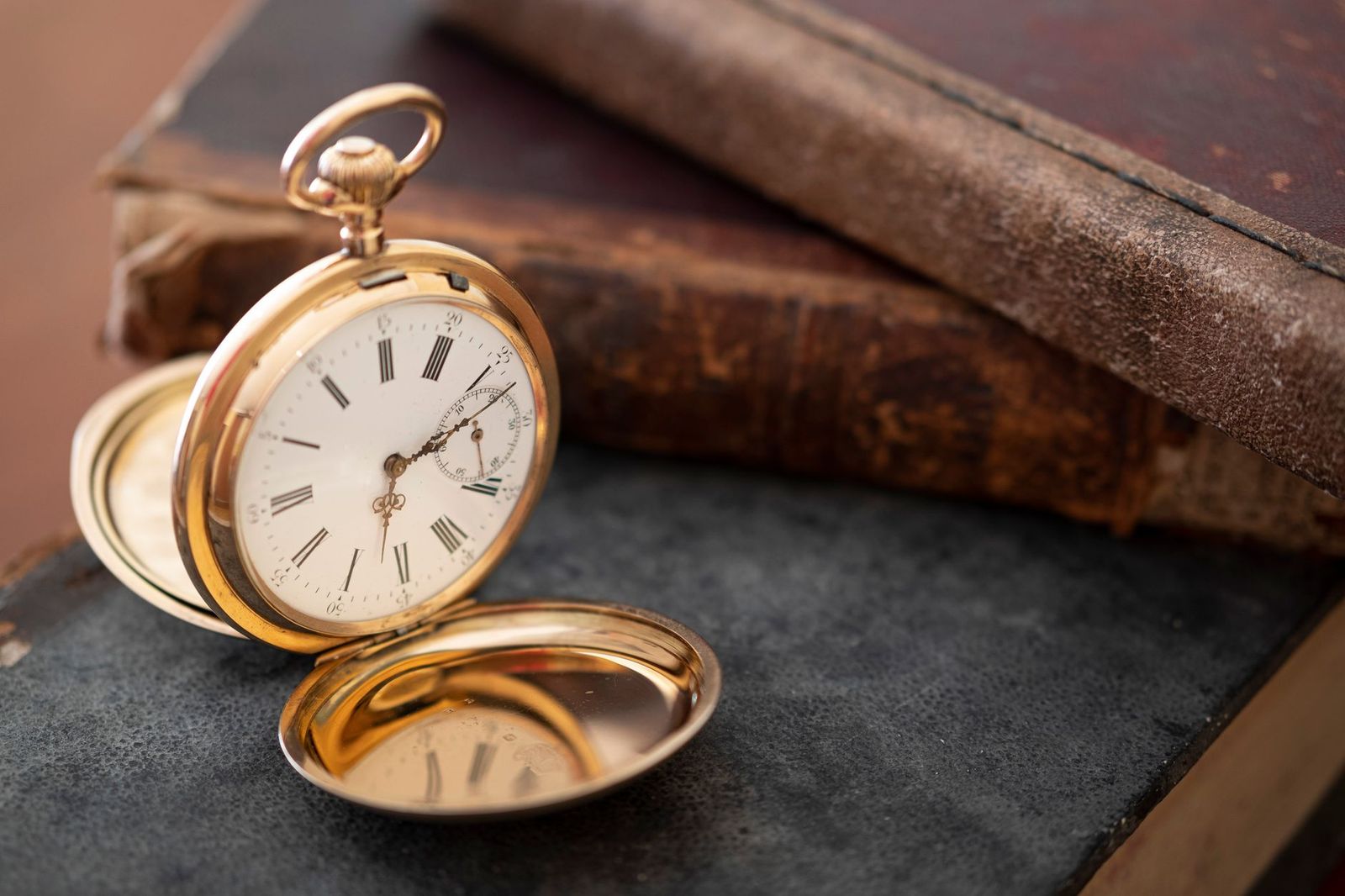
Pocket watches suit collectors and display, and they avoid wrist wear concerns, while wrist watches suit daily or occasional wear. Dress watches favour slim cases and simple dials, tool watches favour legibility and robustness, and railroad watches favour accuracy standards and clear dials. Each type has its own servicing needs, so choose a type whose care you are willing to arrange.
Common Mistakes to Avoid
Buying on looks alone, ignoring service history, paying a premium for a refinished dial, and skipping a return policy are the most common errors. Another mistake is assuming an old watch is waterproof or shock resistant by modern standards. Treat every antique watch as delicate until a watchmaker confirms otherwise, and budget for servicing in the first year.
Everyday Care
Wind a mechanical watch gently, keep it away from magnets, shocks, and water, and store it in a dry place away from direct sun. Have it serviced by a watchmaker experienced with vintage pieces, and ask them to preserve original parts where possible. A regular service interval, often several years, keeps the movement running and protects your investment.
For related choices, see our guides to the best antique pocket watches, best quality watches, best antique railroad pocket watches and best watches for guys.
Choosing the Best Antique Watches With Confidence
Before you buy, decide your maximum price including a likely service, and ask the seller direct questions about originality, service history, and returns. Compare recent sales of similar watches in similar condition, because condition differences explain large price gaps. If a seller cannot answer clearly, or discourages independent inspection, walk away. Patience is your best protection in a market where every piece is unique.
Budget Tiers in Plain Terms
Entry level antique watches offer honest, wearable examples from less famous makers, and they suit first time buyers learning the market. Midrange pieces add better condition, known makers, or interesting history, and they suit collectors building a focused collection. High end pieces command premiums for rarity and originality, and they suit experienced buyers who understand servicing and provenance. Buy the best condition you can afford within your tier.
A Closer Look at Everyday Use
Think about how you will live with the watch, because a collector piece, a daily wearer, and a gift each demand different compromises. A collector may accept a fragile movement and rare parts in exchange for originality, while a daily wearer needs a recent service, a sound case, and a strap that can be replaced without damaging the watch. A gift buyer should prioritise a clean, honest example from a reputable seller with a clear return policy, because the recipient may not share the giver enthusiasm for servicing and patina. Also consider insurance and storage: valuable watches deserve safe storage away from humidity, magnets, and shocks, and insurance that reflects replacement value rather than purchase price alone. Build a relationship with a watchmaker experienced in vintage pieces before you need urgent work, and ask about service intervals and parts availability for the specific movement you are considering. Patience rewards buyers in this market, and the right watch is worth waiting for rather than rushing into a compromised purchase.
Frequently Asked Questions
How do I tell if an antique watch is genuine?
Check the case, dial, hands, and movement markings for consistency with the period and maker, and ask the seller for service records and provenance. A qualified watchmaker can inspect the movement and confirm whether parts match the original specification. If a seller avoids questions or refuses inspection, treat that as a warning and consider another watch.
Should I buy a serviced or unserviced antique watch?
A recently serviced watch is usually safer for a first time buyer, because it should run reliably and need no immediate work. An unserviced watch can be cheaper, but it may need a costly service soon, and that cost should be reflected in the price. Ask for the service date, the watchmaker, and what work was done before you decide.
Are refinished dials a problem?
A refinished dial changes originality and usually lowers collector value, though it may look cleaner to a casual buyer. The issue is disclosure: a seller should state clearly that a dial has been refinished. If originality matters to you, pay for an untouched dial; if appearance matters more, a disclosed refinishing can still be a good buy at the right price.
Can I wear an antique watch every day?
You can, if the watch has been serviced, the case and strap are sound, and you accept that it needs more care than a modern watch. Avoid water, shocks, and magnets, and remove the watch for sport, gardening, and heavy work. Many owners rotate antique watches with modern ones, which keeps wear gentle and servicing intervals longer.
What should I budget beyond the purchase price?
Budget for a service in the first year if none is documented, plus a quality strap, insurance for valuable pieces, and safe storage. Servicing costs vary by movement complexity and parts availability, so ask a watchmaker for an estimate before you buy. Including these costs in your budget prevents an exciting purchase from becoming a costly surprise.
Final Thoughts
Match the watch to your real life: a collector can accept a fragile movement for originality, while a daily wearer needs a recent service and a sound case. Apply the checks in this guide to any genuine piece. With that focus, the best antique watches for you will be easy to recognise.