Best Apple Laptops for Photographers: What Actually Matters Before You Buy for 2026
Disclosure: We may earn a commission when you buy through links on this page, at no extra cost to you. As an Amazon Associate I earn from qualifying purchases. Learn more

A buying guide to the best apple laptops for photographers, covering display color, memory, storage, ports, and value before you choose a model.
Photo editing punishes a laptop in specific ways. Large raw files, layered edits, and long export sessions all stress the processor, memory, and storage at once, while the screen decides whether your color work is trustworthy. This guide gives you a clear checklist for judging the best apple laptops for photographers on the things that actually change your daily editing life.
Work through the criteria below before you look at any single model. Then use the product table to see how current options line up against those same standards, so your shortlist is built on specs that matter rather than on marketing claims.
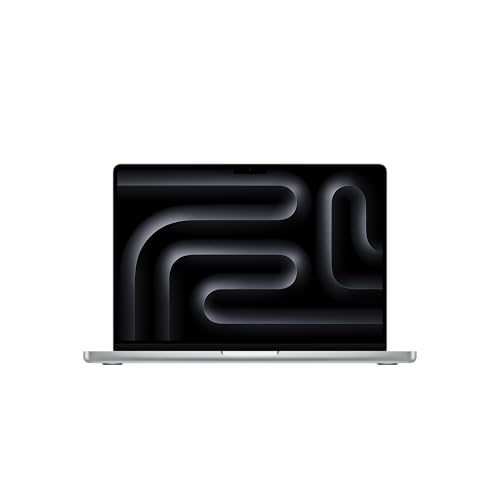
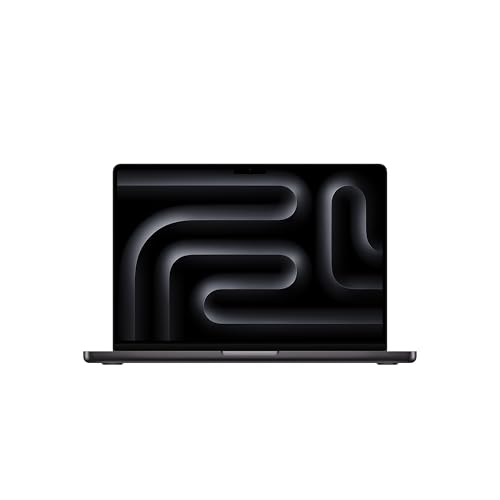
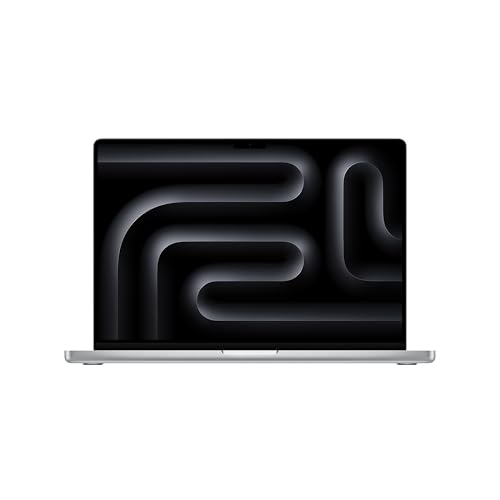
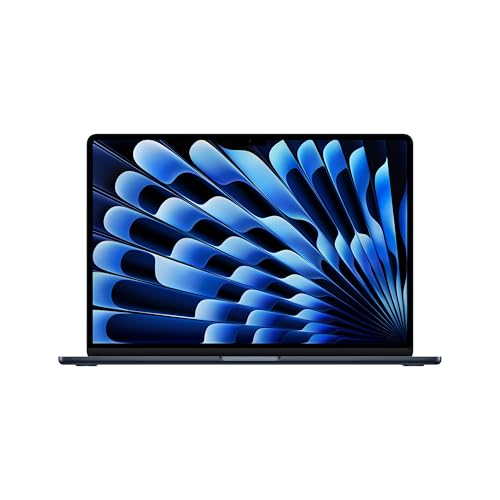
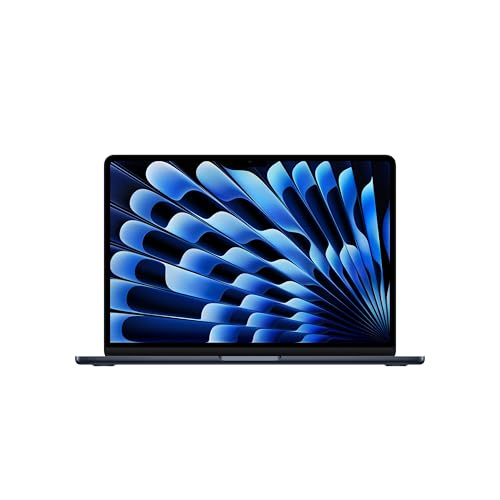
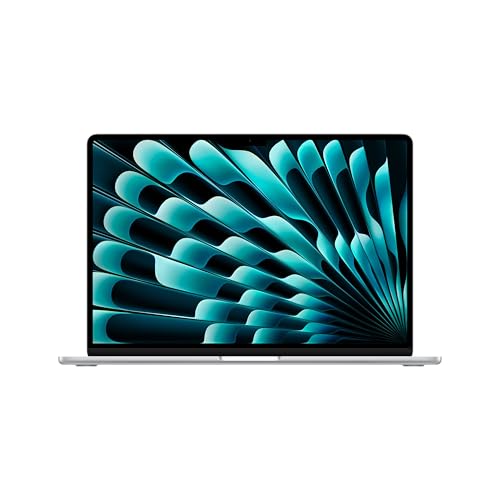
How to Evaluate Apple Laptops
A good checklist scores each machine on six areas: photo specific features, processor tier, graphics, memory and storage, operating system fit, and display quality. A laptop that is weak in any one of these can still look fine on a spec sheet, so treat each area as a pass or fail gate. If you are still deciding between Apple and other platforms, our overview of the best apple laptops shows how the range is structured from entry models to pro machines.
Features That Matter for Photographers
Photographers need fast card import, smooth culling, and responsive sliders in apps like Lightroom and Photoshop. Look for fast USB C ports for readers and drives, a screen that covers the P3 color space, and a keyboard and trackpad that stay comfortable during long sorting sessions. A model that covers the basics of the wider best laptops for photographers category, such as strong color accuracy and quick storage, will serve you far better than one chosen on processor speed alone.
Processor and Performance Tier
Apple groups its chips into tiers, and each step up mainly adds graphics cores and memory bandwidth. The base tier handles culling, catalog work, and moderate raw editing well. The middle tier is the sweet spot for heavy Lightroom use, large panoramas, and batch exports, because extra cores shorten the waits you feel dozens of times a day. The top tier suits photographers who also edit video or stitch very large files, but it costs much more for gains that still photographers may rarely notice.
Graphics (Integrated vs Dedicated GPU)
Every current Apple laptop uses integrated graphics built into the chip, so there is no separate graphics card decision to make. What changes between tiers is how many graphics cores you get and how much memory those cores can share. More cores speed up AI denoise, masking, and effects that modern editing apps offload to the GPU. If you split time between stills and gaming, our guide to the best apple laptops for gaming explains how the same tiers handle games.
RAM and Storage
Treat 16 GB of memory as the practical minimum for serious photo work, because editing apps, a browser, and cloud backup tools all compete for the same pool. Choose 24 GB or 32 GB if you build layered Photoshop files or keep several apps open while exporting. For storage, 512 GB is a workable floor, but 1 TB or more saves you from constant offloading. Internal SSD speed on Apple machines is strong across the range, so capacity matters more than raw speed here.
Operating System
All of these machines run macOS, which means your real decision is ecosystem fit. macOS pairs smoothly with an iPhone for quick transfers, supports the major photo apps in native Apple silicon versions, and receives updates for many years. If your studio relies on Windows only software or a specific plugin, check compatibility before you switch. Readers weighing that move may find our look at the best non apple laptops useful for seeing what the other side offers at similar prices.
Display Size, Resolution, and Brightness
The display is the one spec you will judge every single day. Aim for full P3 color coverage, brightness of at least 500 nits for work near windows, and a resolution high enough that fine detail and sharpening are easy to assess. A 14 inch screen balances portability and editing space for most people, while 16 inch models suit desk based work and 13 inch models suit travel. Matte behavior matters too, since glossy screens can mirror bright studio lights and shift your sense of contrast.
Price Tiers That Pass the Checklist
Rather than naming specific models, it helps to think in price tiers, because each tier buys a predictable bundle of the criteria above. The product table above shows which current machines fall into each band. Match your workload to a tier first, then pick the screen size and storage that fit your budget within it.
Balanced Tier
The balanced tier, usually around $1,599 to $1,999 depending on configuration, pairs a mid level chip with 16 GB or 24 GB of memory and at least 512 GB of storage. This is the tier most working photographers should start from, because it handles large catalogs, AI features, and batch exports without long pauses. Its main limit is price creep: adding memory and storage at checkout can push it close to the tier above, so compare final totals, not starting prices.
Value Tier
The value tier, often around $999 to $1,299, uses the base chip and usually starts at 16 GB of memory on current models. It is a smart buy for hobbyists, students, and travel editing, and it still delivers an excellent color accurate screen. The trade offs are fewer ports, a smaller storage ceiling, and slower exports on very large jobs. If most of your work is culling and moderate edits, this tier leaves budget room for a good external drive and a backup subscription.
Heavy Use Tier
The heavy use tier, generally around $2,499 and up, adds the strongest chips, memory options of 32 GB or more, and the largest, brightest displays. Choose it if you stitch gigapixel panoramas, edit medium format files, or run photo and video work on one machine all day. The costs are real: more weight, a much higher price, and power you may not use on ordinary shoots. Slimmer machines in this class overlap with the best notebook laptops category, so compare weight as carefully as speed.
Quick Buyer Checklist
Run through these questions before you pay. A no on any of the first four usually means you should change configuration rather than hope the issue goes away later.
- Does the screen cover the P3 color space with at least 500 nits of brightness?
- Does the configuration include at least 16 GB of memory?
- Is the internal storage at least 512 GB, or do you have a fast external drive ready?
- Are there enough USB C ports for your card reader, drive, and charger at once?
- Does the weight fit how often you actually carry the laptop to shoots?
- Is your main editing app fully supported on Apple silicon?
- Does the final configured price, not the starting price, fit your budget?
- Have you budgeted for a backup drive and a padded sleeve?
Red Flags to Watch For
Some listings look attractive until you read the details closely. Watch for these warning signs, because each one tends to surface after the return window closes.
- Older models sold with only 8 GB of memory, which modern photo apps outgrow quickly.
- Base storage of 256 GB paired with a price close to better configured machines.
- Screens described with vague terms like vivid color instead of a stated P3 percentage.
- Short warranty terms or unclear return policies from third party sellers.
- Discounts that disappear once you add the memory and storage you actually need.
How to Make Your Apple Laptop Last Longer
Keep macOS and your editing apps updated, since performance fixes for Apple silicon apps still arrive regularly. Avoid leaving the battery at full charge for weeks on end; if the laptop lives on a desk, use the built in charge limit options where available. Carry it in a padded sleeve, keep drinks away from the keyboard during edits, and clean the screen with a soft cloth so coatings stay intact. A yearly habit of archiving old catalogs to external storage also keeps the internal drive from filling up and slowing down.
FAQs
What features matter most in apple laptops for photographers?
Display quality matters most, followed by memory and storage. A P3 accurate screen decides whether your edits translate to print and client screens, while 16 GB or more of memory keeps large raw files responsive. One point many buyers miss is fan behavior: models with active cooling sustain export speeds longer than fanless designs during big batch jobs on warm days.
Should I buy a laptop or a tablet?
Buy a laptop if editing is your main job. Tablets are pleasant for quick culls and showing work to clients, but file management, tethered shooting, and layered edits remain far easier on a laptop with a real file system and full desktop apps. Many photographers end up using a tablet as a second screen or travel companion rather than as their only editing machine.
Is a dedicated GPU worth it?
On Apple laptops the question is really about chip tier, since graphics are integrated. Extra graphics cores do help AI denoise, subject masking, and video effects finish faster. For basic raw adjustments and exports, though, the difference is small, so spend first on memory and storage. Move up a tier mainly if you use GPU heavy features every week or edit video alongside stills.
How much RAM do I need?
Most photographers should buy 16 GB as a floor and 24 GB or 32 GB for layered files and multitasking. Memory on these machines cannot be upgraded later, so decide based on your next three years, not your current catalog. A simple test helps: if your current computer regularly warns about memory pressure while editing, choose one step above what you have now.
How long should an apple laptop last?
A well chosen Apple laptop should last five to seven years for photo work. Battery health usually fades first, and a battery service can extend useful life by years. Longevity improves when you buy memory and storage with headroom, because those fixed parts set the ceiling long before the processor feels slow. Keep the vents and keyboard clean and the machine will age more gracefully.
Is a Chromebook enough for photographers?
No, not for serious photo editing. Chromebooks cannot run the full desktop versions of the main raw editors, and their screens rarely offer verified P3 coverage or calibration support. Browser based editors handle small JPEG jobs and quick shares, but large raw catalogs, tethered capture, and print proofing need a full operating system. A Chromebook can still work as a cheap travel backup for moving files to cloud storage.
Our Verdict
Start with the display, then lock in memory and storage, and only then compare processor tiers. That order keeps the best apple laptops for photographers honest, because it reflects how editing actually feels day to day. Check the product table above once your configuration is set, and choose the tier that matches your workload instead of the highest spec you can stretch to afford.