
Best Apple Cider Tablets by Budget: A Simple Guide for 2026
Disclosure: We may earn a commission when you buy through links on this page, at no extra cost to you. As an Amazon Associate I earn from qualifying purchases. Learn more

How to choose the best apple cider tablets by strength, added ingredients, tablet count and cost per serving.
Apple cider vinegar in tablet form promises the convenience of a capsule style routine without the sharp taste and acidity of the liquid. Prices vary widely for bottles that look similar, and labels use different serving sizes that make direct comparison tricky for a first time buyer.
This guide shows you how to judge the best apple cider tablets by what is actually in each serving, what each price tier tends to add, and what you can safely skip. Use the comparison table below to line up tablet counts and strengths, then read on for the safety points that matter with any supplement.

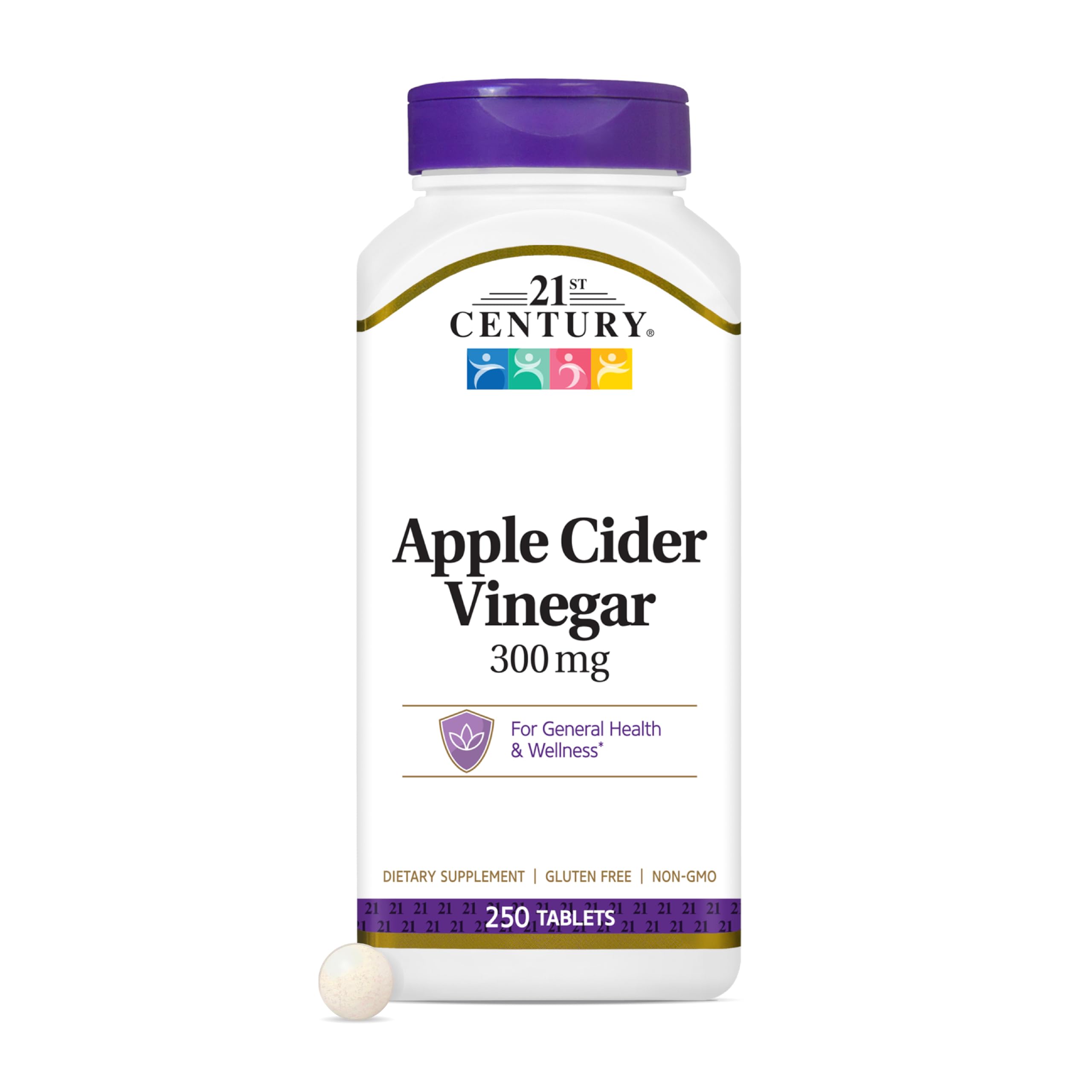

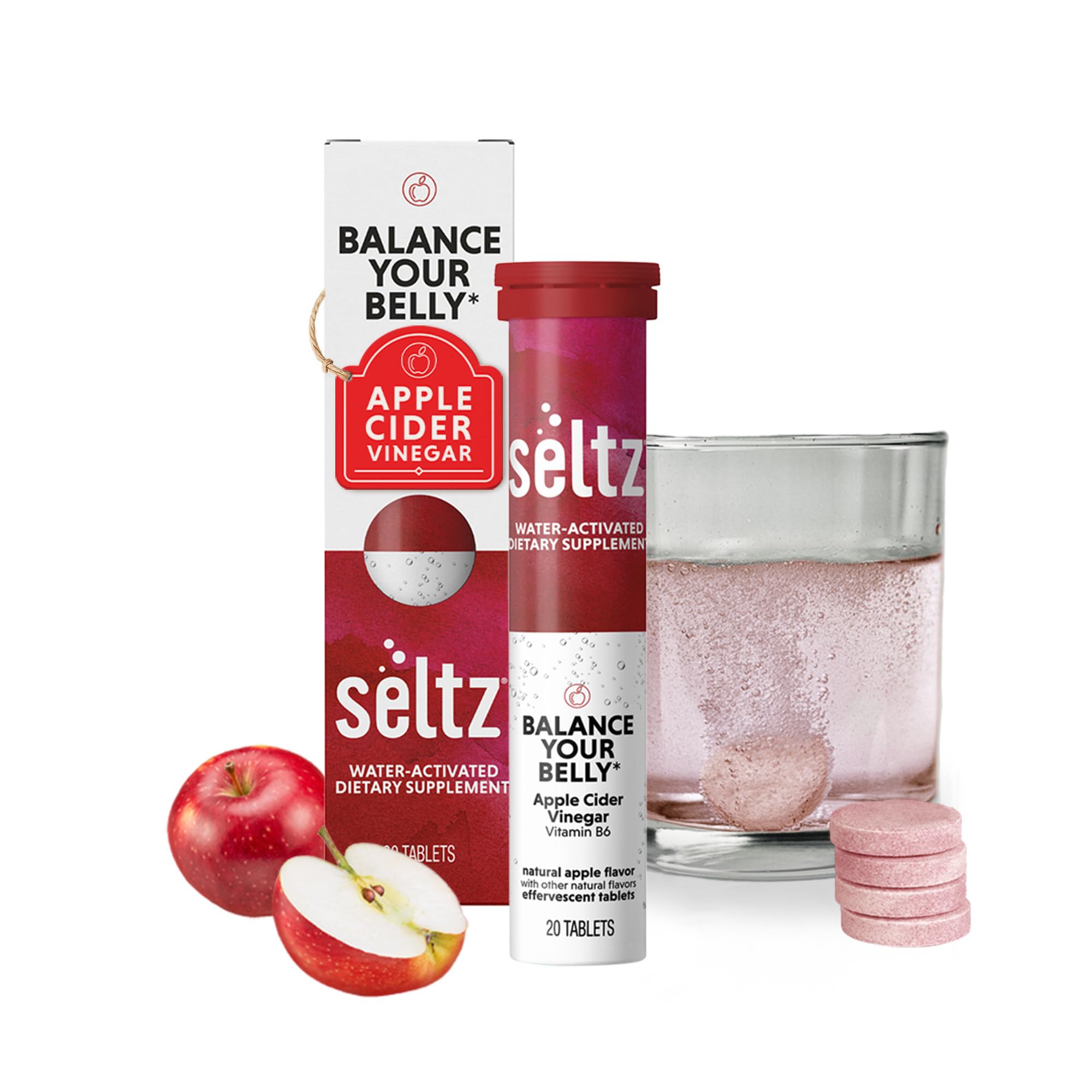

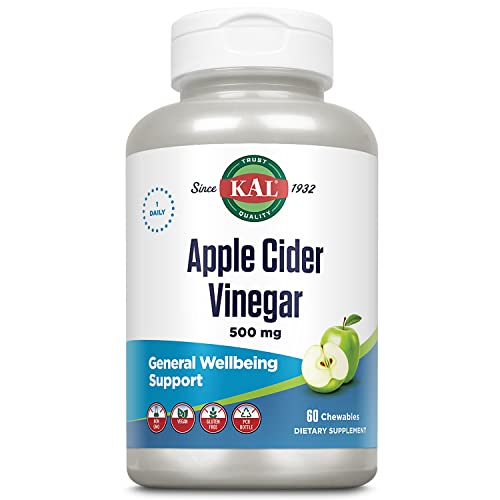
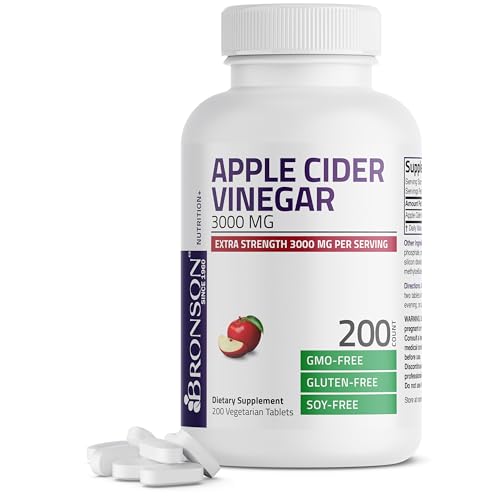



What to Look for at Each Budget
Budget in this category is less about luxury and more about clarity. A well labeled basic tablet can serve you better than a costly blend with a long list of extras you never asked for.
Budget Tier Checklist
Budget options, often under $15 a bottle, usually offer plain apple cider vinegar powder in tablet form with a modest strength per serving. That is enough if you simply want to try the format and see how it fits your routine. Check that the label states the amount per serving clearly and that the bottle holds at least a month of servings, since tiny bottles can look cheap while costing more per day.
Midrange Tier Checklist
Midrange options, often about $15 to $25, tend to add clearer sourcing, third party testing claims you can verify, and sometimes a small number of added ingredients such as ginger or cayenne. Tablet counts rise, so cost per serving often drops even as the bottle price climbs. This tier suits regular users who want consistent quality and a label they can trust without paying for extras of doubtful value.
Premium Tier Checklist
Premium options, often above $25, sell organic sourcing, larger supplies, and added nutrients or probiotic style blends. Some of that can be worthwhile, but much of the premium pays for branding. Before you pay it, confirm the core strength per serving is at least as strong as midrange options and that added ingredients appear in meaningful amounts rather than as trace dusting at the end of a long label.
What Your Money Gets You at Each Price Tier
Budget Tier: What to Expect
Expect a simple formula, a standard bottle size, and basic quality statements. That can be perfectly fine for a cautious trial. The main risks at this tier are vague labels that hide the amount per tablet and serving sizes that require three or four tablets a day, which empties the bottle fast. Always convert the price to cost per day using the stated serving size before you judge value.
Midrange Tier: The Sweet Spot for Most Buyers
Midrange spending usually buys transparency: a stated strength per serving, a supplement facts panel that lists added ingredients with amounts, and manufacturing standards noted on the label. You may also get a ninety day supply that lowers cost per serving. For a close relative of this format, our guide to the best apple cider vinegar tablets walks through label reading for the vinegar focused versions in more detail.
Premium Tier: When Spending More Pays Off
Spending more pays off when it buys verified organic powder, independent testing, and a supply that lasts a full season at a fair cost per serving. It does not pay off when the price rests on celebrity style marketing or on blends that hide weak core amounts. If two bottles state the same strength and testing, the cheaper one is usually the smarter buy regardless of tier labels.
Features Worth Paying For and Ones to Skip
Strength and Serving Size
Strength per serving is the core spec. Labels state the vinegar powder amount in milligrams per serving, but serving size varies from one tablet to several. Compare the daily amount, not the per tablet amount, and note how many tablets a day the routine requires. A product that needs four tablets daily may annoy you and cost more than a stronger two tablet option over a month.
Added Ingredients
Common additions include ginger, cayenne, turmeric, and B vitamins. Each addition should have a clear purpose and a stated amount. Long blends with tiny amounts of many trendy items rarely add real value and can complicate safety if you take medication. Simpler is often better here. If an added ingredient matters to you, choose a formula that lists its amount openly rather than inside a proprietary blend total.
Tablet Form and Ease of Use
Tablets vary in size and coating. A smooth coating and moderate size make daily use easier, especially if you dislike swallowing larger tablets. Some people prefer this format because it avoids the acidity of liquid vinegar on teeth and the stomach. Take tablets with a full glass of water and with food if your stomach is sensitive, and stop if you notice persistent discomfort.
Testing, Certifications, and Label Clarity
Look for good manufacturing practice statements, allergen notes, and any independent testing you can verify on the maker site. Organic certification can matter if you value sourcing, but it does not prove stronger effects. Avoid any label that promises rapid weight loss or disease treatment, since lawful supplements cannot claim to treat disease and bold promises are a warning sign of poor quality control.
Cost per Serving and Supply Size
Divide the bottle price by the number of servings, not the number of tablets, to get your true daily cost. Larger bottles usually lower that cost but tie up money if you are still testing tolerance. A practical approach is to start with a one month supply, confirm the routine suits you, and only then buy the larger size. Timing questions are covered in our guide to the best time to take apple cider vinegar tablets, which explains morning and mealtime routines.
Long Term Costs to Factor In
A daily supplement is a recurring cost, so multiply the monthly price across a year before you commit to a premium tier. Subscriptions can trim the price but may ship before you finish a bottle if your routine lapses, so set a realistic delivery gap. Also factor in that needs change: if your clinician advises you to stop, a stockpile loses its value. Buying one tier down and using the savings toward varied whole foods often serves overall health better than chasing the costliest bottle. If fiber is part of your wider routine, our guide to the best fiber tablets explains how those products differ and why you should not stack supplements without a plan.
FAQs
How long should a bottle of apple cider tablets last?
A standard bottle should last about thirty days at the stated serving size. Check the serving count on the label rather than the tablet count, since multi tablet servings drain a bottle faster than buyers expect. If a bottle lasts far less than a month, its daily cost is higher than the shelf price suggests, so recalculate cost per serving before you reorder the same option.
Can apple cider tablets replace the liquid form?
Tablets can replace the liquid for convenience, but the amounts are not directly equal. Liquid servings deliver acetic acid in a form tablets may not match milligram for milligram, because tablets use dried powder. One benefit buyers overlook is dental comfort: tablets avoid bathing your teeth in acid. Rinse your mouth after liquid use if you ever switch back, and tell your dentist about regular vinegar habits.
Are apple cider tablets safe to take every day?
Daily use is common, but safety depends on your health and medication. Vinegar based products can interact with insulin, diuretics, and some heart medicines, and may lower potassium in high amounts. Warning signs such as ongoing stomach pain, nausea, dizziness, or throat irritation mean you should stop and seek medical advice. Talk with your doctor before daily use if you are pregnant, manage diabetes, or take prescription medication.
Will apple cider tablets help me lose weight on their own?
No tablet will cause meaningful weight loss on its own. Evidence for vinegar and weight is modest at best, and any benefit would be small next to food, activity, and sleep habits. Treat these tablets, at most, as a minor addition to a routine your clinician supports. Be skeptical of any label or advert that promises fast results, since that claim alone is a strong reason to choose a different brand.
How much should I take each day?
Follow the serving size on your product label and do not exceed it. More is not better with acidic ingredients, and doubling servings raises the chance of stomach upset without proven extra benefit. A useful habit is to note the start date and any symptoms in your phone for the first two weeks. That simple record helps you and your clinician judge whether the routine suits you.
Final Thoughts
Judge strength per daily serving first, label clarity and testing second, and true cost per serving third. With those checks, the product table becomes easy to read and the premium tier has to earn its price. For most people the best apple cider tablets sit in the transparent midrange, and you should talk with your clinician about your personal needs before making any supplement a daily habit.


