Best Apartment Sectional Sofas of 2026: Complete Buying Guide
Disclosure: We may earn a commission when you buy through links on this page, at no extra cost to you. As an Amazon Associate I earn from qualifying purchases. Learn more
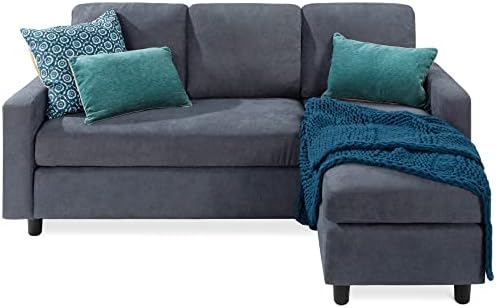
Best apartment sectional sofas for small living rooms: measuring, frame quality, fabrics and delivery checks in one guide.
A sectional can make a small apartment feel generous, or it can swallow the whole room and block every walkway. The difference comes down to measuring honestly, choosing the right shape, and checking build quality before you fall for a fabric color. This guide to the best apartment sectional sofas walks you through each decision in order. Use the comparison table below to scan sizes and configurations once you know your room limits.
You will learn how to measure doors and hallways, what seat depth suits your body, and which frame and foam details predict a longer life. No single sofa suits every renter, student, or small household, so the sections below focus on matching the sofa to your space and habits.


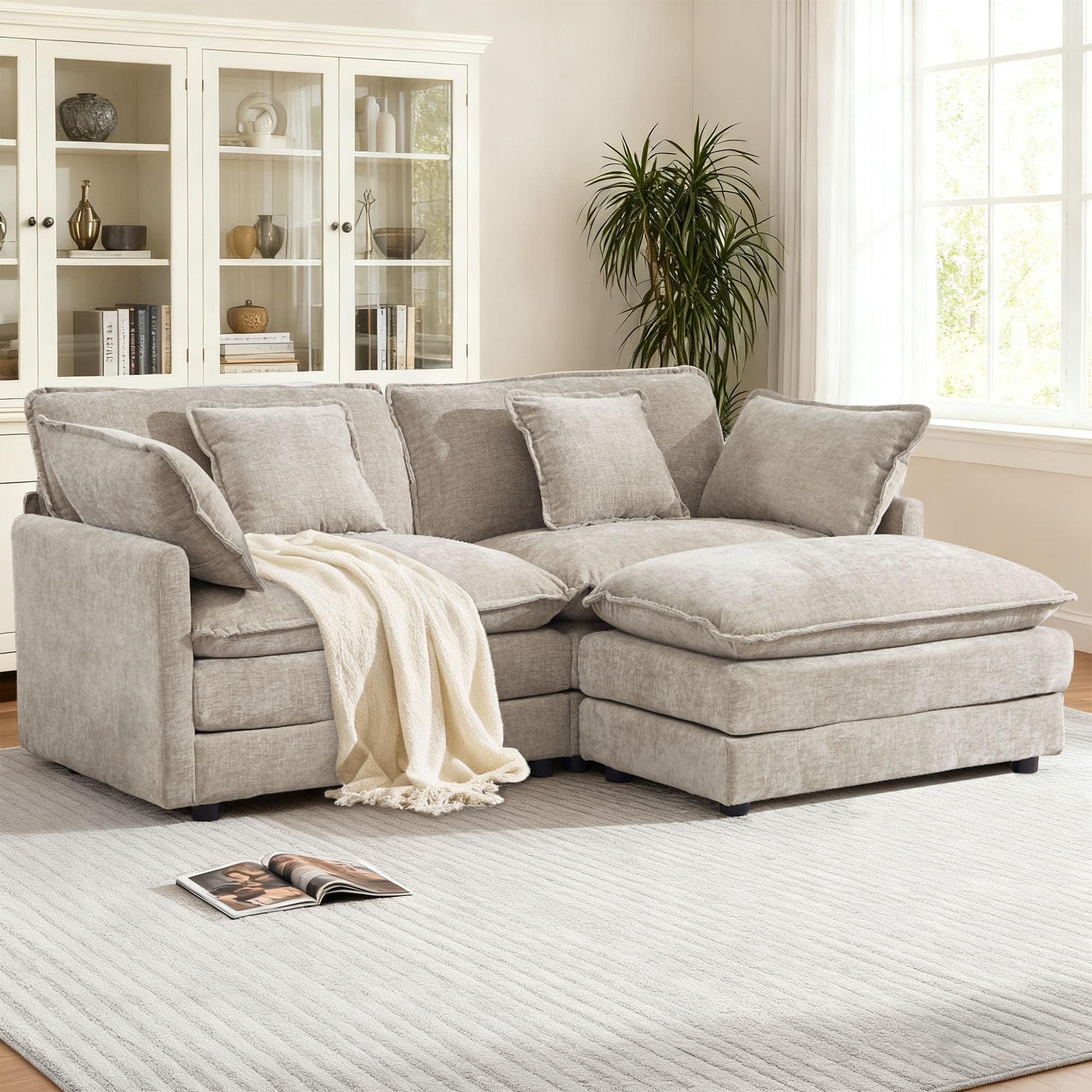


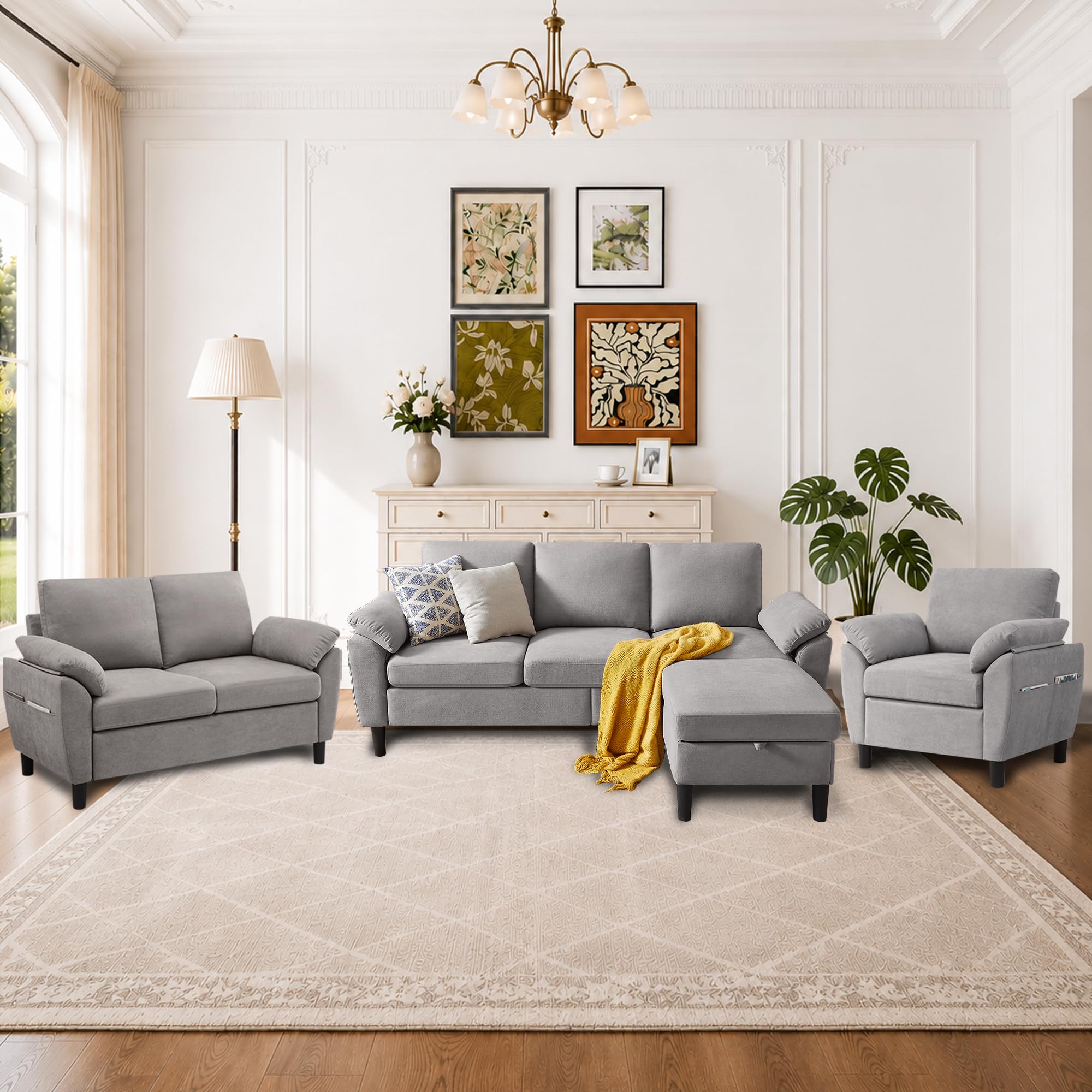
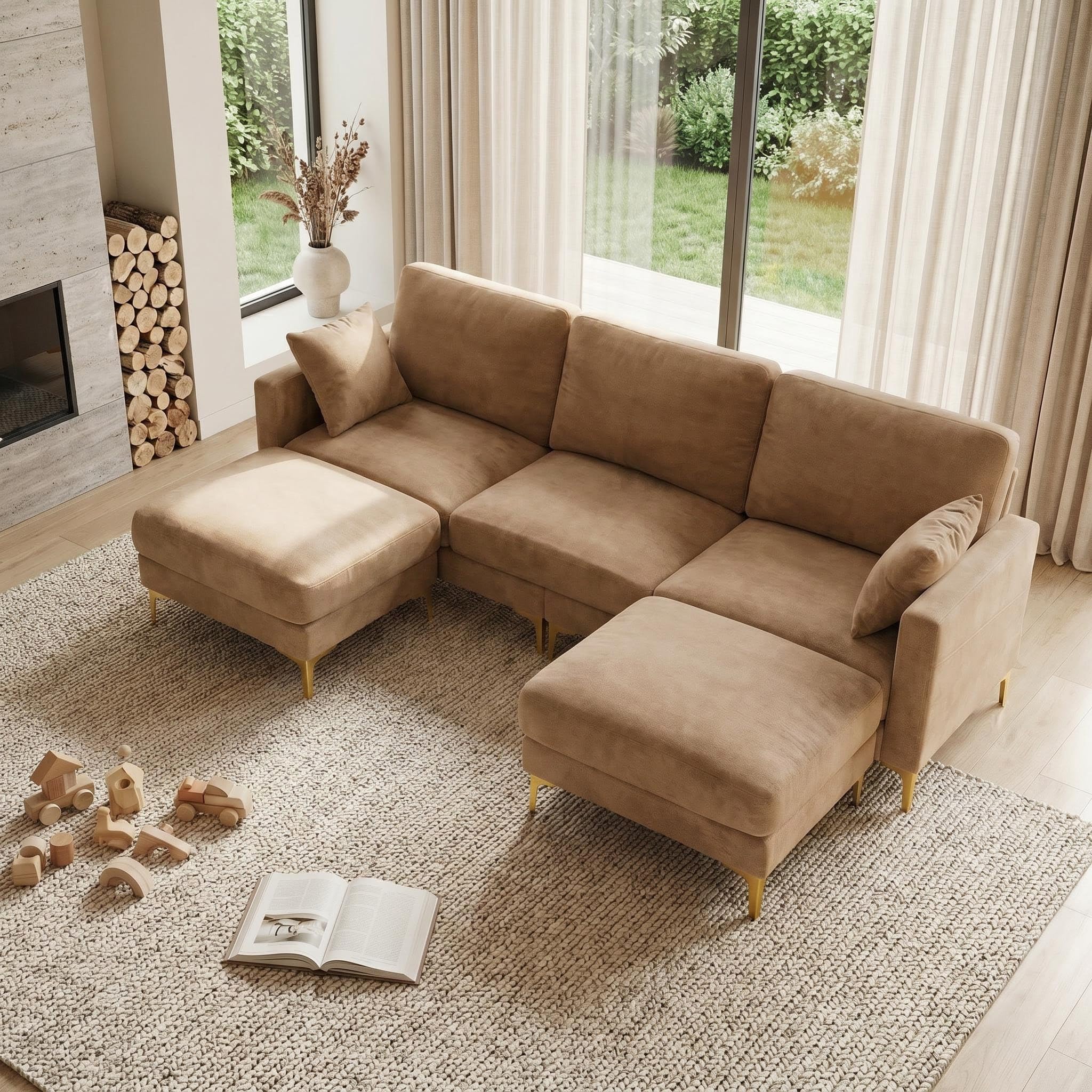
Three Buying Profiles at a Glance
Mid to Upper Range Profile
The strongest all around profile for most apartments is a compact L shape with a reversible chaise, a hardwood or sturdy engineered frame, and removable washable covers. Look for a total width that leaves clear walking space on at least one side and seat cushions you can flip and rotate. This profile balances daily comfort, guest seating, and a footprint that still fits a coffee table. Expect to pay a mid range to upper price, roughly about $900 to $1,800, for better foam and joinery.
Value Profile
A value focused profile keeps the shape simple, usually a two seat sofa with a short chaise, and spends money on the frame and foam instead of extra features. Storage under the chaise and stain resistant fabric add real daily value for small homes. Skip built in recliners and power parts at this tier, since they add weight, cost, and failure points. A sensible value range is about $600 to $1,100, and the main trade off is a smaller fabric and color selection.
First Sectional Profile
If this is your first sectional, choose a modular design that ships in small boxes, assembles without tools, and can change from left facing to right facing. Modular pieces forgive measuring mistakes because you can remove one seat or rearrange the layout when you move. Look for clear assembly instructions, spare hardware in the box, and a return policy that covers assembled furniture. The limitation is that very light modular frames can feel less solid than a single fixed frame, so check the weight capacity per seat.
How to Choose: A Step by Step Buying Guide
Ergonomics and Adjustability
Sit comfort starts with seat height and depth. A seat height around 17 to 19 inches lets most adults sit with feet flat on the floor, which matters if you work or eat on the sofa. Seat depth around 20 to 22 inches suits average heights, while deeper seats need extra pillows for back support. Firm lumbar support comes from the back cushion shape and foam, not from a tall back alone.
Armrests should sit low enough that your shoulders stay relaxed, and wide arms steal seating space in a small room, so slim arms are often the smarter apartment choice. If you are comparing layouts for tight rooms, our guide to the best sectional sofas for small apartments covers compact footprints in more detail. Test sitting the way you actually live, upright with a laptop and stretched out with your legs up.
Materials and Upholstery
Performance polyester and woven blends are the practical default for apartments because they resist stains, handle sunlight better than many natural fibers, and clean with mild soap and water. Tightly woven fabric hides pet hair less but releases it easily with a vacuum. Velvet looks rich and feels soft, yet shows pressure marks and needs gentler care. Faux leather wipes clean fast but can feel hot in summer and may peel over time if the surface layer is thin.
Ask whether covers come off for washing, and check the care code on the tag before you buy. A removable cover you can machine wash on a gentle cycle is worth real money in a home with kids, pets, or frequent guests. Whatever fabric you pick, order swatches first and view them in your own daylight and evening light, because showroom and phone photos often shift colors.
Build Quality and Frame
The frame decides how long the sofa keeps its shape. Kiln dried hardwood and corner blocked joints are the traditional signs of a sturdy build. Engineered wood can work well when it is thick, well joined, and paired with solid legs and a reinforced seat deck. Thin particle board frames and stapled joints are the first things to loosen in budget models, which is why very cheap sectionals often wobble within a year or two.
Check the suspension too. Sinuous springs give a firm, even sit, while webbing feels softer but can sag sooner under daily use. Ask about weight capacity per seat, and give the showroom or delivered sofa a simple check: sit on one corner, shift your weight, and listen for creaks. For a broader look at frame and fabric standards, see our guide to the best quality sectional sofas.
Style and Room Fit
Measure your room, then draw the sofa footprint on the floor with painter tape before you order. Leave about 30 to 36 inches for main walkways and at least 14 to 18 inches between the sofa edge and a coffee table. Confirm the chaise side, because a left facing and right facing layout are mirror images and ordering the wrong one is a common and costly mistake.
Delivery fit is just as important as room fit. Measure door width, hallway turns, stairwells, and elevator depth, and compare them with the largest box or assembled section. Low profile legs and light colors make a sectional feel smaller in a tight room. If you are still deciding between a sectional and a straight sofa, our guide to the best apartment sofas can help you compare the two shapes honestly.
Warranty and Return Policy
Read the warranty in parts, since frame, springs, foam, and fabric often carry different terms. A frame warranty of five years or more signals confidence, while a short ninety day cover on everything is a warning sign at higher prices. Ask who pays return shipping for a large sectional, because that cost can erase the savings on a budget buy.
Comfort and Cushioning
High density foam, usually listed around 1.8 lb density or higher for seat cushions, keeps its shape longer than soft low density foam. Foam wrapped in fiber feels welcoming at first sit while the core does the long term support work. Very soft cushions feel great for a film night but can leave your lower back unsupported during long reading or work sessions.
Plan to rotate and flip cushions monthly so wear and sunlight spread evenly. If a listing hides foam density and only uses words like plush or premium, treat that as missing information and ask the seller directly. Comfort is personal, so where possible sit for at least ten minutes rather than judging from a quick perch on the edge.
Types of Apartment Sectional Sofas
Ergonomic Models
Ergonomic models in sofa terms means supportive seat geometry, a back angle that keeps your spine neutral, and arm heights that do not push your shoulders up. These suit people who sit for long stretches to read, work, or watch sport. The trade off is a firmer first impression, so they can feel less sink in soft than lounge focused designs.
Compact and Space Saving Models
Compact models cut depth, use slim arms, and often add storage inside the chaise or seat base. Apartment sized sectionals around 78 to 90 inches wide fit many small living rooms while still seating three people. They suit renters and first homes best. The limitation is stretched out lounging room, since a short chaise will not support taller legs fully.
Budget Models
Budget models, often under $600, use lighter frames, thinner foam, and simpler fabrics to reach the price. They can be a sensible choice for a first apartment, a guest room, or a short lease. Expect a shorter working life and fewer replacement parts. If sleeping guests is a regular need rather than a rare event, compare your options in our guide to the best sectional sleeper sofas before you commit to a standard design.
Best Apartment Sectional Sofas for Specific Needs
Small Apartment Sectional Sofas
When you shop for a small apartment sectional, three criteria matter more than anything else. First, total depth under about 35 inches keeps walkways open. Second, a reversible or modular chaise protects you if you move homes. Third, raised legs make the floor visible, which keeps the room feeling open and lets a robot vacuum pass underneath. Measure twice, because in a small room a two inch error decides whether a door still swings fully open.
Care and Maintenance Tips
- Vacuum weekly. Use an upholstery tool along seams and under cushions, where crumbs and grit wear fabric fastest.
- Rotate cushions monthly. Flipping and swapping seat cushions spreads foam wear and fading evenly across the sofa.
- Tighten legs and bolts every few months. Sectional connectors and screw in legs loosen with daily movement, and a quick check prevents wobble and floor scratches.
- Blot spills at once. Press with a clean cloth and mild cleaner made for your fabric code, and never rub, which pushes the stain deeper.
- Keep fabric out of harsh direct sun. Rotate the layout or use curtains during the brightest hours if one side faces a large window.
- Lift, never drag, when moving. Dragging stresses joints and legs, so empty storage sections first and carry each piece with two people.
Apartment Sectional Sofas: Your Questions Answered
Is an expensive apartment sectional sofa worth it?
It can be worth it if the extra money buys a stronger frame, denser foam, and a longer warranty rather than styling alone. Those parts decide how the sofa feels in year three, not week three. If you plan to move within a year or two, a mid range option often makes better financial sense than a premium one.
What features matter most for long hours of sitting?
Seat depth that matches your leg length, firm lumbar support, and breathable fabric matter most for long hours. Add a small lumbar pillow if the back cushions are deep and soft. Stand up and move every hour or so, because no sofa, however supportive, replaces regular movement for your back and hips.
How long should a good apartment sectional sofa last?
A good apartment sectional should last about seven to ten years of daily use with basic care. Budget frames may feel loose after two to four years, while strong hardwood frames can go longer with new cushion foam. Sunlight, pets, and frequent moves shorten life more than sitting alone, so protect fabric and lift carefully during every move.
How do I choose the right sectional size?
Start with the taped outline test on your floor, then check every doorway and turn on the delivery path. Leave clear walkways and room for doors and drawers to open. When two sizes both fit, choose the smaller one if your room also holds a desk, shelves, or a play area, since open floor is a feature in apartment living.
Wrapping Up
Measure your room and delivery path first, then judge frame and foam, and only then choose fabric and color. That order prevents nearly every common sectional regret. Use the product table to compare footprints and prices against the limits you set, and revisit our notes on the best inexpensive sectional sofas if budget is your tightest constraint. Picked with care, the best apartment sectional sofas give you generous seating while leaving your small home easy to live in.