Best Anxiety Blankets Made Simple: A Clear Buying Guide for 2026
Disclosure: We may earn a commission when you buy through links on this page, at no extra cost to you. As an Amazon Associate I earn from qualifying purchases. Learn more

Best anxiety blankets explained for first time buyers: weight, fabric and care basics with a simple checklist.
Buying your first anxiety blanket can feel confusing because listings mix weight, size, fabric, and calming claims in one long page. This guide starts with the plain basics, then walks you through each choice step by step so you can match a blanket to your body, your bed, and your sleep temperature. When you shop for best anxiety blankets, the goal is not the heaviest option you can find. The goal is steady, even pressure that feels comforting without making you hot, sore, or trapped.
Use the comparison table below to scan weight ranges, sizes, and cover fabrics side by side once you know what you need. By the end, you will have a short checklist you can use on any listing. You will also know which warning signs mean a blanket is not right for you and when to talk with a clinician instead.




Anxiety Blankets 101: What the Best Anxiety Blankets Have in Common
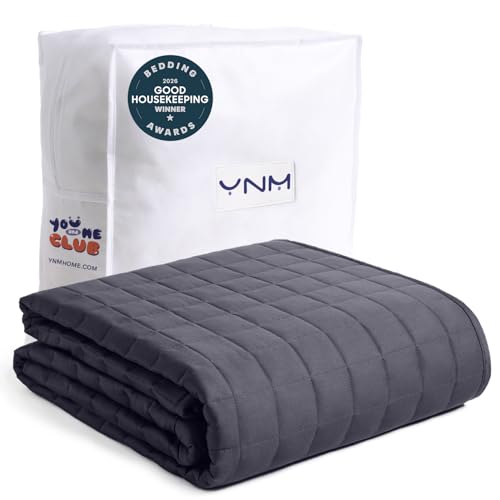
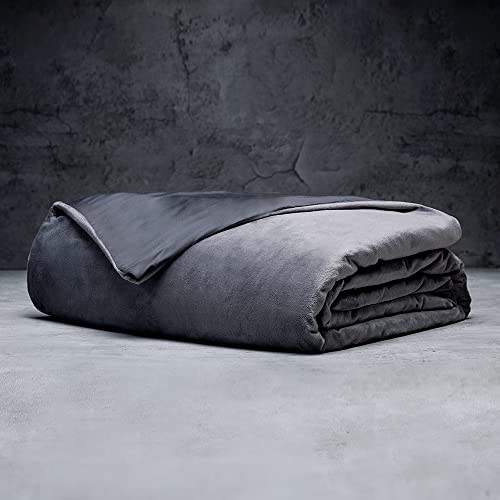
An anxiety blanket is usually a weighted blanket, which means it has extra weight spread evenly across its surface. Tiny glass beads, plastic pellets, or dense fill sit inside stitched pockets so the weight stays balanced instead of pooling in one corner. When you lie under it, that even weight creates deep pressure, a gentle squeezing sensation many people find calming at bedtime.
The idea is similar to a firm hug. Some people feel more settled and fall asleep with less tossing and turning, while others find the weight distracting or too warm. A blanket cannot treat anxiety, insomnia, or any medical condition, and results vary a lot from person to person.
A few terms will help you read listings. Loft means how thick and puffy a blanket feels, and fill means the material inside that provides weight or warmth. A duvet style cover is a removable shell you can wash separately. Certifications such as OEKO TEX signal that fabrics were checked for certain harmful substances, while a sleep trial lets you test comfort at home before you commit.
Key Specs Explained in Plain English
Material and Fill
Start with the cover fabric because it touches your skin all night. Cotton percale feels crisp and breathable, cotton sateen feels smoother with a slight sheen, and linen feels airy and textured while softening over time. Bamboo derived viscose often feels cool and silky at first touch, though it may need gentler washing. If you sleep warm, breathable cotton or linen usually beats dense synthetic fleece.
Inside, glass beads are popular because they add a lot of weight in a thin layer, so the blanket drapes close to your body. Plastic pellets are bulkier and can feel lumpier. Some blankets skip beads and use layered fabric or dense knit for weight, which feels more flexible and makes less noise. Check that pockets are small and stitching is tight, since even distribution matters more than the fill name itself.
Durability and Care
Most weighted inner layers should not go in a home washing machine unless the maker says the size and weight are safe for your machine. A removable cover solves most of the problem because you can wash the cover weekly or as needed and spot clean the inner layer. Look for strong zippers or ties inside the cover so the inner blanket does not bunch up in one corner.
Durability shows up in stitching, pocket size, and fabric weight rather than in thread count alone. Read the warranty length and what it covers, such as leaking beads or broken seams. A sleep trial of at least a few weeks is valuable because comfort with weight is hard to judge in a store for five minutes. Keep the packaging until you are sure, and note the return window on your calendar the day the blanket arrives.
Firmness, Loft and Sleep Position
Blankets do not have mattress firmness, but they do have a clear feel. A thin, dense weighted blanket presses close and can feel firm and grounding. A thick, lofty blanket feels softer and warmer but may slide around more. Your sleep position shapes the choice. Side sleepers often like a blanket that drapes over the shoulder and hip without pulling tight across the neck.
Back sleepers usually do well with even weight across the torso and legs. Stomach sleepers often prefer lighter weight because heavy pressure on the chest and back can feel restrictive. A common starting point is about ten percent of your body weight, then adjust down if you feel pinned or up slightly if you feel almost nothing. Children, people who are pregnant, and anyone with breathing or circulation problems should ask a clinician before using a weighted blanket at all.
Support, Pressure Relief, and Edge Support
Good pressure relief means the weight spreads out instead of pressing on one sore spot. Small stitched pockets, a size that matches your body rather than your whole mattress, and a flexible fill all help. If you have shoulder, hip, or back pain, start lighter than the standard guideline and pay attention for a full week. More weight is not better when it leaves you aching in the morning.
Edge behavior matters too. A blanket that is much wider than your body will hang off the bed and slowly pull itself onto the floor. For one person, a twin or throw size that covers your body with a small margin usually stays in place better than a full bed size. Couples who want different weights do better with two separate blankets than with one shared blanket that suits neither partner.
If pain is new, severe, or getting worse, or if you have sleep apnea, asthma, reflux, or low blood pressure, talk with your doctor before buying. Stop using the blanket and seek medical advice if you feel short of breath, dizzy, numb, or unable to move it off your body easily. Comfort should never come at the cost of safe breathing or safe movement.
Motion Isolation and Noise
Sharing a bed adds two concerns, movement and sound. Glass bead blankets tend to be quiet, while pellet filled blankets can rustle when you turn over. A heavy shared blanket also transfers tugs, so when your partner rolls, you may feel the cover pull. Separate blankets solve most of this and let each person choose a personal weight.
Best Anxiety Blankets for Specific Needs
Hot sleepers should put cooling first, with a breathable cotton or linen cover, a thin bead layer, and no fleece side. People who feel restless mainly in the legs may like weight focused in a smaller throw used on the couch before bed. If you want general guidance for grown up sizing and weights, see our guide to the best anxiety blankets for adults for adult specific notes. Couples, as noted above, usually do best with two individual blankets.
Anti Anxiety Blankets: What the Label Means
When listings use the phrase anti anxiety blankets, treat it as a marketing label rather than a separate product category. The useful differences to check are the same core ones, just applied strictly. Choose even weight distribution in small pockets, a washable cover you will actually clean, and a trial period long enough to test real sleep. Avoid any listing that promises to cure anxiety or replace treatment, because no blanket can do that.
Rookie Mistakes to Avoid
- Buying too heavy. Starting far above ten percent of your body weight often leads to sore muscles, overheating, and a blanket you stop using within a week.
- Buying a bed size instead of a body size. Oversized blankets slide off, pull at the edges, and feel uneven across your torso.
- Ignoring the cover. A weighted layer you cannot wash or protect will pick up odors and stains, and cleaning mistakes can ruin the fill.
- Skipping the trial terms. Comfort with pressure is personal, so a short or costly return process is a real risk for a first purchase.
- Expecting medical results. A blanket may help you feel settled, but it is not a treatment for anxiety disorders, insomnia, or pain conditions.
Getting Started: Setup and First Use
When your blanket arrives, lay it flat on the bed for a few hours so the fill settles evenly into its pockets. Shake each edge gently and check the seams for loose threads or leaking fill before the first night. Put the removable cover on right away, using the inner ties if provided, so the layers move as one piece.
Try the blanket for short periods first, such as reading in bed for twenty to thirty minutes, before sleeping under it all night. Give yourself about a week of regular use to judge it fairly, since the first night often feels strange simply because the sensation is new. Wash your sheets weekly in warm water as usual, wash the blanket cover on the same rhythm, and keep the heavy inner layer out of direct heat when drying.
Store the blanket folded flat rather than bunched in a tight ball, which can stress seams over time. Never use it for a child under the age and weight limits the maker states, or for anyone who cannot remove it on their own.
Frequently Asked Questions
Are cooling anxiety blankets worth it for hot sleepers?
Yes, for hot sleepers a cooling design is often worth it because heat is the top reason people abandon weighted blankets. Look for a breathable cotton or linen cover and a thin glass bead layer rather than special gel claims. One extra tip is to use the blanket over a light top sheet, which reduces skin contact warmth while keeping the pressure you want.
How do I wash anxiety blankets safely?
Wash the removable cover like normal bedding, and follow the inner layer instructions exactly because weight limits differ by machine. Many heavy inner layers need spot cleaning or a commercial machine at a laundromat. Never wring a bead filled blanket hard, since that stresses the pocket stitching. Air drying flat, turned once, protects both seams and fill distribution better than high heat.
How often should I replace my anxiety blanket?
Replace it when the fill starts leaking, pockets tear, or the weight clumps so badly that shaking no longer evens it out. For many people that is after a few years of nightly use, though covers wear out sooner and can be replaced alone. A sudden musty smell that survives careful washing is another sign the inner layer has reached the end of its life.
What firmness is best for back pain?
There is no single firmness that fixes back pain, and a blanket is not a treatment for it. If you have back pain, choose a lighter blanket that drapes evenly and does not press your body into the mattress. Pay attention to how your back feels on waking for a week. If pain increases, stop using it and discuss both the pain and the blanket with your clinician.
Is a higher thread count always better?
No, a higher thread count is not always better for a blanket cover. Very high counts can use thinner yarns and feel less breathable, which matters when a weighted layer already traps heat. Weave, fiber quality, and finishing matter more than the number alone. If you are comparing cover quality across bedding in general, our guide to the best quality blankets explains what to inspect first.
The Bottom Line
Keep your decision simple. Match the weight to your body at about ten percent, choose a breathable washable cover, and buy a size that fits you rather than your mattress. Use the product table to compare those three points first, then check trial and warranty terms. For a deeper look at weight choices by adult body type, the guide to the best weighted blankets for adults with anxiety is a helpful next read. Chosen carefully, the best anxiety blankets feel like a calm, steady hug you look forward to each night. Talk with your clinician about your personal needs, especially if you have breathing, circulation, pain, or sleep conditions.