The Best Anxiety Blankets for Adults: Buying Guide for 2026
Disclosure: We may earn a commission when you buy through links on this page, at no extra cost to you. As an Amazon Associate I earn from qualifying purchases. Learn more

Best anxiety blankets for adults compared by weight, fill and cooling fabrics, with sizing rules and simple care tips.
When your mind will not slow down at night, steady, even pressure across the body can feel deeply calming, and that is the idea behind the weighted and comfort blankets sold for anxiety. The hard part is choosing well, because weight, fill, and fabric change the experience completely, and a blanket that helps one adult can feel stifling to another. This guide to the best anxiety blankets for adults explains how to match the blanket to your body and your sleep habits.
A quick honesty note. These blankets are a comfort tool, not a treatment for an anxiety disorder. If anxiety is disrupting your work, health, or daily life, talk with your doctor or a mental health professional about a full care plan, and let the blanket be one small part of it. Use the comparison table below to note the options, then work through the sizing and fabric advice here.




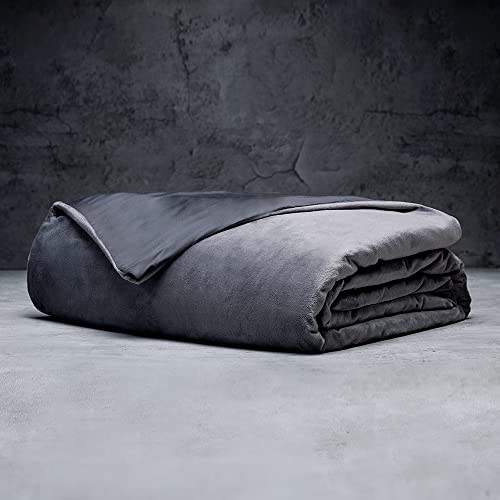

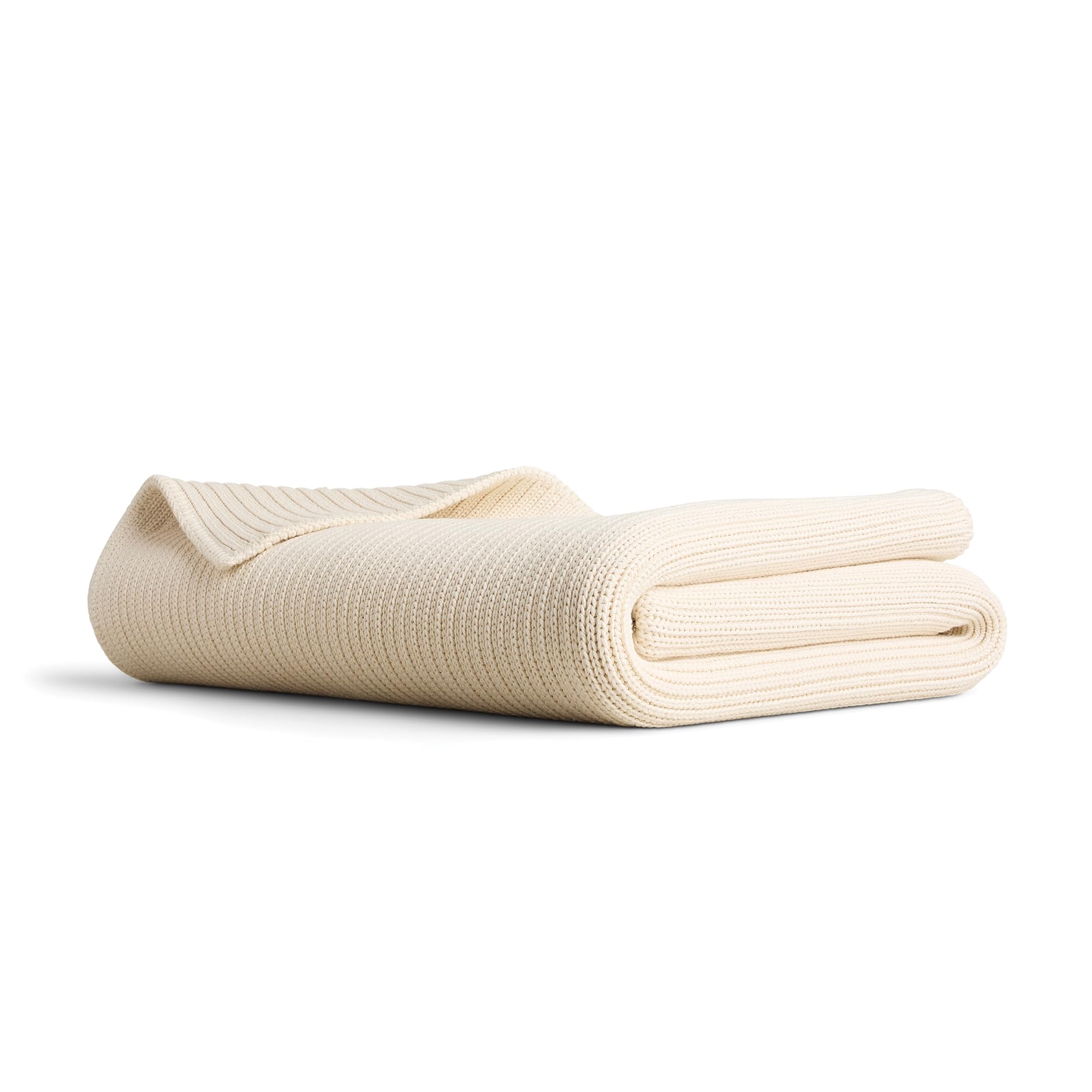
Price Tiers at a Glance
Instead of naming specific models, this section explains what each price tier usually delivers, so you can judge the product table and any store shelf with clear eyes.
Upper Mid Tier
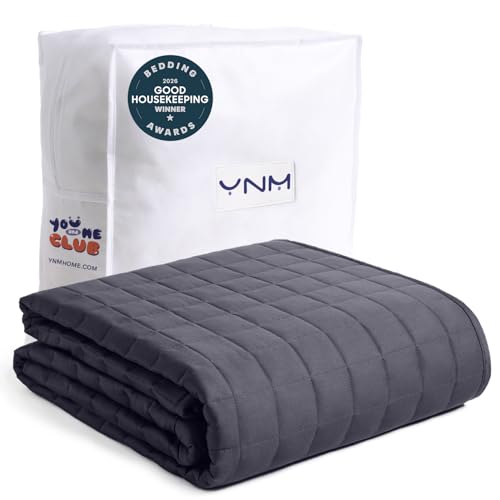
The strongest overall blankets usually cost about $80 to $180 in adult sizes. At this level expect glass microbeads or steel shot fill held in small, even pockets, a breathable cotton or bamboo derived cover, and stitching that keeps the weight from pooling at one end. A removable, washable cover is common here, and it matters, because washing the whole heavy blanket is a chore. This tier suits most adults who want a blanket that feels calm and well made from the first night and stays even after a year of use.
Value Tier
Value blankets, often about $40 to $80, typically use plastic poly pellets or a simpler fill and a basic polyester cover. They can deliver the same calming pressure, which is the main event, and for many people that is enough. The trade offs show up in heat retention, slightly less even weight spread, and covers that pill sooner. If you are unsure whether you even like weighted pressure, this tier is a sensible trial. Buy from a seller with a sleep trial or easy returns, because you cannot judge the feel from a product photo.
Upgrade Tier
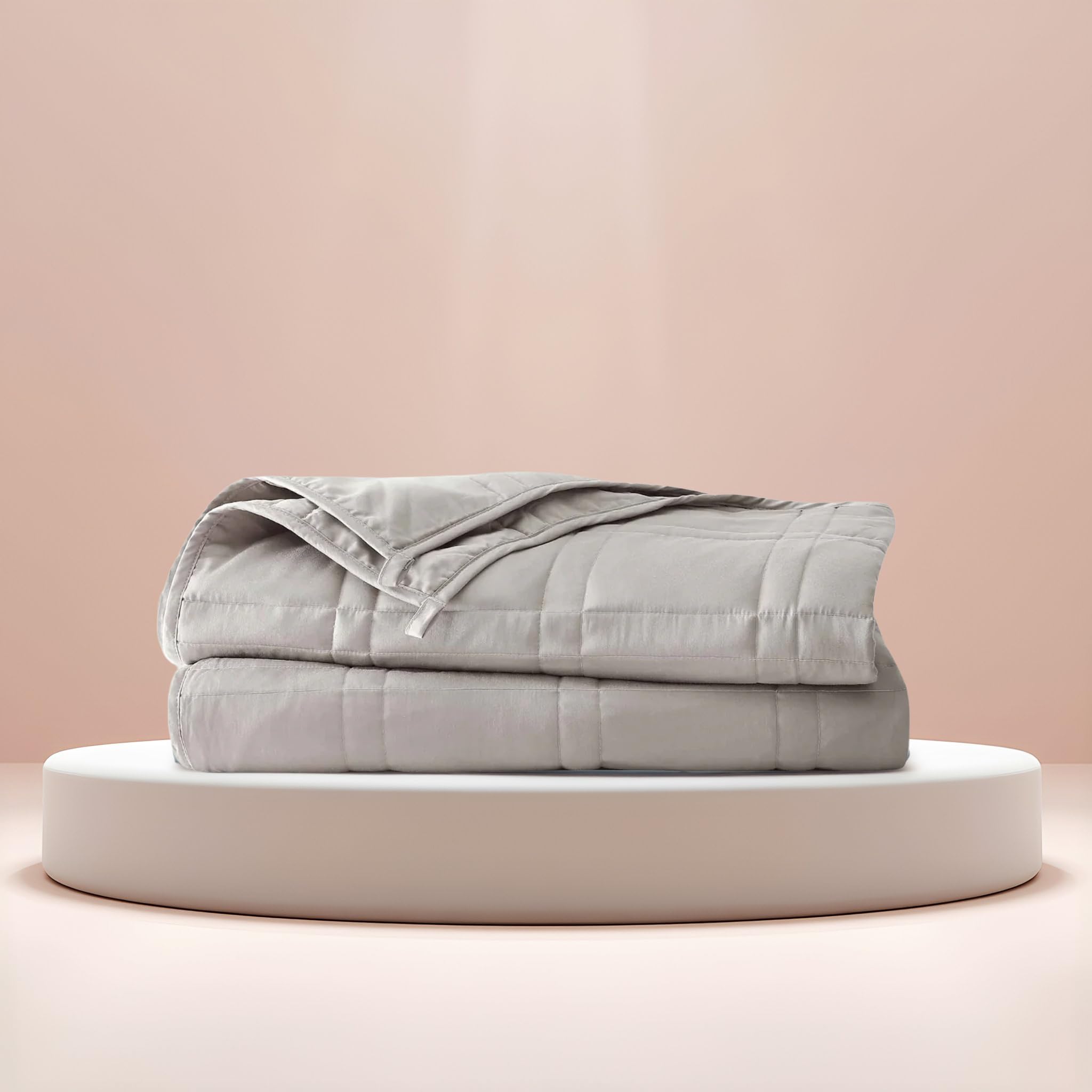
Upgrade blankets run about $180 to $300 and spend the extra money on fabric and construction. Think cooling covers woven for airflow, organic cotton, hand knitted open weave designs that let heat escape, or dual sided covers with a warm and a cool face. Choose this tier if you sleep hot or know you will use the blanket nightly for years.
How to Choose the Best Anxiety Blankets for Adults
Features That Matter for Adults
Adult bodies need adult sizing and weight, which sounds obvious but rules out many blankets marketed with vague comfort claims. The common sizing rule is a blanket weight near 10 percent of your body weight, so a 150 lb adult usually starts around 15 lb, give or take a couple of pounds by preference. Size matters just as much. A twin size weighted blanket, roughly 48 by 72 inches, covers one person well, while king sizes spread the same weight too thin for many users. Our dedicated guide to the best weighted blankets for adults with anxiety digs deeper into weight charts.
Material and Fill
Fill decides how the blanket drapes and how evenly the pressure lands. Glass microbeads are dense and fine, so the blanket lies thinner and smoother. Steel shot beads are durable and similarly compact. Plastic poly pellets cost less but add bulk. The cover fabric shapes the feel against your skin. Cotton breathes well and washes easily, bamboo derived rayon feels cool and silky, and minky style polyester feels plush but warm. If you tend to overheat, put fabric ahead of fill, because breathability is what you will notice at 2 a.m.
Weight Distribution and Sleep Position
Even pressure is the whole point, so look for small quilted pockets, ideally around 4 to 6 inches square, that keep fill from sliding into one corner. Side sleepers often prefer a slightly lighter blanket, since the weight concentrates along one side of the body, while back sleepers can enjoy the full 10 percent guideline. Stomach sleepers frequently find heavy blankets too much across the back and do better with a lighter option or weight across the legs only. If a blanket leaves you sore or restless, it is too heavy for you, whatever the chart says.
Cooling and Breathability
Heat is the number one reason people abandon these blankets, so take cooling claims seriously but read them closely. A breathable cotton cover and glass bead fill usually sleep cooler than thick polyester and plastic fill. Some blankets add a gel layer or phase change fabric, which feels cool at first, though the effect fades as the material warms to body temperature. An open knit weighted blanket is the coolest design of all, trading the tucked in feeling for airflow.
Sharing a Bed and Noise
Two people rarely want the same weight, so couples usually sleep better with two separate twin blankets than one shared king size. On noise, glass beads are nearly silent, while plastic pellets can rustle softly when you move, and knitted blankets make no sound at all. If your partner is a light sleeper, decide together rather than surprising them.
Certifications and Safety
Look for OEKO TEX Standard 100 certification on fabrics, which means the textile was screened for a range of harmful substances, and favor fill described as nontoxic and lead free. Safety goes beyond labels, though. Weighted blankets are not for adults who cannot remove the blanket on their own, and they are not recommended for people with certain breathing or circulation conditions, including sleep apnea and severe asthma, unless a clinician says otherwise. Keep the blanket off the face and neck, and stop using it if you feel short of breath. When in doubt, ask your doctor before the first night, not after a bad one.
Durability and Care
A removable duvet style cover is the single best care feature, because it goes in a normal wash while the heavy inner blanket needs only occasional spot cleaning or a large capacity machine. Check the weight limit of your washer, since a soaked 20 lb blanket can strain a small drum. Inspect ties or clips inside the cover that stop the inner blanket bunching. A sleep trial of 30 nights or more is worth seeking out, because the first nights with weighted pressure can feel odd even when the blanket turns out to be a great match.
Types of Anxiety Blankets
Down and Down Alternative Comfort Blankets
Some adults prefer the gentle, even hug of a well filled comfort blanket over deep weighted pressure. Down and down alternative blankets give a soft, lofty layer that feels reassuring without heavy beads, and they work in any season with the right fill weight. They suit people who found weighted blankets too intense, or who mainly feel anxious while reading and resting rather than sleeping through the night.
Linen and Breathable Cotton Blankets
Linen covers and all cotton blankets are the classic answer for warm sleepers. Linen feels slightly crisp at first, softens with every wash, and lets air move freely, while cotton percale gives a smooth, cool hand feel. Paired with a light to medium weighted core, these make the most forgiving summer option. Our roundup of the best blankets for anxiety compares more fabric first choices side by side.
Hybrid and Dual Sided Blankets
Hybrid designs combine ideas: a weighted core with a plush side for winter and a smooth side for summer, or a knitted weighted layer over a light cotton sheet. They cost more, but one blanket then serves all year, which suits small homes where storing spare bedding is a pain.
Setup and Care Tips
- Give yourself an adjustment week, starting with the blanket over your legs for a few nights before covering your whole body.
- Wash the removable cover weekly or every other week in cool or warm water, just as you would bed sheets.
- Dry the cover on low heat or line dry it, since high heat can shrink cotton and damage ties and zippers.
- Shake and spread the blanket each morning so the fill settles evenly across its pockets again.
- Store it folded flat or rolled in a breathable bag, not compressed in a sealed plastic bin, so the fill and fabric can air.
- Keep a lighter regular blanket nearby for hot nights instead of forcing the weighted one and overheating.
If your needs run beyond anxiety support, our general guide to the best blankets for adults covers everyday warmth and sizing. Adults who prefer to wear their comfort layer can also look at the best wearable blankets for adults for sofa and reading time.
Frequently Asked Questions
What features matter most in anxiety blankets for adults?
Correct weight for your body, even fill distribution, and a breathable cover matter most, in that order. Get the weight near 10 percent of your body weight, choose small stitched pockets so the pressure stays where it belongs, and pick a fabric that matches how warm you sleep. Everything else, from color to brand story, is secondary to those three decisions.
How often should I replace my anxiety blanket?
A well made blanket lasts about 3 to 5 years of nightly use. Replace it when the fill starts leaking, the pockets tear and the weight pools in one area, or the cover stays rough and pilled after washing. A blanket that has lost its even pressure has lost the very quality you bought it for, so wear of that kind is the real signal, not the calendar.
What blanket weight is best if I also have back pain?
Start lighter than the standard guideline, around 7 to 8 percent of body weight, and see how your back responds over a week. Some people with back pain find gentle pressure relaxing, while others wake up stiff. Pain that worsens is a clear stop signal. Because bodies and conditions differ so much, check with your doctor or physical therapist before using weighted pressure as part of your routine.
How do I wash anxiety blankets safely?
Wash the removable cover like normal bedding, and wash the weighted inner blanket only as often as it truly needs, usually a few times a year. Use a machine rated for the blanket weight, cold or warm water, and mild detergent, then dry on low or air dry flat. Very heavy blankets are safer at a laundromat with large drums, which protects both the blanket seams and your home machine.
Are cooling anxiety blankets worth it for hot sleepers?
Yes, for most hot sleepers the cooling design is the difference between using the blanket nightly and abandoning it in a closet. Open knit styles and cotton or linen covers give the most honest cooling, because they move air rather than relying on a surface treatment. Expect to pay more, but a blanket you actually sleep under every night is better value than a cheaper one you avoid.
Is a higher thread count always better in a blanket cover?
No, thread count alone tells you little about comfort. Very high counts can trap heat and often come from multi ply yarns that inflate the number without improving the fabric. For a cover you will wash often, a mid range cotton around 200 to 400 thread count, or a good linen weave, usually feels better, breathes better, and lasts longer than an extreme number on the label.
Our Verdict
Get the weight right, demand even fill, and choose a fabric that suits your bedroom temperature. Do those three things and the best anxiety blankets for adults stop being a gamble and become a reliable part of your wind down routine. Compare the options in the product table, favor a seller with a real sleep trial, and talk with your clinician about how a blanket fits your wider care for anxiety and sleep.