Best Antique Writing Desks of 2026: Complete Buying Guide
Disclosure: We may earn a commission when you buy through links on this page, at no extra cost to you. As an Amazon Associate I earn from qualifying purchases. Learn more
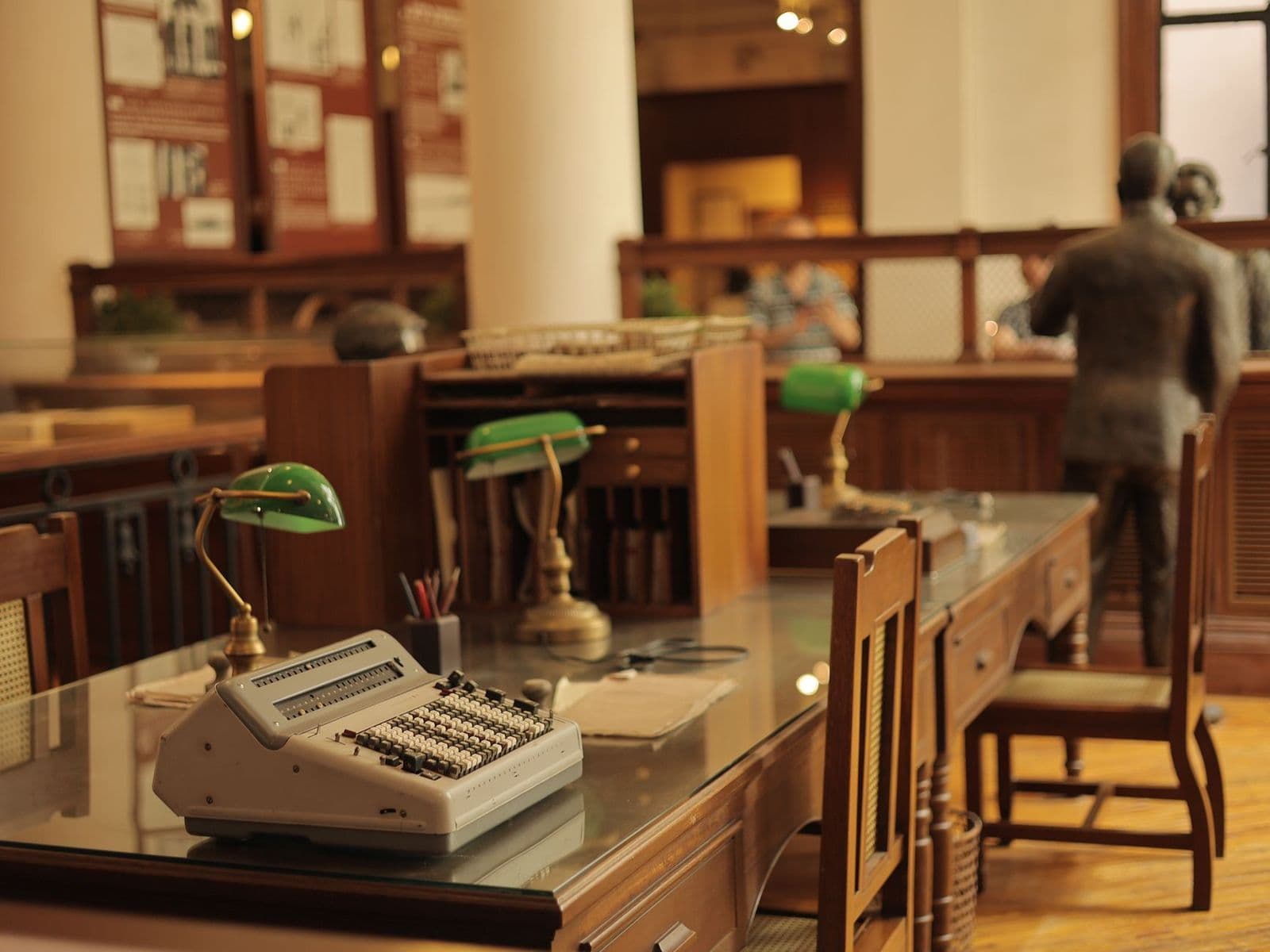
Best antique writing desks compared by wood, size, storage and condition, with styles, fair prices and care tips.
An antique desk brings character to a room in a way flat packed furniture rarely does, but older pieces vary widely in condition, size, and price. Shoppers often fall for a beautiful finish, then discover wobbly legs, drawers that stick, or a writing surface too small for daily work. This guide to the best antique writing desks shows you how to judge wood, joinery, and condition before you pay.
You will learn which styles suit journaling, letter writing, and laptop work, and how to spot honest wear versus damage that costs real money to fix. Use the criteria here to judge any desk you find in a shop or listing.
Price Tiers at a Glance
Because genuine antiques are one of a kind, this section works as a price tier guide rather than a list of specific models. Use it to understand what each budget level usually delivers in wood quality, condition, and rarity, so you can judge local listings with realistic expectations.
Upper Range Tier
The strongest overall value usually sits in the middle to upper range, around $800 to $2,500 for a desk in sound, usable condition. At this level you can expect solid hardwood such as mahogany, oak, or walnut, drawers that glide on wooden runners, and original hardware with an even patina. Pieces in this tier need little more than cleaning and wax. They suit buyers who want a desk they can write at daily for decades, with enough presence to anchor a study or living room corner.
Value Range Tier
Value finds, often around $250 to $800, are usually later period desks, simpler country styles, or pieces with cosmetic flaws that do not affect function. A replaced knob, a faded top, or light veneer wear can cut the price sharply while leaving a sturdy, charming desk. This tier rewards patience and a willingness to do small repairs yourself. Check that the frame is tight and the writing height feels right, because those matter far more than a flawless finish you can improve with wax and time.
Starter Range Tier
If this is your first antique, look at smaller writing tables and simple slant front desks under around $400, including reproduction pieces in an antique style. They are easier to move, easier to place, and less risky if your taste changes. You give up rare woods and fine carving, but you gain a low pressure way to learn what you like. Many beginners later trade up, and a clean, honest small desk usually resells without much loss.
How to Choose the Best Antique Writing Desks: Buying Guide
This is the heart of the decision. Work through each factor below in order, and you will be able to judge a desk in about ten minutes, whether you are standing in a shop or reading a listing with limited photos.
Writing Comfort and Desk Height
Most antique writing desks stand about 28 to 31 inches tall, and that range suits most adults when paired with a chair seat around 17 to 19 inches high. Sit at the desk if you can, rest your forearms on the surface, and check that your shoulders stay relaxed rather than hunched. Knee clearance matters too. Many older desks have a modesty panel or deep apron, so measure the open space beneath, roughly 24 inches high and 20 inches wide at minimum, to be sure your legs fit comfortably.
Size, Dimensions, and Room Fit
Measure your room before you shop, including doorways, stairs, and tight hallway turns, because a solid wood desk does not flex around corners. Writing surfaces range from about 30 inches wide on a small ladies desk to 60 inches or more on a partners style desk. Leave at least 30 inches behind the desk for your chair and room to move. Depth matters as well. A desk around 24 to 30 inches deep holds a laptop, a lamp, and paper with ease, while a shallow 18 inch desk suits handwriting only.
Storage and Drawer Layout
Count the drawers and test every one. Drawers should slide with steady resistance, not tilt or bind, and the bottoms should feel firm when you press them. Look for dovetail joints at the drawer corners, a sign of careful hand or early machine work. Small pigeonholes and letter slots suit correspondence, while one deep drawer holds files or a laptop. Think about what you store daily. If most of your work is digital, two good drawers beat six tiny ones you will never use.
Condition, Repairs, and Honest Wear
Some wear is part of the appeal. Soft edges, a mellow sheen, and minor surface marks tell the story of a long life. Structural problems are different. Rock the desk gently from a corner to test for looseness, look for fresh glue lines or new screws that signal a recent break, and check the underside for woodworm holes with fine dust, which can mean active insects. Old, dark, inactive holes are common and usually fine. Veneer that bubbles or lifts across large areas is costly to repair, so price it into your offer.
Materials and Construction
Solid hardwood desks in oak, mahogany, walnut, or cherry carry the most value and can be refinished or repaired almost forever. Many fine antiques pair a secondary wood frame with a thin decorative veneer on top, and good veneer work is a craft in its own right, not a flaw. Problems start with modern printed finishes over fiberboard on much later reproductions. Knock on panels and lift a drawer. Real wood feels dense and sounds solid, and grain should continue naturally across edges rather than repeating in a pattern.
Delivery and Placement
Ask how the desk will travel before you buy. Heavy desks often come apart at the top or pedestals, which makes stairs and narrow doors far easier, so confirm which parts separate. Local pickup saves money but plan for two strong people and moving blankets to protect corners and finish. For shipped pieces, ask for photos of the packing and confirm who carries the risk if a leg cracks in transit. Once home, keep the desk out of constant direct sun and away from heating vents, which dry wood and open joints over time.
Style and Room Fit
Match the desk to the room you have, not the room you imagine. A carved Victorian desk can overwhelm a small modern flat, while a plain Shaker style writing table blends almost anywhere. Consider the wood tone against your floors, since two strong orange or red tones side by side often clash. If you also need a modern sized option for daily work, our guide to the best writing desks shows how current designs compare on surface space and storage.
Types of Antique Writing Desks
Budget Models and Later Reproductions
Budget friendly options include early to mid 1900s desks and modern reproductions built in period styles. They deliver the look and a solid writing surface at a fraction of the cost of an 1800s original. The trade off is simpler joinery and less collectible value. They suit renters, students, and anyone furnishing a first home office who wants warmth and history without a serious investment.
Compact and Space Saving Models
Secretary desks, slant front desks, and small writing tables were designed for modest rooms long before open plan flats existed. A slant front closes to hide papers and shrinks the footprint when not in use, which is ideal for a bedroom corner or hallway. If space is your main limit, see our guide to the best small writing desks and our notes on the best writing desks for small spaces for layouts that keep walkways clear.
Large and Formal Models
Pedestal desks, partners desks, and roll top desks offer the most storage and the strongest presence. A roll top hides clutter behind its curved cover and locks away papers, while a pedestal desk gives deep file drawers on both sides. These pieces need a room of their own scale, real floor strength, and a clear path in. Measure twice, because a large desk that cannot get through the door is an expensive problem, not a bargain.
How to Make Your Antique Writing Desk Last Longer
- Dust with a soft, dry cloth weekly, moving with the grain, so grit never grinds into the finish during cleaning.
- Apply a quality paste wax once or twice a year to feed the surface and renew the sheen, and skip silicone sprays that build up and complicate future repairs.
- Use coasters and a desk pad, because standing water rings and hot mugs are the most common causes of finish damage.
- Keep humidity steady, roughly 40 to 55 percent, since very dry air shrinks wood and opens joints while damp air swells drawers shut.
- Tighten loose knobs and check leg joints every few months, catching small movement before it wears the joinery loose.
- Lift the desk when moving it, even a short distance, because dragging twists the frame and can snap an aged leg.
For flexible writing away from your main desk, our guide to the best lap desks for writing covers portable options for a sofa or bed. And if build quality across furniture matters to you in general, our overview of the best quality desks explains the construction signs that separate lasting pieces from short lived ones.
Frequently Asked Questions
What features matter most when writing for long hours at an antique desk?
Desk height and knee clearance matter most, because they decide your posture for the whole session. Pair the desk with a supportive chair at the right seat height, add a lamp that lights the page without glare, and use a padded desk pad if the surface feels hard on your wrists. A footrest helps shorter writers keep their feet flat when the desk sits at the tall end of the range.
Is an expensive antique writing desk worth it?
It can be, when the price reflects rare wood, fine original condition, and a documented maker or period. Paying more for a sound desk in a style you love usually beats buying a cheap piece that needs costly veneer or joint work. Resale demand also stays stronger for quality. Still, set a ceiling before you shop, because auction rooms and charming shops are designed to stretch budgets.
How long should a good antique writing desk last?
A well made solid wood desk can serve for generations, and many pieces in use today are already 100 to 200 years old. Longevity depends more on care than age. Stable humidity, gentle cleaning, and prompt repair of loose joints keep the structure sound. Expect to renew wax and felt pads over the years, but the frame itself should outlast every modern desk you own.
How do I choose the right size antique writing desk?
Start with the tasks, then the room. Handwriting and journaling need about 30 to 36 inches of width, while laptop work with notes beside it feels better at 42 inches or more. Tape the footprint on your floor with painter tape and live with it for a day to check walkways and chair space. Always confirm the delivery path, including the narrowest door and any stair turns, before paying.
Wrapping Up
Judge condition first, size second, and style third, and you will rarely regret an antique purchase. The best antique writing desks combine a sound frame, a writing height that fits your body, and drawers that still work smoothly. Compare your shortlist, measure your room one more time, and buy the desk you will enjoy sitting at every single day.