
Best Antique Pocket Watches 2026: A Buying Guide
Disclosure: We may earn a commission when you buy through links on this page, at no extra cost to you. As an Amazon Associate I earn from qualifying purchases. Learn more
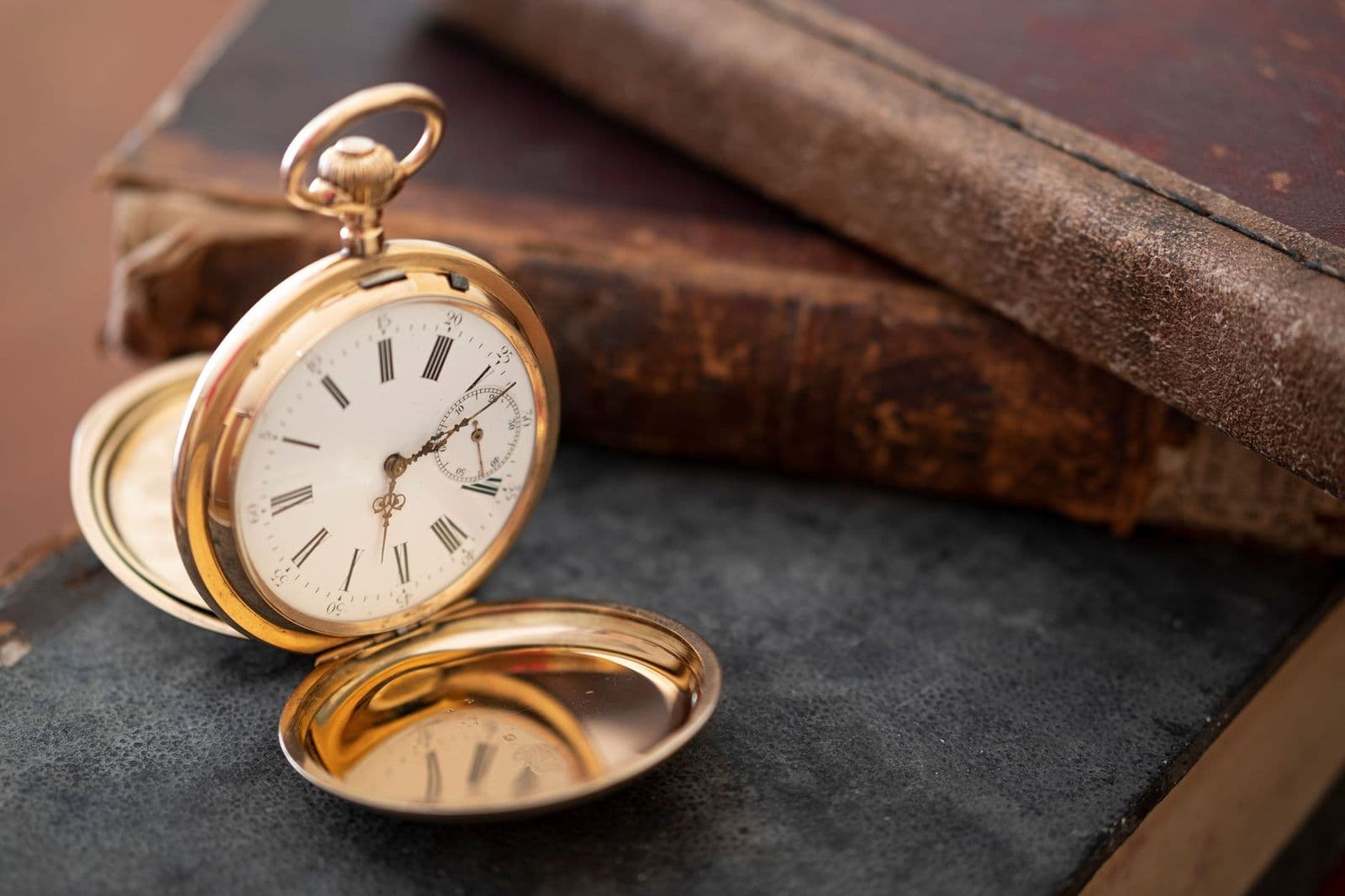
Best antique pocket watches: judge authenticity, movement condition and case originality before you buy, with antique style options.
An antique pocket watch is a piece of history you can carry, with a movement, case and dial that tell you about the era that made it. This guide to the best antique pocket watches explains how to judge authenticity, condition and serviceability, so you buy a watch you can enjoy rather than a costly repair project. Genuine antiques are one-off pieces that dealers and auction houses sell, so check each piece individually.
Antique pocket watches suit collectors, history lovers and people who want a distinctive dress accessory. They are a poor fit if you need accurate daily timekeeping or a watch for rough use, because old movements need care and regular servicing.
Who Should Buy an Antique Pocket Watch
The best antique pocket watches for collectors win on maker, rarity and originality. Gift buyers often want the look, the chain and the story. Daily carriers should favor a robust, recently serviced movement or a quartz style watch, and keep a genuine antique for special days.
Set your budget before you browse. Genuine examples run from under $100 for a worn standard watch to well over $1,000 for a fine railroad grade piece, while new antique style watches usually cost $10 to $250.
Types of Antique Pocket Watches Compared
Railroad Pocket Watches
Railroad watches were built for accuracy and legibility, with large clear dials and robust movements. They are popular with collectors, so check for original dials and cases, because replaced parts affect value.
Hunter Case Watches
A hunter case has a hinged metal cover that protects the dial and crystal. The cover adds charm and protection, but it also hides the time, so it suits occasional use more than frequent time checks.
Open Face Watches
An open face watch shows the dial at all times without a cover. It is easier to read and to show off, but the crystal is more exposed to scratches and knocks.
Dress Pocket Watches
Slim dress watches in silver or gold cases suit formal wear and display. They often have smaller movements and finer dials, so handle them gently and avoid winding with force.
Military Pocket Watches
Military watches were made for service use, with sturdy cases and clear markings. Check for service marks and replaced parts, which are common on watches that saw hard use.
Key Features to Check
Authenticity and Originality
Check that the movement, case and dial belong together and match the maker period. Mismatched parts, repainted dials and replaced hands lower value, so ask for clear photos of movement markings and case hallmarks.
Movement Condition
A movement should run, wind smoothly and keep reasonable time, though antique accuracy will not match a modern quartz watch. Ask when it was last serviced, and budget for a service if the seller cannot show recent work. For a new watch, decide between a hand wound mechanical movement and a battery quartz one.
Dial and Hands Condition
Hairline cracks, flaking and repainting affect both looks and value. Original dials with light age marks are usually preferable to a repainted dial that looks new but hides the watch history.
Case Material and Hallmarks
Silver and gold cases carry hallmarks that confirm metal and origin. Check for dents, worn hinges and bow damage, because case repairs are costly and hard to match to the original finish.
Chain and Wearing
A proper chain or fob keeps the watch safe in a pocket and suits the period. Avoid cheap chains that can break, and never carry the watch loose with keys or coins that will scratch the case.
Mistakes to Avoid
- Buying the cheapest watch without checking whether the movement has been serviced.
- Assuming a repainted dial is a bonus, when collectors usually prefer originality.
- Winding an old watch with force and damaging the mainspring.
- Carrying the watch loose in a pocket with keys and coins.
- Paying antique prices for a modern watch that is only styled to look old.
Care and Servicing
Wind the watch gently at the same time each day if you wear it regularly, and store it in a padded box when not in use. Keep it away from magnets and moisture, have it serviced by a watchmaker experienced with antique movements, and keep service records with the watch.
Related Guides Worth Reading
If you are still comparing options, these related guides cover nearby choices: best antique railroad pocket watches, best antique watches, best pocket watches, best pocket watches for men and best vintage pocket watches.
Frequently Asked Questions
How do I know an antique pocket watch is genuine?
Check movement markings, case hallmarks and dial style against the maker and period, and ask for clear photos of all three. A reputable dealer should explain any replaced parts and provide a written description. If a deal looks too good for a rare maker, be cautious and seek a second opinion before buying.
How accurate are antique pocket watches?
A well serviced antique watch may keep time within a few minutes a day, which was excellent for its era but loose by modern standards. Accuracy varies with position, temperature and how recently it was serviced. Buy one for charm and history, not as a precise daily timekeeper.
How often do they need servicing?
Most antique movements benefit from servicing every five to seven years, or sooner if they run erratically or feel stiff when winding. Servicing cleans old oil, replaces worn parts and checks the mainspring. Budget for this cost, because a neglected movement can suffer damage that costs far more to repair.
Can I wear an antique pocket watch daily?
You can wear a robust railroad or open face watch daily if it has been serviced and you protect it from knocks and water. Slim dress watches and watches with fragile dials are better for occasional wear and display. Use a good chain, avoid winding with force, and store the watch safely at night.
What affects the value most?
Maker reputation, originality, condition and rarity drive value most, followed by case metal and service history. An original dial and matching movement matter more than a shiny repaint or a new case. Keep the box, papers and service records, because they support value if you ever sell.
Final Thoughts
The right choice among the best antique pocket watches is the one that fits how you will use it, your budget and your tolerance for upkeep. Check originality and service history on any genuine piece, and give yourself time to enjoy the watch before judging it.


