
Best Antihistamine Tablets for Hives: Matching the Right Option to Your Routine for 2026
Disclosure: We may earn a commission when you buy through links on this page, at no extra cost to you. As an Amazon Associate I earn from qualifying purchases. Learn more

Compare the best antihistamine tablets for hives by onset, duration, and drowsiness in this careful buying guide, with safety notes and clinician advice.
Hives rarely arrive on a schedule. The itchy raised welts can follow a food, a medicine, an infection, stress, or no clear trigger at all, and the tablet that helps at bedtime may be a poor choice before driving to work. That is why choosing the best antihistamine tablets for hives starts with your routine, not with the largest box or the lowest price.
This guide sorts options by use case, explains the label terms that matter, and flags the safety points you should never skip. Use the comparison table below for a quick view, then talk with a pharmacist or clinician about your own history before you settle on a daily plan.


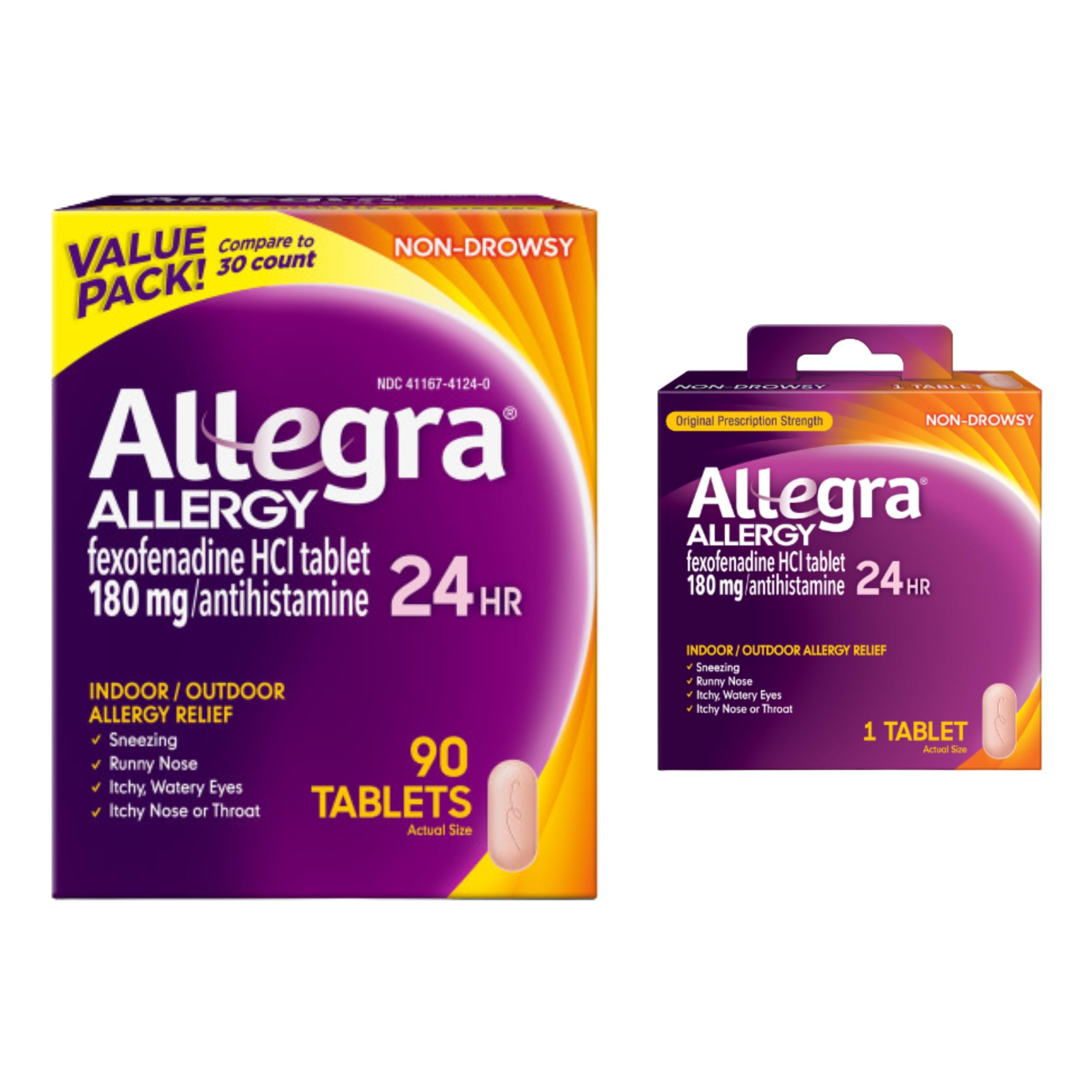


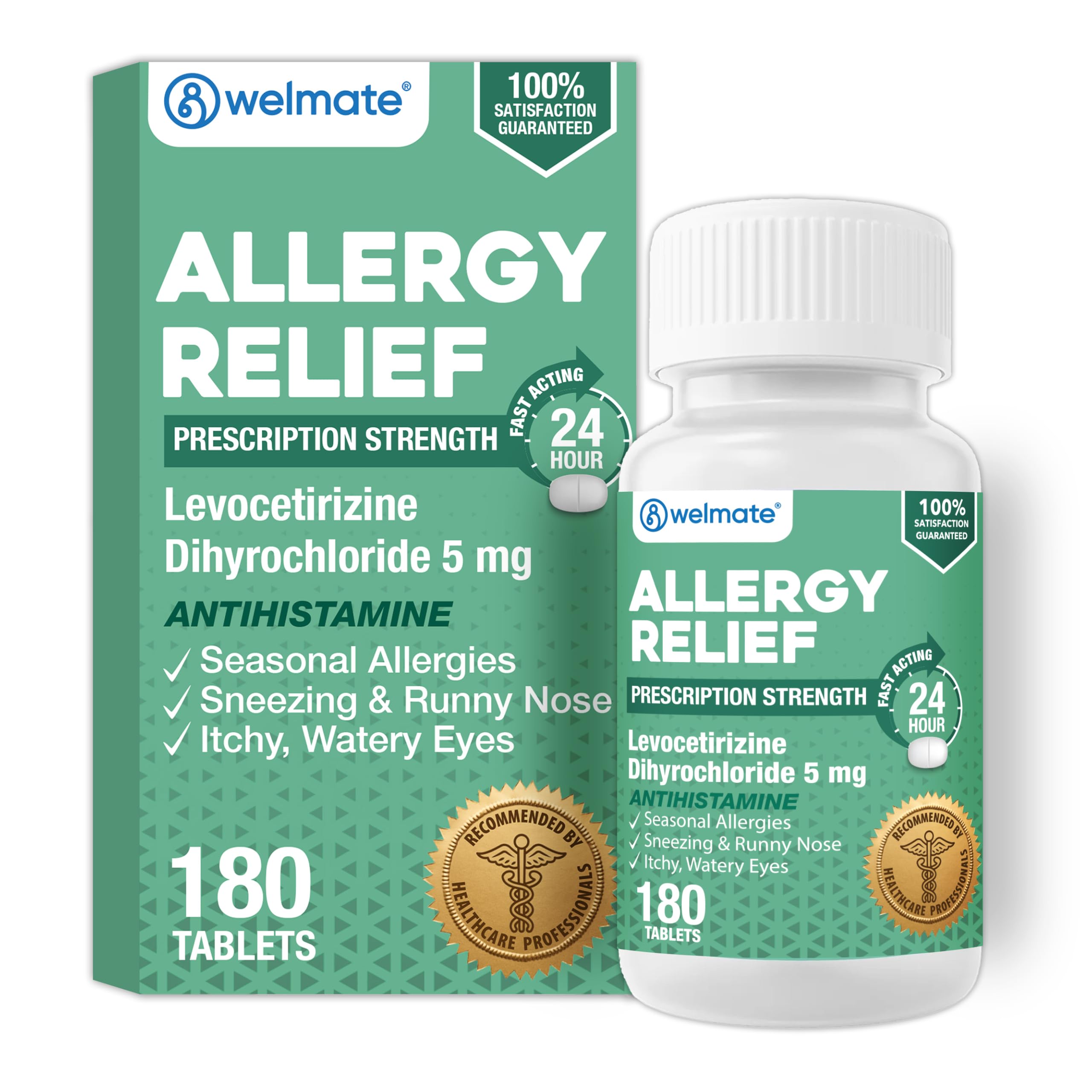

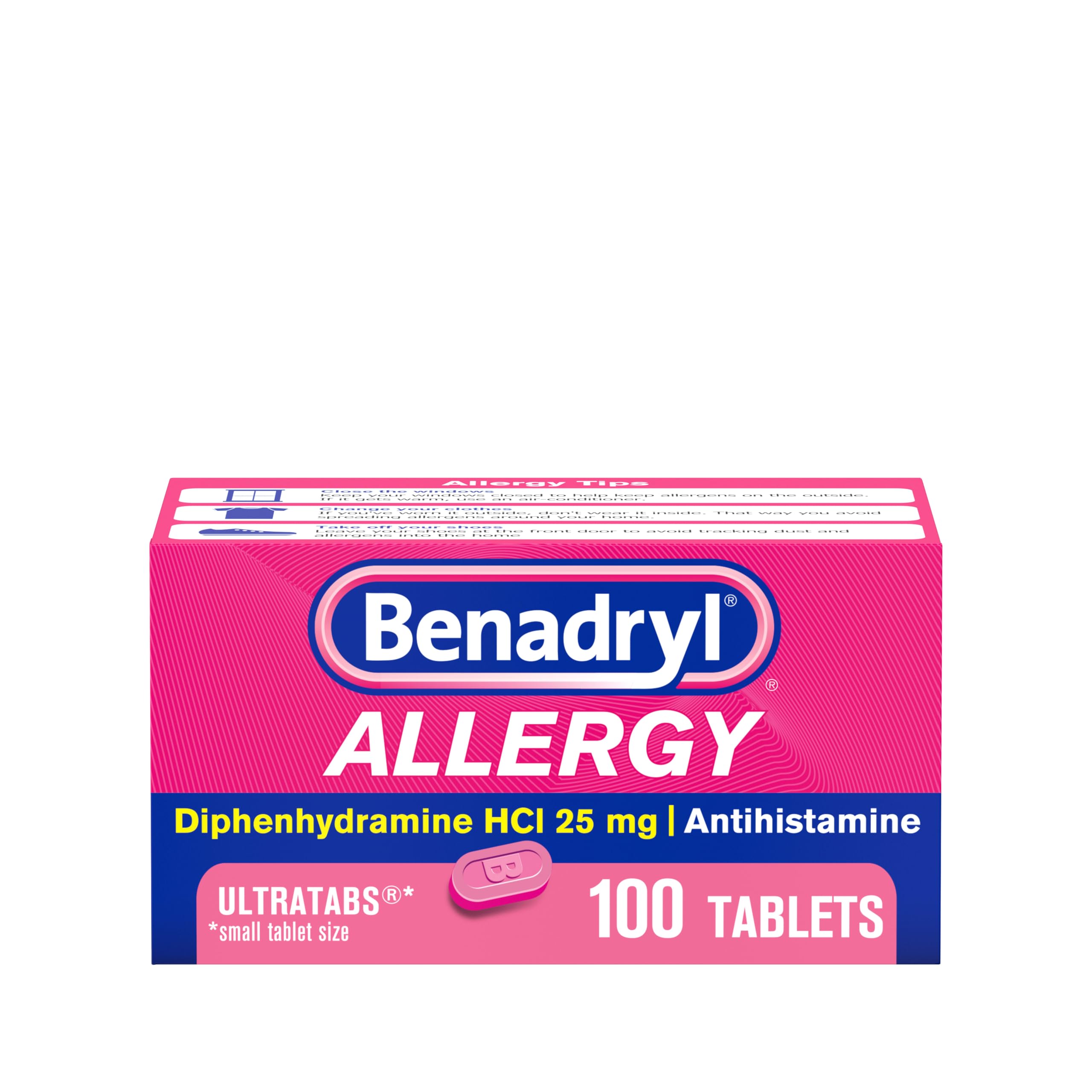
Who Should Buy Which Antihistamine Tablets?
For Daytime Workers and Drivers
If you need relief while staying alert, prioritize tablets described as causing little or no drowsiness for most people, taken once daily. These are usually the newer generation options, and they suit office work, school, and driving because they are less likely to slow reaction time. Confirm the dose timing on the label, since some people feel a mild effect even from options marketed for daytime use. Try a new tablet first on a day at home, so you learn how your own body responds before you rely on it at work.
For Nighttime Itch and Broken Sleep
If hives keep you awake, the priority shifts to relief that lasts through the night, and a mildly calming effect may be less of a drawback. Older generation tablets can help some people sleep, but they carry stronger warnings about next morning grogginess, dry mouth, and interactions with alcohol and sleep medicines. Never combine sedating tablets with alcohol, and never drive the morning after if you still feel slowed. If nighttime itch persists for weeks, that pattern deserves a clinician visit rather than a stronger tablet.
For Occasional and Unpredictable Flares
If hives appear only a few times a year, speed of onset and shelf life matter more than daily cost. Choose a tablet with a clear onset time on the label, keep a small supply at home and in a bag, and check expiry dates each season. Write down what happened before each flare, including foods, new medicines, illness, and stress, because that record helps a clinician find a trigger. Our guide to the best antihistamine tablets gives broader background on how these medicines work across allergy uses.
For Frequent and Long Lasting Hives
If hives appear on most days for more than six weeks, doctors usually call the condition chronic, and daily scheduled use often works better than chasing each flare. In this group the best value is a consistent once daily tablet you tolerate well, bought in a count size that matches steady use. Do not raise the dose on your own beyond the label, even if a flare breaks through, because higher dosing decisions belong to a clinician who knows your other medicines. Keep a simple symptom diary to bring to that appointment.
Key Features to Compare
Onset and Duration in Real World Use
Onset is how soon relief usually begins, often within one to three hours for oral tablets, and duration is how long one dose is expected to last. Once daily options suit steady symptoms, while shorter acting options may suit a single brief flare but require repeat doses that are easy to mistime. Our guide to the best time of day to take antihistamine tablets explains how timing interacts with meals and sleep. Match the stated duration to your longest stretch of symptoms, not to your best day.
Active Ingredient and Generation
The active ingredient is the medicine itself, and antihistamines are grouped into an older generation and a newer generation. Older options tend to cause more drowsiness and dry mouth and wear off sooner, while newer options are designed to cause less sedation and to last a full day for most people. Neither group is automatically stronger for everyone, because individual response varies. If one ingredient fails after a fair trial at the label dose, a clinician or pharmacist may suggest a different ingredient rather than simply taking more tablets.
Features That Matter for Hives
Hives are driven by histamine released in the skin, so steady blood levels of the medicine matter more than a single strong dose. Look for clear dosing intervals, guidance on use during an active flare, and warnings that apply to you, such as use in pregnancy, use in children, or use with kidney or liver disease. Tablets that can be taken with or without food are easier to keep on schedule. Avoid combination products that add decongestants or pain relievers you do not need, because each added drug adds its own risks.
Dose Forms, Tablet Size, and Swallowing
Standard tablets, chewable forms, and tablets that dissolve on the tongue differ in convenience more than in strength. Dissolving forms help people who struggle to swallow pills and can be taken without water while traveling. Chewable forms are often aimed at children, so check the age range and dose on the label rather than assuming a lower strength. If you split tablets to adjust a dose, confirm the product is scored and approved for splitting, because some coated tablets should only be taken whole.
Interactions and Your Other Medicines
Antihistamines can interact with sleep medicines, anxiety medicines, some antidepressants, alcohol, and other allergy products taken at the same time. Always add up the total antihistamine load across cold, flu, and sleep products, since many contain a hidden antihistamine ingredient. Bring a full list of your medicines and supplements to the pharmacist before starting daily use. That single check prevents the most common avoidable problem with these otherwise familiar tablets.
Common Mistakes to Avoid When Buying Antihistamine Tablets
- Choosing by price alone: the cheapest box may be a sedating older formula that costs you a full day of alertness, so compare generation and duration first.
- Doubling up products: taking an allergy tablet plus a night cold product often duplicates the same drug class and raises side effect risk.
- Ignoring the expiry date: expired tablets may not work as expected, which matters when you rely on them during a flare.
- Treating warning signs at home: swelling of the lips or tongue, trouble breathing, wheezing, dizziness, or fainting need urgent emergency care, not another tablet and a wait.
- Stopping the search for a trigger: new medicines, foods, and infections are common causes, and finding the cause can end the hives without daily tablets.
Care and Safe Use Tips
- Store tablets dry and at room temperature: bathroom humidity can degrade medicines over time, so a bedroom drawer away from children is a better spot.
- Keep tablets in original packaging: the label carries the dose, warnings, lot number, and expiry date you need during a flare or a recall.
- Track what you took and when: a phone note prevents accidental repeat doses when itching makes it hard to think clearly.
- Replace travel supplies each season: heat in a car can damage tablets, so rotate any supply kept in a bag and never use a car glove box for storage.
Seek urgent care the same day if hives come with breathing difficulty, throat tightness, or swelling of the face or tongue. Book a prompt clinician visit if hives keep returning, last beyond a few days, leave bruise like marks that hurt, or appear with fever or joint pain. Those patterns can point to a cause that tablets alone will not fix.
FAQs
What features matter most in antihistamine tablets for hives?
Low drowsiness for daytime use, a full day duration, and a dose schedule you can follow matter most. Steady coverage suits hives better than a strong but short effect, because welts can appear at any hour. Next, check warnings that apply to your age, health conditions, and other medicines. A pharmacist can compare two labels with you in minutes and flag interactions you might miss at home.
How fast do antihistamine tablets work for hives?
Most oral tablets begin to ease itching within one to three hours, with full effect taking a bit longer. Taking a dose at the first sign of a flare usually works better than waiting until welts cover large areas. If a correctly taken dose gives no relief at all after a day of use, contact a clinician or pharmacist rather than stacking extra products. Repeated non response is useful information about the cause.
Can I take antihistamine tablets every day?
Many people take a newer generation tablet daily for weeks under clinician guidance, especially for chronic hives. Daily use should follow the label dose, and the need should be reviewed if symptoms continue beyond a few weeks. Tell your clinician about dry mouth, urinary trouble, confusion, or unusual sleepiness, which deserve prompt review. Children, pregnant people, and older adults should confirm daily use with a clinician first, because dosing and cautions differ.
Should I avoid driving after taking an antihistamine tablet?
You should avoid driving after any dose that makes you feel sleepy, slowed, or unfocused, and older generation tablets are well known for this effect. Even newer options affect a small share of users, so learn your own response at home first. Alcohol makes the impairment worse and should be avoided with sedating tablets. When in doubt, choose alertness and arrange another ride, because itching is uncomfortable but impaired driving is dangerous.
When should hives be checked by a doctor instead of treated at home?
See a doctor urgently for breathing trouble, tongue or lip swelling, dizziness, or hives after a new medicine or a known allergen exposure. Book a routine visit when hives recur for more than a few days, keep returning for weeks, or come with fever, pain, or lasting skin marks. Also seek advice if you need tablets daily just to function. Those visits focus on finding the cause, which is the step that most often ends the cycle.
How long should an antihistamine tablet last?
One dose of a newer generation tablet is usually expected to last about a full day, while older options often last about four to six hours. Your own duration can be shorter during a strong flare, which is a reason to talk with a clinician rather than to shorten the interval on your own. Note the time of each dose and when itching returns. That timing record helps the clinician decide whether to change the ingredient or the plan.
The Bottom Line
Match the tablet to your day: low sedation and full day coverage for work and driving, careful nighttime choices for sleep, and a clinician led plan for hives that keep returning. Compare your shortlist in the product table above as you choose the best antihistamine tablets for hives routine for your life. Please talk with your clinician about your personal needs, your other medicines, and any warning signs before starting daily use.


