
Best Antifungal Spray for Shoes 2026: Types and Buying Tips
Disclosure: We may earn a commission when you buy through links on this page, at no extra cost to you. As an Amazon Associate I earn from qualifying purchases. Learn more
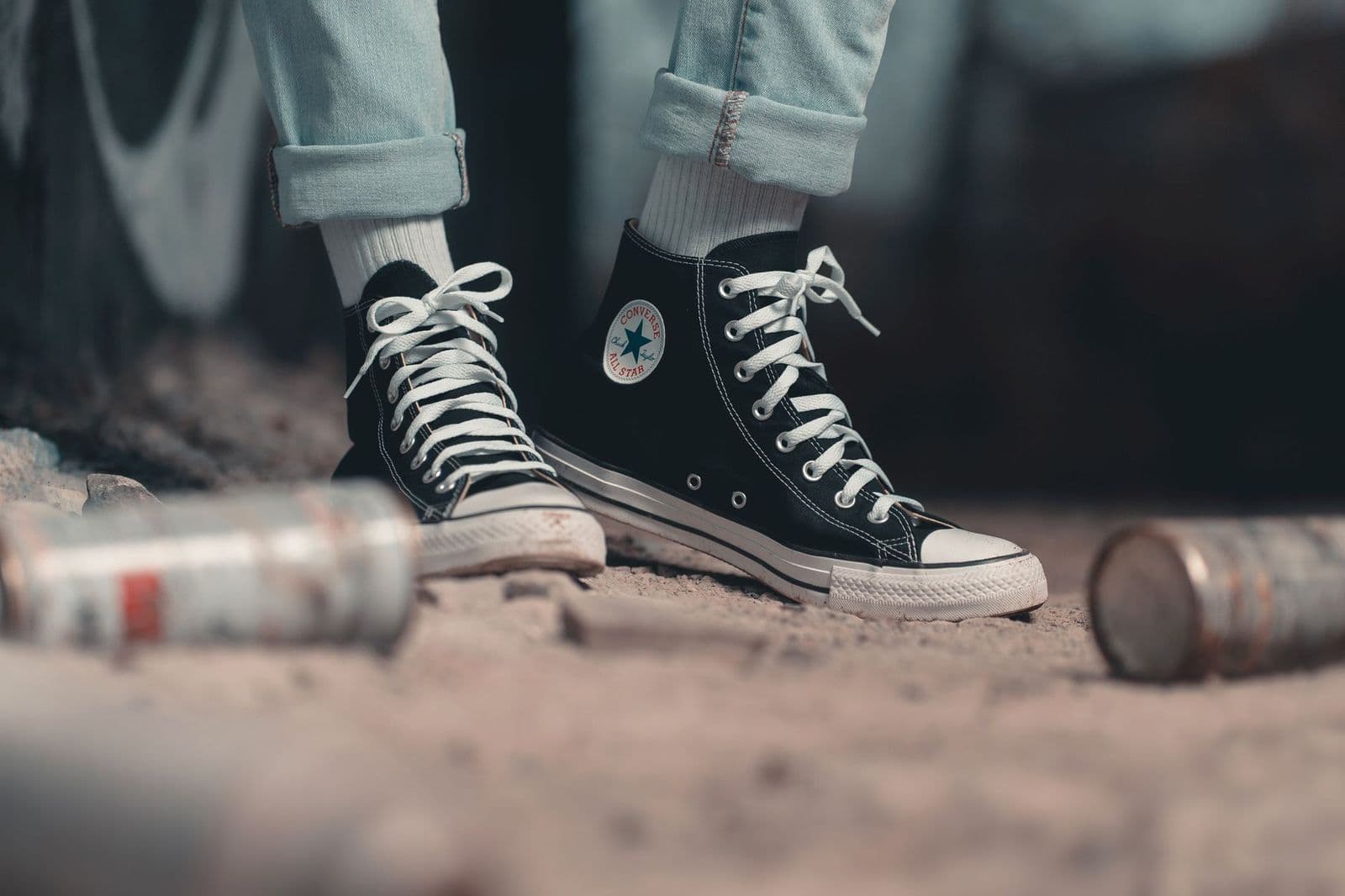
Best antifungal spray for shoes, compared by label claims, shoe material safety and drying time, plus habits that keep footwear fresh.
Damp sneakers, work boots and gym shoes give fungi and bacteria a warm, moist place to grow, and that is where most lingering shoe odor starts. Picking the best antifungal spray for shoes is mostly a matter of matching the formula to your shoe material and how often you wear the pair. This guide explains the spray types, the label points that matter and the habits that make any spray work better.
A spray treats the inside of the footwear, not your feet. Compare the best antifungal spray for shoes options by size and price, and read the label for what each one claims to do before you buy.
Types of Antifungal Spray for Shoes Compared
Antifungal and Disinfectant Shoe Sprays
These sprays state on the label that they help control fungi and bacteria on footwear and sports gear. They suit athletic shoes, cleats and boots that stay damp after long wear. Apply them to clean, dry insoles and linings, and let the shoe air out before you put it on.
Odor Eliminating Shoe Deodorizers
Deodorizing sprays work on the smell itself, using enzymes, baking soda or plant-based neutralizers. Many mention antibacterial action, but few promise antifungal results, so read the front and back of the bottle. They are a good daily choice for work shoes and sneakers that smell after a long shift.
Antifungal Foot Sprays and Powders for Shoe Use
Some foot sprays and powders are labeled for athlete's foot and can also be used inside shoes. They are aimed at skin, so check whether the label allows shoe use. Keep them away from leather and suede unless the maker says it is safe.
Key Features to Check
Label Claims and Active Ingredients
Look for plain wording such as "kills fungus" or "disinfects footwear," and note any listed active ingredient. A pleasant scent alone does not mean the spray controls fungi. If the label only says "deodorizes," it will mask or neutralize smell without treating the shoe.
Material Safety
Canvas, mesh and synthetic shoes tolerate most sprays. Leather, suede and nubuck can stain or stiffen, so try the spray on a hidden spot first and let it dry before judging the result. Alcohol-heavy formulas dry fast but can leave leather dry over time.
Drying Time and Residue
A fast-drying mist suits shoes you wear daily. A slower formula is fine if you can leave the pair overnight. Wet insoles inside a closed shoe bring the problem straight back, so avoid soaking the lining.
Nozzle, Size and Value
A fine mist nozzle reaches toes and seams with less waste. Larger bottles cost less per ounce, while small bottles fit a gym bag. Compare the number of sprays when the maker lists it.
Common Mistakes to Avoid
- Spraying wet shoes, which traps moisture and helps odor return.
- Skipping a hidden-spot check on leather or suede.
- Wearing the same pair every day without a full day of airing out.
- Using a bedroom or surface disinfectant on shoes without checking the label.
- Expecting a spray to fix worn-out insoles, which are better replaced.
Shoe Care Habits That Help Any Spray
Rotate between at least two pairs so each one dries fully between wears. Pull out removable insoles, wash them when the maker allows it, and use shoe trees or loose paper to absorb moisture. Wear clean, moisture-wicking socks, and store shoes somewhere dry with air moving around them rather than in a sealed bag.
Spray after the shoes have cooled and dried, then let the product dry before the next wear. For extra protection of the outer material, see our guide to the best waterproof spray for shoes, and for strong odors see best spray for smelly shoes.
Frequently Asked Questions
How often should I spray my shoes?
Spray shoes you wear daily every few days, or after sweaty workouts. Occasional shoes need a light treatment before storage. Always let the shoes dry fully between wears.
Can an antifungal shoe spray treat a foot infection?
No. A shoe spray treats footwear, not skin or nails. If you have persistent itching, cracking, spreading redness, pain or a changed nail, see a doctor or pharmacist and follow their advice.
Is antifungal spray safe for all shoe materials?
Not always. Check the label and test a hidden area first, especially on leather, suede and nubuck. Follow the manufacturer's instructions.
Should I spray new shoes?
New shoes need little treatment. A light preventive spray helps if you sweat heavily or wear them for sport, but fit, socks and drying matter more.
What else keeps shoes fresh?
Rotation, airing, washable insoles and dry storage do more than spray alone. These habits remove the damp that fungi and bacteria need.
Final Thoughts
The best antifungal spray for shoes is the one whose label matches your problem, suits your shoe material and fits your routine. Compare sizes and prices, then pair the spray with drying and rotation. If you notice pain, swelling or a problem that changes how you walk, talk with a clinician rather than relying on a product.


