
Best Anti Malaria Tablets 2026: A General Information Guide
Disclosure: We may earn a commission when you buy through links on this page, at no extra cost to you. As an Amazon Associate I earn from qualifying purchases. Learn more
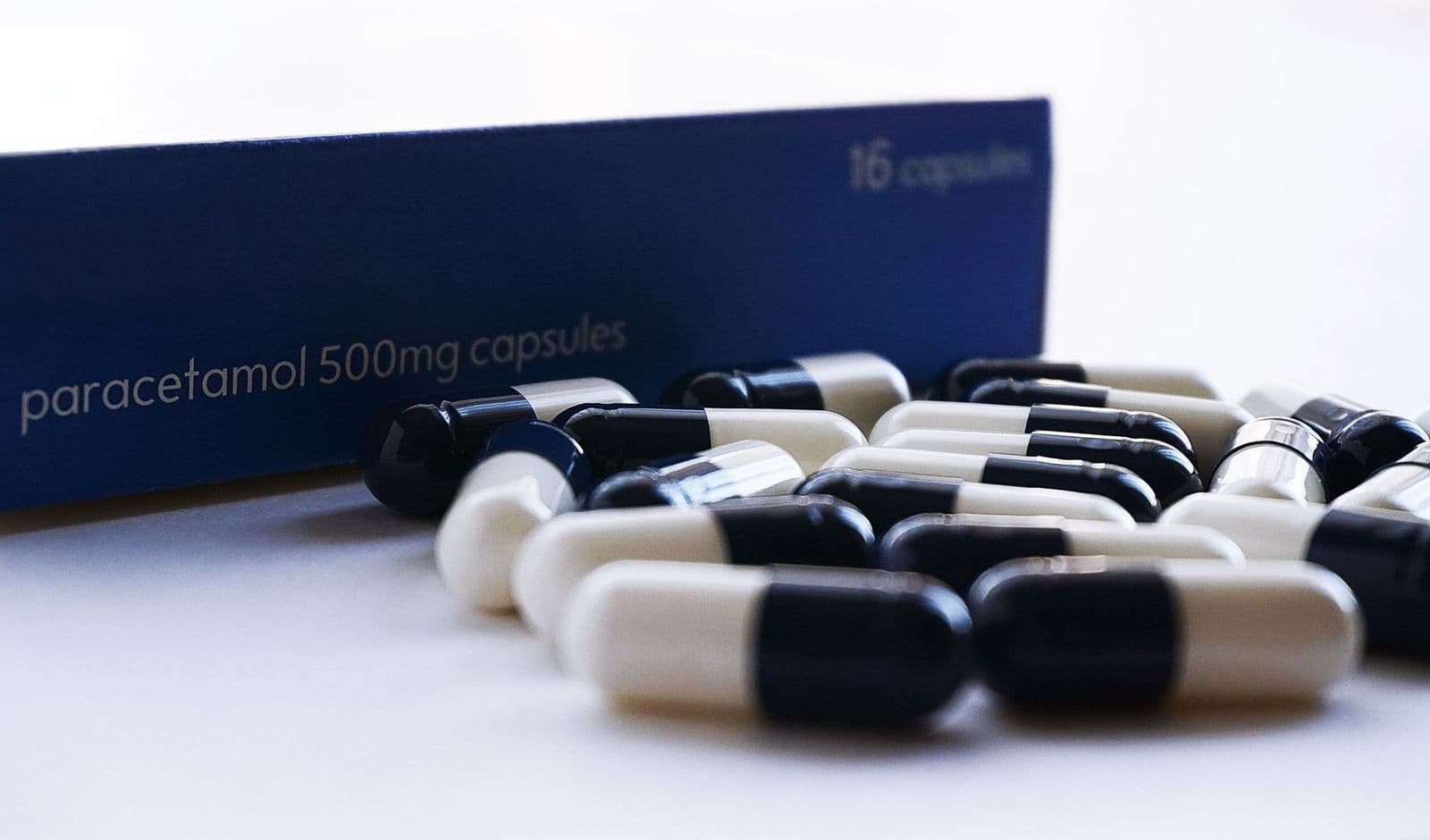
What to know about the best anti malaria tablets: destination, timing, side effects, and questions for your clinician.
Anti malaria tablets are prescription medicines taken to lower the risk of malaria when you travel to areas where the disease occurs. Searching for the best anti malaria tablets is really a search for the right option for your destination, health history and travel dates, and that choice belongs to a travel clinic, doctor or pharmacist who can review your details. This guide explains the main types, timing and safety points in general terms so you arrive at that appointment prepared.
This article is general information only, not medical advice, and it does not recommend a dose or a specific product. Never start, stop or switch a prescription medicine without guidance from a qualified clinician.
Why Destination Comes First
Malaria risk varies by country, region, altitude, season and even rural versus city stays. Parasites in some regions resist older medicines, so a tablet that works in one place may be much less useful in another. Guidance also changes over time, which is why a clinician checks current advice for your exact route, including stopovers and side trips. Bring your full itinerary to the appointment rather than relying on a generic list from the internet.
For a destination example, our guide to the best anti malaria tablets for india shows how much the details of a region can change the advice.
Main Types of Anti Malaria Tablets
Daily Combination Tablets
One widely used option combines two active ingredients and is taken daily during travel, starting shortly before entering the risk area and continuing for a short period after leaving. People often describe it as well tolerated, but it usually costs more than the alternatives and is not suitable for everyone, including some people with kidney problems and during pregnancy.
Daily Antibiotic Based Tablets
A daily antibiotic is another common choice, often cheaper and useful for longer trips. It can make skin more sensitive to sun and may upset the stomach or throat, so sun protection and taking it as directed matter. It is not suitable for pregnancy or young children.
Weekly Tablets
Weekly options appeal to travelers who dislike daily dosing and are usually started well before travel so any side effects can be spotted early. Some carry stronger warnings about mood, sleep and balance, and they are unsuitable for people with certain psychiatric or seizure histories, so careful screening is part of the process.
Older and Specialist Options
Some older tablets now work in only a few regions because of resistance, and other medicines are used for special situations. These are choices a travel clinic makes after checking your destination and history.
If you are comparing general information, our guide to the best malaria tablets looks at the topic from another angle.
What to Discuss at Your Appointment
Timing Before, During and After Travel
Each option has a start date before travel and a continuing period after you return. Ask for the schedule in writing, along with what to do if you miss a dose or lose tablets. Setting phone reminders and keeping tablets in hand luggage helps you stay on track.
Side Effects
Common effects include stomach upset, headache and sleep changes, and some options carry rarer but more serious warnings. Ask which effects usually pass, which need a call, and which need urgent care. Do not stop a course because you feel well or because of mild side effects without talking to your clinic.
Other Medicines, Conditions and Special Groups
Anti malaria tablets can interact with antibiotics, blood thinners, epilepsy medicines and acid reflux treatments, and some are unsuitable in pregnancy or for children. Give your clinician a full list of medicines and supplements, and mention conditions such as depression, anxiety, kidney, liver or heart rhythm problems. Pregnant travelers and families with young children should book a specialist travel consultation early.
Cost and Supply
Prices vary widely between options, and the total depends on the length of the course after you return as well as the trip itself. Compare the cost of the whole course, and buy only from licensed pharmacies, because counterfeit anti malaria tablets are a documented problem in some markets.
Questions to Ask Your Clinic
Write your questions down before the visit. Useful ones include which option fits your exact route, how the schedule works around your flights, what side effects to expect and which need a call, how the tablets interact with your current medicines, and what to do if you are sick, miss a dose or run out while traveling. Ask for the answers in writing, so you can check them during the trip.
Bite Prevention Still Matters
No tablet gives complete protection. Use insect repellent, sleep under a treated net where provided, cover skin in the evening and choose screened or air conditioned rooms when you can. These steps also protect against other mosquito carried illnesses that tablets do not cover.
A Simple Planning Timeline
Book a travel health visit at least six to eight weeks before departure, because some options start weeks ahead and vaccines for other illnesses may also be needed. At the visit, confirm the itinerary, review your medicines, and collect the full course. In the days before you leave, set reminders, pack tablets in hand luggage with the original label, and note the date you must keep taking them after you return.
Common Mistakes to Avoid
- Buying tablets online without a prescription or from an unlicensed seller, which risks counterfeit or expired stock.
- Stopping the course as soon as you leave the risk area, which leaves a gap in protection.
- Assuming a friend's tablet suits you, when destination, age, pregnancy and other medicines all change the answer.
- Skipping bite prevention because you are taking tablets.
- Ignoring a fever after returning because you took preventive medicine.
Safety Notes
Seek prompt medical care for fever, chills, sweating, headache or flu like illness during or after travel to a malaria risk area, even if you took preventive medicine, and tell the clinician where you traveled and when symptoms began. Keep tablets in their original packaging away from heat and children, and check expiry dates before you leave.
Frequently Asked Questions
Do I need a prescription for anti malaria tablets?
In most places yes. A clinician reviews your destination, health history and medicines before prescribing, so book a visit several weeks before you travel.
When should I start taking them?
The start date depends on the tablet, from days to weeks before entering the risk area. Your clinician will give you the exact schedule for your prescription.
Do I need to keep taking them after I come home?
Yes, every regimen continues for a set time after you leave the risk area. Finishing the full course is part of how the medicine works.
Can children and pregnant travelers take the same tablets?
Often not. Several options are unsuitable in pregnancy or below certain ages and weights, so these travelers need early specialist advice.
What if I get sick after traveling?
Seek medical care promptly if you develop a fever in the weeks or months after returning, and tell the clinician about your travel, since no tablet is completely protective.
Final Thoughts
Start with your destination and dates, review your health history and medicines with a clinician, and agree a schedule you can keep. Talk with a travel clinic, doctor or pharmacist before you decide, because the best anti malaria tablets for one traveler can be unsuitable for another. Use bite prevention alongside any tablet and seek care quickly if you feel ill.


