Best Boot Scrapers for 2026: A Practical Buying Guide
Disclosure: We may earn a commission when you buy through links on this page, at no extra cost to you. As an Amazon Associate I earn from qualifying purchases. Learn more
The best boot scrapers fit your largest boots, stay put, and rinse clean. Learn how bristles, mounting, drainage, and budget affect your choice.
Mud, gravel, and snow follow boots indoors unless something stops them at the door, and a good scraper gives that dirt a place to go before it reaches your floors. The best boot scrapers are not the fanciest ones on the market. They are the ones that match your boot size, your doorway, and the kind of mess you track in most often. The product table can help you weigh those choices side by side.
This guide compares scraper types, bristle styles, mounting options, and price tiers so you can spend where it matters and skip features you will never use. Prices below are approximate, and maker guidance should always win over general advice when the two differ.
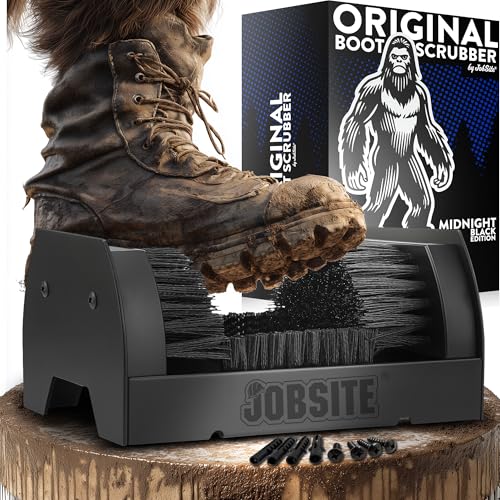
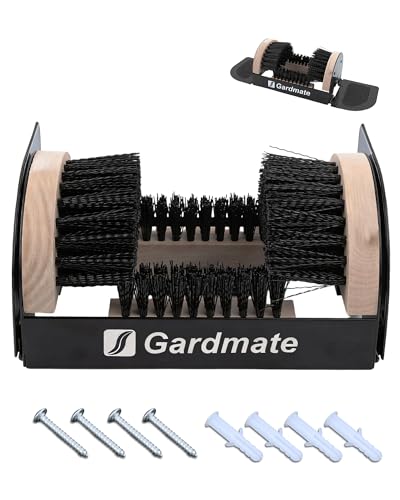

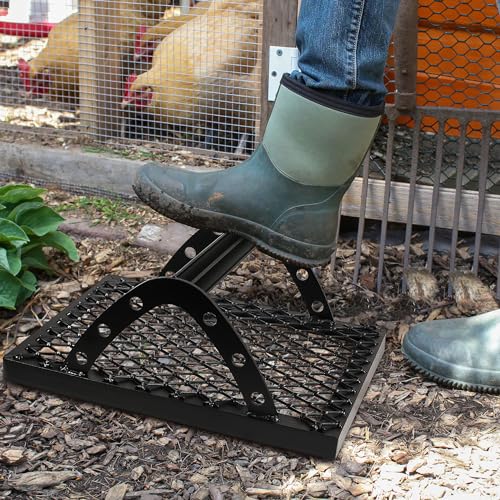
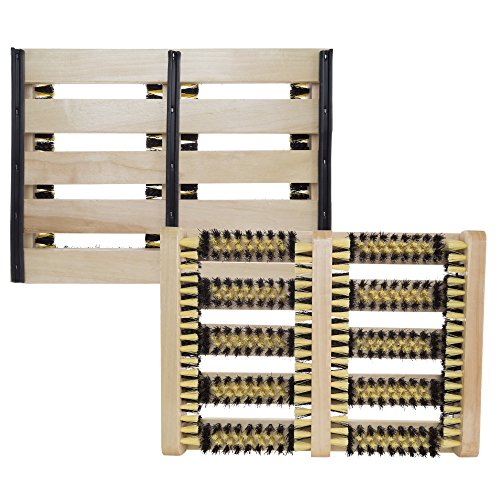
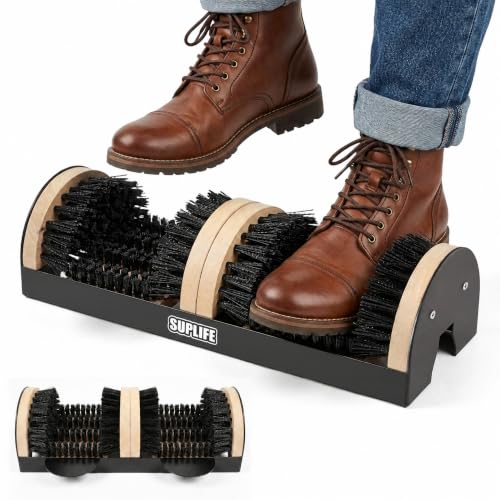
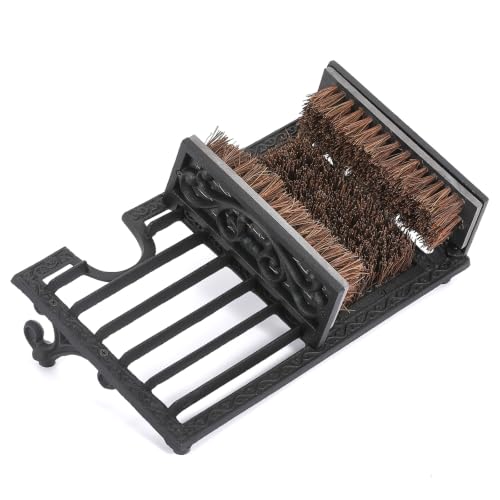
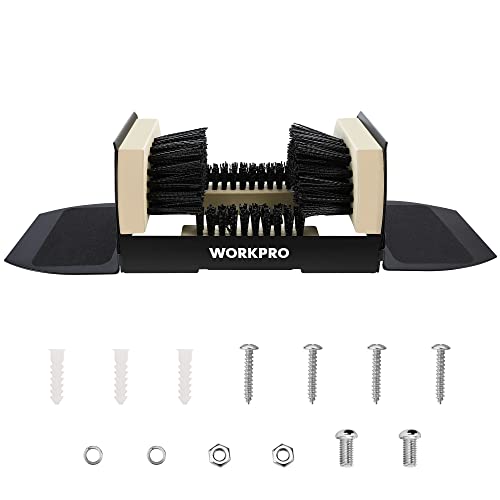


Spending Levels at a Glance
Boot scrapers fall into three broad spending levels, and each one suits a different doorway and workload. A basic scraper works well for a single household entry that sees light mud. A midrange scraper usually adds sturdier bristles, a larger cleaning area, and better stability. A higher priced scraper tends to offer heavier construction, replaceable parts, or a design built for frequent use by many people.
Budget Level Guidance
At about $15 to $30, expect a simple mat or a small brush frame that sits by the door and handles everyday dirt. These scrapers are often light, so they work best on a flat surface where they will not slide around. They suit a household with one main entry and boots that are not caked in thick mud every day.
Midrange Level Guidance
At about $30 to $70, scrapers usually offer a wider brushing area, firmer bristles, and a heavier base or a mounting option. This level suits busy family entries, mudrooms, and homes near farms, trails, or construction sites. The extra stability matters most when several people use the scraper each day.
Premium Level Guidance
At about $70 to $150, expect heavy duty frames, dense bristle blocks, and parts that can be replaced rather than throwing the whole unit away. This level makes sense for workshops, barns, rental properties, and any entry that sees constant heavy use. For a quiet single person household, the extra strength is rarely needed.
What Your Money Gets You at Each Price Tier
Price in this category mostly buys size, stability, bristle density, and build strength, not fancy electronics or complex features. Knowing what changes at each tier helps you avoid paying for strength you do not need or buying a light scraper that slides away under a muddy boot.
Budget Tier: What to Expect
Budget scrapers tend to be compact, light, and simple to move between doors. Their bristles may be softer and spaced farther apart, so they remove loose dirt well but struggle with packed mud. They are a sensible starting point when you want to see whether a scraper fits your routine.
Midrange Tier: A Strong Choice for Most Homes
Midrange scrapers usually balance size, grip, and bristle firmness in a way that suits most households. Look for a base that stays put, bristles that reach the sides of the boot as well as the sole, and a design you can rinse clean without tools. This tier is where most buyers find the best value.
Premium Tier: When Spending More Pays Off
Premium scrapers pay off when the scraper faces heavy daily traffic, large work boots, or thick clay and manure. Heavier frames resist tipping, denser bristles clean faster, and replaceable brush blocks extend the life of the unit. If only one or two people use it lightly, that durability is nice but not essential.
What to Look for in the Best Boot Scrapers
Not every feature deserves your money. The sections below separate the details that change daily performance from the extras that sound useful but rarely matter at the door.
Scraper Style and Bristle Type
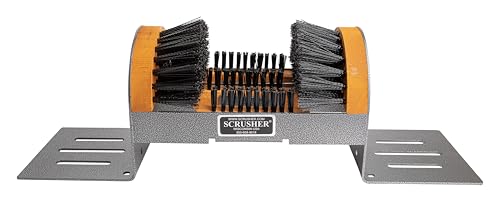
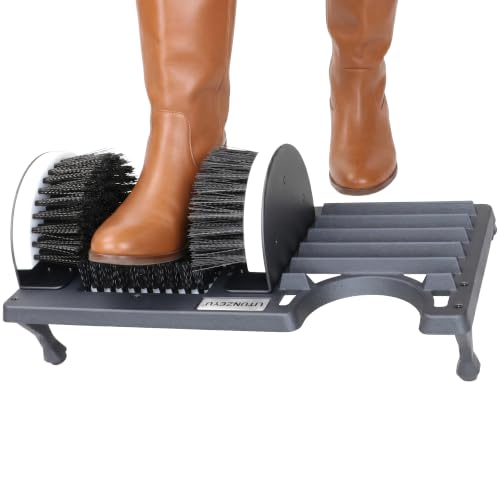
Open brush frames clean the sole and the sides of a boot in one motion, which is useful for deep tread patterns. Flat mats with raised ridges are simpler and easier to store, but they clean the sole only. Stiff bristles remove packed mud faster, while softer bristles suit smooth soles and indoor use where scratching is a concern. Choose the style that matches the mess you bring home most often.
Size and Boot Fit
A scraper should be wide enough for your largest boots with room to move the foot back and forth. Measure the widest pair you own, including work boots with thick soles, before you buy. A scraper that is too narrow forces awkward angles and leaves the edges of the sole dirty. A scraper that is far too large can crowd a small porch or mudroom.
Mounting and Stability
Stability is the single most practical feature in this category. A scraper that slides or tips wastes effort and can be a trip hazard. Floor models need weight or a grippy base, while wall or post mounted models need solid fixings and a height that suits the people who use them. Follow maker guidance for mounting, and keep small parts away from children during installation.
Drainage and Cleaning
Mud and water need somewhere to go, or the scraper itself becomes a dirty mat by the door. Open frames and slotted bases shed water better than solid trays. A design you can hose down or rinse in a bucket will get cleaned more often, and that regular cleaning is what keeps bristles working. If you cannot clean it easily, skip it.
Materials and Durability
Steel frames resist bending under heavy boots, while sturdy plastic frames resist rust and weigh less. Natural fiber bristles can be gentle on leather but wear faster in wet conditions. Synthetic bristles usually last longer outdoors and dry faster. Check whether brush blocks can be replaced, since that one detail often decides whether a scraper lasts two seasons or ten.
Long Term Costs to Factor In
The purchase price is only part of the cost. Brush blocks, replacement bristles, and mounting hardware add up over time, and a scraper left outdoors in harsh weather may need replacing sooner. A slightly higher priced model with replaceable parts can cost less over five years than a cheap model replaced every season. Warranty terms also matter, so read what the maker covers before you buy.
Cleaning time is a hidden cost too. A scraper that takes minutes to rinse will stay in use, while one that traps mud in hard to reach corners may end up ignored by the door.
Frequently Asked Questions
How wide should boot scrapers be for large work boots?
Boot scrapers should be at least as wide as your widest boot sole, with a little extra room to slide the foot forward and back. Measure across the sole at its widest point rather than guessing from shoe size, since work boots vary a lot. A scraper that matches your largest pair will also handle smaller boots easily. If two people share very different boot sizes, size the scraper for the larger pair.
Are expensive boot scrapers worth it?
Expensive boot scrapers are worth it when they face heavy daily use, large boots, or thick mud that wears out light models quickly. The extra money usually buys a heavier frame, denser bristles, and replaceable parts. For a single entry with light use, a budget model often cleans just as well. Judge value by how often the scraper is used, not by price alone.
How often should I replace my boot scrapers?
Replace boot scrapers when bristles are bent flat, broken, or too short to reach into boot tread. Light home use may allow several years of service, while workshop or farm use can wear bristles out in a single season. Rinse the scraper regularly, since packed mud left in the bristles speeds wear. Check mounting screws and fixings at the same time you inspect the bristles.
How long does it take to break in new bristles?
New bristles usually settle within the first week of regular use as they flex and find their working shape. Very stiff bristles may feel harsh on soft soles at first, so start with light pressure and increase as needed. If bristles shed heavily after the first few uses, that points to a quality problem rather than normal settling. Maker guidance on care will say whether a particular material needs any special treatment.
Can I use boot scrapers all day in a workshop?
Boot scrapers can be used all day in a workshop, provided the unit is stable, well mounted, and placed where it does not block walkways. Heavy duty models suit this setting better than light mats, which tend to slide under repeated use. Place the scraper near the entry where boots are dirtiest, and rinse it at the end of the day. Keep the area around it dry to reduce slip risk.
The Bottom Line
Choose a scraper that fits your largest boots, stays put underfoot, and can be rinsed clean in minutes. Those three points matter more than any extra feature. Spending more makes sense for heavy daily use or replaceable parts, while a simple model suits a quiet entry. The best boot scrapers are the ones you actually use every time you come inside, so check the product table above once more before you decide.