
Best Antacid Tablets for Acid Reflux 2026 Safety Guide
Disclosure: We may earn a commission when you buy through links on this page, at no extra cost to you. As an Amazon Associate I earn from qualifying purchases. Learn more

Best antacid tablets for acid reflux: how to compare strength, format and ingredients, and when to ask your doctor or pharmacist.
The best antacid tablets for acid reflux are the ones that suit how often your symptoms show up, how you like to take a tablet, and what else you already take. This guide covers formats, flavors, and label basics so you can compare options with a clear head.
Antacids are meant for occasional heartburn. If symptoms are frequent or severe, ask your doctor or pharmacist for advice rather than relying on tablets alone, and always follow the label and the manufacturer's instructions.

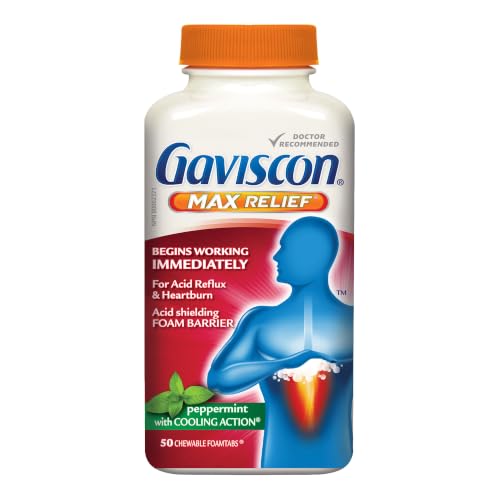

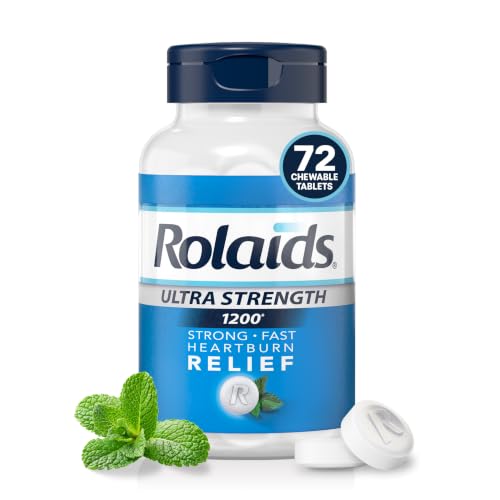


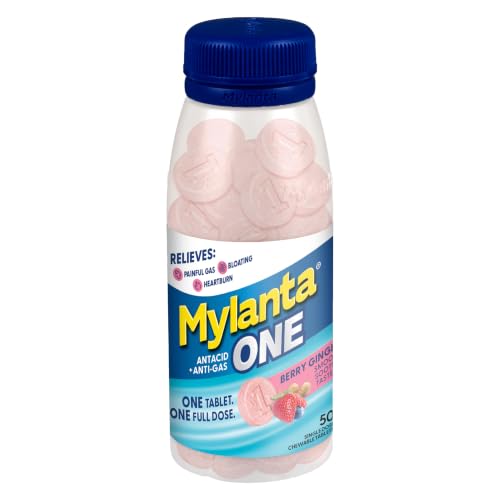
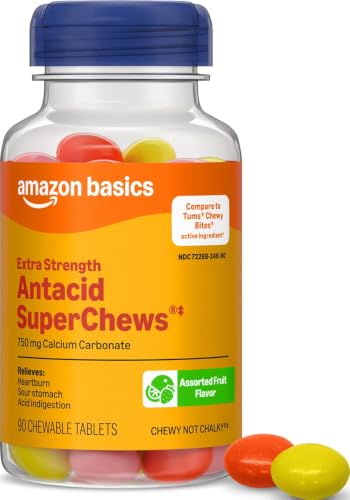

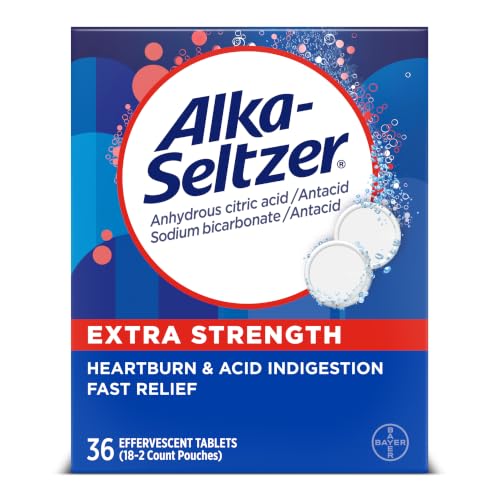
Who Should Consider Antacid Tablets for Acid Reflux
For Occasional Heartburn
Occasional heartburn after a large meal, spicy food, or late eating is the main reason people keep antacid tablets at home. Smaller evening meals and avoiding lying down right after eating are simple habits that often go together with an antacid.
For People Who Want Fast, Portable Relief
Chewable tablets need no water and slip into a bag, which makes them handy for work, restaurants, and trips. Pick a flavor and texture you will actually use, since a tablet you dislike tends to stay in the drawer.
For Travelers and Shift Workers
Meals and sleep times shift when you travel or work irregular hours, and a small bottle or roll of tablets is easy to carry. Keep the original label with you so a pharmacist can read the ingredients if you need to buy more away from home.
Key Features to Compare
Active Ingredient
Most antacid tablets use calcium carbonate, magnesium compounds, aluminum compounds, or a blend. Different ingredients feel different in the stomach and in the gut, so read the label, and ask your pharmacist if you have questions about which suits you.
Strength and Pack Size
Regular, extra, and ultra strength versions differ in how much active ingredient each tablet holds. A larger pack costs less per tablet, but a small pack is easier to carry and keeps tablets fresh. Check the label for the stated daily limit and never go beyond it.
Format, Flavor, and Texture
Chewables, soft chews, effervescent tablets, and liquids all exist. Chewables are the most portable, soft chews are gentler on the teeth, and effervescent tablets dissolve in water for people who dislike chewing. Flavors range from mint to mixed fruit, so try a small pack first.
Other Ingredients and Allergens
Check the list for sweeteners, dyes, and gluten or dairy statements if you avoid them. Some products also add an anti-gas ingredient, which you may or may not want.
When to Talk With a Professional
Ask your doctor or pharmacist before regular use, especially if you take other medicines, are pregnant, or have a health condition. Antacids can affect how some medicines are absorbed, so spacing and timing deserve a professional opinion.
Frequent heartburn, symptoms that wake you at night, trouble swallowing, or chest pain should be checked promptly. Do not assume chest symptoms are heartburn: seek emergency care for severe or worrying chest pain.
Mistakes to Avoid
- Using tablets daily to cover up a pattern of symptoms that deserves a conversation with your doctor.
- Going past the daily limit printed on the label.
- Taking an antacid at the same moment as other medicines without asking a pharmacist.
- Buying a large pack of a flavor you have never tried.
- Ignoring the allergen and sweetener list on the label.
Everyday Habits That Go With Antacids
Smaller evening meals, a few hours between dinner and bed, and raising the head of the bed help many people with night time reflux. Tight clothing at the waist, smoking, and alcohol can make heartburn worse, and a short diary of meals and symptoms helps you spot your own triggers.
Bring that diary to any appointment. Two weeks of notes usually shows whether heartburn is occasional or a pattern worth discussing.
For a related option, our guide to best tablets for acid reflux looks at how that choice compares, and our guide to best antacid tablets covers a closely related option with different strengths.
Frequently Asked Questions
How quickly do antacid tablets work?
Antacid tablets are designed to act within minutes, though timing varies by product and person, and the effect is short lived. Follow the label for how often you can repeat a dose.
Can I take antacids every day?
Antacids are intended for occasional use. If you find yourself reaching for them daily, ask your doctor or pharmacist about it instead of increasing how many you take.
Do antacids interact with other medicines?
They can change how some medicines are absorbed. Tell your pharmacist about everything you take and follow their advice on timing.
When should heartburn be checked by a doctor?
See a doctor about frequent heartburn, night time symptoms, trouble swallowing, or unexplained changes in weight or appetite. Seek urgent care for severe chest pain.
Are antacids safe during pregnancy?
Some antacids are commonly discussed in pregnancy, but formulas differ, so ask your doctor or pharmacist before using any product.
Final Thoughts
The best antacid tablets for acid reflux match your symptoms, your routine, and the label guidance, and they sit alongside simple habits and professional advice when heartburn is frequent.
Use the product table to compare strengths, formats, and pack sizes, then check the label and talk with your pharmacist if anything is unclear.


