
Best Ankle Winter Boots: Warmth, Traction and Fit for 2026
Disclosure: We may earn a commission when you buy through links on this page, at no extra cost to you. As an Amazon Associate I earn from qualifying purchases. Learn more

A clear guide to the best ankle winter boots: insulation ratings, waterproofing, traction and how to size them for warm, dry feet.
The best ankle winter boots keep your feet warm and dry without the bulk of a tall snow boot, which makes them a favorite for commutes, school runs, dog walks and light snow. Because they stop at the ankle, they are easier to wear and drive in, but they also leave less protection from deep snow. This guide explains insulation, waterproofing, traction and fit so you can choose a pair that suits your climate. Compare current models in the product table as you read.
The right boot depends on how cold your winters get, how much time you spend standing still, and whether you walk on ice or mostly on cleared sidewalks.
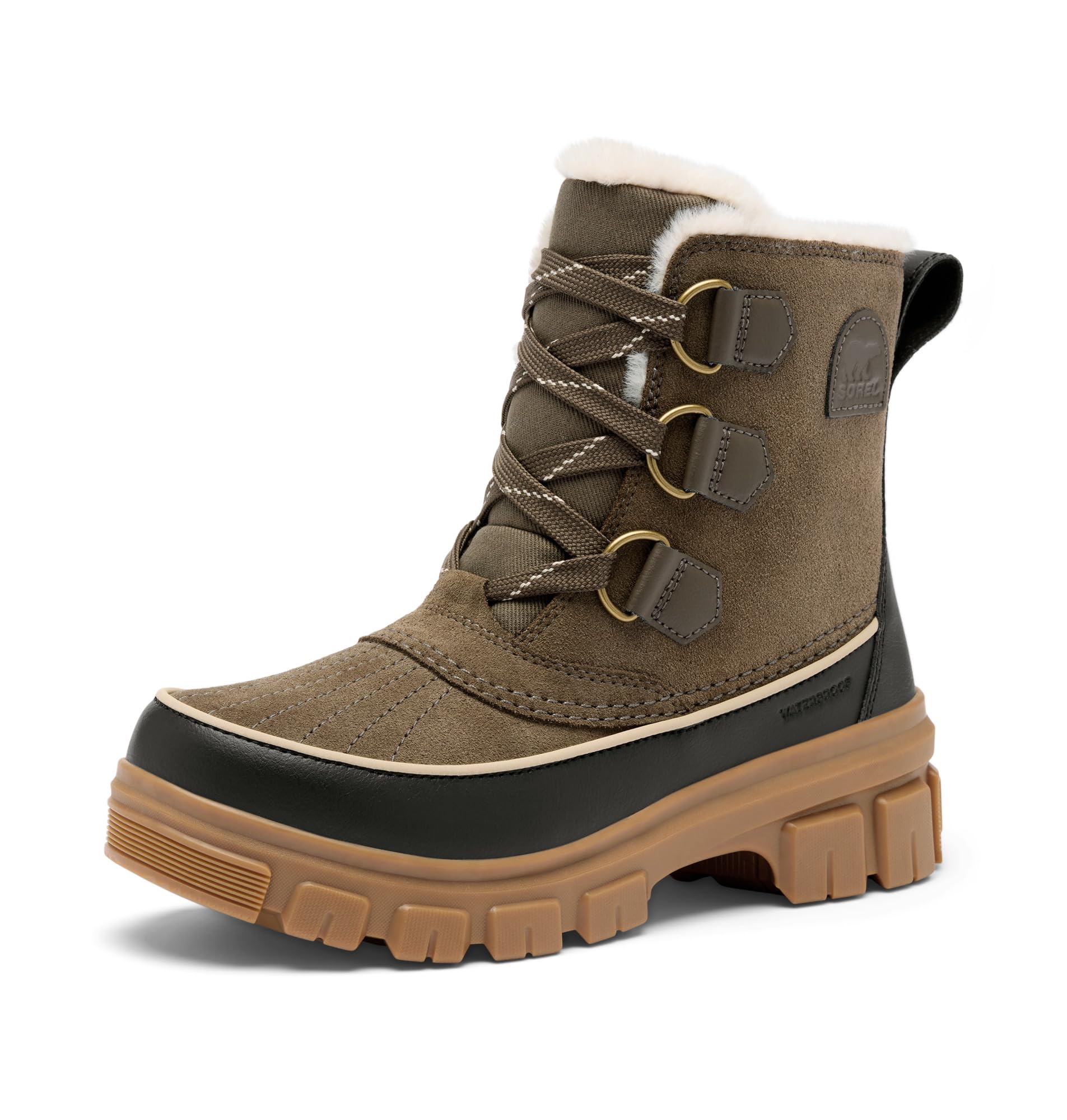

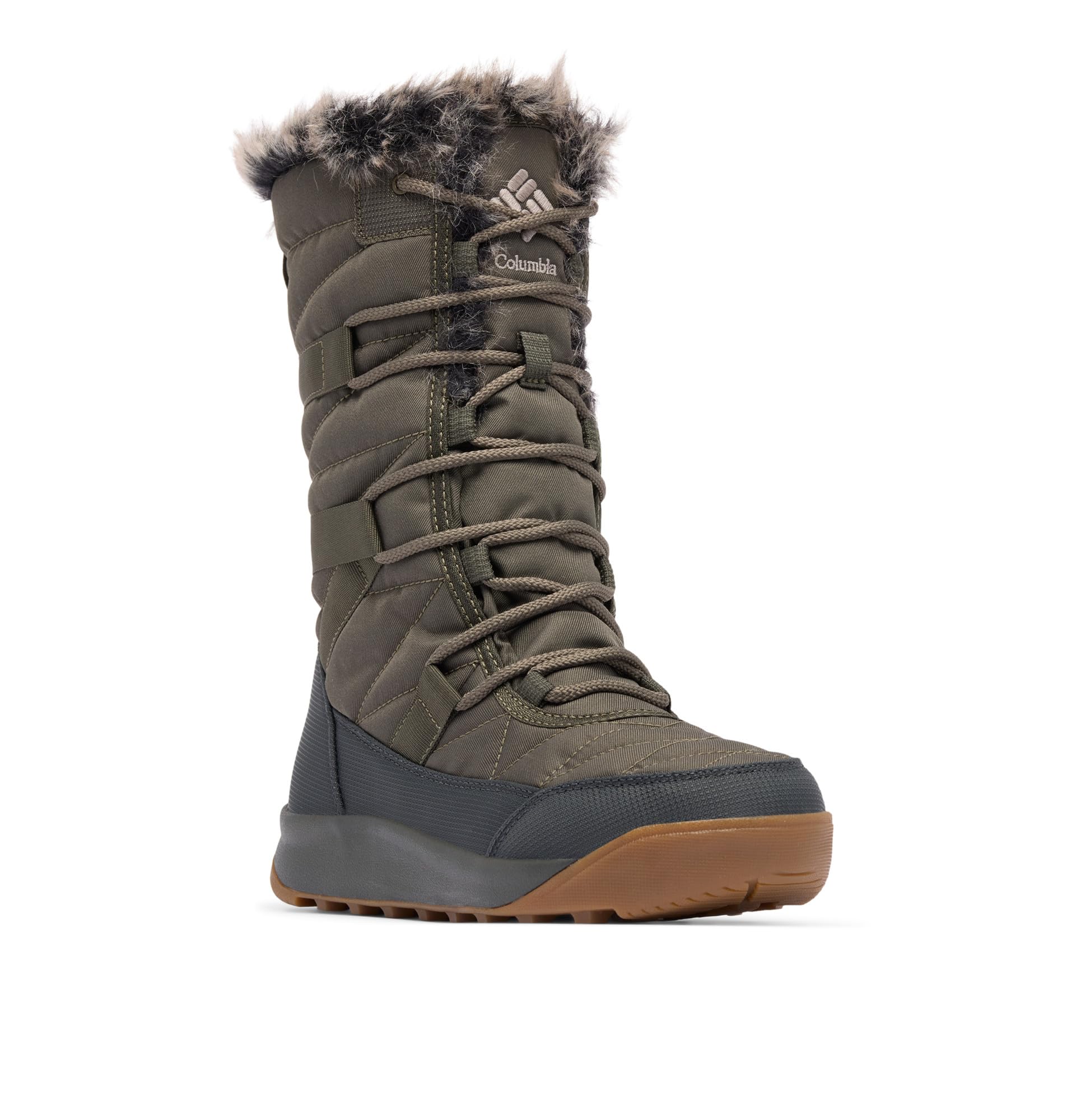


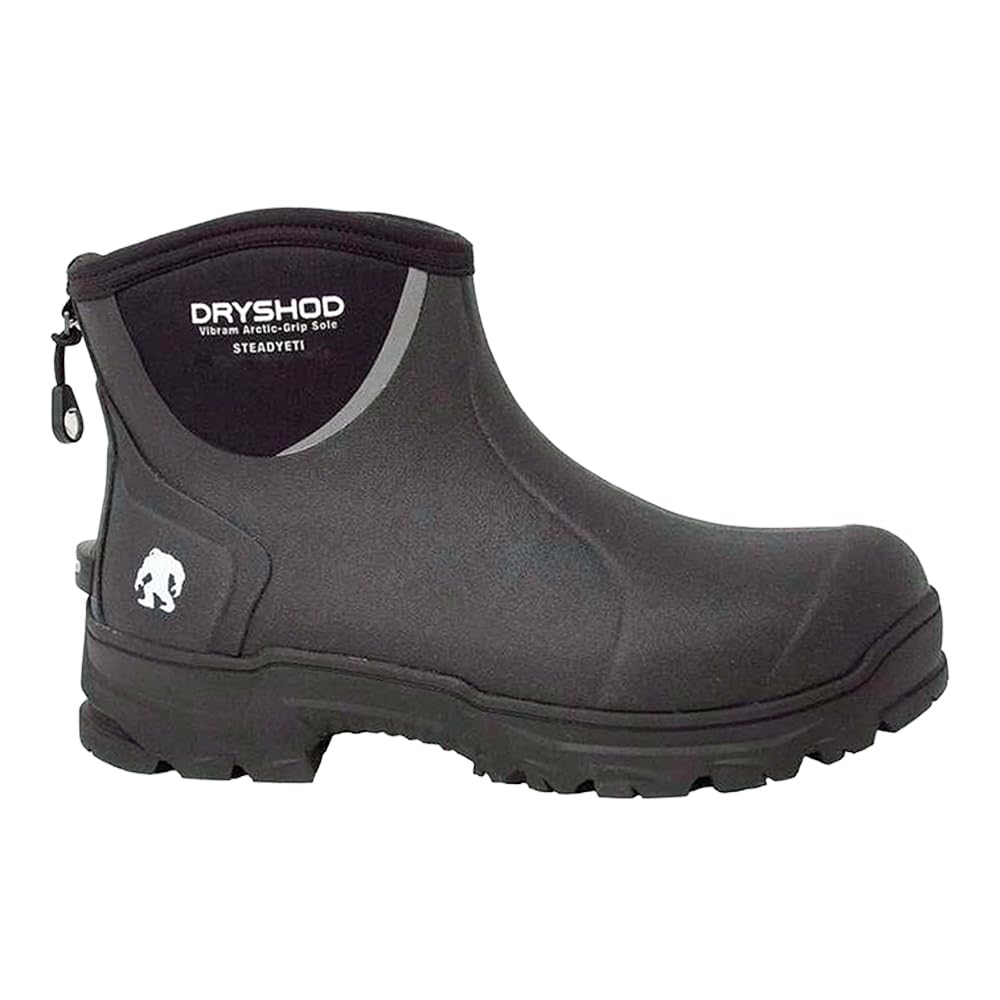

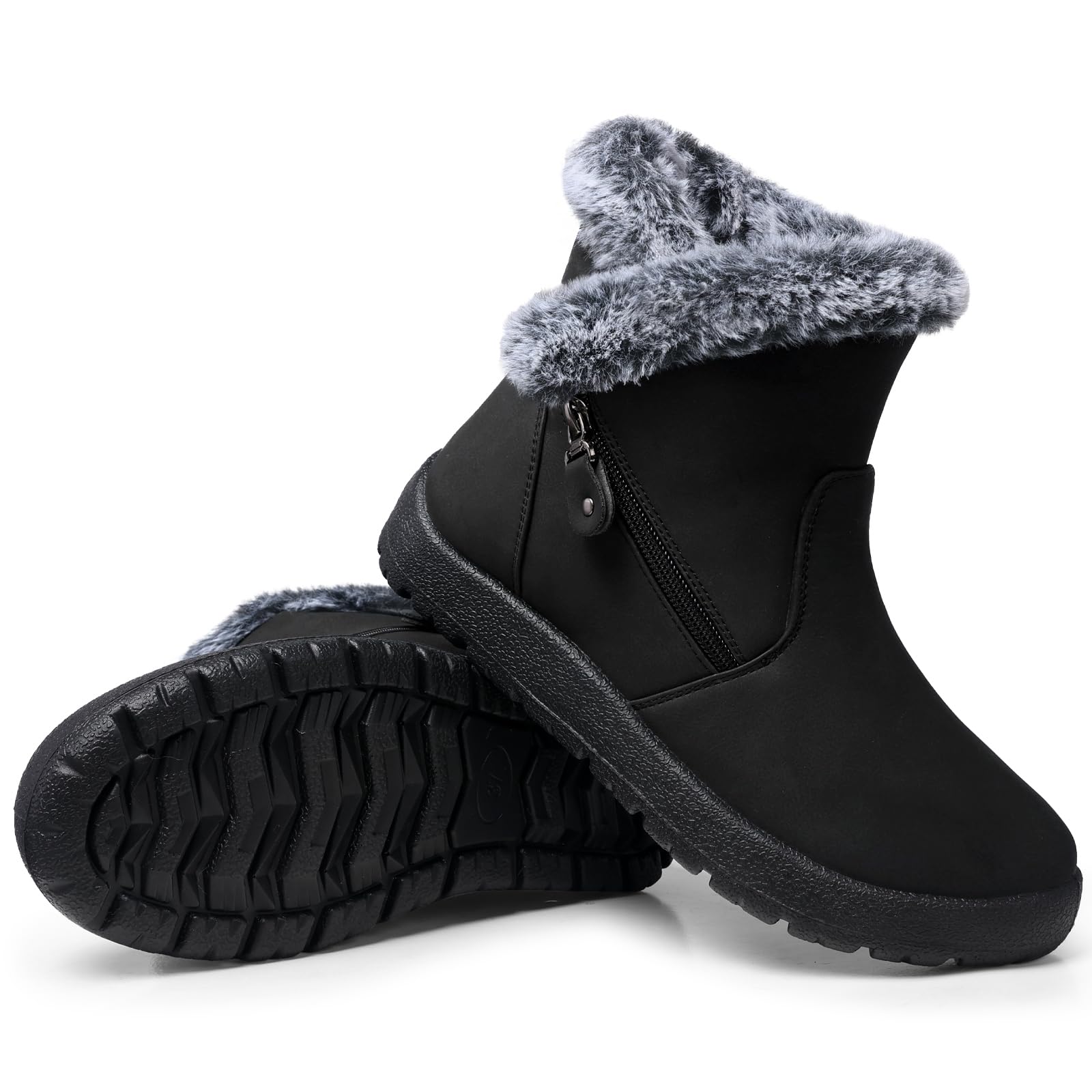
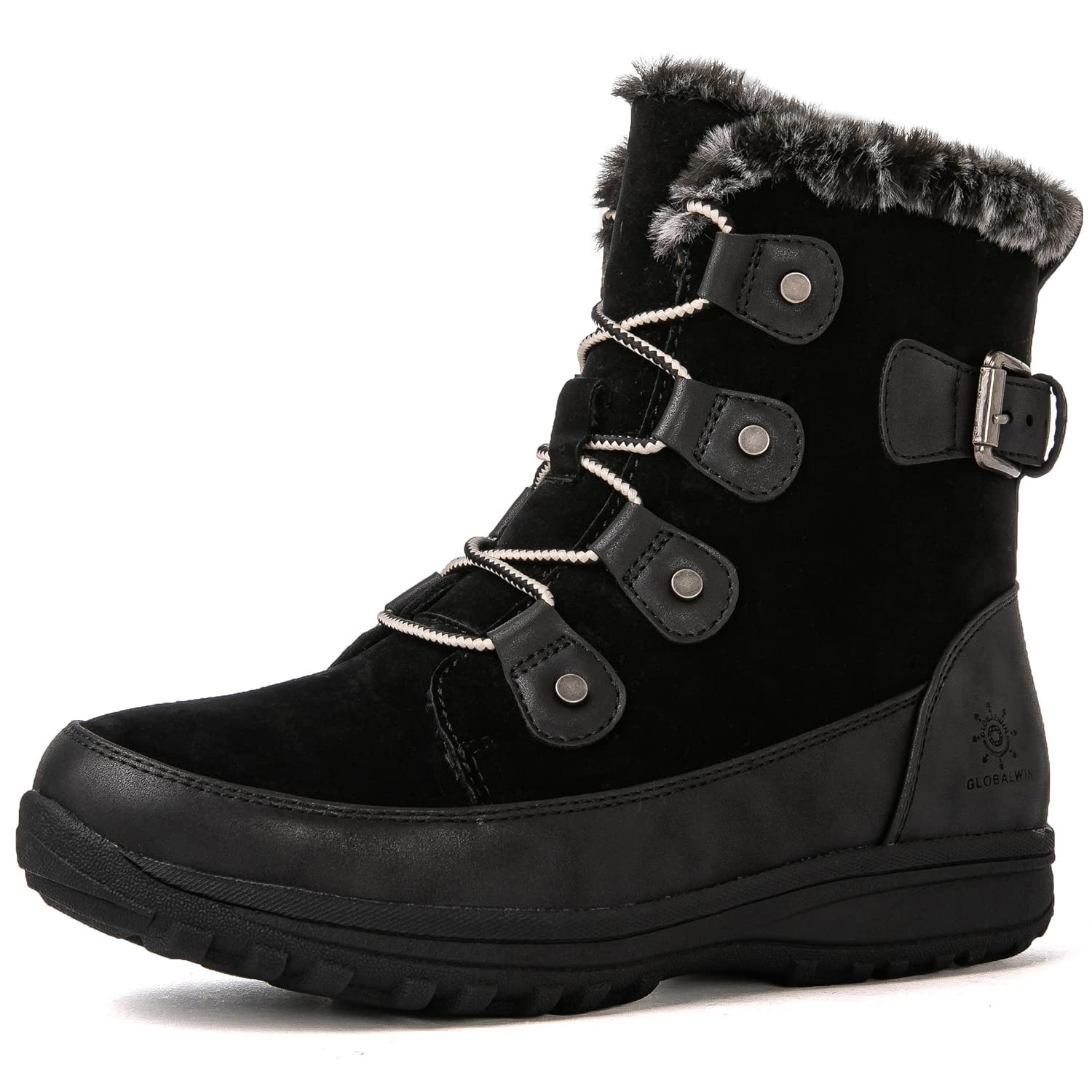
Types of Ankle Winter Boots
Insulated Snow Ankle Boots
These boots use synthetic insulation, a fleece or faux fur lining and a sealed lower section. They suit cold, snowy days and long periods outside. The warmth is rated by a temperature range, so match it to the lowest temperatures you usually face.
Waterproof Duck and Rubber Boots
A rubber lower with a leather or fabric upper keeps slush and puddles out. These boots shed wet snow and are easy to rinse. Many have removable liners that add warmth or can be dried separately.
Casual and Fashion Winter Ankle Boots
Leather and suede ankle boots with lugged soles work for city winter days. They look sharper than a snow boot, but check for a waterproof treatment and a grippy outsole, because smooth soles slip on ice.
Hiking Style Winter Ankle Boots
Hiking styles add ankle support, a stiffer sole and deeper lugs. They suit snowy trails and uneven ground, and many are insulated and waterproof. They are heavier than casual styles but safer on slopes.
Key Features to Compare
Insulation and Temperature Rating
Insulation is measured in grams, with 200 grams suiting cool days and 400 grams or more suiting cold weather. A temperature rating gives a rough guide, but activity matters: standing at a bus stop feels colder than walking briskly. Wool socks add warmth without extra bulk.
Waterproofing
Look for a waterproof membrane or sealed construction and a bonded sole. Seam sealed boots keep water out in slush, while breathable membranes let sweat escape. Treat leather and suede with a waterproofing spray at the start of the season.
Traction and Outsole
Deep, widely spaced lugs bite into snow, while a softer rubber compound stays flexible on ice. Some boots add ice grip patches, and removable traction cleats help on glazed sidewalks. See our guide to the best winter boots for ankle support if stability is your concern.
Fit and Sizing
Leave about a thumb width of space in front of your toes so they can move and stay warm. Try boots with thick socks, and make sure your heel does not lift when you walk. A snug fit through the ankle holds heat but should not pinch.
Weight and Comfort
Heavy boots tire your legs over long walks. Look for lightweight foam midsoles and a padded collar. A removable insole lets you add arch support or swap in a warmer one.
Who Should Buy Which Type
Commuters
Choose a waterproof, grippy ankle boot with moderate insulation that looks fine at work. A boot that is easy to slip on and wipe clean will see daily use.
Outdoor Walkers and Dog Owners
Look for strong traction, solid insulation and a rubber toe bumper. Taller collars keep snow out, so check that the ankle height is enough for your local conditions.
Men and Women Shopping Separately
Fit differs by last, so check size notes. For more choices, see our guides to the best winter ankle boots for women, the best boots men winter and the best winter boots for guys. For taller options, browse the best winter boots.
Common Mistakes to Avoid
- Choosing boots that fit tightly with thin socks, which cuts circulation and makes feet colder.
- Buying fashion boots with smooth soles for icy streets.
- Assuming every boot labeled water resistant is waterproof.
- Ignoring the temperature rating for your coldest days.
- Storing damp boots in a closed bag, which breeds odor and damages liners.
Care Tips
Knock off snow before entering the house, remove the insoles and let boots dry at room temperature away from direct heat. Heaters and radiators can crack leather and weaken glues. Brush off road salt, which stains and dries out leather, and reapply a protective spray each season.
Choosing the Best Ankle Winter Boots for Your Winter
Your climate should drive the decision. In cool, wet regions, waterproofing and traction matter more than heavy insulation, so a lightly insulated duck style boot may be ideal. In snowy northern regions, favor a thicker lining, a taller collar and a deep tread, even if the boot looks bulkier.
Think about your day. If you walk to a bus stop and spend most of the day indoors, you need a boot that is easy to remove and looks neat in the office. If you walk the dog in the dark, reflective details and secure traction help. If you stand still outdoors for long periods, choose a higher insulation rating and wear wool socks.
Check the insole and lining. A removable footbed lets you air out the boot between wears and add arch support, while a moisture wicking lining keeps feet dry from sweat. Compare the models in the product table with these needs, and choose the best ankle winter boots that match your coldest regular day. Buy a little room for thick socks, but not so much that your heel slides.
Finally, plan on caring for the boots. A quick wipe after each wear and a yearly waterproofing treatment can double their life.
Quick Buyer Checklist
Run through this list before you order.
- Is the insulation rating suited to your coldest regular day?
- Is the boot waterproof, with sealed seams and a bonded sole?
- Is the tread deep enough for snow and ice?
- Does the fit allow thick socks without heel slip?
- Is there a return window if the boots feel tight?
Frequently Asked Questions
Are ankle boots warm enough for winter?
Yes, for cool to cold weather and short time outdoors, especially with insulation and wool socks. For deep snow or very low temperatures, consider a taller boot.
How should winter ankle boots fit?
With room to wiggle your toes, a secure heel and no pressure on top of your foot. Try them with the socks you will wear.
Can I wear ankle winter boots in snow?
Yes, in light to moderate snow. A gusseted tongue and a higher collar keep snow from entering.
How long do winter boots last?
Two to five winters with good care. Worn tread and cracked liners are signs to replace them.
Are waterproof boots breathable?
Many use a membrane that lets some vapor escape, but they are still warmer than open mesh. Dry the liners after wet days.
Whatever you choose, break the boots in with a few short walks before a long day outside, so you can adjust laces or insoles in time.
Final Thoughts
Match insulation to your coldest days, insist on waterproofing and grippy soles, and check the fit with thick socks. Use the product table to compare current options against those points. Do that, and the best ankle winter boots will keep you warm, dry and steady all season.


