
Best Ankle Support Walking Boots: Buying Guide for 2026
Disclosure: We may earn a commission when you buy through links on this page, at no extra cost to you. As an Amazon Associate I earn from qualifying purchases. Learn more

Choose the best ankle support walking boots for your feet and terrain, with fit, spending, and care tips for comfortable long walks.
The best ankle support walking boots make long days on your feet feel steadier, especially on uneven ground or when you carry a pack. The right pair holds your foot in place without pinching or cutting off movement at the ankle. This guide explains how to compare fit, support, weight, and grip so you can pick with confidence. Read through the comparison table below, then use the sections that follow to narrow the choice to your feet and your routes.
The most important point is that support comes from the whole boot working together, not from a tall collar alone. A firm heel counter, a stable midsole, a secure lacing system, and a gripping sole all matter just as much. In this guide, best ankle support walking boots means boots that balance those parts well for everyday walking and trail use.

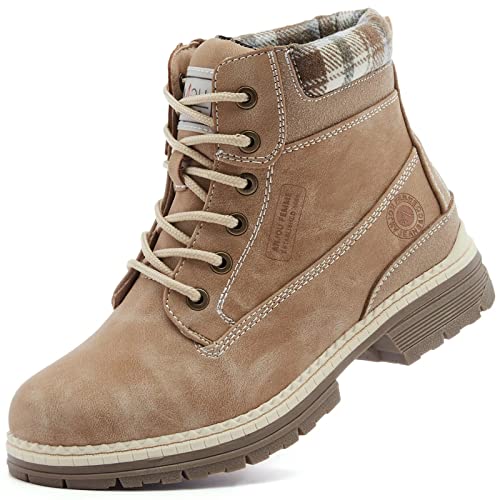
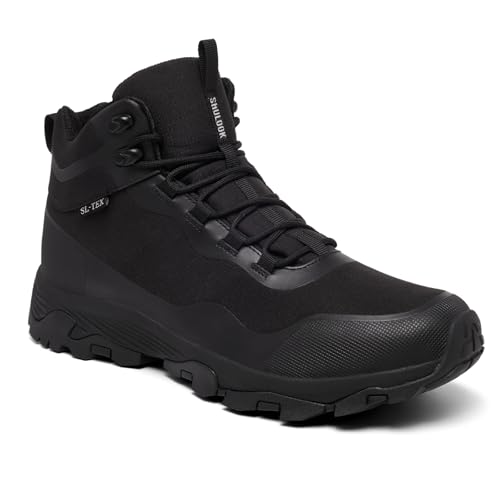
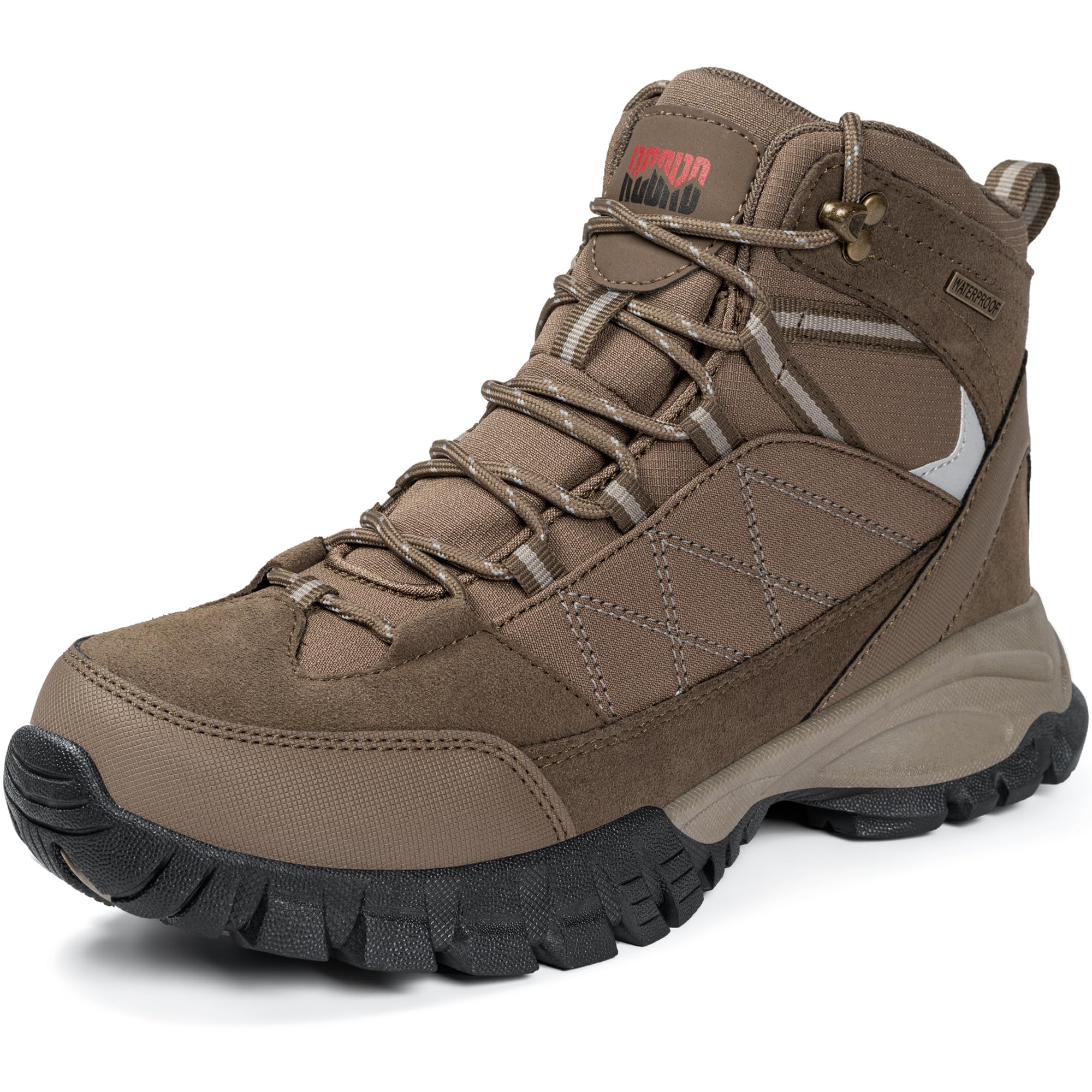
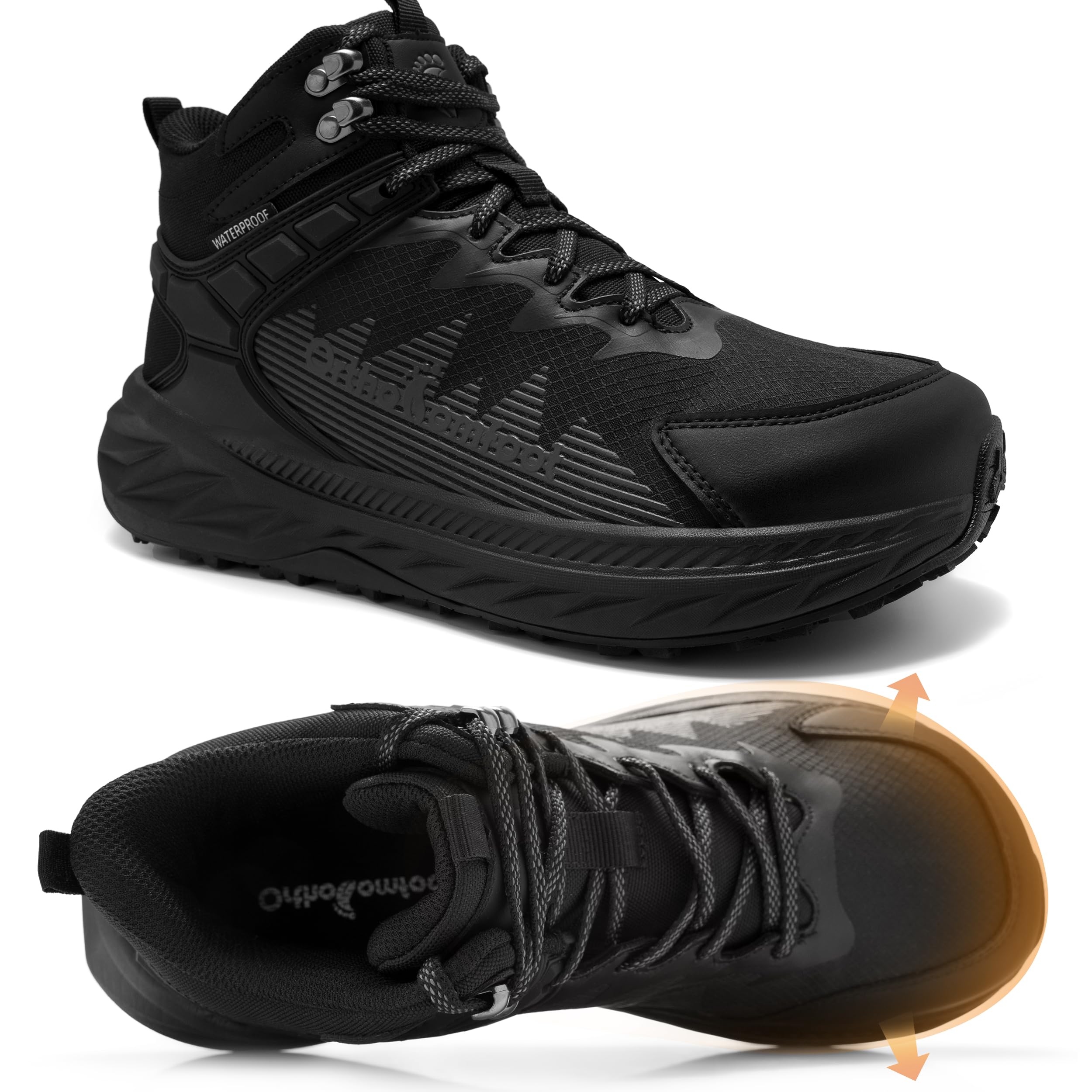

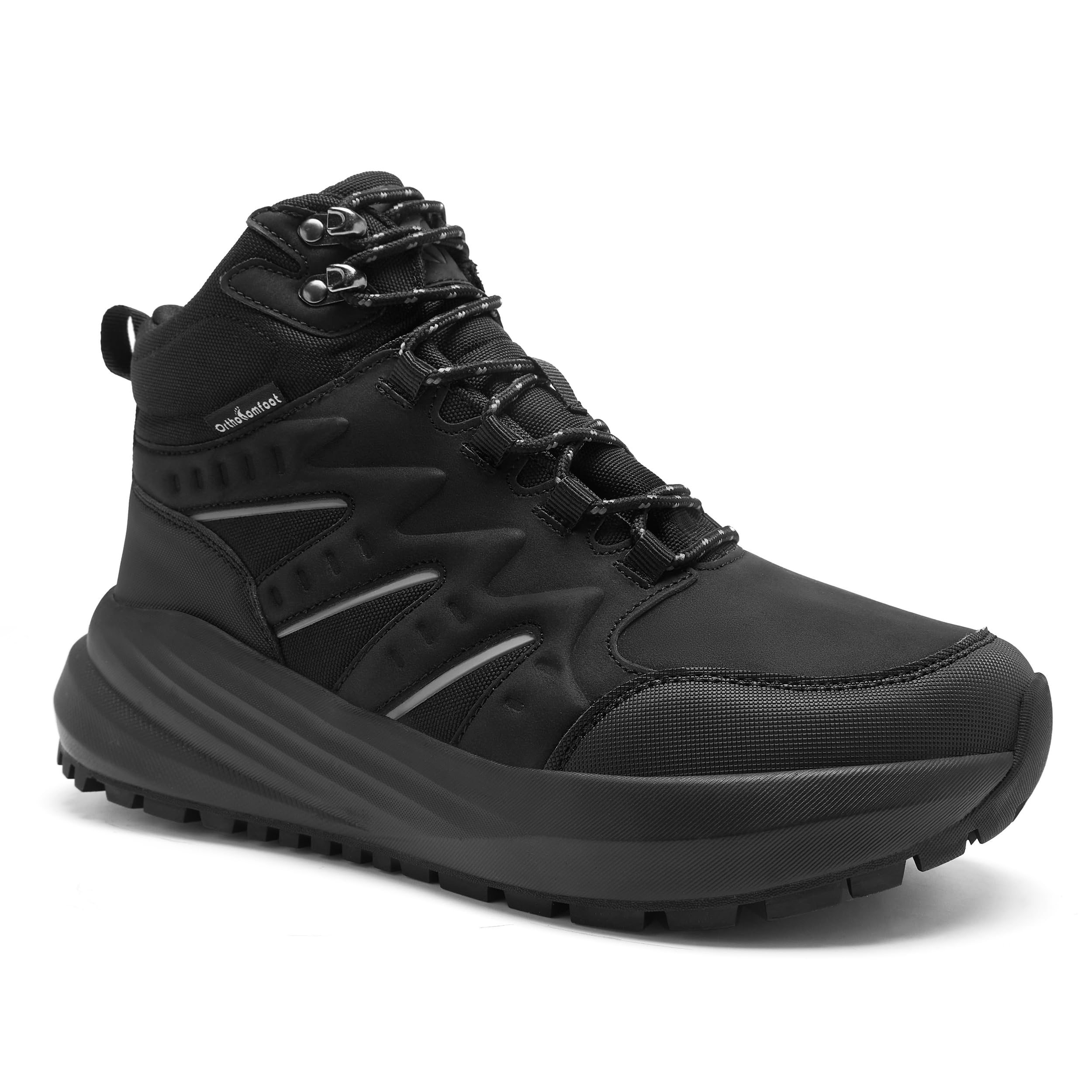
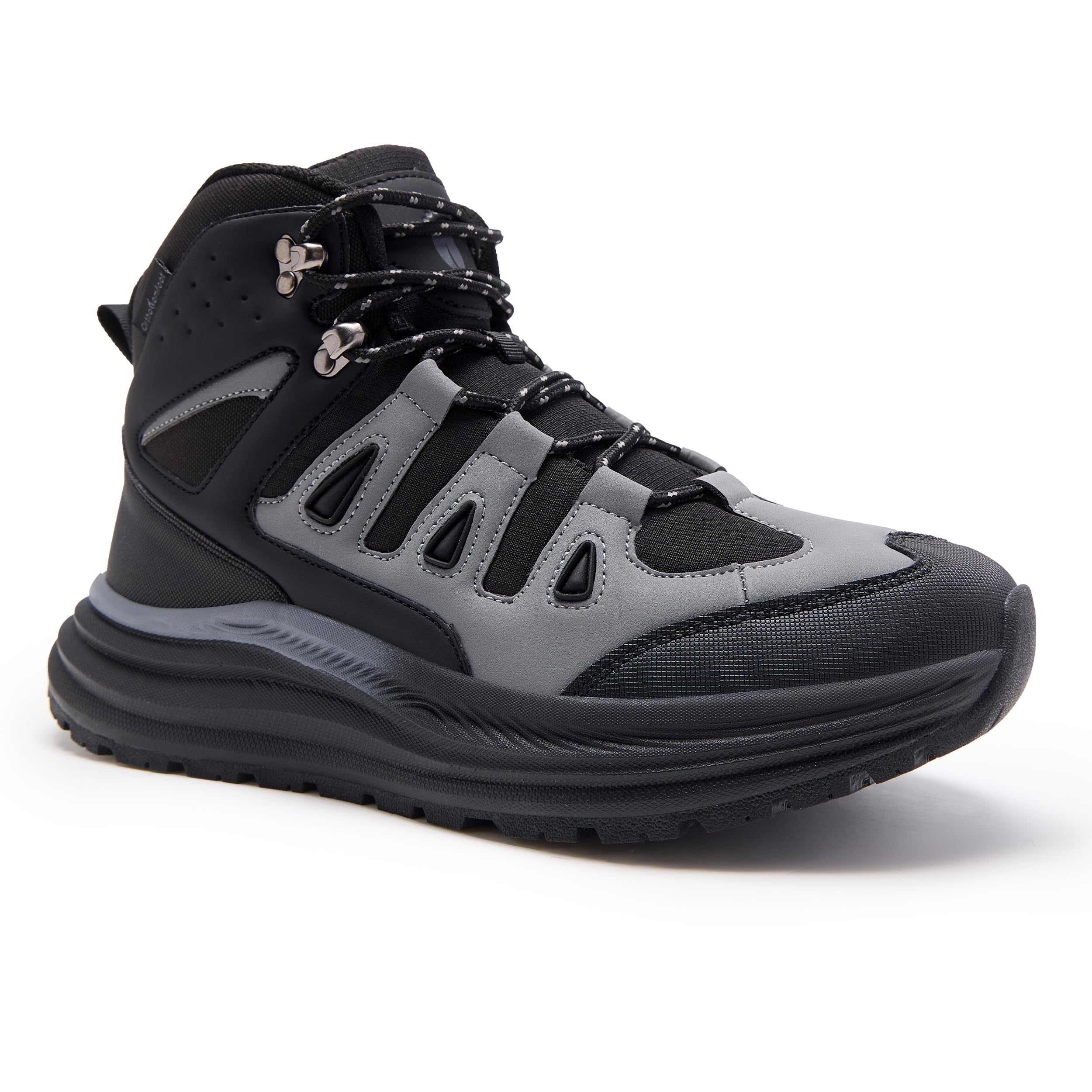

Spending Levels That Make Sense
Budget pairs, usually about $60 to $110, cover the basics well for short daily walks and smooth paths. They use simpler cushioning and lighter materials, so they may wear faster on rough ground or under a heavy pack. Check the outsole grip and heel counter carefully at this level, since those two parts do much of the steadying work.
Midrange pairs, usually about $110 to $180, are the sweet spot for most walkers, with better cushioning, more durable uppers, and more reliable waterproofing than budget options. If you walk most days or cover mixed terrain, start here.
Premium pairs, usually about $180 to $280, add refined fit options, tougher materials, and more advanced cushioning. They suit long distance walkers, heavy pack carriers, and walkers who need a precise width fit. Spending more only pays off if the fit is right.
How to Choose Ankle Support Walking Boots: Buying Guide
Start with the ankle itself. A good collar should sit snugly around the ankle bone without pressing hard into it, and it should allow your foot to flex forward naturally as you step. Hooks near the top let you lock the ankle in place, while a heel lock lacing pattern can reduce heel slip. If your ankle rolls easily or feels unstable, talk with a clinician about whether a supportive boot is enough, and see a clinician promptly for persistent or worsening ankle pain, swelling, or instability.
Fit, Sizing, and Toe Box
Measure your feet in the afternoon, when they are slightly larger, and wear the socks you plan to walk in. Your toes should have room to spread without hitting the front of the boot on downhill steps. A roomy toe box helps because feet swell slightly over the day, and cramped toes can lead to blisters. If one foot is larger, fit the larger foot and use lacing to fine tune the smaller side.
Width matters as much as length. A boot that is too narrow squeezes the forefoot, while one that is too wide lets the foot slide and rub. Check the width option before sizing up in length. Walk around indoors first, watching for heel slip, pressure on the ankle bones, and pinching across the toes.
Arch Support and Foot Type
Arch support shapes how your foot lands and rolls with each step. Walkers with flat feet often feel better with a firmer insole and a stable midsole that limits inward rolling. Walkers with high arches often prefer more cushioning under the midfoot, since less of the foot touches the ground. Removable insoles are useful because they let you match your arch without changing boots.
Overpronation, where the foot rolls inward more than usual, can make a boot feel wobbly even if the collar is tall. A stable heel counter and a twist resistant midsole help keep the foot aligned. Underpronation, where the foot stays rigid and rolls outward, usually calls for softer cushioning. Persistent pain, swelling, or a feeling that the ankle gives way deserves a clinician's advice rather than a new pair of boots alone.
Weight and Flexibility
Heavier boots protect more but tire your legs faster, while lighter boots feel easier over long distances but offer less protection on rocky ground. For smooth paths, a lighter pair often feels best. For rough trails or heavy packs, a sturdier boot with a stiffer sole gives more control. Judge weight by your longest regular walk, not the average one.
Flexibility should match the terrain. A sole that bends easily at the forefoot suits flat paths and city walking. A stiffer sole suits uneven ground because it spreads pressure from rocks and roots. Try bending the boot by hand: it should flex near the ball of the foot, not fold in the middle.
Break In Period and Comfort Out of the Box
Most walking boots need a short break in period, but they should not hurt from the first wear. Leather uppers usually take longer to soften than synthetic uppers, sometimes a week of short walks. Plan your first outings as short walks close to home so you can spot hot spots early.
Comfort out of the box is a good sign, not a guarantee. A boot that feels fine for ten minutes in a shop can still rub after two hours on a trail. Wear the boots around the house for a few days and check for redness on the ankle bones, heel, and toes. If a pressure point stays sore after several short wears, the fit is wrong rather than unbroken.
Upper Materials and Breathability
Leather uppers are durable and mold to the foot over time, but they are heavier and slower to dry. Synthetic uppers are lighter and dry faster, which helps in wet weather. Mesh panels add airflow and keep feet cooler, though they offer less protection from mud and brush. The best choice depends on your climate and terrain.
Breathability matters because sweaty feet blister more easily. Look for mesh panels, moisture wicking linings, and socks that move sweat away from the skin. Waterproof membranes keep rain out but trap warmth, so they suit wet and cold conditions better than hot summer walking. In dry heat, a non waterproof boot with good airflow often feels more comfortable.
Outsole Traction and Terrain
Lug depth and pattern decide how well a boot grips. Deep, widely spaced lugs shed mud and grip loose surfaces, while shallow, dense lugs suit hard paths and pavement. Rubber compound matters too: softer rubber grips wet rock better but wears faster, while harder rubber lasts longer on pavement.
Check the heel shape as well. A slightly beveled heel edge helps the foot roll forward smoothly and reduces catching on steps. For steep descents, a defined heel brake edge adds control. On wet boardwalks or icy pavements, look for outsoles described as slip resistant and try them on a short walk first.
Types of Ankle Support Walking Boots
Different boot types suit different walkers. Compare the trade offs below before settling on one style.
Waterproof Boots
Waterproof boots use a membrane or treated leather to keep rain and puddles out. They suit wet climates, muddy trails, and winter walking. The trade off is warmth: they breathe less, so feet may sweat more in summer. They also need care, since a damaged membrane lets water in through seams and lace holes.
Lightweight Walking Boots
Lightweight boots use synthetic uppers and lighter midsoles to cut weight. They suit daily walking, travel, and smooth trails where comfort matters more than protection. They may wear faster on rocky ground, and their cushioning can compress sooner under heavy use.
Sturdy Trail Boots
Sturdy trail boots use thicker leather or heavy synthetics, stiffer midsoles, and deeper lugs. They suit rough terrain, heavy packs, and walkers who want maximum ankle coverage. The trade off is weight and a longer break in period.
Everyday Walking Boots
Everyday walking boots sit between lightweight and trail styles, with moderate cushioning and a flexible sole. They suit city walking, park paths, and light trails. They are a good starting point if you walk mainly on smooth surfaces but want ankle coverage for uneven sections.
Common Mistakes to Avoid
- Buying for the collar height alone, while ignoring heel counter firmness and midsole stability, which do much of the steadying work.
- Sizing up in length to fix a narrow fit, which creates heel slip and blisters instead of solving the width problem.
- Skipping the afternoon fitting check, since feet swell during the day and a morning fit can feel tight by evening.
- Choosing waterproof boots for hot summer walking, where trapped warmth and sweat can cause more blisters than rain would.
- Judging grip from the tread pattern alone, without considering rubber softness and heel shape for your usual surfaces.
- Ignoring a persistent sore spot during break in, which usually signals a fit problem rather than a boot that needs more time.
Care and Maintenance Tips
Good care keeps boots supportive for longer. Clean mud off after walks, since dried mud stiffens uppers and wears stitching. Air dry wet boots away from direct heat, which can crack leather and warp midsoles.
Check wear regularly instead of counting miles alone. Inspect the outsole tread, the heel counter firmness, and the midsole for compression or cracks. Rotate two pairs for daily wear if you can, since resting a day between walks lets cushioning recover. Lace properly to prevent heel slip, and replace laces before they fray through.
For guidance on related styles, see our guide to best boots for ankle support and our guide to best hiking boots for ankle support.
Ankle Support Walking Boots: Your Questions Answered
Are expensive ankle support walking boots worth it?
Expensive boots are worth it when the extra cost buys a better fit, more durable materials, or cushioning that matches your walking load. A midrange pair often covers those needs for most walkers, so price alone is a weak guide. The better guide is fit: a well fitting midrange boot beats a poorly fitting premium boot every time. Spend more when you walk long distances, carry heavy loads, or need a wide or narrow width that budget pairs rarely offer.
Do I need waterproof walking boots?
You need waterproof boots if you regularly walk in rain, mud, or snow, or cross streams on your routes. In dry climates or hot summers, a breathable non waterproof boot often feels cooler and dries faster after a splash. Remember that waterproofing adds warmth and weight, and it depends on seam sealing and membrane condition, not just a label. If you buy waterproof boots, check the care instructions so the coating keeps working.
Can I wear ankle support walking boots all day?
Yes, if the fit is right and the boots suit your terrain, most walkers can wear supportive walking boots all day. Discomfort usually points to a fit issue, such as a narrow toe box or socks that bunch inside the boot. Take short breaks on very long days and change socks if they get damp. Persistent pain or swelling after all day wear deserves a clinician's advice.
How long is the break in period?
The break in period is usually a few short walks over one to two weeks for synthetic boots, and a bit longer for full leather boots. Start with walks of 30 to 60 minutes on easy ground, then build up gradually. Mild stiffness that eases with wear is normal, but sharp pain, numbness, or blisters that keep forming are not part of breaking in. If those symptoms persist, the size, width, or shape is likely wrong.
How should ankle support walking boots fit?
Ankle support walking boots should fit snugly around the heel and ankle, with room for your toes to move and no pressure on the ankle bones. Your heel should stay in place when you walk uphill, and your toes should not hit the front on downhill steps. Lace the lower section for comfort and the upper hooks more firmly for ankle hold, then walk on a slope if you can. For a women's specific fit, see our guide to best women's walking boots for ankle support.
How often should I replace my walking boots?
Replace walking boots when the outsole tread is worn smooth, the midsole feels compressed or uneven, or the heel counter no longer holds its shape. Mileage alone is a rough guide, since terrain, weight, and care change how fast boots wear. Daily walkers may need a new pair every year or so, while occasional walkers can get several years from one pair. If your boots start to tilt, lean, or cause new aches, replacement is overdue.
The Bottom Line
Choose boots that fit your feet first, then match the support, weight, and grip to your routes. A stable heel, a secure lace system, and a sole suited to your terrain matter more than collar height alone. Check the product table above once more and pick the pair you will enjoy wearing. With the right fit, best ankle support walking boots should feel steady and comfortable from the first long walk onward, and a clinician can help if ankle pain, swelling, or instability persists.


