
Best Ankle Boots for Bunions 2026: Which One Fits the Way You Use It?
Disclosure: We may earn a commission when you buy through links on this page, at no extra cost to you. As an Amazon Associate I earn from qualifying purchases. Learn more

Best ankle boots for bunions: how to judge toe box room, forefoot softness and support, plus fit checks and care tips.
A bunion changes what a good boot has to do. The joint at the base of your big toe sits wider and often feels tender, so a boot that looks fine on a shelf can rub and ache within an hour. The best ankle boots for bunions give that joint room, keep pressure off it and still hold your heel and ankle steady.
Start with how you will wear the boots. A pair for wet commutes needs a different upper and outsole than a pair for office days or light trails. Use the product table to line up toe box shape, heel height, cushioning and support before you commit to a pair.

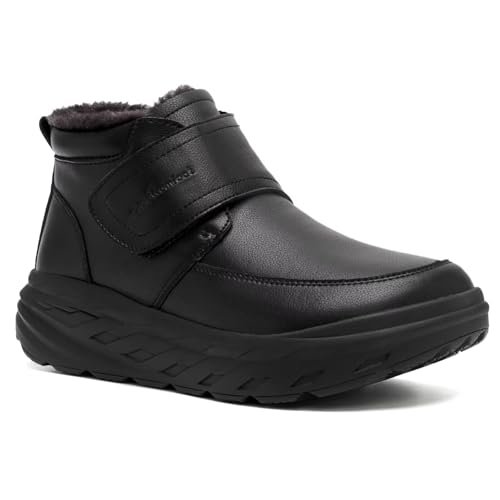
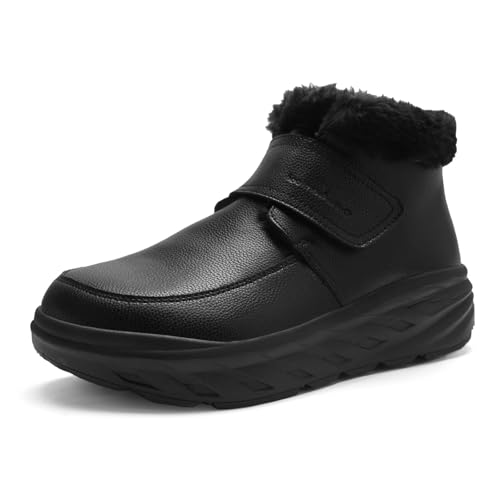

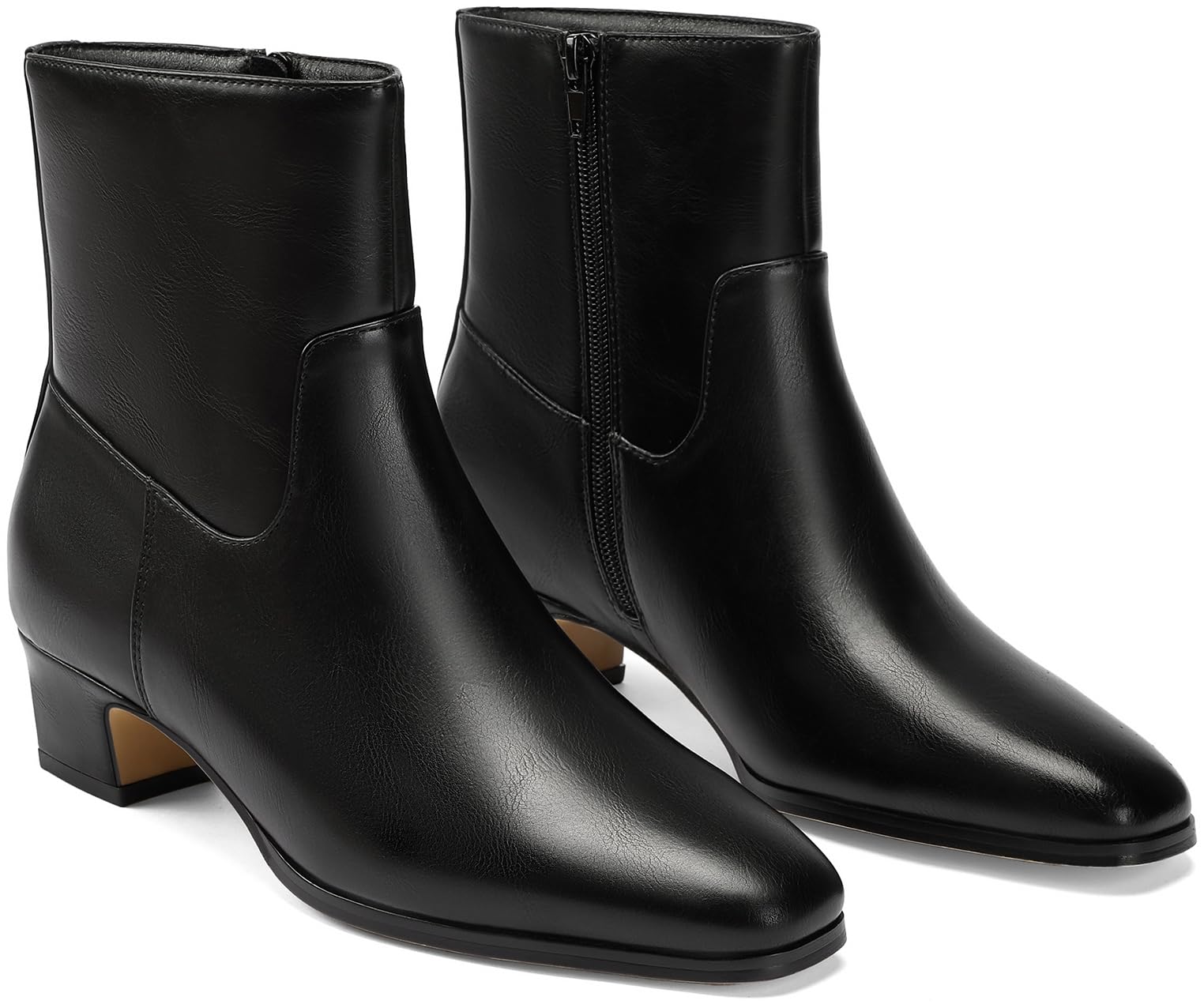
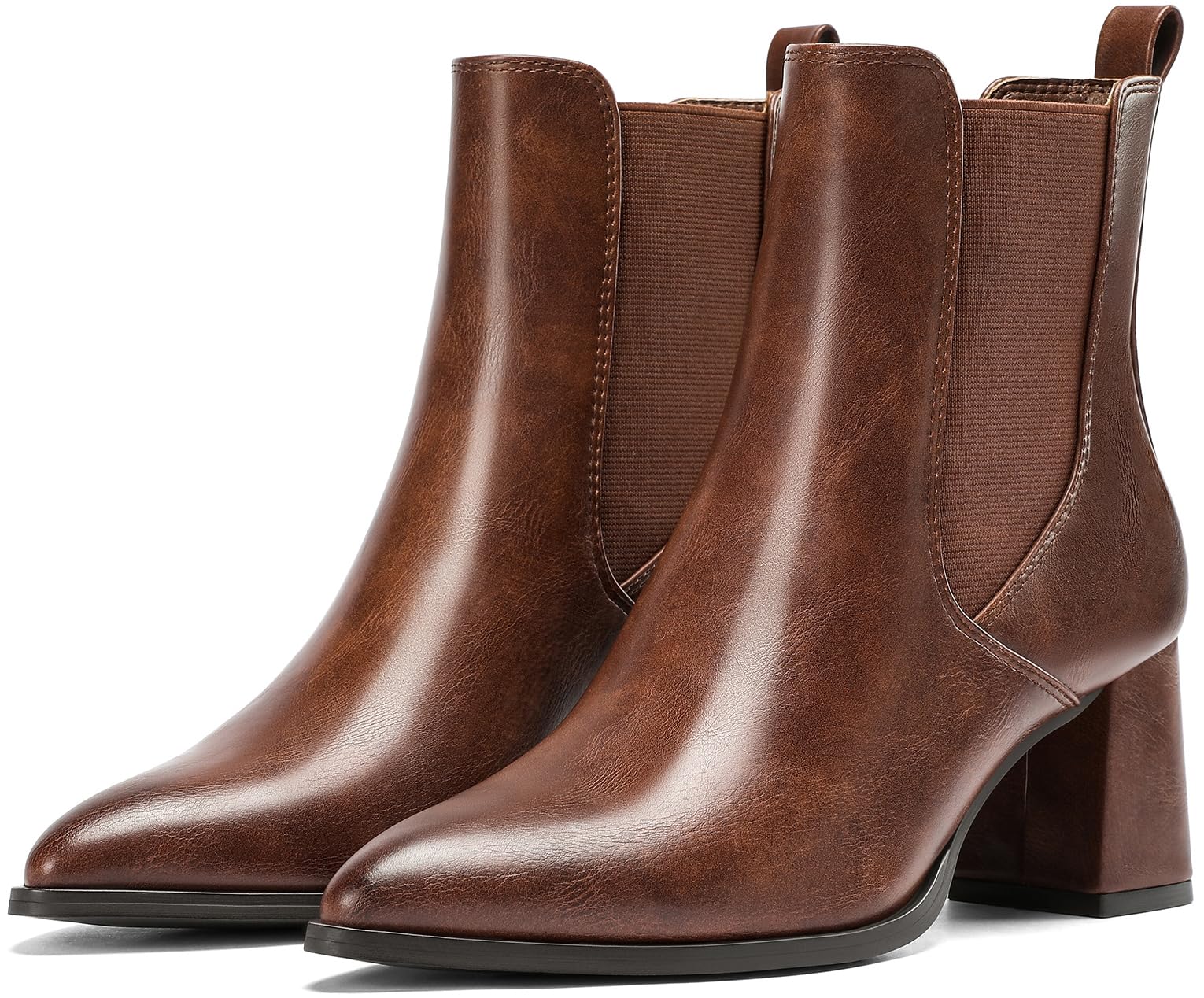
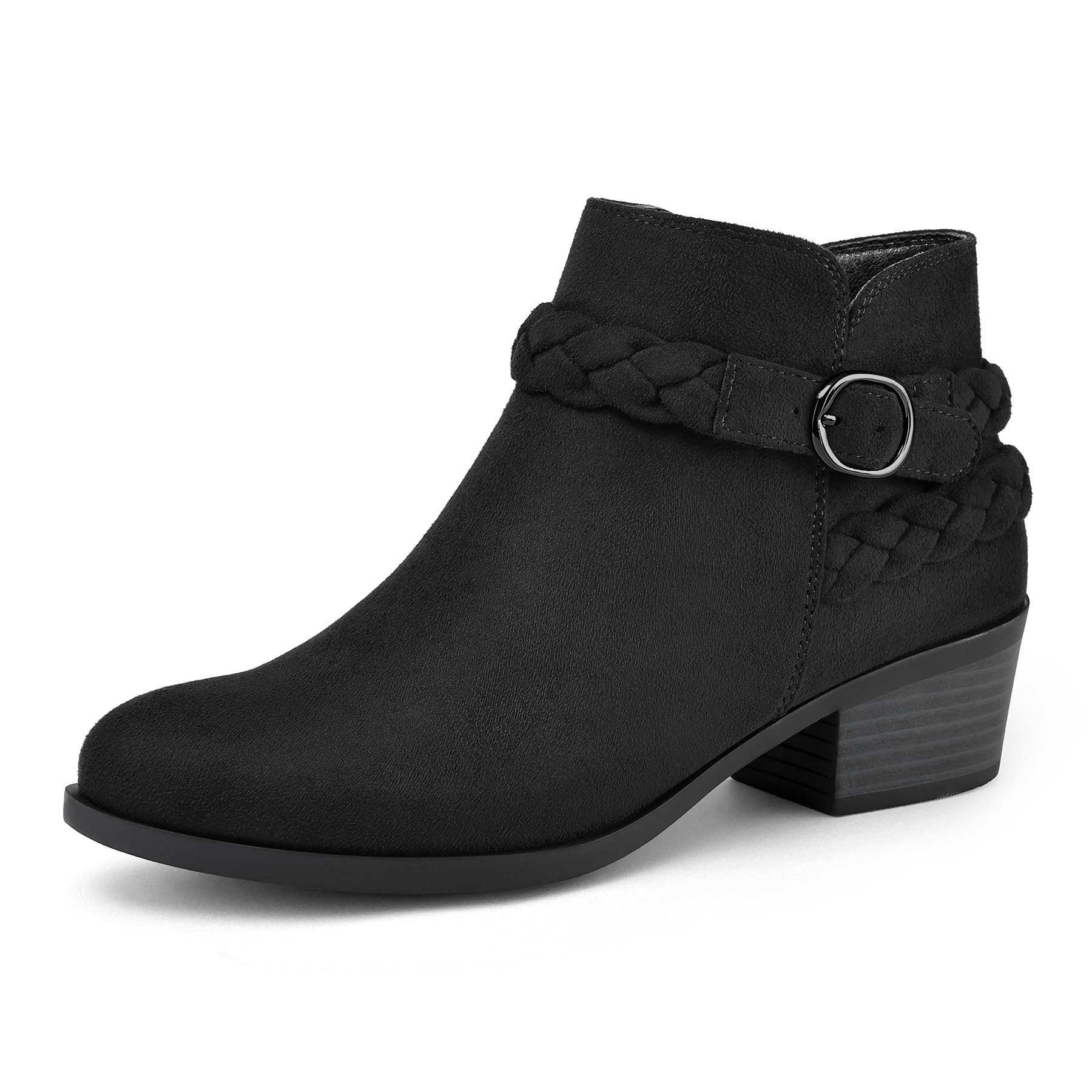
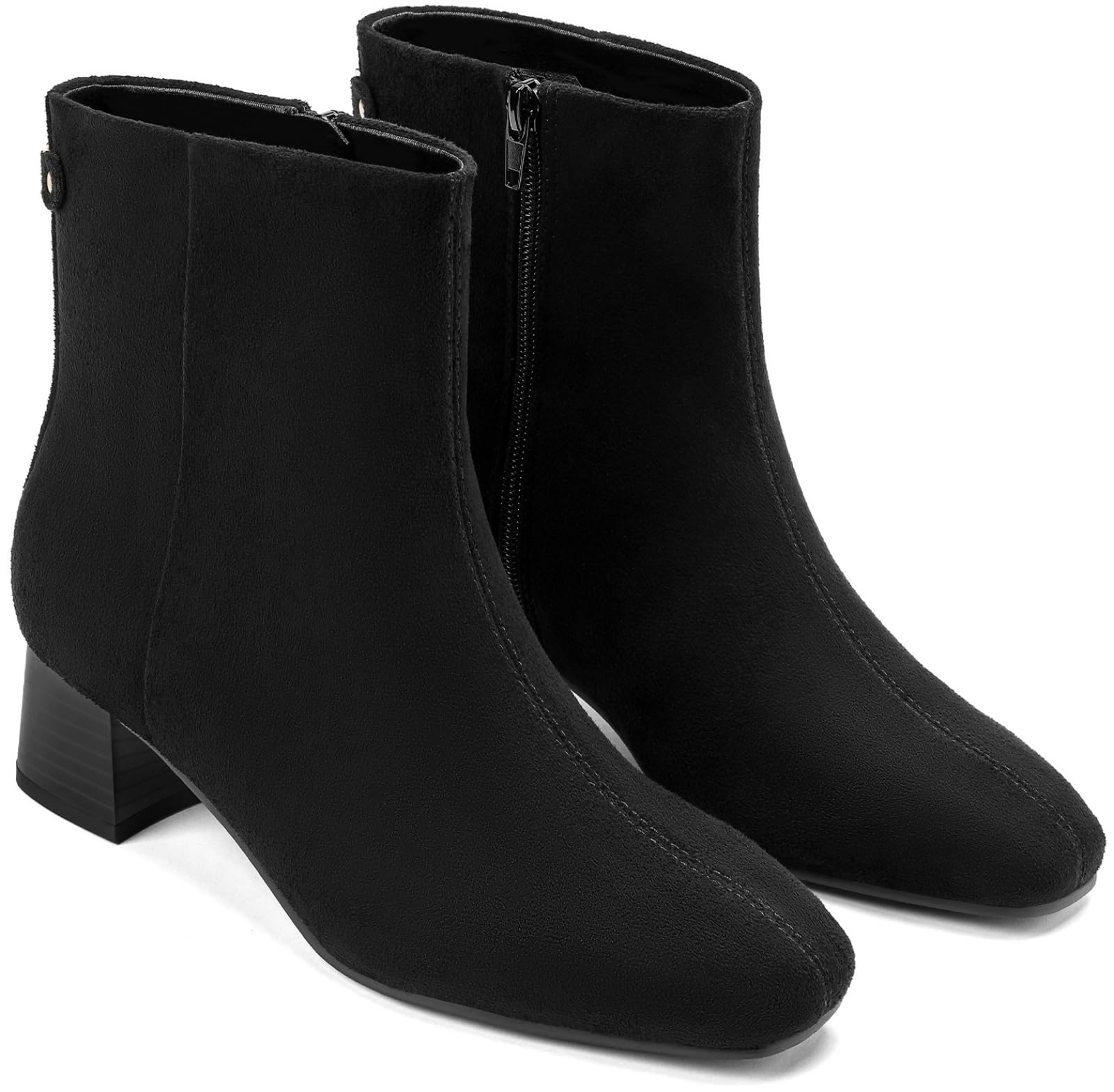

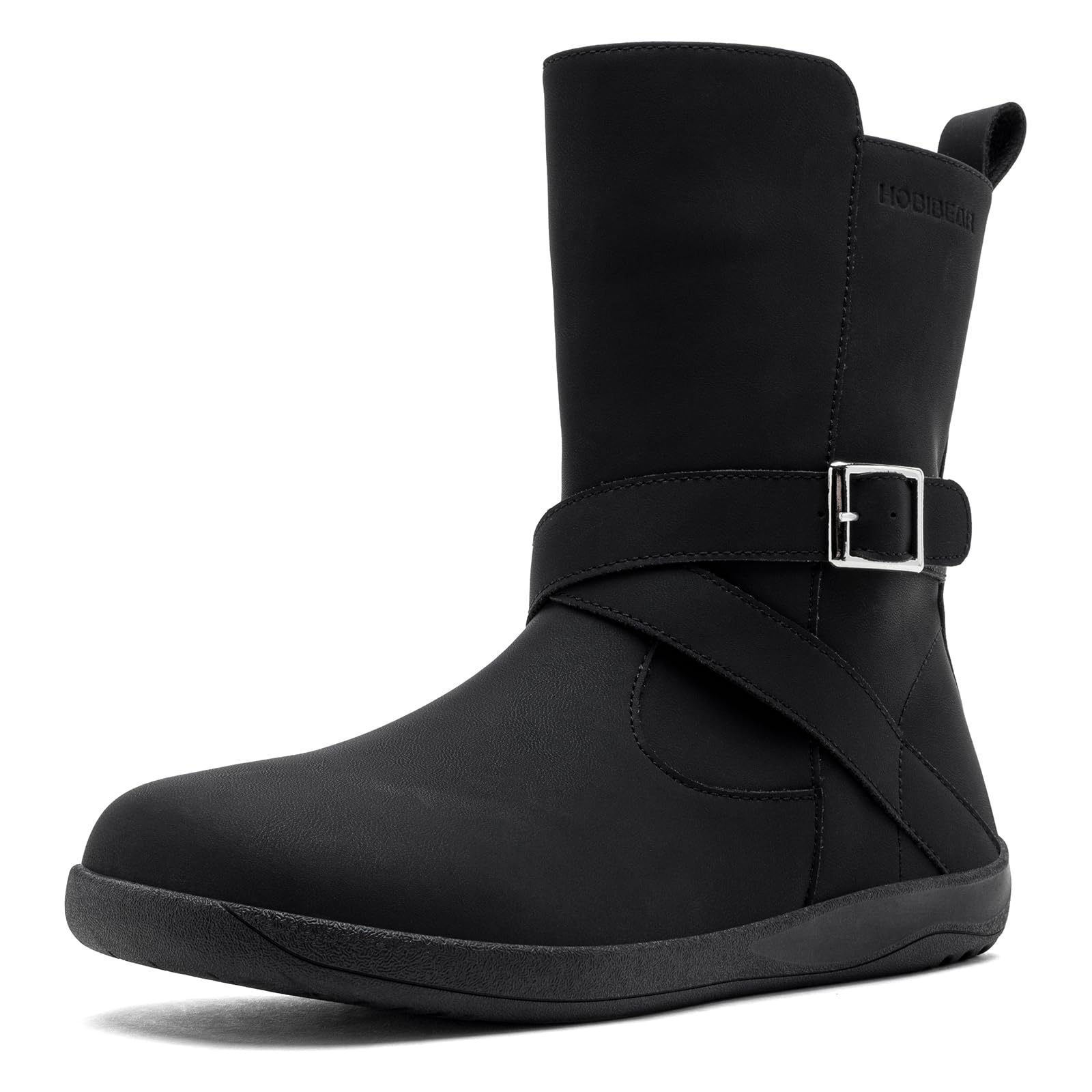
Who Should Buy Which Ankle Boots for Bunions?
For All Day Standing and Walking at Work
If you stand on hard floors all day, comfort late in the shift matters most. Choose a wide toe box, firm cushioning that does not flatten by midday and a low, stable heel. A removable insole helps because you can swap in the insert your feet already know. Avoid shafts that push your foot forward, since forward slide drives the bunion into the side of the boot.
For Wet Weather Commuting and Errands
Rain adds two problems: a soaked upper can stiffen as it dries, and a smooth outsole can slip on wet pavement. Look for a waterproof membrane such as Gore Tex or treated leather, sealed seams and a lugged rubber outsole. Waterproof ankle boots for bunions still need a soft panel over the joint, because a stiff layer that creases across the bunion presses on it with every step.
For Dress and Office Wear With a Bunion
A smarter boot can work if the shape is right. Pointed toes and high heels are the usual cause of pain, so pick a rounded or almond toe, a heel around 1 to 2 inches or lower and a forefoot with some give. A wide fitting dress style is safer still, and our guide to the best dress boots for bunions covers that choice in detail.
For Light Trails and Weekend Walks
Weekend walkers need grip and ankle hold more than polish. A slightly higher shaft, padded collar and firmer midsole help on uneven ground, while the toe box still needs width and height so toes can spread on descents. Heavy backpacking boots are usually too stiff in the forefoot for a tender joint.
Key Features to Compare
Fit, Sizing, and Toe Box Shape
The toe box decides most of your comfort. You want width across the forefoot, enough height so the top of the boot does not press down on the joint and a shape that follows your foot rather than tapering to a point. Measure both feet late in the day, when swelling is at its worst, and size to the larger foot. Stand while you measure, wear your usual socks and leave about a thumb width of space before your longest toe.
Features That Matter Most for Bunions
A bunion needs pressure removed, not just extra length. Look for a soft or stretch panel, padded lining or smooth leather directly over the joint, with no seam, buckle or stitch line crossing that spot. A wide or extra wide fitting changes the whole forefoot volume, which helps more than going a size longer. That combination is what separates the best ankle boots for bunions from a standard boot bought one size up.
Cushioning and Support That Ease Forefoot Pressure
Cushioning softens impact, but support decides where your weight travels. A footbed with gentle arch support can reduce roll toward the inside of the foot, which often eases strain at the big toe joint. Flat feet usually need firmer support, while high arches often need more padding under the heel and forefoot. A modest heel to toe drop of about 5 to 10 mm suits most walkers, since steep drops push weight forward onto the bunion.
Weight and Flexibility of the Boot
A lighter boot tires your legs less on long days, but the forefoot still needs to bend where your toes bend. Check that the flex point sits at the ball of the foot, not mid arch and not right across the bunion. Boots that bend too easily offer little stability on rough ground, while rigid soles can force the big toe joint to do work it cannot do comfortably.
First Week Comfort on Bunion Prone Feet
Soft leather and fabric uppers usually feel kind within a few short wears, while thick full grain leather can take one to two weeks of gradual use. Wear new boots at home for an hour at a time, then on short trips, and stop if the joint turns red or sore, since pain during break in often means the shape is wrong. A boot that needs inserts should feel right with them in place at the first try on.
How to Measure and Check the Fit of Ankle Boots for Bunions
Trace each foot on paper while standing, measure the widest part across the forefoot including the bunion, and compare that width with the size chart for the style you want. Charts vary by brand, so your numbers matter more. A general guide to the best ankle boots can help you compare lengths across styles.
Once the boots arrive, run three checks indoors. Press the upper over the bunion and confirm there is soft give with no hard seam. Walk on a hard floor and watch for heel lift, since a loose heel lets the foot slide forward. Then rise onto the ball of the foot and check that the joint bends without a sharp pinch. Keep the packaging until you have worn the boots on two separate days.
Fit advice has limits, and bunions are a medical condition as well as a shoe problem. See a doctor or podiatrist promptly if you notice rapid swelling, redness with warmth, broken skin over the joint, numbness, pain that stops you walking normally or a toe crossing over its neighbour. Boots can reduce pressure, but they cannot correct the joint, so talk with your clinician about your personal needs.
Common Mistakes to Avoid When Buying Ankle Boots
- Buying a longer size instead of a wider fitting, so your heel slips and your forefoot still feels squeezed.
- Choosing a pointed toe or high heel for long days, which pushes weight forward onto the bunion.
- Trying boots on in the morning with thin socks, then finding them painfully tight by evening.
- Ignoring a seam, strap or stiff panel over the joint, because that detail becomes the main source of rubbing.
- Keeping boots that hurt during break in, since lasting pain usually signals the wrong shape.
- Shopping only on price and skipping the return terms, so a poor fit becomes money wasted.
Care and Maintenance Tips for Ankle Boots for Bunions
Loosen the laces fully when you take boots off, so the forefoot keeps its shape. Air dry wet boots at room temperature away from direct heat, with a boot tree inside. Brush dirt from seams often, because grit worked into a soft stretch panel makes it stiffer and rougher against the joint.
Condition leather as the maker directs, and reproof waterproof styles when water stops beading on the surface. Rotate two pairs if you wear boots daily, since a rest day lets cushioning recover. Our guide to the best boots for bunions covers taller shafts, while the guide to the best women's ankle boots helps you compare shaft heights and heel shapes.
Frequently Asked Questions
What features matter most in ankle boots for bunions?
Width at the forefoot, a soft panel over the joint and a low stable heel matter most. One check many buyers miss is inside the boot: run your fingers along the lining where the bunion will sit. A raised seam you can feel with a fingertip will feel far stronger against a tender joint after thousands of steps.
How often should you replace ankle boots worn with bunions?
Replace ankle boots when the fit changes, not on a fixed calendar. Signs include an upper that has stretched unevenly and now folds across the joint, and a midsole that feels flat on one side. Uneven outsole wear that changes how your foot rolls is another cue.
Can you wear ankle boots for bunions all day?
Yes, you can wear ankle boots for bunions all day if the fit is right and you build up wear time gradually. Judge the pair by the last hour of the day: if the joint aches only at the end, a cushioned insert or a planned sitting break may solve it.
How should ankle boots fit when you have a bunion?
Ankle boots should hold the heel and midfoot snugly while the forefoot stays free enough for toes to lie flat. Lacing can fine tune that balance: skip the eyelet nearest the tender spot or lace that section more loosely, then tighten above the ankle for hold. Try this change before you exchange a pair that feels close but not quite right.
How long is the break in period for ankle boots for bunions?
The break in period for ankle boots for bunions is usually a few days for soft uppers and up to two weeks for firm leather. Track progress by location, not by time. Softening around the ankle collar is normal, while pressure that stays fixed on the joint is not. A thin bunion pad can protect skin during home wears.
Do you need waterproof ankle boots for bunions?
You need waterproof ankle boots for bunions only if you regularly walk in rain, slush or wet grass. Waterproof membranes add warmth, so a lined pair can feel too hot in heated shops or offices. If wet weather is rare for you, water resistant treated leather sheds light showers and usually stays softer over the joint.
The Bottom Line
Match the boot to your day first, then judge it by room and softness over the joint, steady support under the arch and a low heel that keeps weight off the forefoot. Measure late in the day and be honest about any pinch. When those checks line up, the best ankle boots for bunions feel quietly comfortable from morning to evening. Compare your shortlist again in the product table before you order.


