
Best Animation Tablets For Beginners 2026
Disclosure: We may earn a commission when you buy through links on this page, at no extra cost to you. As an Amazon Associate I earn from qualifying purchases. Learn more
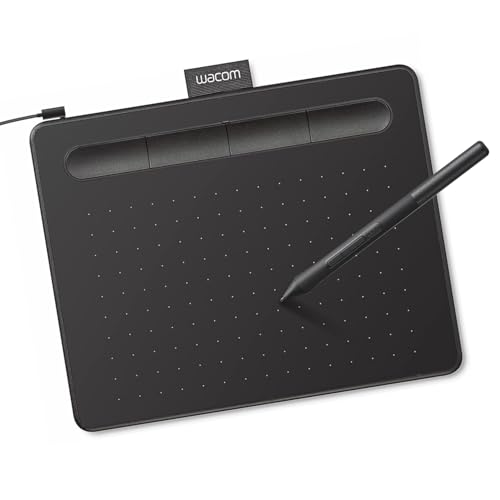
How to choose an animation tablet for beginners: pen accuracy and lag, screen or screenless choice, software compatibility, and budget tips.
Choosing the best animation tablets for beginners means finding a tablet that makes drawing feel natural, because a pen that lags, jitters, or misses light strokes will frustrate a new animator far more than a missing feature. Start with pen feel and software compatibility, then check screen size and budget.
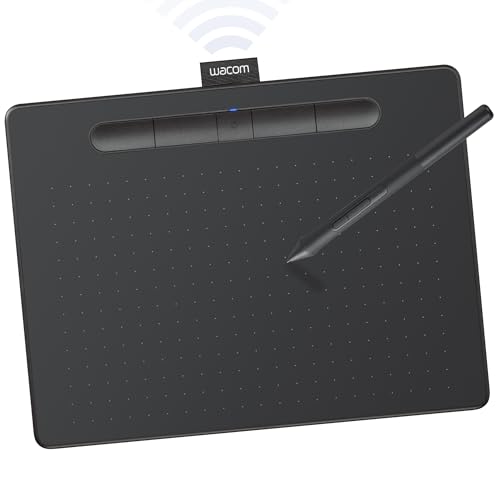
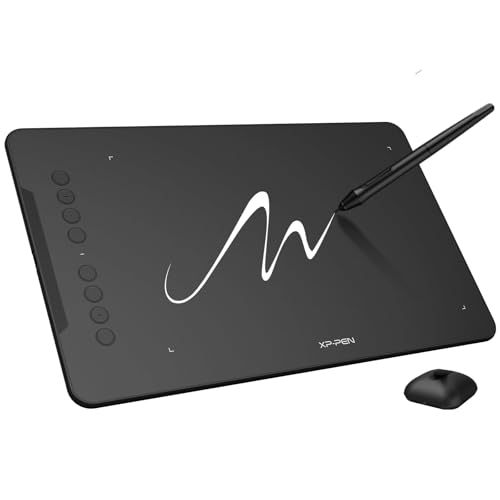
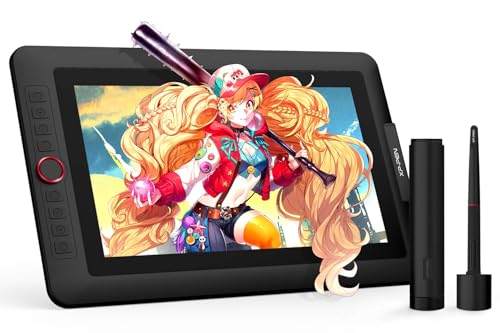
The comparison table below shows how screenless, small screen, and large screen tablets differ in price, drawing feel, and desk space. Use it to pick a style, then work through the checks in this guide.



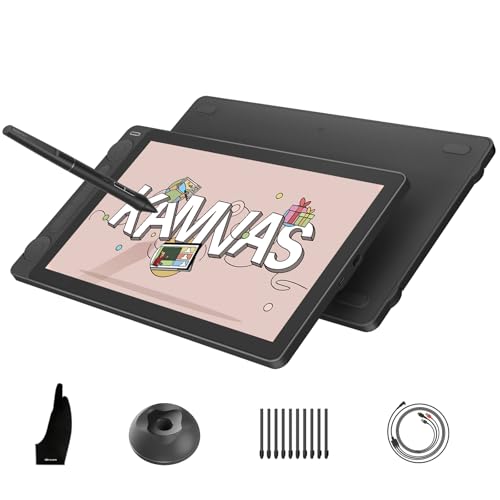

Who Should Buy an Animation Tablet
An animation tablet suits beginners learning 2D animation, storyboarding, and character drawing, who want a pen that feels like drawing on paper. It also suits hobbyists moving from mouse drawing to a more natural tool.
It is a weaker choice if you only need occasional sketching on a phone or a general tablet. In that case a general tablet with a stylus may cover your needs for less money.
Pen Feel in the Best Animation Tablets for Beginners
Pen feel decides whether drawing feels natural. Pressure sensitivity lets you vary line weight with touch, while tilt support helps shading, and low lag keeps lines following your hand without delay.
Accuracy at the edges matters too. A pen that drifts near screen corners makes precise work harder, so test edge accuracy if you draw detailed frames.
Screen or Screenless
Screenless tablets cost less and last longer, but you draw on the pad while looking at your monitor, which takes practice. Screen tablets let you draw directly on your art, which feels more natural for most beginners.
Screen size affects comfort and desk space. A medium screen suits most beginners, while a very large screen needs a big desk and a strong arm for long sessions.
Software Compatibility
Check that the tablet works with the animation software you plan to learn, including 2D animation, storyboarding, and video tools. Most tablets support major software, but driver quality varies by maker.
Also check driver updates for your operating system. A tablet with neglected drivers can develop lag or compatibility problems after a system update.
Size, Ergonomics, and Desk Setup
Active area should suit your drawing style. Broad arm movements suit a larger area, while wrist based drawing suits a smaller area that fits your desk and posture.
Ergonomics matter for long practice sessions. A comfortable pen grip, a tablet angle that suits your wrist, and regular breaks protect you from strain as you learn.
Budget and Learning Path
Beginners do not need the most expensive tablet. A mid range tablet with good pen feel and reliable drivers teaches the same skills as a premium one, and leaves budget for courses, books, and software.
Plan for growth. A tablet with replaceable nibs, spare pens, and good driver support stays useful as your skills grow, while a very cheap tablet may frustrate you into quitting early.
Common Beginner Mistakes
A common mistake is buying the largest tablet first. A large tablet can tire your arm and overwhelm a small desk, while a medium tablet feels more manageable for daily practice.
Another mistake is ignoring software and drivers. The best hardware with poor drivers still lags, so read driver reviews and update history before you buy.
Related Guides Worth Reading Next
To compare nearby choices, read our guides to best pc tablets, best tablets for animation and best tablets for beginners.
Building a Practice Habit
A tablet only helps if you practise regularly, so choose one that feels inviting rather than intimidating. Short daily sessions beat rare long sessions, especially while you learn pen control and timing.
Set small goals, such as a short walk cycle or a simple character turn, and review your work weekly. Visible progress keeps motivation high far better than aiming for perfection immediately.
A Final Check Before You Order
Before you order, confirm software compatibility, driver support, pen nib availability, and desk space for the active area. Also check return terms so you can test pen feel with your own software.
Budget for spare nibs and a protective sleeve. Nibs wear with use, and a sleeve protects the tablet between sessions, which matters if you carry it to classes.
Living With Your Choice
Keep drivers updated, but read update notes first and back up settings before major updates. A driver update that breaks pen behaviour mid project is frustrating, so update between projects when possible.
Take breaks, keep your wrist neutral, and stop if you feel pain. Ask your doctor if pain persists, since early care prevents longer problems and keeps practice enjoyable.
Learning From Other Animators
Study work by animators you admire frame by frame, and try to recreate simple movements yourself. Copying for learning, not for publishing, teaches timing, spacing, and appeal faster than any tutorial alone.
Share early work with a friendly community or class for feedback, and accept critique as part of learning. Specific feedback on timing and posing improves your next piece far more than general praise.
Choosing Your First Project
Choose a first project that is short and finishable, such as a bouncing ball or a simple character walk, rather than an ambitious short film. Finishing small projects builds skill and confidence, while an unfinished epic teaches only frustration. Small wins compound quickly.
Frequently Asked Questions
Do I need a screen tablet to learn animation?
No, many animators learn well on a screenless tablet, which costs less and builds hand eye coordination, though it takes practice to draw while looking at a monitor. A screen tablet feels more natural for most beginners. Choose based on budget and how quickly you want a natural drawing feel.
How important is pressure sensitivity?
Pressure sensitivity matters a lot for line weight and shading, since it lets you vary strokes naturally with touch, which is central to expressive animation drawing. Most modern tablets offer enough levels for beginners. Pen accuracy and low lag matter just as much as the headline pressure number.
What software works with animation tablets?
Most animation tablets work with major 2D animation, storyboarding, and drawing software, but driver quality varies, so check compatibility with the exact software you plan to learn. Test the tablet with a trial version during the return window. Good drivers prevent lag and compatibility problems.
What size tablet should a beginner choose?
A medium tablet suits most beginners, since it fits a normal desk, suits wrist and arm movement, and costs less than a large model. A very large tablet can tire your arm and overwhelm a small workspace. Start medium and upgrade later if your style demands more space.
How do I avoid wrist strain while practising?
Use a comfortable pen grip, keep your wrist neutral, take short breaks often, and set the tablet at a comfortable angle and height. Stop if you feel pain, and ask your doctor if pain persists, since early care prevents longer problems. Short regular practice beats long strained sessions.
Final Thoughts
The best animation tablets for beginners start with pen feel and software compatibility, then a screen style and size that fit your desk and drawing habits.
The product table above makes the styles easy to compare, so pick the tablet you will enjoy practising on every day.


