Best Android Tablets for Students 2026
Disclosure: We may earn a commission when you buy through links on this page, at no extra cost to you. As an Amazon Associate I earn from qualifying purchases. Learn more
Choose the best android tablets for students by battery life, durability, note taking, school app support and budget.
A student tablet has to handle notes, reading, video lessons and research all day, then survive a backpack. The best android tablets for students combine long battery life, a sturdy build, a comfortable screen and room for a full term of work. The product table lines up current options, and this guide explains what to check for a school year of use.
Start with battery life and durability, then check the apps your school uses and the accessories that fit the subjects.
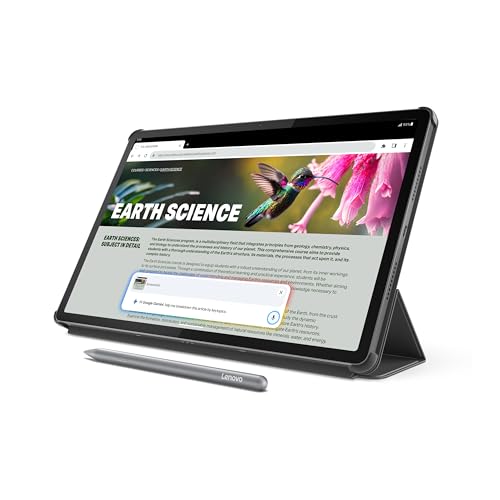
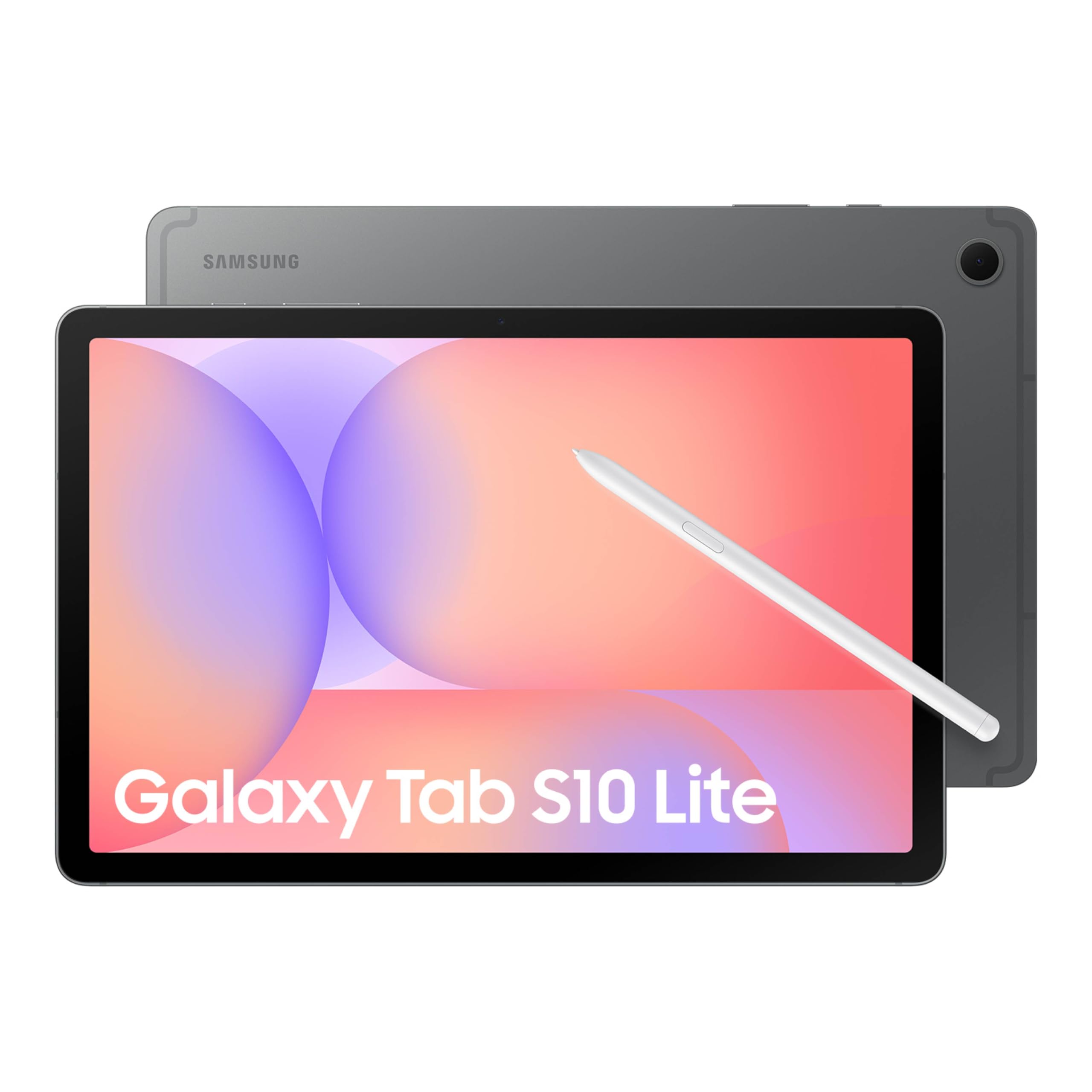


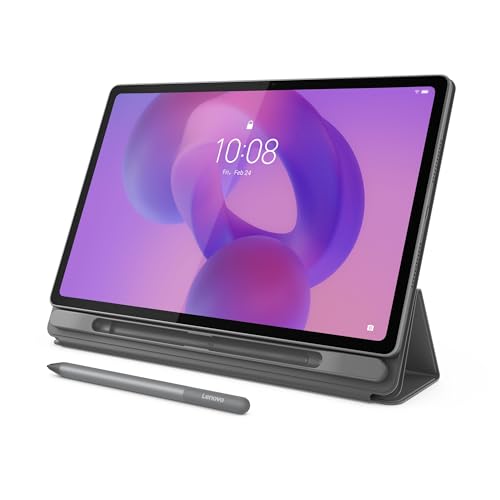

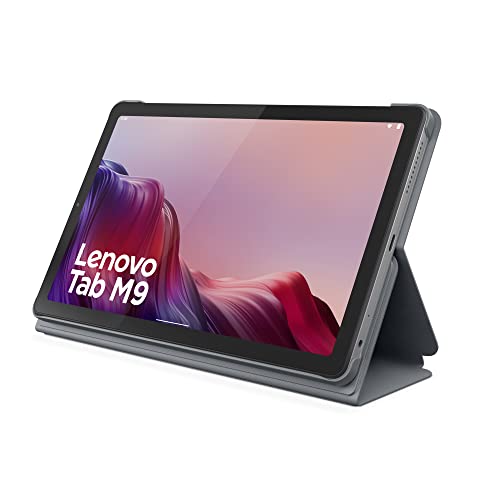
Who Should Buy the Best Android Tablets for Students
A tablet suits school and college learners who need a light device for notes, reading and video lessons, plus a larger screen than a phone for research and writing. It also suits families who want one shared learning device at home.
It is a weaker choice as a sole computer for heavy coding, video editing or specialist software that needs a full desktop system. In that case a laptop remains the main machine, with the tablet as a companion.
Battery Life for a School Day
Battery life should cover a full school day plus homework, including video lessons and calls, which drain batteries faster than reading. Aim for a tablet that lasts your longest day with charge to spare.
Charging speed matters too. A tablet that charges quickly during lunch or between classes is more useful than one with a slightly larger battery but very slow charging.
Durability and Bag Survival
Student tablets travel in bags with books, bottles and sports kit, so a sturdy build and a good case matter more than a slim premium finish. Look for a case that covers the edges and corners and add a screen protector from day one.
Water resistance helps with spills, but no tablet is fully spill proof. Teach care habits such as keeping drinks in a separate pocket and never stacking heavy books on the screen.
Note Taking and Reading
Note taking works best with a responsive screen, a comfortable stylus if you handwrite and an app that syncs notes across devices. Check the pen feel and palm rejection if notes are a main use.
Reading comfort depends on screen quality and weight. A tablet that is too heavy tires arms during long sessions, while a dim screen strains eyes in bright classrooms.
Apps, School Systems and Controls
Check that the tablet runs your school's learning system, video call app and document tools smoothly. Ask the school for a recommended app list and install the key apps before the term starts.
Parental and school controls help younger students stay focused. Set screen time limits, approve app installs and review usage together regularly, so the controls support learning rather than feeling like punishment.
Accessories: Keyboards, Stylus and Storage
A keyboard turns a tablet into a writing machine for essays and reports, while a stylus suits maths, diagrams and handwritten notes. Check that accessories fit the exact model and the case you use.
Storage needs grow with downloaded lessons, books and projects. A memory card slot helps, but not all apps can move to a card, so choose internal storage with room for a full term of work.
Matching the Tablet to Subjects
Maths and science benefit from a stylus for working and diagrams, essays benefit from a keyboard, and art benefits from a larger, color accurate screen. List the subjects and tasks the student does most, then check accessories and apps for those tasks. A tablet chosen for real schoolwork beats one chosen for general appeal.
Budget and Long Term Value
Mid range tablets often offer the best student value, with longer update support and better durability than the cheapest models. A very cheap tablet that slows down in a year costs more in frustration and replacement than a slightly better one.
For nearby options, see our guides to the best android tablets, the best tablets for students and the best pc tablets.
Common Mistakes to Avoid
- Buying the cheapest tablet without checking update support and memory.
- Skipping a case and screen protector, since a broken screen during term time disrupts learning far more than the cost of protection.
- Forgetting that the school's required apps must run on Android.
- Leaving notes unbacked up, so a lost tablet means lost coursework.
Exam Season and Organized Notes
During revision, a tablet earns its keep with flashcards, past papers and timed practice. Download materials in advance so revision does not depend on unreliable Wi-Fi, and use focus tools to silence non study notifications.
Organize digital notes by subject and date from the start, using folders or tags that match the timetable. Ten minutes of filing each week saves frantic searching before exams. Back up notes and coursework regularly to a cloud service or a computer.
Choosing Between Tablet Sizes for School
Screen size changes how the tablet fits into a school day. An 8 to 9 inch model slips into a small bag and suits reading, flashcards and quick notes, but it is cramped for split screen work. A 10 to 11 inch tablet is the most flexible size for textbooks, video lessons and handwriting, and a 12 inch model gives room for a document beside a video, at the cost of weight in a backpack.
Younger students usually do best with a tougher mid sized model and a rubber case, while older students who write essays often prefer a larger screen with a detachable keyboard. If the tablet will also be used for video calls with teachers, check that the front camera is placed along the landscape edge.
Frequently Asked Questions
Can a tablet replace a laptop for students?
For notes, reading, research and video lessons, yes. For heavy coding, video editing or specialized desktop software, a laptop remains better. Many students use a tablet as a daily companion and a laptop for heavier work, so check your course software needs first.
How much battery life does a student need?
Aim for a full school day plus homework, including video lessons and calls. A tablet that lasts your longest day with charge to spare avoids mid lesson shutdowns, and fast charging helps during breaks.
Should students use a stylus?
A stylus helps for handwritten notes, maths working and diagrams, especially if the screen supports palm rejection and pressure sensitivity. For typed essays, a keyboard matters more. Choose accessories that match the subjects.
How do I protect a tablet in a school bag?
Use a sturdy case with covered corners, add a screen protector, keep drinks in a separate pocket and carry the tablet in a padded sleeve. These habits prevent most common damage.
What parental controls should I set?
Set screen time limits, approve app installs, filter content by age and use a separate profile for the student. Review usage together and talk about safe online habits, since controls work best alongside conversation.
Final Thoughts
Start with battery life and durability, then check school apps and accessories. Use the product table to compare finalists, and the best android tablets for students for your family will survive the school year and still run school apps smoothly next year.