
Best Android Phones Today: A Quick Buying Checklist for 2026
Disclosure: We may earn a commission when you buy through links on this page, at no extra cost to you. As an Amazon Associate I earn from qualifying purchases. Learn more

A quick checklist for the best android phones today: pick a budget tier, match your main use, and verify updates, storage, and carrier bands.
If you need a new phone this week, you do not need a month of research, just a clear order of checks. The best android phones today share a handful of traits: a bright screen, a main camera you trust, a battery that lasts a day, and software support that runs for years. This guide puts those checks in a sensible order so you can decide quickly without regret.
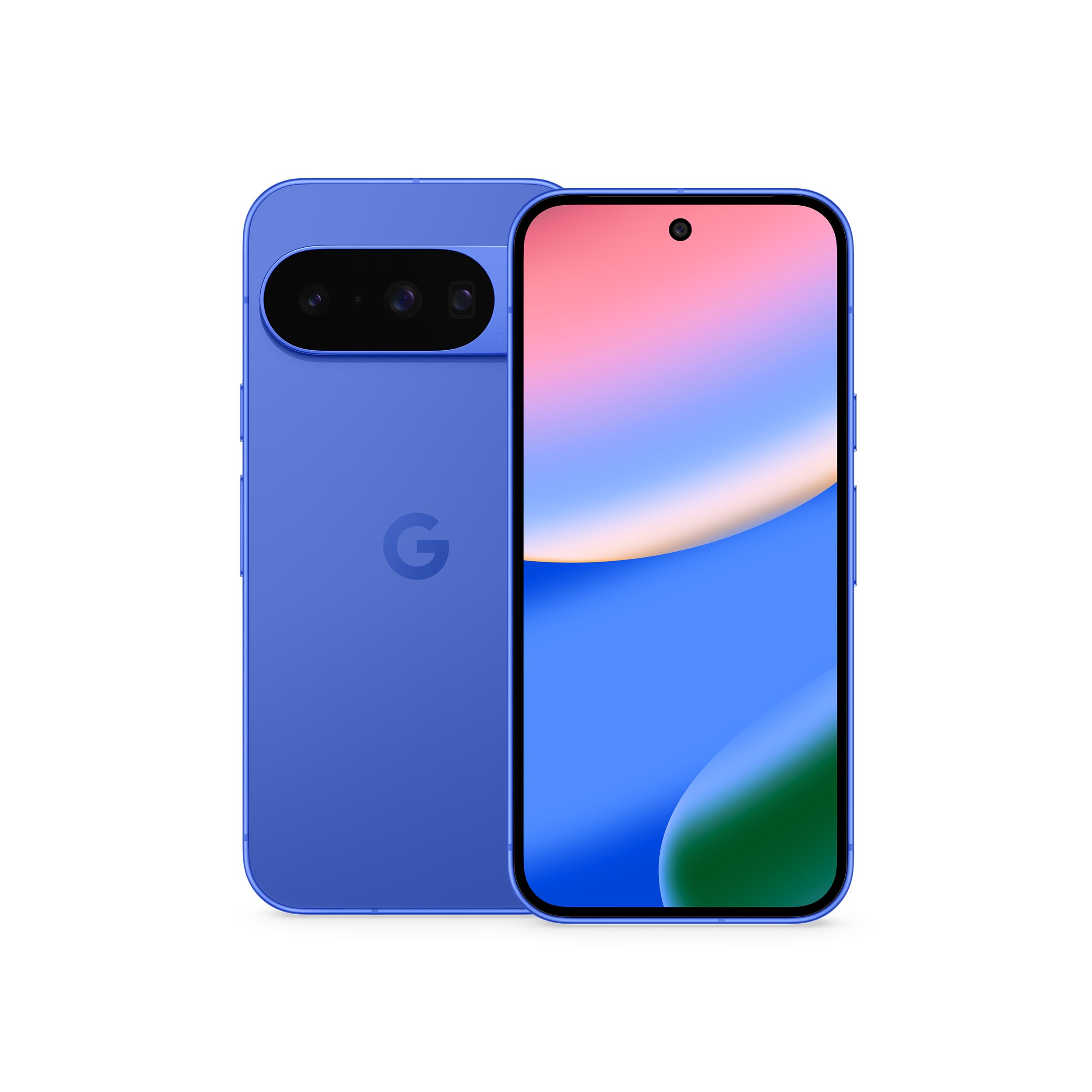
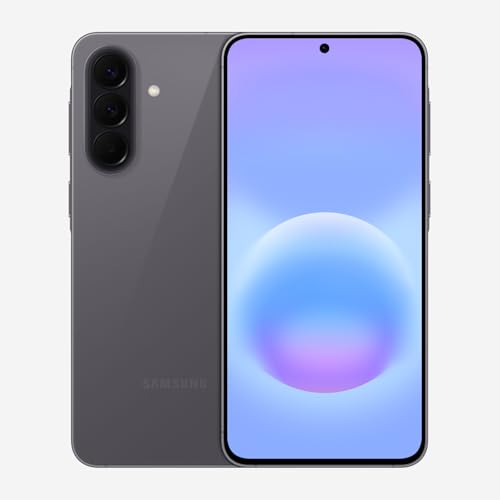
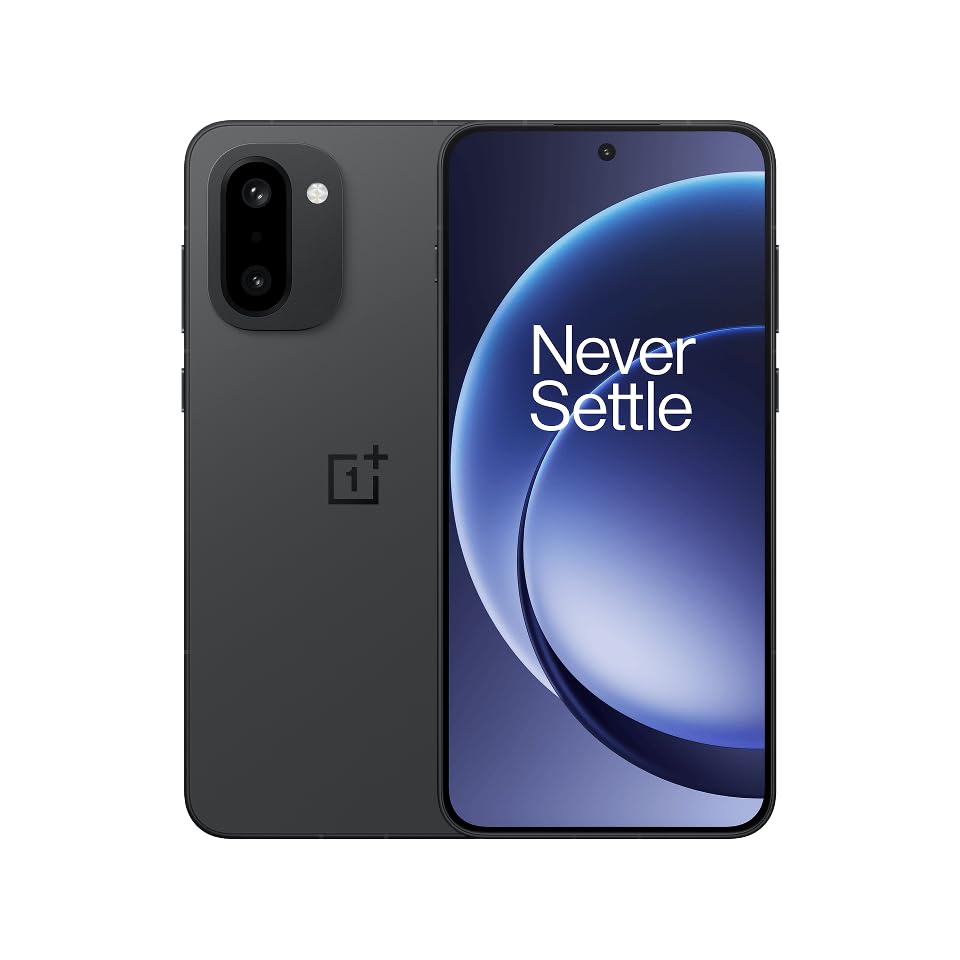
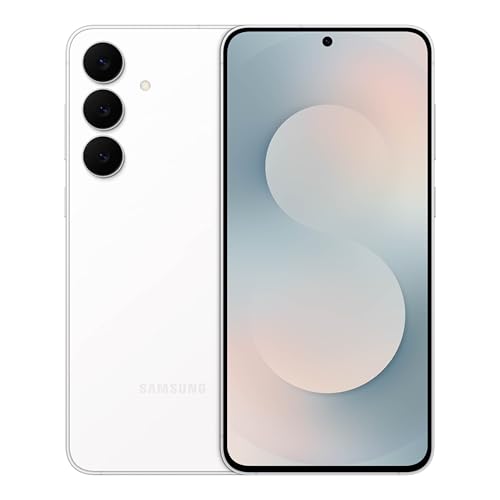
The product table lists current phones across several price levels. Pick your budget first, shortlist two or three from the table, and then compare them on the points below.




Pick Your Budget Tier First
Price decides which compromises you accept, so settle it before you compare anything else. Include a case and screen protector in the total, since those usually add $25 to $50.
- Under about $300: solid for calls, maps, streaming, and daylight photos. Expect a plainer screen and a shorter update promise.
- About $300 to $600: the sweet spot for most people, with OLED screens, stabilized cameras, and faster charging.
- About $600 and above: the best cameras, the longest support, and the brightest displays, worth it if you shoot a lot or keep phones for five years.
Match the Best Android Phones Today to Your Main Use
If Photos Matter Most
Look at the main camera and night mode before anything else. Optical stabilization keeps evening shots sharp, and an ultrawide lens helps with groups and rooms. Extra lenses on a budget phone often add little, so one good main camera beats four weak ones.
If Battery Life Matters Most
Aim for a battery near 5,000 mAh and a screen that is not larger than you need. Charging speed matters too, because a quick top up during a break can replace a long overnight charge. Midrange phones with efficient chips often outlast flagships in a full day of use.
If You Play Games
Prioritize the chip, at least 8 GB of memory, and a 120 Hz screen. Check that the phone stays cool under load, because heat slows performance. Budget phones run casual games well, but demanding titles need the midrange tier or above.
If You Want Something Simple
A clean interface, a clear screen, and a long update promise matter more than specs. Choose a mid priced phone from a maker with a good support record, and skip features you will never open. Simple phones are often the longest lasting buys.
The Checks That Prevent Regret
Update Promise
Software support decides how long a phone stays safe for banking and mail. Look for a written promise of at least four years of security patches, and note that the clock starts at the model's launch. A cheap phone with short support can cost more over time than a slightly pricier one.
Storage
Choose 128 GB as the minimum for most people. Pick 256 GB if you record video, travel with downloaded media, or keep large games installed. Most phones lack a card slot, so you cannot add space later.
Carrier Bands and Unlocked Status
An unlocked phone lets you change carriers, but only if it supports your network's bands. Compare the band list with your carrier, and prefer the US version of a model. This one check prevents the most frustrating returns.
Screen and Size
OLED panels offer deeper contrast and better outdoor readability than most LCDs. A 90 or 120 Hz refresh rate makes scrolling feel smoother. Screens around 6.1 to 6.4 inches are easiest in one hand, while 6.7 inches suits video fans.
A Simple Way to Compare Two or Three Finalists
Put your finalists side by side in a short list with five rows: price including a case, update end date, battery size, storage, and camera strength for your main use. Mark the row where each phone is weakest. The phone whose weakest row bothers you least is usually the right buy.
Do not let a single standout feature decide the matter. A phone with a brilliant screen but two years of updates may cost more over its life than a plainer phone with five. Total cost over the years you plan to keep it is the fairest measure.
Features You Can Safely Skip
Several features sound impressive but change little in daily use. Wireless charging is convenient on a desk yet slower than a cable. A fourth rear lens, usually a low resolution macro or depth sensor, rarely produces photos worth keeping.
Very high refresh rates beyond 120 Hz and extreme charging claims also add little for most people. Spend that money on storage, a better main camera, or a longer update promise. Those choices improve every day you own the phone.
Common Mistakes When You Buy Fast
- Buying only because of a discount, without checking the update end date.
- Choosing a storage size you will outgrow in a year.
- Judging cameras by megapixels instead of real photos.
- Forgetting the return window, then living with a phone that does not fit.
- Skipping a case, so one drop becomes an expensive repair.
After You Order
When the phone arrives, update it right away and transfer your data with the maker's tool. Confirm that calls, mobile data, and the camera work well where you live, and back up photos to the cloud. Keep the packaging until the return window closes, in case something feels wrong.
If you want to compare speed or price in more depth, our guides to the best performing android phones and the best inexpensive android phones cover each in detail.
Frequently Asked Questions
Can I really choose a good phone in one sitting?
Yes, if you know your budget and your top two priorities before you start. The product table and the checks above cover the decisions that matter most. Shortlisting two or three phones keeps the choice calm.
Should I buy the newest model?
Not necessarily. A model from the previous season often has the same camera and chip for less money. Compare the remaining update years and choose the better value.
What if my first choice is out of stock?
Choose the closest alternative with the same priorities rather than waiting indefinitely. Compare camera, battery, and update support, and check the return policy. A good phone that is available now usually beats a perfect one with an uncertain wait.
How do I avoid paying for features I will not use?
Write down your top two priorities and ignore everything else. If a feature will not change your daily routine, it should not decide the purchase. Spend the savings on a case, a charger, or more storage.
What should I check in the first week?
Check battery life across a normal workday, low light photos, call quality, and your most used apps. Note any lag or overheating early. Doing this while the return window is open protects you if the phone does not suit you.
Final Thoughts
A good same day choice comes from knowing your budget, matching the phone to your main use, and verifying support and bands. Use the product table above to compare current options, then trust the checklist. Done that way, the best android phones today are easy to spot, and the one you pick will still feel right months from now.


