
Best Android Phones to Get in 2026: Which Type Is Right for You?
Disclosure: We may earn a commission when you buy through links on this page, at no extra cost to you. As an Amazon Associate I earn from qualifying purchases. Learn more

Compare the best android phones to get by type, screen size, update window and storage, with typical prices for flagship, mid range, budget and compact phones.
Choosing a new phone gets confusing fast, because the shelf holds flagships, mid range models, budget models and compact models that all promise the same things. The best android phones to get are not one single style at all. They are the type that matches how you actually use a phone every day, and this guide compares each type side by side so the differences are easy to see.
You will find what each type does well, where it cuts corners, and who it suits best. The comparison table below lines the four types up by price and purpose, and the sections after it explain the screen, update and storage choices that matter most once you have picked a type.

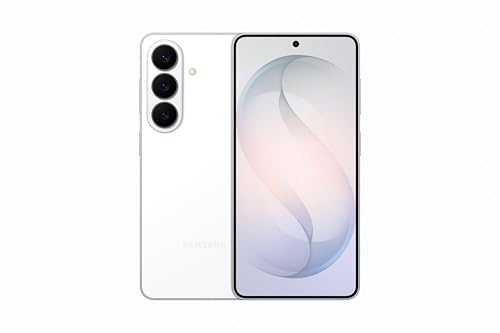

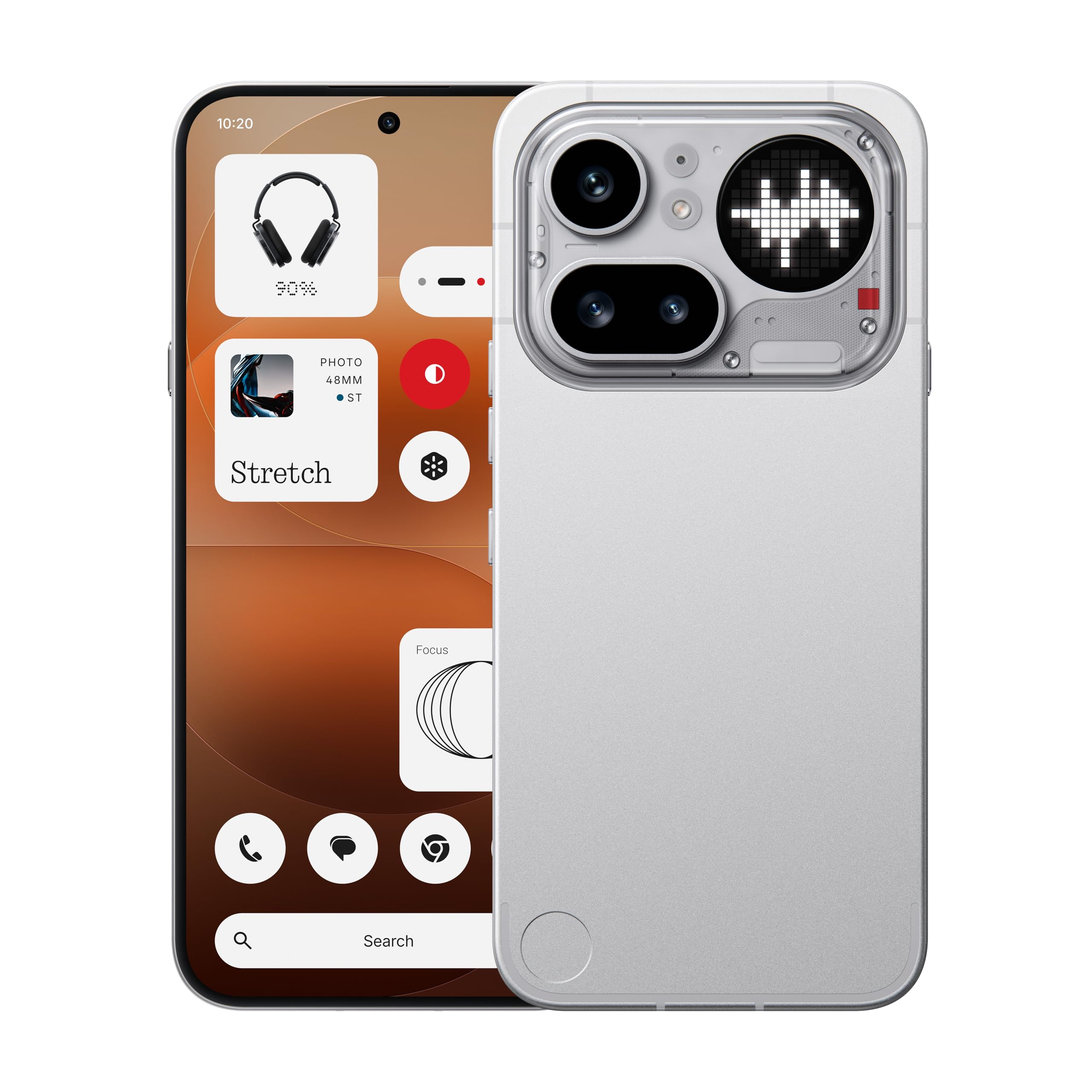
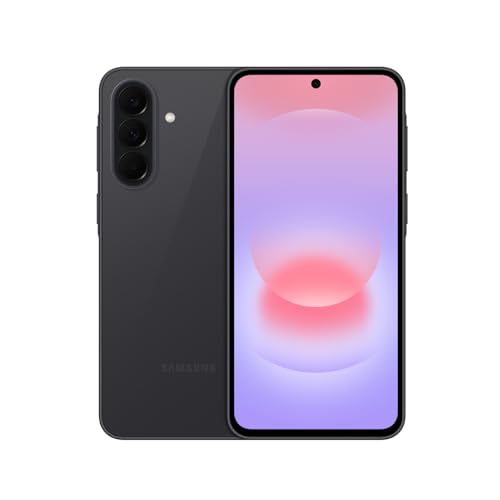


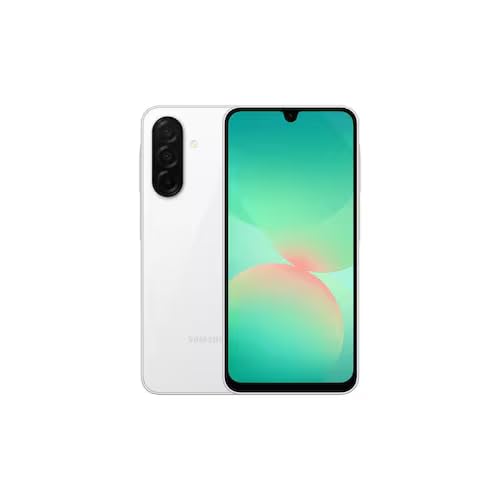

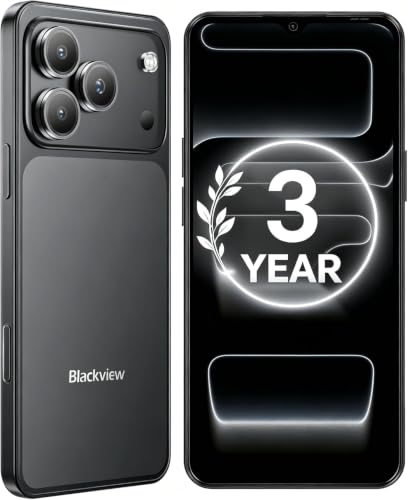
Types of Android Phones Compared
Every Android phone falls into one of four broad types, and the type decides most of your daily experience before any single spec does. Start here, then narrow down within the type that fits your routine.
| Type | Best For | Pros | Cons | Typical Price |
|---|---|---|---|---|
| Flagship | Power users and keen photographers | Fastest chips, best cameras, longest update support | Highest prices, glass builds need care | about $800 to $1,200 |
| Mid Range | Most everyday users | Strong screens and cameras for the money | Shorter update windows, slower charging on some | about $350 to $600 |
| Budget | Light use and second phones | Very low prices, big batteries | Dimmer screens, basic cameras, fewer updates | about $150 to $300 |
| Compact | One hand use and small pockets | Easy grip, light weight, flagship grade parts on some | Smaller batteries, fewer choices | about $600 to $900 |
Flagship Phones
Flagships use the fastest processors, the brightest screens and the most complete camera systems, with several lenses and strong night mode results. They also carry water resistance ratings such as IP68 and the longest software support. If you keep a phone for four or five years and want the strongest performance throughout, our guide to the best performing android phones shows what this top tier delivers. The trade off is price, plus glass backs that really need a case.
Budget Phones
Budget phones focus on the basics done well: a large screen, a big battery and enough speed for calls, messages, maps and social apps. Cameras take decent daylight photos but struggle at night, and screens are usually less bright outdoors. For a first phone, a spare phone or a gift for a light user, our guide to the best inexpensive android phones covers what this tier does best. Expect fewer years of updates than the tiers above, so check the support window before buying.
Mid Range Phones
Mid range phones borrow the features people notice most from flagships, such as OLED screens with a 120Hz refresh rate and capable main cameras, while skipping costly extras like wireless charging or the very fastest chip. The result is the balance most buyers end up happiest with, because everyday tasks feel quick and photos look good. This is the type to start with if you are unsure, then move up or down only when a specific need, like gaming or a tiny budget, pushes you there.
Compact Phones
Compact phones keep the screen around 6.1 inches or smaller, so the phone fits one hand and a front pocket without a fight. The smaller body leaves less room for battery, so compact models often need a top up sooner than their larger siblings. Camera hardware can still be flagship grade, which makes this type ideal if you value comfort over screen size. Choices are limited, though, and some compact models drop the headphone jack or card slot to save space.
Flagship Phones vs Budget Phones: Which Should You Choose?
The gap between the top and bottom tiers shows up in five places. Speed is the first: a flagship opens games and edits video without pauses, while a budget phone is fine for messaging but slows down under heavy apps. Cameras are the second, with flagships far ahead at night and when zooming. Screens are the third, since flagships are brighter and smoother.
Support is the fourth, because flagships receive updates for many more years. Battery is the surprise fifth point, where budget phones often win, because their simpler screens and chips sip power.
Choose a flagship if you keep phones a long time, play demanding games or take lots of photos. Choose a budget phone if your use is light, the phone is a spare, or you would rather replace it sooner for less money. The product table above shows how the two tiers compare on price.
How to Choose the Right Android Phone
Once the type is set, three decisions shape how the phone feels every day: the screen, the update window and the storage. Work through them in this order, because the screen is the part you look at for every single task.
Display Size and Quality
The screen governs your whole experience with a phone, because every photo, message and video passes through it. Size is the first call: screens run from about 6.1 inches on compact models to about 6.9 inches on large ones, and bigger screens make reading and video easier while making one hand use harder. Quality matters just as much. An OLED panel gives deeper blacks and better outdoor visibility than a basic LCD, and a 120Hz refresh rate makes scrolling feel smooth, so prioritise brightness if you read outdoors a lot.
Software Updates and Support Window
Read the update promise as a support window, because it decides how long the phone stays safe and current. Better phones now offer around five to seven years of system and security updates, while budget models may stop after two or three. A longer window means new features keep arriving and banking apps keep working, and it also protects resale value. When two phones cost about the same, the one with the longer support window is usually the smarter buy, so check this number before you order.
Storage Options
Treat storage as a photo decision, because photos and video fill phones faster than apps ever will. A 128GB phone suits light shooters who clear out old files, while 256GB gives keen photographers and video fans room to breathe for years. Some mid range and budget models accept a microSD card, which adds cheap space for media, though apps still live on the internal storage. If you shoot lots of 4K video or download films for flights, start at 256GB and skip the stress of deleting files every month.
Camera System
Most phones pair a main camera with an ultrawide, and flagships add a telephoto for zoom. The main camera does nearly all the work, so judge a phone by its main lens and its night mode rather than by the lens count. Video fans should check stabilisation, which keeps clips steady while walking. Megapixel numbers alone tell you little, since processing software shapes the final photo more than raw resolution does.
Android Phones for Specific Needs
Best Android Phones to Get Updates
If a long support life is your top priority, the update focused types are the flagship lines and a few mid range lines with published long term promises. Look for a stated number of years for both system upgrades and security patches, since the two figures can differ. Phones sold unlocked tend to receive updates on the maker schedule rather than a carrier schedule. Pick this type when you plan to keep the phone four years or more.
Tips to Get the Most From Your New Android Phone
A few habits stretch the value of any type. Fit a case and a screen protector on day one, because one cracked screen costs more than both combined. Keep software updated so security patches land on time, and avoid charging in extreme heat, which ages the battery.
Personal touches help too: our guide to the best widgets for android phones shows how to put weather, calendar and music controls on the home screen. For a fresh look, the best wallpapers for android phones and the best backgrounds for android phones roundups gather free options that suit OLED screens.
Android Phones: Questions Answered
How many years of updates should an Android phone get?
Aim for at least four years of security updates, and more if you keep phones a long time. Flagship lines now promise up to about seven years, while many budget models stop at two or three. Security patches matter more than feature upgrades, because they keep banking and payment apps safe. Check the maker promise on the product page before buying, since update windows vary a lot even within one price tier.
Is a mid range Android phone good enough for everyday use?
Yes, a mid range phone covers everyday use comfortably for most people. Calls, messaging, maps, streaming and social apps all run smoothly on current mid range chips, and the cameras handle daylight photos well. You give up the fastest gaming performance, the best zoom lenses and the longest update windows. If none of those gaps affects your routine, the savings versus a flagship are real and the daily experience feels close.
Should I buy an unlocked Android phone?
Buying unlocked gives you freedom to switch carriers and usually means updates arrive on the maker schedule. It also avoids carrier bloatware and long payment contracts tied to one network. The downside is paying the full price at once, though sale prices narrow that gap. Before ordering, confirm the phone supports your carrier bands for 5G, because an unlocked phone that misses a key band will fall back to slower speeds in some areas.
How much storage does an Android phone need?
Most people do well with 128GB, and keen photographers should choose 256GB. Photos and short videos are the main space users, with a busy camera roll growing by tens of gigabytes a year. Cloud backup helps, but it needs a connection when you want old files. If the phone has a microSD slot, media can move to the card, which makes 128GB easier to live with, and games are the other big consumer, with some titles taking 10GB or more each.
Do I need 5G on an Android phone?
Most buyers should choose a 5G phone now, because networks keep shifting capacity toward 5G and coverage is wide in cities and suburbs. Speeds feel similar to good 4G for everyday apps, but 5G holds up better in crowded places like stadiums and stations. If you live in a rural area with no 5G signal, the feature simply waits unused and harms nothing. Nearly every new mid range and flagship model includes it as standard.
Final Thoughts
Start with the type, then judge the screen, the update window and the storage, and the right phone usually picks itself. Light users save real money with budget and mid range types, while photographers and long term keepers get their money back from a flagship. Whichever type you land on, the best android phones to get are the ones whose support window and screen suit your routine. Compare your shortlist against the product table above before you order.


