
Best Android Phones Till Date in 2026: Which Type Is Right for You?
Disclosure: We may earn a commission when you buy through links on this page, at no extra cost to you. As an Amazon Associate I earn from qualifying purchases. Learn more

Compare the best android phones till date by type, battery, display, updates and storage to choose the right fit for your budget and daily use.
Choosing a new Android phone feels confusing because one shelf holds simple budget models, balanced mid range phones and costly flagships that all promise great cameras and long battery life. This guide sorts the best android phones till date by type first, so you can see what each class gives you and what it leaves out.
You will learn how the three types differ and which features matter most for your habits. Start with the type that fits your budget, then use the comparison table below to check details for calls, photos and work.


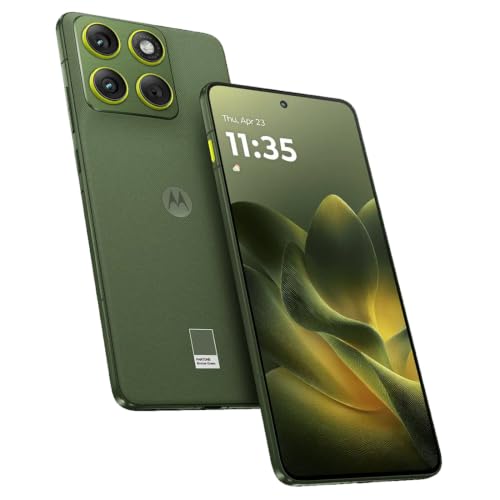


Types of Android Phones Compared
Android phones fall into three broad types, and the gap between them is mostly about speed, camera and screen quality and how long the maker supports the phone. A well chosen mid range phone can feel fast for years, while an older flagship may get no more updates.
Mid Range Phones That Still Hold Up
Mid range phones, usually about $300 to $600, aim for balance. You get a bright OLED screen, a capable main camera, a battery around 4500 to 5000 mAh and enough speed for maps, video, social apps and light games. Most now include 5G, stereo speakers and several years of software updates. You give up the best zoom cameras and the very fastest processors, but this class covers daily needs with the fewest regrets.
Budget Phones Worth Buying Even Now
Budget phones, usually about $150 to $300, cover the basics well: calls, messages, browsing, video and simple photos in good light. Screens are often LCD rather than OLED, processors are slower and cameras struggle at night, but battery life can be excellent because the hardware uses less power. If your budget is tight, see our guide to the best inexpensive android phones to understand what this class offers. Choose this type for a second phone or a first phone for a teen.
Flagship Phones That Set the Standard
Flagship phones, usually about $700 to $1200, bring the best of everything: the fastest processors, the brightest OLED screens, several camera lenses including a zoom, wireless charging and the longest update promises. They suit heavy gamers, keen video shooters and buyers who keep one phone for five years or more. If raw speed is your top priority, see our guide to the best performing android phones for how top tier models differ. The downside is cost, and repairs cost more too.
Mid Range Phones vs Budget Phones: Which Should You Choose?
These two classes sit closest in price, so the choice deserves a direct look. A mid range phone gives you a sharper OLED display, faster charging, a better main camera with useful night mode and a processor that still feels quick after years of app growth. A budget phone wins on price and often on battery endurance, but it may feel slow sooner and usually receives updates for a shorter window.
Choose mid range if you take many photos, play games, use your phone for work or plan to keep it for more than three years. Choose budget if your use is light or the savings matter more than camera quality and speed.
How to Choose the Right Android Phone for Your Needs
Once you have picked a type, compare the best android phones till date in that class on the five factors below, and weigh each one against your own habits.
Battery Life Across Years of Top Models
Battery size is listed in mAh, and most modern Android phones carry about 4000 to 5000 mAh. A larger number helps, but screen size and processor efficiency matter too, so a compact phone can still last a full day. Fast wired charging refills a low battery during a short break, while wireless charging is slower but handy on a desk. If you travel often, favor the larger battery and faster wired charging.
Update Support on Phones Released So Far
Updates bring new features, fix faults and patch security risks, so the support window shapes how long a phone stays safe and useful. Some makers now promise around five to seven years of security updates on flagships, while budget models may get only two or three years. Check the promise for the exact model before you buy, because it varies by brand and by class. If you use banking apps, a longer window is worth paying for.
Screen Quality on the Standout Models So Far
An OLED display gives deep blacks, strong contrast and better outdoor visibility than most LCD panels, and a refresh rate of 90 Hz or 120 Hz makes scrolling and games look smoother than the standard 60 Hz. Screens around 6.1 to 6.5 inches suit one hand use, while larger screens help with video and reading. If you enjoy custom home screens, see our guide to the best widgets for android phones for ideas that suit a bigger display.
Build Quality and Water Resistance That Lasts
Build quality decides how a phone survives drops, rain and daily wear. An IP68 rating means the phone resists dust and can handle immersion in fresh water for a limited time, while lower ratings cover splashes only. Tough cover glass reduces cracked screens, and a metal frame usually feels sturdier than plastic, though plastic is lighter and hides scratches well. If you work outdoors, pay for the stronger build and add a case.
Storage Choices on Phones Worth Keeping
Storage fills faster than most buyers expect because photos, videos, games and offline maps all grow over time. A total of 128 GB suits light users who stream music and keep photos in cloud backup, while 256 GB is safer if you shoot video, store large games or keep files offline for travel. Some models still accept a microSD card for cheap expansion, which is slower than built in storage.
Choosing an Android Phone for Your Situation
Your main use can shift the best choice within a type. A commuter should weigh battery and screen quality first, a parent sharing a phone with kids should weigh durability and price, and a keen photographer should start below.
Best Camera Phones Till Date
The best camera phones till date stand out through three things: a large main sensor that gathers more light, strong night mode processing that keeps evening shots clear without a flash, and a useful second lens such as a zoom or an ultrawide for group photos. Optical image stabilization matters for video and for sharp shots in dim rooms. You do not need a flagship for good daylight family photos, but camera focused flagships earn their price at concerts and evening events.
Common Mistakes to Avoid
- Buying on camera megapixels alone, so you pay for big numbers while photos look worse in low light.
- Choosing the smallest storage size to save money, so the phone fills within a year and forces an early replacement.
- Ignoring the update promise, so a cheap phone stops receiving security patches while you still use it for banking.
- Skipping the water resistance rating, so one heavy rain shower damages a phone you planned to keep for years.
- Paying flagship prices for features you never use, so money that could have bought more storage is wasted.
Care Tips for Keeping a Proven Phone Going
A few simple habits keep any Android phone fast, safe and pleasant to use for its full lifespan, whatever type you chose.
- Use a case and a screen protector, since most costly damage comes from ordinary drops onto hard floors.
- Keep software updated, and restart the phone every week or two to clear small glitches.
- Avoid charging in extreme heat, such as on a sunny car dashboard, because high temperatures age the battery faster.
- Clear out unused apps and old downloads every few months, so storage stays open for photos and updates.
Frequently Asked Questions
How much storage does an Android phone need for photos and apps?
Most Android phone owners do well with 256 GB when they shoot video often. A useful check is to open your current phone settings and double the space you already use, because your library will grow at a similar pace. If you rely on cloud backup over WiFi at home, 128 GB can still work, but confirm the backup completed first.
Is a mid range Android phone good enough for everyday use?
Yes, a mid range Android phone is good enough for everyday use for most people. Calls, maps, streaming, banking and social apps all run smoothly on current mid range hardware. The gaps show in demanding games at top settings, in fast action photos and in zoom quality at concerts or sports events. Resale loss is also smaller, because you paid far less at the start.
How many years of updates should an Android phone get?
An Android phone should get at least four years of security updates to stay safe for its full life. Security patches matter more than new feature releases, because they close holes that harmful apps and links can use. When you compare two similar phones, check the makers stated end date for updates rather than vague launch promises. A phone that loses support early is a poor gift for a relative who keeps devices for years.
Does an Android phone need 5G for everyday use?
No, an Android phone does not need 5G for everyday use, although it helps in crowded places. On 4G, streaming, maps and video calls already work well, and 5G mainly adds speed when many people share the same tower, such as at stadiums and stations. Coverage varies by street, so check your carrier coverage map for home and work before paying extra for a 5G plan.
Should you buy an unlocked Android phone?
Yes, buying an unlocked Android phone is the safer choice for most buyers. An unlocked phone works with any compatible carrier, so you can switch plans, use a local SIM card abroad and sell it more easily later. Carrier models can include extra apps you cannot remove and slower update delivery. Before you buy, confirm it supports your carrier network bands.
Final Thoughts
Start with the type that matches your budget, then judge battery, updates, display, build and storage. Mid range phones suit most buyers, budget phones cover light use well, and flagships reward photographers, gamers and long term keepers. When you compare the best android phones till date with those priorities clear, the right choice becomes much easier. Check the product table above and buy a phone you will still enjoy in three years.


