Best and Most Comfortable Mattresses 2026 Guide to Feel
Disclosure: We may earn a commission when you buy through links on this page, at no extra cost to you. As an Amazon Associate I earn from qualifying purchases. Learn more

Find the most comfortable mattress for your sleep style, comparing foam, latex, and hybrid feels, firmness levels, cooling, and trial periods that protect you.
Comfort is personal, which is why mattress shopping frustrates so many people: the softest mattress in a shop can cause backache at home, and a firm mattress can feel wonderful to one sleeper and punishing to another. The best and most comfortable mattresses for you depend on sleep position, body weight, and temperature, not on a universal softness ranking. The comparison table below shows the types, and this guide explains how to find your feel.
Think of comfort as support plus pressure relief together. A mattress that only feels soft may let hips sink and strain the back, while one that only feels supportive may press painfully on shoulders. The right mattress balances both for your body, and a proper trial period is the only way to confirm it.
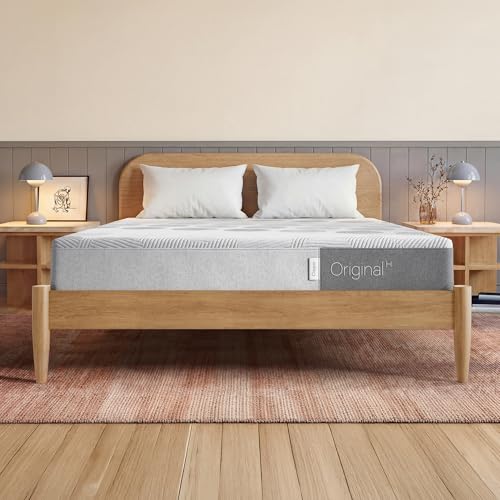


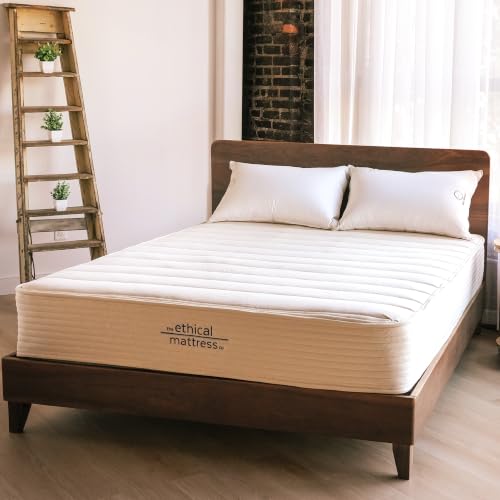


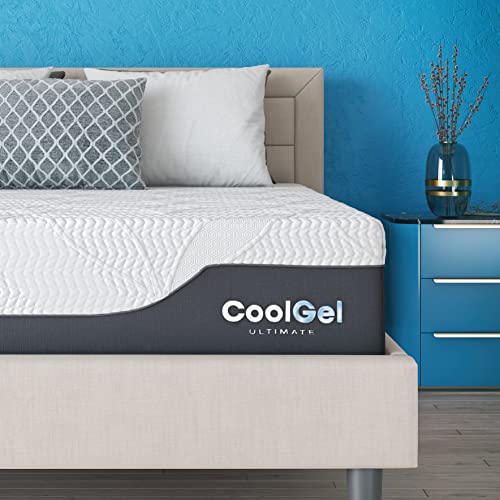
Types of the Best and Most Comfortable Mattresses Compared
Memory Foam
Memory foam contours closely to the body, relieving pressure at shoulders and hips, which suits side sleepers and people with achy joints. It can sleep warm and feel slow to respond when you change position, though newer open cell foams breathe better. If you like sinking in and feeling cradled, memory foam is a strong starting point.
Latex
Latex feels responsive and buoyant, pushing back rather than letting you sink deeply, which suits sleepers who change position often. It sleeps cooler than dense memory foam and holds its shape well over years. If you dislike the stuck feeling of memory foam, latex offers pressure relief with easier movement.
Hybrid and Innerspring
Hybrids combine coils with foam or latex comfort layers, offering bounce, airflow, and a more traditional feel. Innerspring mattresses feel firmer and cooler, with less contouring, which suits back and stomach sleepers and people who prefer sleeping on top of the mattress. Edge support tends to be stronger with coils, which helps if you sit on the bed edge.
How to Choose the Right Comfort
Firmness and Sleep Position
Side sleepers usually need a softer surface for shoulder and hip cushioning, while back sleepers need medium firmness to keep the spine neutral. Stomach sleepers generally need firmer support to prevent the hips sinking and the back arching. Heavier sleepers need firmer mattresses than lighter sleepers in the same position, since more weight compresses comfort layers further.
Pressure Relief Versus Support
Pressure relief cushions bony points, while support keeps the spine aligned across the whole body. Check both by lying in your usual sleep position for at least ten minutes, noticing shoulder, hip, and lower back comfort. A mattress that feels cloudlike for a minute but leaves your back aching after ten minutes fails the support test.
Cooling and Motion Isolation
Hot sleepers should favor breathable covers, latex, coils, and airflow designs over dense foam sealed in heavy covers. Couples benefit from motion isolation, where one partner moving does not disturb the other, though very bouncy mattresses transfer more motion. Balance these qualities against your priorities, since no mattress maximizes both cooling and motion isolation perfectly.
Trial Periods and Returns
A generous trial period matters more than a showroom visit, because comfort reveals itself over weeks of sleep. Check the trial length, any required break in period, return costs, and whether a comfort exchange is offered. Use the trial properly: note morning stiffness, pressure points, and sleep quality across several weeks before deciding.
Mistakes to Avoid
Equating Soft With Comfortable
Softness alone does not guarantee comfort, and very soft mattresses can cause back pain by letting the spine sag. Comfort means the right balance of cushioning and support for your body, which often lands at medium firmness rather than very soft. Judge a mattress by morning comfort after real sleep, not by first impression softness.
Skipping the Base Check
The wrong base undermines even a great mattress, since slat spacing and support affect feel and warranty. Check the maker's base requirements, including maximum slat gaps and whether a box spring or solid platform is recommended. A sagging base makes a new mattress feel old before its time.
A Final Check Before You Order
Sleep on It Properly
Confirm trial terms, base requirements, and delivery and removal options before ordering. Sleep on the mattress for several weeks, rotating or flipping if the design allows, and keep notes on comfort. The product table above helps you compare types, but weeks of real sleep should make the final call.
Making the Most of Your Choice
Pillows and Sleep Setup
A mattress cannot compensate for the wrong pillow, since pillow height affects neck alignment as much as mattress firmness affects the spine. Side sleepers need a loftier pillow than back sleepers, and stomach sleepers need a flatter one. Try the pillow and mattress together, since changing one changes how the other feels.
Room Environment for Better Sleep
A cool, dark, quiet bedroom improves sleep quality regardless of mattress choice. Keep the room ventilated, block light with curtains or an eye mask, and reduce noise where possible. A consistent sleep schedule also matters, since the body adapts to regular patterns and falls asleep more easily.
When to Replace a Mattress
Replace a mattress when sagging exceeds the warranty threshold, when you wake with new aches that ease elsewhere, or when allergies worsen despite clean bedding. Visible lumps, broken coils, and persistent odors also signal retirement. A mattress that no longer supports restful sleep costs more in health than a replacement costs in money.
Before You Buy: A Quick Recap
Shopping for Couples
Couples with different preferences should try mattresses together, lying in usual sleep positions for at least ten minutes each. Notice motion transfer when one partner moves, and discuss temperature preferences honestly, since one partner sleeping hot affects both. A split design or a compromise firmness with a topper for one side often resolves differences better than endless shopping.
Mattress Toppers as a Fix
A topper can soften a slightly firm mattress or add pressure relief without replacing the whole bed, and it costs far less than a new mattress. Toppers cannot fix a sagging or unsupportive mattress, however, since they follow the shape beneath. Use a topper for fine tuning comfort, not for rescuing a mattress that has structurally failed.
For a related option, our guide to best mattresses for back problems looks at how that choice compares for everyday use and value.
You may also find our guide to best memory mattresses helpful, since it covers a closely related option with different strengths.
Frequently Asked Questions
What firmness is most comfortable?
There is no single most comfortable firmness, since sleep position and body weight shift the answer. Side sleepers often prefer softer to medium surfaces, back sleepers medium, and stomach sleepers medium firm to firm. Heavier sleepers usually need firmer options than lighter sleepers. A trial period helps you find your personal firmness better than any chart.
Is memory foam or latex more comfortable?
Memory foam suits sleepers who like deep contouring and pressure relief, especially side sleepers. Latex suits sleepers who prefer responsiveness, easier movement, and cooler sleep. Neither is universally more comfortable: choose memory foam for cradling pressure relief and latex for buoyant support and temperature regulation. A short trial in your own routine usually reveals more than any specification sheet or shop demonstration.
How long should I try a mattress before deciding?
Most experts suggest at least a few weeks, since the body adjusts to a new mattress and initial impressions can mislead. Use the full trial if needed, sleeping in your usual position and noting morning stiffness and pressure points. If discomfort persists after several weeks, consider an exchange rather than hoping it improves indefinitely.
Do I need a new base with a new mattress?
Not always, but check the maker requirements for slat spacing and support, since an unsuitable base affects comfort and warranty. Closely spaced slats or a solid platform suit most foam and hybrid mattresses. A sagging or widely spaced base should be replaced, since it undermines even a high quality new mattress.
What if my partner prefers a different firmness?
Split firmness designs, adjustable layers, and dual comfort mattresses let each partner choose their side. A medium firmness compromise sometimes works, but it can leave both partners mildly dissatisfied. If preferences differ strongly, a split design solves the argument better than endless compromise shopping. If you are torn between options, the one that fits your daily routine best is usually the right long term choice.
Final Thoughts
The best and most comfortable mattresses are the ones that balance pressure relief and support for your body, sleep position, and temperature. Use the product table above to compare foam, latex, and hybrid feels, then use a proper trial to confirm comfort over weeks. A mattress chosen this way pays you back every morning in better sleep.