Best Analog Oven Thermometer (2026): Dial, Range and Placement
Disclosure: We may earn a commission when you buy through links on this page, at no extra cost to you. As an Amazon Associate I earn from qualifying purchases. Learn more

Best Analog Oven Thermometer guide: compare hanging and standing dials by readability, range and fit so your oven runs at the heat you set.
Your oven dial says one temperature, yet your cakes brown too fast on one side and your roast takes far longer than the recipe expects. That gap between the dial setting and the real heat inside the cavity is exactly why the best analog oven thermometer for your kitchen earns a permanent spot on the rack. It needs no batteries, no app, and no pairing, and it tells you the truth in seconds.
This guide helps you choose by kitchen size, cooking routine, and budget rather than by marketing claims. Start with the product table below, then use the sections that follow to match a style to your home.



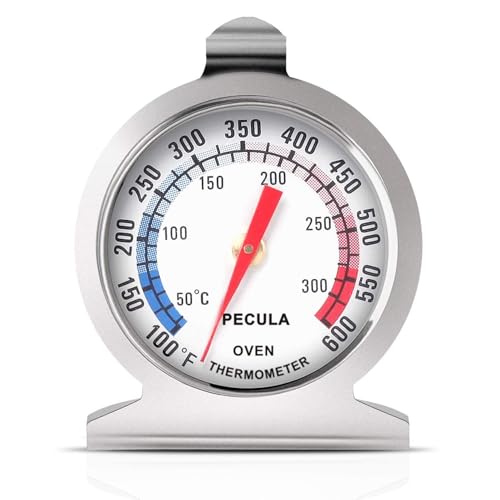


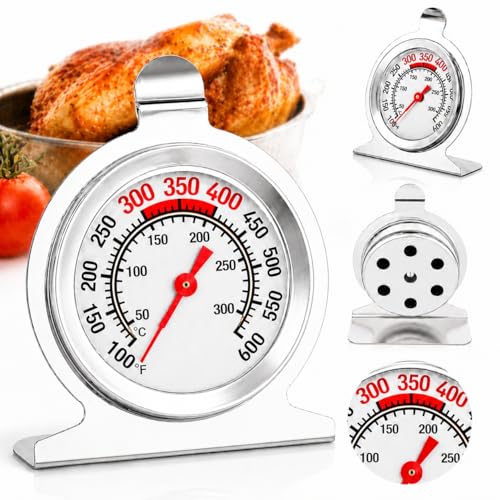
Quick Answer: The Main Styles at a Glance
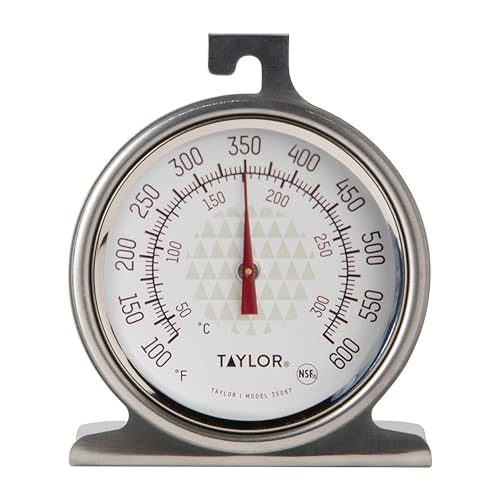
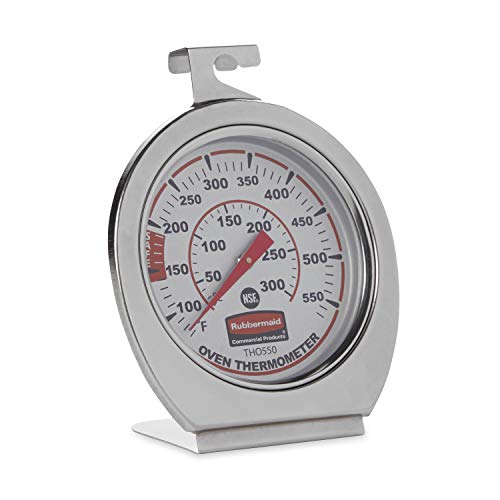
Most analog models fall into three broad styles. Hanging models hook over a rack wire and suit cooks who move the thermometer between shelves often. Standing models rest on a flat base on the rack and stay put better in busy family ovens. Clip style models grip the rack and hold steady near sheet pans when you load and unload food many times in one session.
For most homes, a standing or hanging model with a large dial and a range of about 100 to 600 degrees Fahrenheit handles daily baking and roasting. In a compact apartment oven, favor a slimmer profile that will not crowd pans. If you bake for a crowd, favor the largest dial you can read through the oven window without opening the door.
Who Should Buy an Analog Oven Thermometer
The right analog gauge for your home depends less on price than on how you cook, how old your oven is, and how often you bake. The three groups below cover the most common real home situations.
Home Bakers in Homes With Uneven Heat
If your cookies color unevenly or your sponge cakes dome and crack, your oven likely has hot and cool zones that the built in dial cannot show you. An analog gauge lets you check the heat at the exact shelf where the pan sits, then adjust the setting before the batter goes in. Bakers who want deeper guidance on shelf choice can also read our guide to the best oven thermometer for baking.
Cooks Working With an Older Rental Oven
Rental kitchens and older ranges often drift far from their dial settings, sometimes by 25 degrees or more, and the error can grow as the oven ages. A low cost analog gauge gives you a simple daily check without booking a service visit for every odd result. With no battery and no cord, it moves with you to the next home and works in gas and electric ovens alike.
Busy Households That Want a Backup Check
In a family kitchen where several people cook, a shared analog gauge settles arguments about whether the oven was truly ready before a pizza or a Sunday roast goes in. It also serves as a calm backup when a digital probe battery dies mid cook, since the analog dial keeps working as long as you can see it.
Before You Buy: A Quick Checklist for Choosing an Oven Thermometer
The checklist below covers the factors that separate a gauge you trust for years from one you replace within months.
Which Type Fits Your Routine
Start with how the gauge will sit in your oven. Hanging models swing a little when you slide racks, so they suit light use and frequent repositioning. Standing models with a wide flat base resist tipping when heavy pans move past them. Dial size matters as much as mounting. A face about 2 to 3 inches across reads clearly through most oven windows, while a small face forces you to open the door and lose heat just to check a number.
Dial Layout, Range, and Accuracy Cues
Look for bold numerals, clear marks every 10 or 25 degrees, and a needle that contrasts strongly with the face. A dual scale face that shows Fahrenheit and Celsius helps if your recipes mix US and European sources. The range should cover your cooking, from gentle warming near 100 degrees to pizza work near 600 degrees Fahrenheit. Treat the reading as a guide to your oven behavior and confirm it at two or three settings before you rely on it fully.
Materials and Food Safety
Most housings use stainless steel because it tolerates repeated heat cycles and wipes clean without rust in normal home use. The lens is the weak point to check. Glass handles heat well but can crack if struck by a heavy pan, while heat rated clear material resists impact but can cloud over time. Printed markings should sit protected behind the lens so steam and splatter cannot fade them, and you should keep the lens clean, since burnt residue can hide the needle.
Cleaning Style and Daily Handling
Some models are sold as suitable for the dishwasher, while others call for hand washing only. Steam and detergent inside a dishwasher can work moisture behind a lens, so many cooks simply wipe the cooled gauge with a damp cloth. Think about storage too. A gauge that lives full time on the rack saves handling, while a stored gauge needs a shape that will not roll around in a drawer.
Realistic Budget Ranges
Simple analog gauges sit at the low end of kitchen tool pricing, often under $10 for a basic dial with a standard face. Models about $10 to $30 usually add a larger dial, a sturdier base or hook, and clearer printing that stays legible longer. Paying more within this small range buys readability and build quality rather than extra features, since there are no electronics to upgrade.
Analog Compared With Other Oven Thermometer Types
Analog gauges win on simplicity. There is nothing to charge, no probe wire to route through the door seal, and no display to fail in the heat, because the gauge lives inside the oven and reads the air where your food cooks. The trade off is that you must look through the window to read it, and the needle gives a zone reading rather than a precise digital number.
A best digital oven thermometer suits cooks who want a probe in the food itself and an alarm when a target is reached. A best wireless oven thermometer suits cooks who monitor long roasts from another room. Many households end up owning both styles, using the analog gauge as the always present oven check and the electronic option only for special cooks. Our broader guide to the best oven thermometer explains how the categories divide the work.
How to Place and Read Your Gauge
Placement changes the reading, so give your gauge a consistent home. Put it on the rack you use most, near the center and away from the walls, the element, and the door, since air near those surfaces runs hotter or cooler than the space where food sits. Let the oven preheat fully and give the gauge several minutes to settle, because the metal body needs time to match the air around it.
Read the needle at eye level to avoid an angled view that shifts the apparent number. If you are learning a new oven, note the difference between the dial setting and the gauge at three settings you use often, then write those offsets on a card kept near the stove. Our step by step guide on how to use an oven thermometer walks through that calibration routine in more detail. Once you know your offsets, you can set the dial with confidence for each recipe.
How to Judge Quality Before You Order
Without handling the gauge in person, judge it by the listing and the maker notes. Check that the stated range, dial size, and mounting style match the checklist above, and look for clear photos of the face so you can judge numeral size yourself. Buyer comments help most when they mention legibility through a window and stability on the rack. Treat single reports of a wild reading with care, since placement near an element can explain many odd results.
Common Buying Mistakes to Avoid
- Buying the smallest dial to save money. A tiny face that you cannot read through the window forces door opening and heat loss on every check.
- Ignoring the mounting style. A hanging gauge in an oven where racks slide often can swing and tip, while a wide base model can crowd a small oven.
- Expecting probe style precision. An analog gauge reports oven air heat, not the inside of a roast, so judging it as a meat probe leads to unfair disappointment.
- Placing the gauge beside the element. A reading taken next to a heat source describes that corner, not the cooking zone, and it misleads every later adjustment.
- Skipping the range check. A gauge that tops out below your pizza or broiling temperatures leaves you guessing exactly when heat matters most.
Cost of Ownership and Care
Ownership costs stay close to zero. There are no batteries to replace, no probe cables to wear out, and no subscriptions of any kind. Your only investment is a few minutes of care. Let the gauge cool fully before handling it, then wipe the lens and housing with a soft damp cloth to clear grease film. Avoid soaking the gauge or scrubbing the face with abrasive pads, since water behind the lens and scratches on the printing both shorten its useful life.
Store the gauge on the rack if you use it weekly, or in a dry drawer away from heavy tools that could crack the lens. Recheck its reading a few times a year at a setting you know well from your offset notes. The full routine in our guide on how to clean an oven thermometer covers stain removal and safe drying in more depth.
Your Questions, Answered
Is an oven thermometer worth it for a home cook?
Yes, if your baked goods brown unevenly or your roasts finish well before or after the recipe time. Most home oven dials report an average from a hidden sensor, and that average can sit far from the heat at your rack. A simple analog gauge costs little and turns guesswork about doneness into a quick visual check you can repeat every cook.
How long does an analog oven thermometer last?
A well made gauge can serve for many years because it has no battery, no wire, and no electronics for heat to damage. Its life usually ends when the lens cracks from a knock, the printing fades after long exposure to steam and grease, or the needle sticks after a hard drop. Gentle handling and dry storage stretch that lifespan the most.
Are analog oven thermometers accurate enough for baking?
They are accurate enough for the decisions home baking asks of you, such as learning that your oven runs about 25 degrees hot at a common setting and adjusting the dial to suit. What they do not offer is the fine precision of a digital probe, so delicate sugar work may call for an electronic tool as well. For cakes, breads, casseroles, and roasts, a settled analog reading at the right shelf is dependable guidance.
Can an analog oven thermometer stay in the oven during self cleaning?
No. Self cleaning cycles push oven heat far beyond the rated range of a typical analog gauge, and that extreme heat can warp the housing, damage the lens, and ruin the needle movement. Take the gauge out before you start a self cleaning cycle and let the oven cool fully before you put it back.
What is the best analog oven thermometer style for a small oven?
For a compact oven, a slim hanging style usually fits best, since it uses the rack wire itself for support and leaves the rack surface free for pans. Measure the space between your rack and the element above before you order. A standing model can work too if its base is narrow, but check the fit with your largest baking sheet in place.
Final Thoughts
An analog gauge is one of the smallest purchases that can change how your oven behaves day to day. Match the mounting style to your racks, choose a dial you can read without opening the door, and confirm your oven offsets once. Look back at the product table above to compare styles, and pick the best analog oven thermometer for your space, your household, and your budget.