
Best Amp for Car Speakers: Complete Buying Guide for 2026
Disclosure: We may earn a commission when you buy through links on this page, at no extra cost to you. As an Amazon Associate I earn from qualifying purchases. Learn more

Learn how to choose the best amp for car speakers: channel count, RMS power, impedance, crossovers and wiring for clear sound at any volume.
A factory head unit rarely has enough clean power to make aftermarket speakers sound their best. Music turns harsh as you raise the volume to cover road noise, and bass stays thin. This guide to the best amp for car speakers explains how to match channels, power and impedance to your speakers, and what to check before you install one.
Use the product table to compare amps on channel count, power and size. Then read the checks below so the amp you choose fits your speakers, your electrical system and your mounting space.


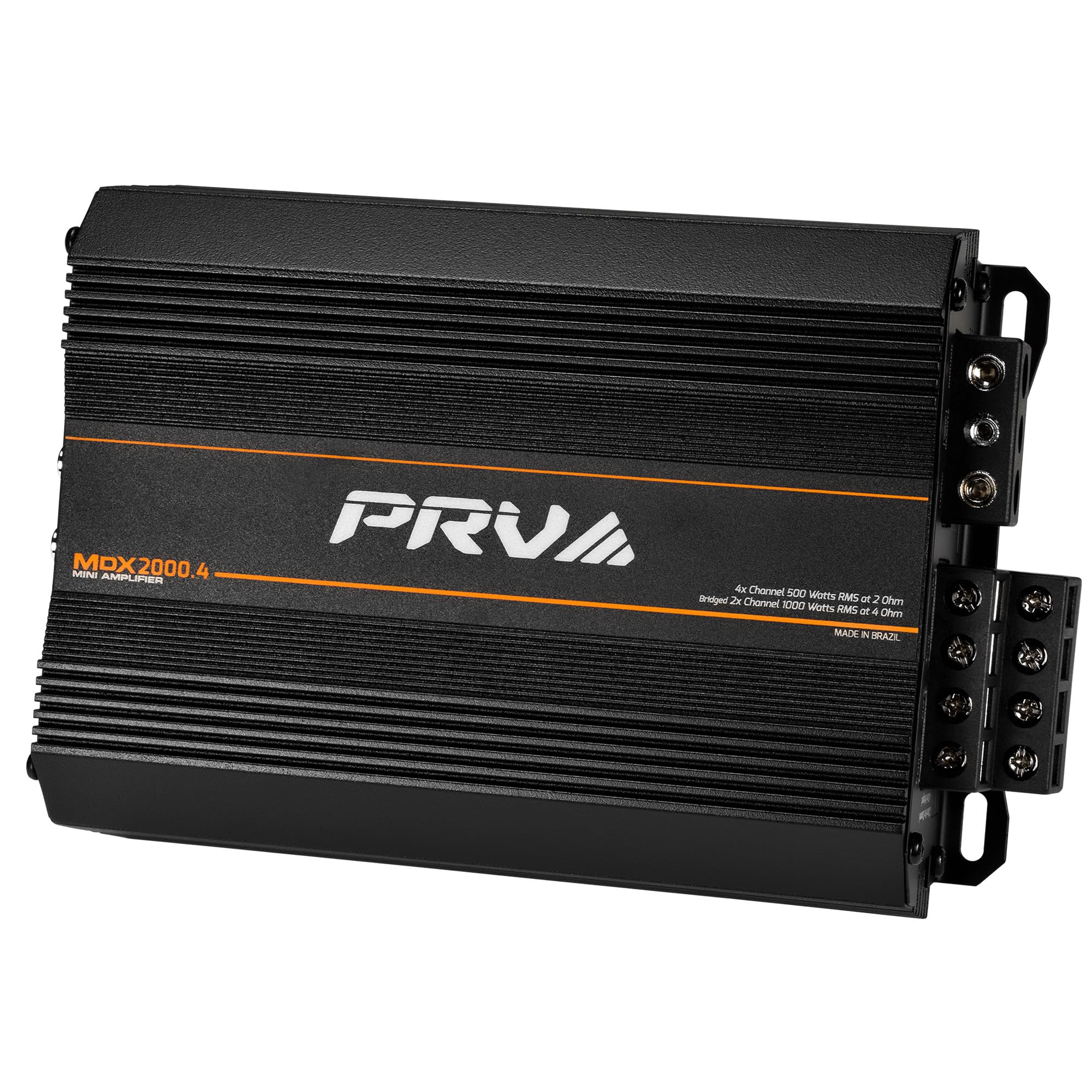

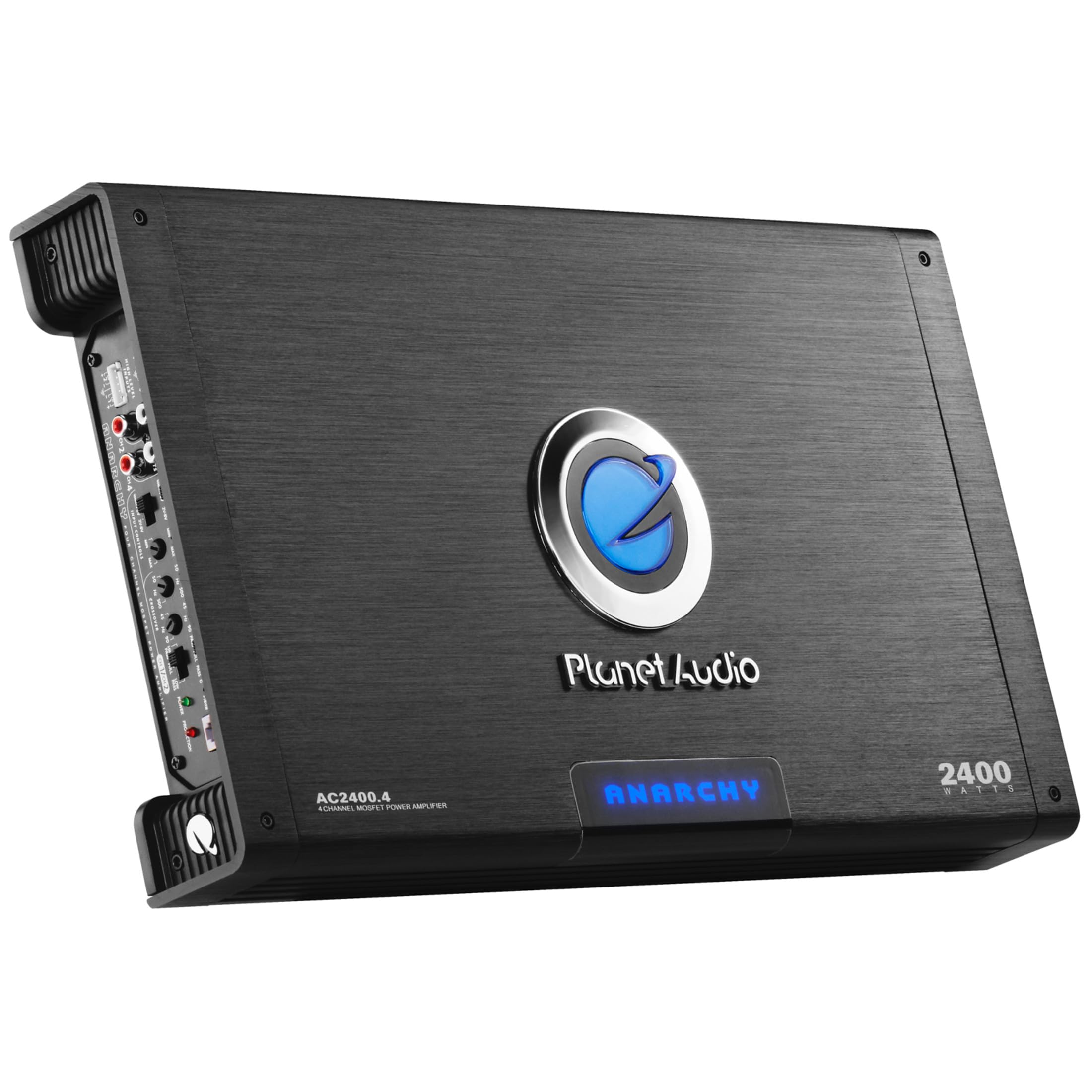

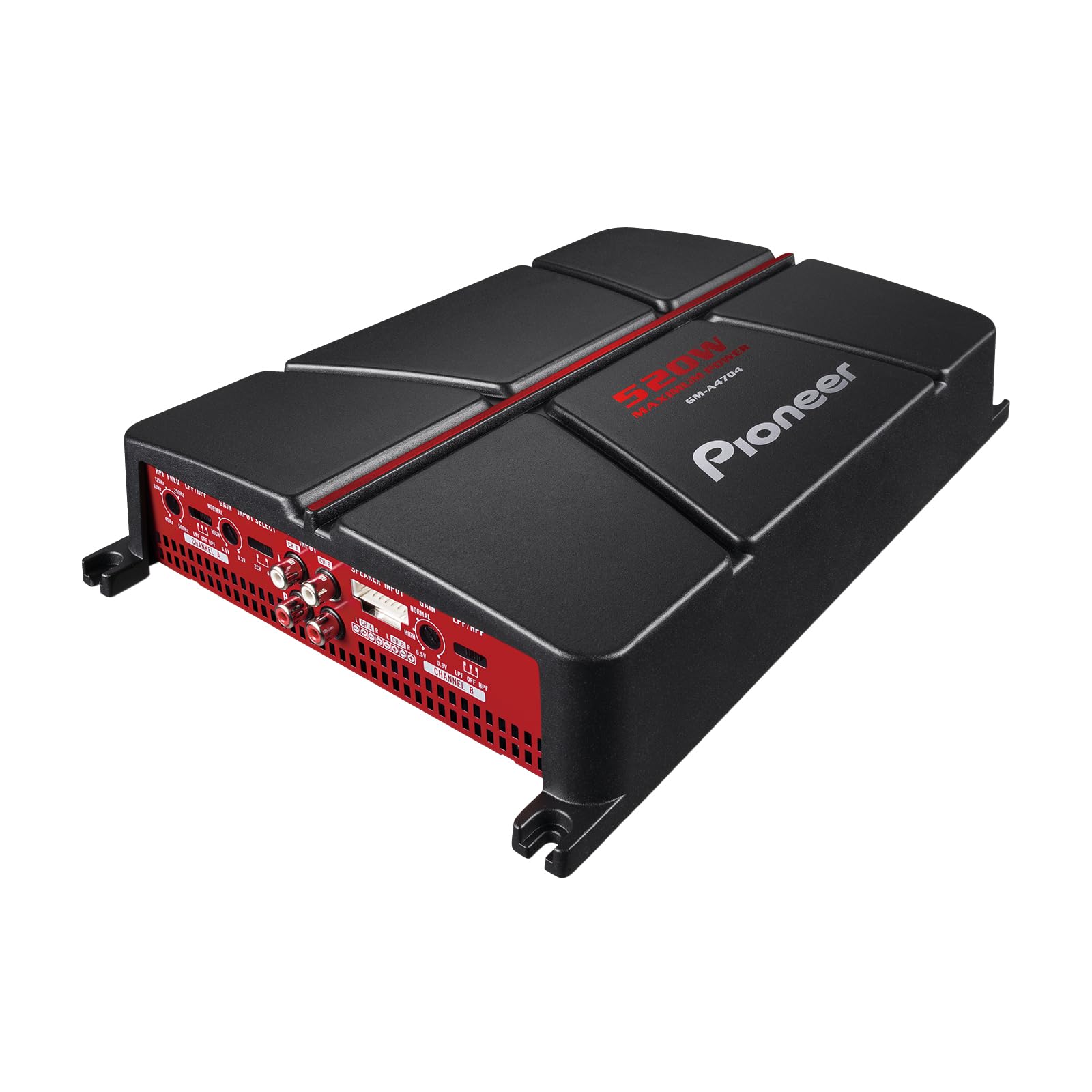

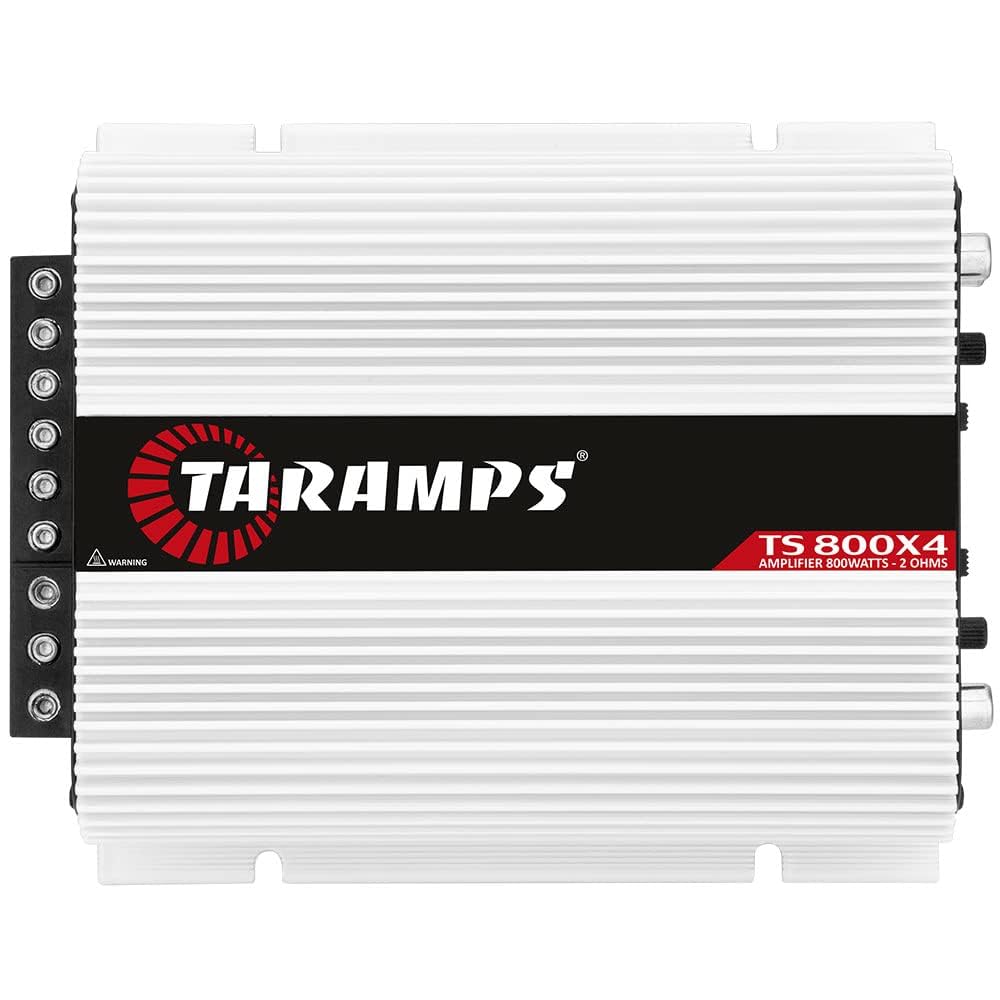

How to Choose the Best Amp for Car Speakers
Start with your speakers. Find their RMS power handling and impedance in the manual, then choose an amp that delivers about the same continuous power per channel at that impedance. A little extra headroom is helpful, but a huge mismatch wastes money and risks the speakers.
Channel Count
Match channels to speakers. A two channel amp drives one pair, a four channel amp drives front and rear pairs, and a five channel amp adds a mono channel for a subwoofer. If you may add a subwoofer later, a five channel amp or a four channel amp that can bridge two channels keeps your options open.
RMS Power and Impedance
Compare RMS power, which is the steady output, and ignore peak numbers. Most car speakers are 4 ohm, and the amp must be rated as stable at that load. A rating of 50 to 75 watts RMS per channel suits most door speakers, while larger component sets can use more.
Crossovers and Gain
Built in crossovers send deep bass away from small door speakers, which keeps them clean and protects them. A high pass filter near 80 Hz suits most door speakers. The gain control matches the amp to your head unit output and is not a volume knob. Set it so the sound stays clear at your loudest normal volume.
Size, Mounting and Cooling
Measure the space under a seat or in the trunk, and leave air around the amp. Compact class D amps run cool and fit tight spots, while class AB amps need more room. Never bury an amp under cargo or carpet, because heat is the main enemy of car amplifiers.
Power, Wiring and Safety
A car amp draws current from the battery, so use a power wire of the gauge the manual recommends and fit a fuse close to the battery. Ground the amp to bare metal with a short cable, and route signal cables away from power wire to avoid alternator whine. Disconnect the battery before wiring, and secure every cable so it cannot chafe on sharp edges.
If your lights dim on bass notes, the wiring or the charging system needs attention before you add more power. If wiring through the firewall feels uncertain, a professional installer is a sensible choice, since a poor ground can cause problems that cost more than the install.
Check the fuse rating against the amp manual and keep the fuse holder within a short distance of the battery terminal. Use the same gauge of wire for the ground as for the power cable, and sand the paint at the ground point so the bolt contacts bare metal. A few extra minutes on these details prevent most noise and heat problems later.
Related Choices
If you are still choosing speakers, see our guides to the best car speakers without amp and the best sounding car speakers. For other amp layouts, compare the best car amps, or read about matching rules in our overview of the best amp for speakers. Bass focused builds can start with our guide to the best car speakers for bass without amp.
Common Mistakes to Avoid
- Buying by peak watts. Match RMS power to the speakers instead.
- Setting gain too high. This causes distortion even at moderate volume and can damage speakers.
- Thin power wire. Undersized wire starves the amp and can get hot.
- Poor ground. A bad ground causes noise, shutdowns and heat.
- No ventilation. Keep vents clear of cargo, carpet and tools.
Sound Quality and Tuning
Clean power changes tone more than raw loudness. A good amp tightens midbass, keeps vocals steady at highway volume and removes the harshness that many drivers blame on the speakers. Look for a signal to noise ratio near 90 dB or higher and low distortion at rated power, and keep the bass boost near zero at first.
Set the gain in stages. Turn the head unit to about three quarters volume with a familiar track, raise the gain slowly until you hear strain, and then back it off a little. Set crossovers before you judge the sound, and listen for a few days before changing anything else. Small adjustments made over time give a better result than a single long tuning session.
Where to Mount the Amp
Under a front seat gives short cable runs and some airflow, but check that the seat can still move through its full travel. A trunk wall or a rear deck gives more space and cooling at the cost of longer wires. Mount the amp upright or on a flat panel so heat can rise, and avoid spots where water can pool after a leak or a wet boot.
Whichever spot you choose, leave a few inches of open air around the heat sink and keep wires away from sharp edges and moving parts. A cool, firmly mounted amp plays cleanly for years, while a hot, loose one causes noise and early failures.
Frequently Asked Questions
Do I need an amp if I have good speakers?
Not always. Good speakers sound fine from a head unit at moderate volume. An amp matters most when you want higher volume without distortion, tighter bass and better control at highway speed.
How much power do I need?
Match RMS power to your speakers and listening habits. Moderate listeners need less than those who play loudly with the windows down. A slightly stronger amp with careful gain setting is safer than a weak amp pushed into distortion.
What is gain and why does it matter?
Gain matches the amp input to the head unit output. Set it so the sound stays clean at your loudest level. Too much gain causes distortion and can damage speakers even when the volume seems moderate.
Can I install a car amp myself?
You can with care for power wiring, fusing and grounding. Run the power cable safely, fuse it near the battery, and ground to clean metal. If the firewall run feels uncertain, a professional install is safer.
Why does my amp overheat?
Poor airflow, low speaker impedance or gain set too high can all cause heat. Check the mounting space, the speaker wiring and the gain. An amp that shuts down often needs better ventilation or a wiring check, not simply a larger replacement.
Final Thoughts
Match channels, RMS power and impedance to your speakers, mount the amp where it can breathe, and wire it with the right gauge and a proper ground. The best amp for car speakers is the one that stays clean at your normal volume and fits your vehicle without compromise. Compare your shortlist in the product table, then check each amp against your speaker ratings before you order.


