
Best Amoxicillin Tablets in 2026: Which Type Is Right for You?
Disclosure: We may earn a commission when you buy through links on this page, at no extra cost to you. As an Amazon Associate I earn from qualifying purchases. Learn more
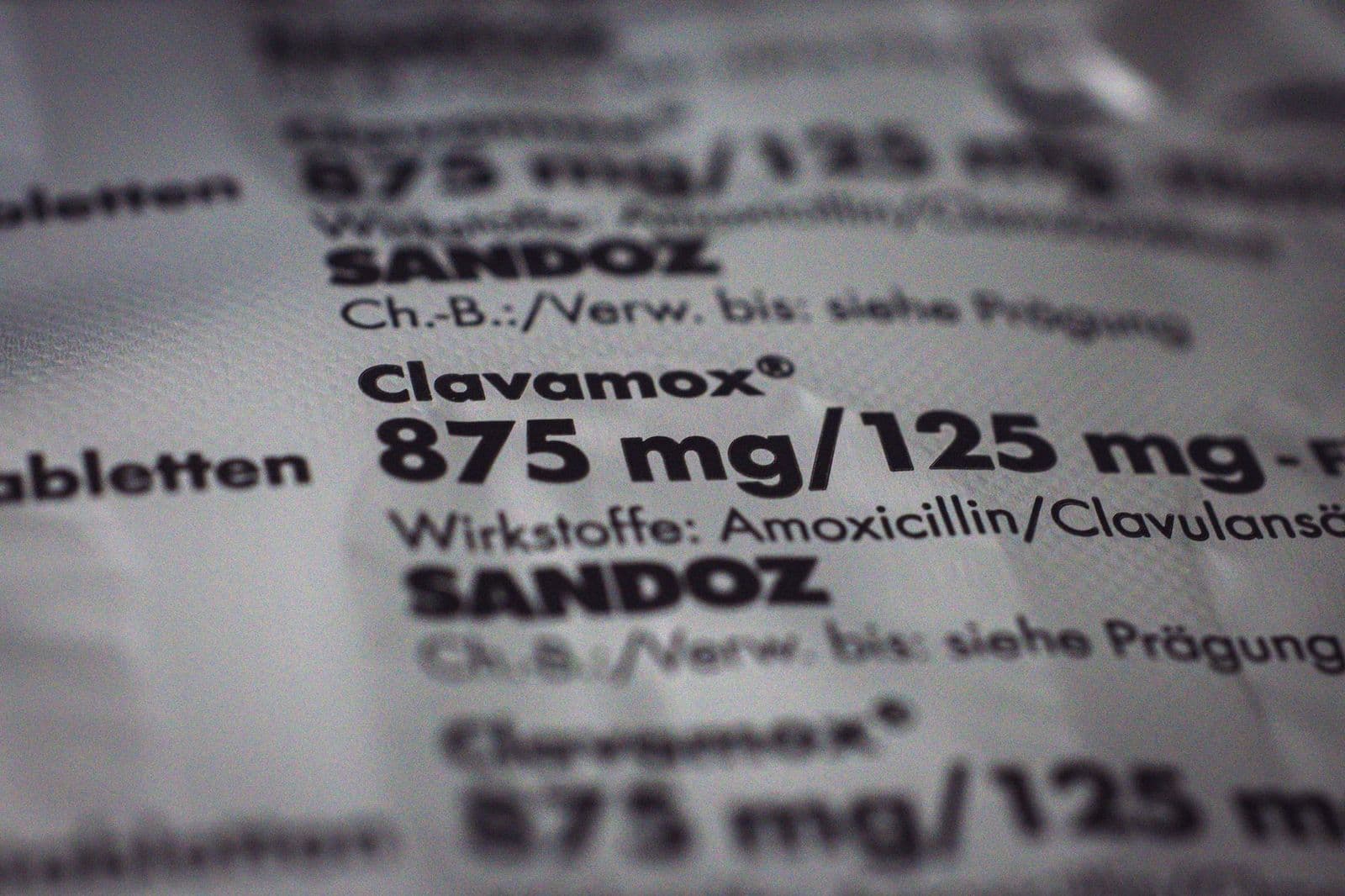
Amoxicillin is a prescription antibiotic. Learn how tablets compare with other forms, what to ask your clinician, and how to store them safely.
Amoxicillin is a prescription antibiotic, so the word best works differently here than it does for a kitchen gadget. The right choice is the form and strength your clinician prescribes for you, not something you pick from a product listing. This guide explains how best amoxicillin tablets compare with other forms in general terms, what to ask before you start, and how to store and handle the medicine safely. It is general information only and does not replace medical advice, so talk with your clinician or pharmacist about your personal situation.
Why Amoxicillin Needs a Prescription
A prescription is a safety check. A clinician decides whether an antibiotic suits your illness, whether you have allergies or conditions that matter, and which form to use. Antibiotics do not work on viruses, and using them when they are not needed can cause side effects and contribute to resistance.
For this reason, amoxicillin is not a medicine you should buy from a general online listing. Websites that offer antibiotics without a prescription may sell counterfeit, expired, or incorrectly labeled products. If you think you need an antibiotic, see your clinician, an urgent care clinic, or a licensed telehealth service.
Forms You May Be Offered
Tablets
Tablets are stable, easy to carry, and suit most adults and older children who can swallow pills. Ask whether your tablet may be split or crushed, since some types must stay whole.
Capsules
Capsules are also swallowed whole. Some people find them smoother to swallow than a large tablet. Your pharmacist can tell you whether a capsule or a tablet is the better fit.
Chewable Tablets
Chewables are made mainly for children and for people who cannot swallow pills. They are not interchangeable with standard tablets, so follow the product your clinician chose.
Liquid Suspension
Liquid forms are common for small children because the pharmacist can measure doses with an oral syringe. They usually need refrigeration and have a short shelf life after mixing, so ask the pharmacist for the discard date and how to read the syringe.
Choosing a Safe Pharmacy
Fill prescriptions at a licensed pharmacy, whether it is a local store or a mail order service that requires a valid prescription. A legitimate pharmacy asks for your prescription, has a licensed pharmacist you can speak with, and lists a physical address. Be careful with sites that advertise very low prices, ship from abroad, or ask for no prescription at all.
When you pick up the medicine, check that the name, strength, and directions match what your clinician told you. If the tablets look different from last time, ask the pharmacist, since manufacturers change appearance. Keep the information sheet that comes with the bottle, which lists the common side effects and the symptoms that should prompt a call.
Why Taking Antibiotics Correctly Matters
Antibiotics work against bacteria, not viruses such as those that cause colds and flu. Using them when they are not needed, skipping doses, or stopping against advice can contribute to antibiotic resistance, which makes infections harder to treat for everyone. Your clinician's directions are part of the treatment, so follow them exactly and call the office if you have questions or cannot tolerate the medicine.
Public health agencies such as the Centers for Disease Control and Prevention publish plain language guidance on antibiotic use. It is a good place to read background information, though it cannot replace advice about your own illness.
Questions to Ask Before You Start
- What is this medicine for, and how long should I take it?
- Do I take it with food, and what should I do if I miss a dose?
- Does it interact with my other medicines or supplements?
- What side effects should I watch for, and when should I call?
- How should I store it, and what do I do with leftovers?
Tell your clinician about any past reaction to penicillin or related medicines, and share your full list of medicines and supplements. If you have trouble breathing, swelling of the face or tongue, or a widespread rash, call 911 or go to the nearest emergency department.
How to Store and Handle the Medicine Safely
- Keep the original label. It carries the directions, the expiry date, and the pharmacy phone number.
- Store as directed. Most tablets keep best at room temperature in a dry place, not in a steamy bathroom or a car glove box.
- Keep it out of reach of children and pets. Never move tablets into an unlabeled container.
- Do not share your medicine. A prescription is written for one person.
- Dispose of leftovers properly. Ask your pharmacist about a take back program rather than keeping old antibiotics for later.
Preparing for Your Appointment
Before you see your clinician, write down your symptoms, when they started, and any medicines or supplements you take, including over the counter products. Note any past reactions to antibiotics and any conditions such as kidney problems. Bring the list with you, or share it through your telehealth visit, so the prescriber has the full picture.
After the visit, repeat the directions back to the pharmacist and ask for printed instructions. If you care for a child, ask how the liquid should be measured, and use the syringe that comes with the medicine instead of a kitchen spoon. Keeping a simple log of each dose on paper or in a phone app helps you follow the schedule and gives you something to share if you call the office.
Finally, ask what to do if your symptoms do not improve or if new symptoms appear. Knowing when to call your clinician and when to seek urgent care removes guesswork when you are unwell.
Common Mistakes to Avoid
- Buying antibiotics from a site that does not ask for a prescription.
- Stopping early or changing the schedule without asking your clinician.
- Using leftover tablets from an earlier illness.
- Crushing or splitting a tablet that is meant to stay whole.
- Skipping questions about allergies or other medicines.
Frequently Asked Questions
Can I buy amoxicillin without a prescription?
In the United States, amoxicillin requires a prescription. Many clinics and licensed telehealth services can assess common infections, so use those routes instead of an unverified website.
Which form of amoxicillin is best?
The best form is the one your clinician prescribes for your age, your illness, and your ability to swallow it. Ask your pharmacist if you have trouble with the form you receive.
What should I do if I miss a dose?
Follow the directions on your label or call your pharmacist. They can tell you what to do for your specific prescription.
Is it safe to share antibiotics with family members?
No. A prescription is written for one person and one illness. Ask your clinician if someone else in your household has similar symptoms.
How should I get rid of leftover tablets?
Use a pharmacy take back program or the disposal instructions from your pharmacist.
The Bottom Line
The right tablet is the one your clinician matched to your situation, in a form you can take correctly. Ask about the schedule, allergies, and storage before you start, and do not buy antibiotics without a prescription. When it comes to the best amoxicillin tablets, the choice is a medical decision rather than a shopping one, so talk with your clinician or pharmacist.


