Best Amish Quilts at Every Price: What Your Money Really Gets You for 2026
Disclosure: We may earn a commission when you buy through links on this page, at no extra cost to you. As an Amazon Associate I earn from qualifying purchases. Learn more

Compare the best amish quilts by price tier, fabric, batting, and stitching quality with a clear checklist for warmth, sizing, care, and long term value.
Amish style quilts can cost under $100 or well over $1,000, and the price gap is not always obvious from a photo. Fabric quality, batting, stitch density, and the amount of hand work explain most of that spread. This guide walks through the best amish quilts by budget tier so you can see what each dollar level usually delivers. It also flags the upgrades that genuinely add comfort and lifespan, and the ones that mostly add decoration. Use the product table to shortlist sizes and prices, then read the tier notes before you decide.
One point of honesty: most quilts sold online as Amish are Amish style, meaning traditional pieced patterns in solid cotton colors, and many are made outside Amish communities. Genuinely Amish made quilts come from workshops in places such as Ohio, Pennsylvania and Indiana, usually cost more, and should say so in the description. The listings in the product table are traditional pieced cotton quilts that follow that style.



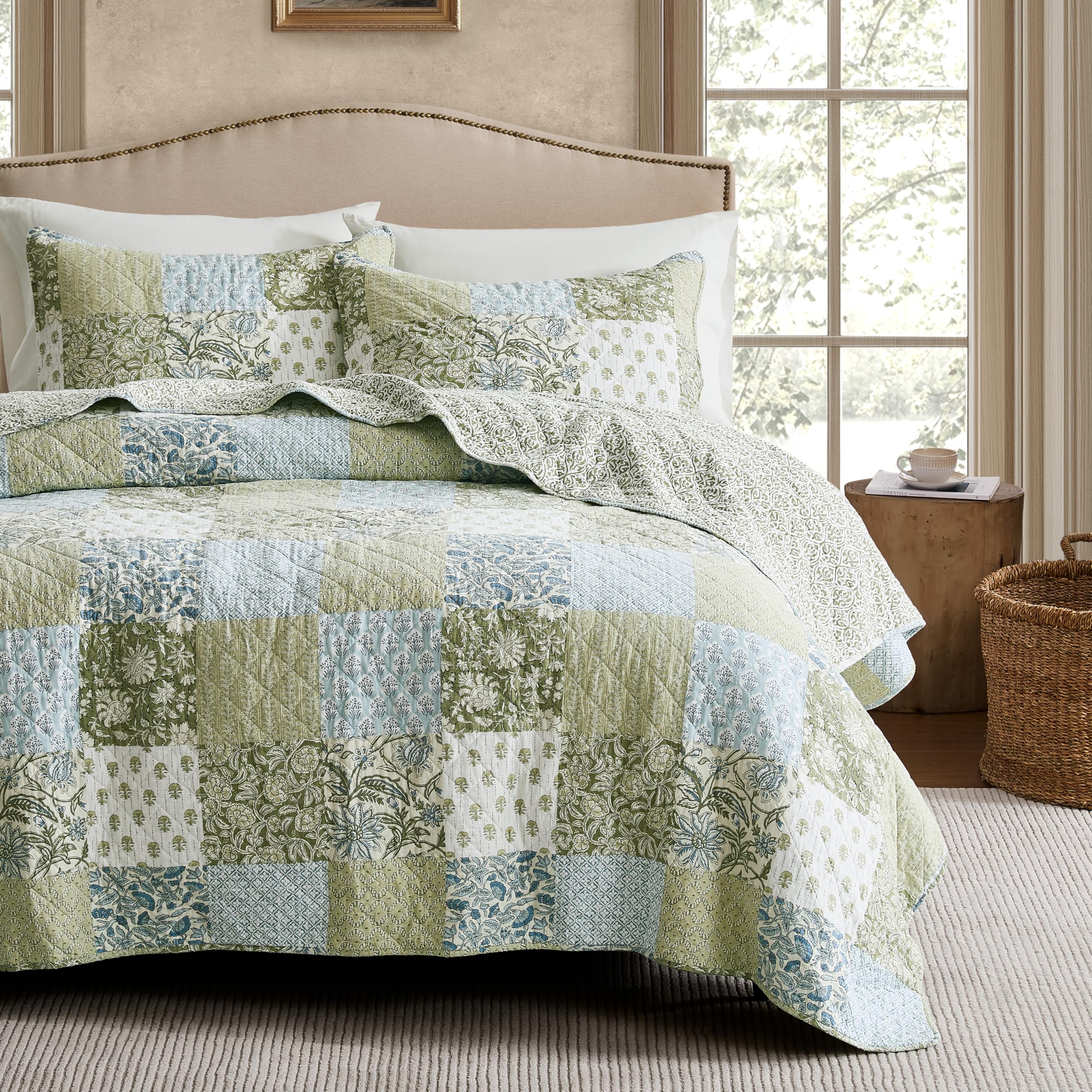

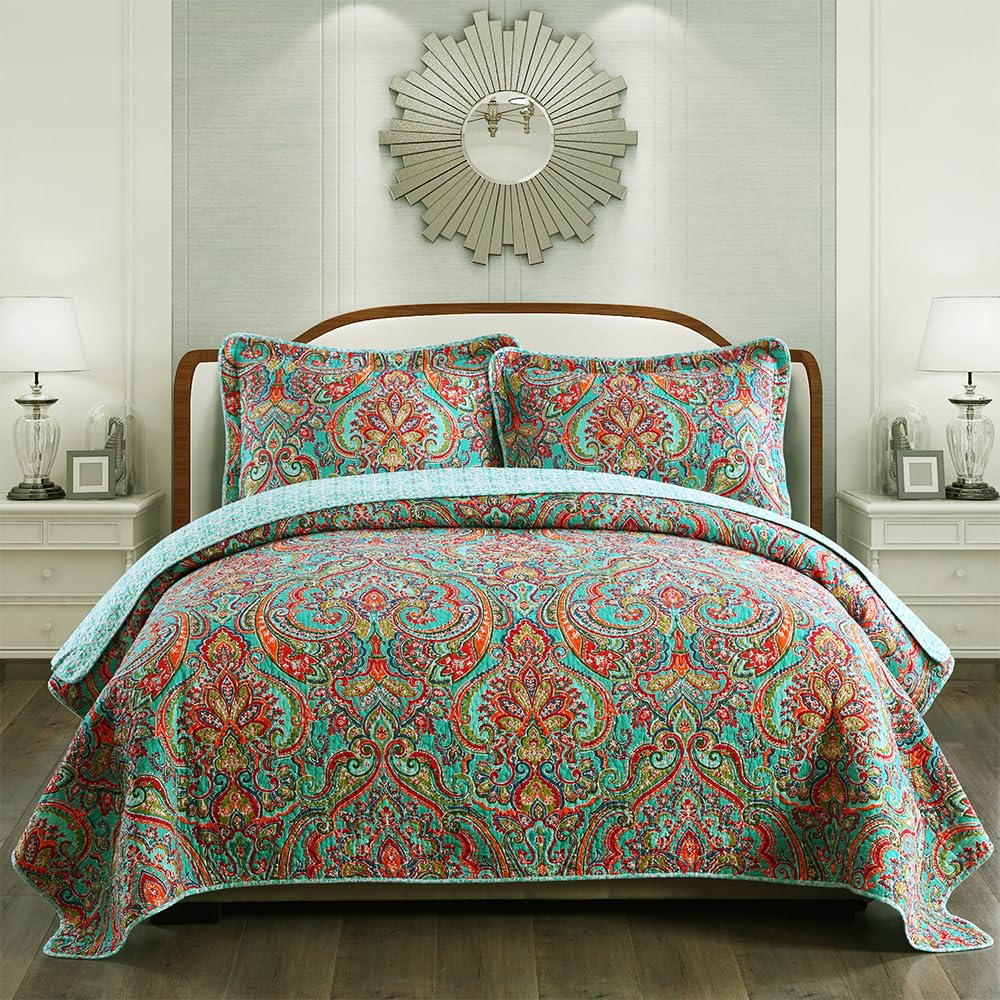
Three Budget Tiers at a Glance
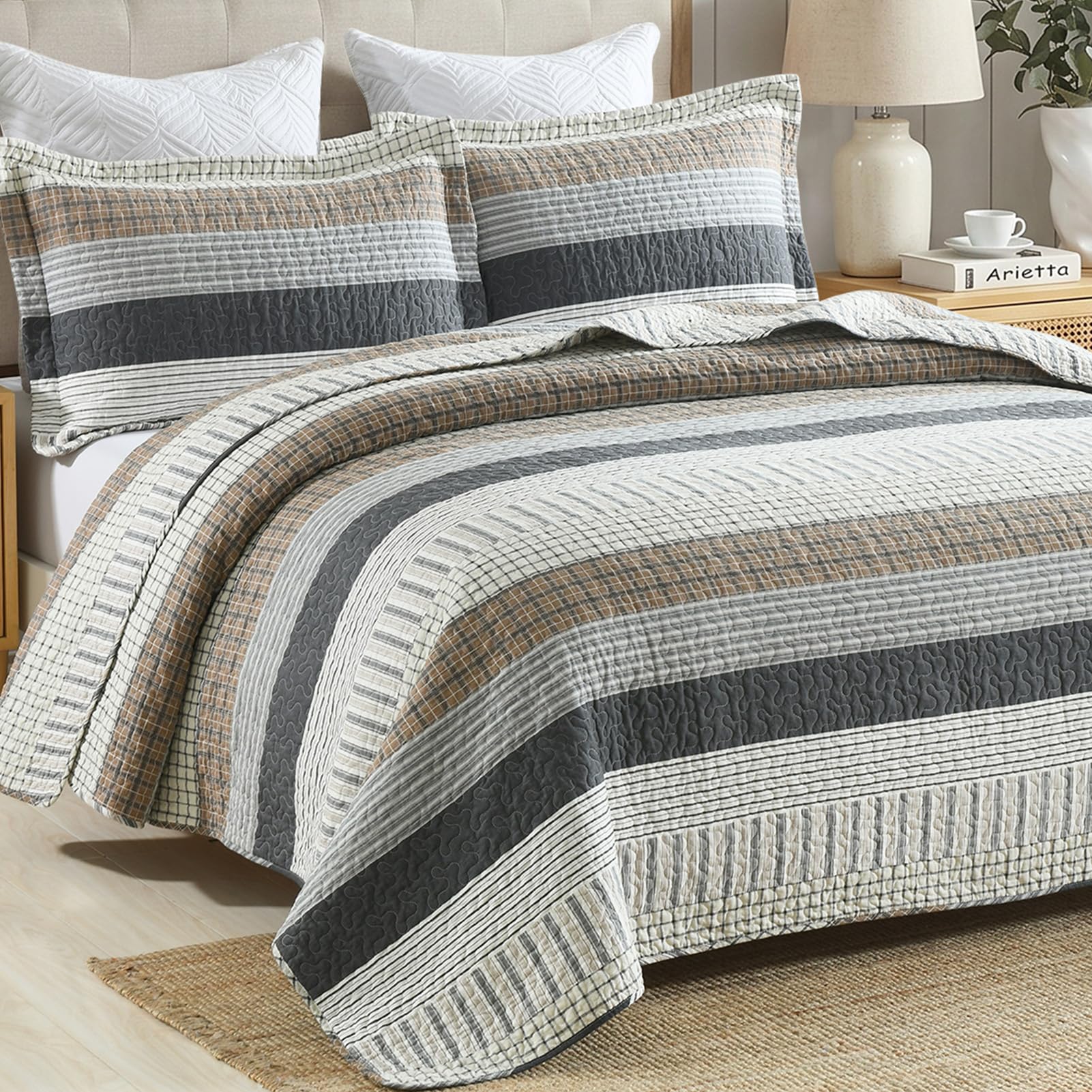
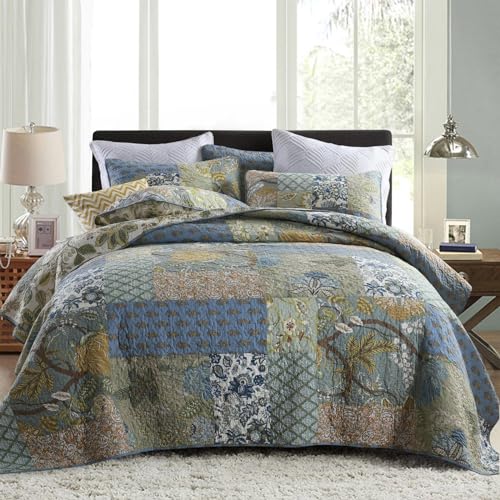
Instead of chasing a single winner, think in tiers. Each tier below describes what you typically get, who it suits, and the trade off you accept. Prices shift with size, so a king almost always costs more than a twin in the same tier.
Budget Tier: Simple and Serviceable
Around $60 to $150 buys a quilt that looks the part and covers a bed warmly enough for mild rooms. Expect printed or piecework style tops, machine stitching, and polyester or blended batting. These suit guest rooms, dorms, and anyone decorating on a budget. The limit is longevity: thinner fabrics and looser stitching can show wear sooner, colors may fade faster, and warmth is modest. Check the stitching photos closely and confirm the actual dimensions, because budget quilts sometimes run small for their stated size.
Midrange Tier: The Sweet Spot for Most Beds
Around $150 to $400 is where most buyers land, and for good reason. At this level you usually get cotton tops with real pieced patterns, denser stitching, and batting with more loft and evenness. The quilt drapes better, feels more substantial, and holds up to weekly use and regular washing. This tier suits a primary bedroom where the quilt is used daily rather than folded away. The trade off is that hand quilting, if present, is usually limited to outlines or simple patterns rather than covering every inch.
Premium Tier: Heirloom Level Craft
Above around $400, and often far above it, you are paying for time. Premium quilts feature extensive hand quilting with many stitches per inch, carefully matched fabrics, complex appliqué or whole cloth designs, and generous sizing with deep drops. These are heirloom pieces meant to last decades and be passed down. They suit collectors and anyone furnishing a room for the long term. The honest limit is care: a premium quilt deserves gentle washing, careful storage, and protection from pets and direct sun, so it is not the right choice for a rough use room.
What Your Money Gets You at Each Price Tier
The same pattern name can appear at every price, so look past the design and read the construction details. These are the differences that separate the tiers in daily use.
Budget Tier: What to Expect
Budget quilts usually use cotton blends or microfiber tops, low to medium loft batting, and machine quilting in wide spaced lines or simple motifs. Binding may be a folded fabric edge rather than a separate double layer binding. Colors can be vivid, but prints sometimes substitute for true piecing, meaning the pattern is printed on rather than sewn from separate pieces. For a spare bed that is fine. Just measure your mattress first, because a short drop is the most common disappointment at this price.
Midrange Tier: The Sweet Spot for Most Buyers
Midrange quilts step up to all cotton or mostly cotton tops with genuinely pieced blocks, cotton or cotton blend batting, and noticeably tighter stitching. Edges are usually finished with proper binding, which resists wear at the exact place quilts fail first. You also get better size honesty and a wider range of traditional patterns. If you are comparing options in this band, our guide to the best quality quilts explains the construction markers that separate a durable quilt from a decorative one.
Premium Tier: When Spending More Pays Off
At the premium level the gains are in stitch count, fabric grade, and design complexity. Hand quilting at seven to ten stitches per inch creates the soft, slightly puckered texture that defines a fine quilt, and it takes many hours to produce. Fabrics are higher grade cotton with tighter weaves that resist pilling. Backing is often a single wide piece rather than seamed panels. Spending more pays off when the quilt will be used and admired daily for years, because cost per year of use can end up lower than a cheap quilt replaced twice.
Features Worth Paying For (and Ones to Skip)
Not every upgrade matters equally. Spend on the parts that affect warmth, drape, and lifespan, and save on pure decoration unless the look is the whole point.
Material and Fill
The top fabric and the batting inside decide how a quilt feels and how long it lasts. Cotton tops breathe well, soften with washing, and suit most sleepers. Cotton batting gives a flatter, traditional drape and good breathability. Wool batting adds loft and warmth with natural temperature regulation, at a higher price. Polyester batting is the budget option: light and washable, but less breathable and sometimes lumpy after repeated washing. For a deeper look at fabric choices, see our guide to the best material for quilts before you commit.
Size and Fit
A quilt that is too small looks skimpy and leaves the sleeper at the edge uncovered. Measure your mattress width and add twice the drop you want, usually 10 to 16 inches per side depending on mattress depth and whether you want the quilt to cover the box spring. Check the stated dimensions rather than trusting the size name, because one brand queen can measure several inches narrower than another. If you share the bed, sizing up often ends the nightly tug of war. Our overview of the best bed quilts includes more sizing guidance for deep mattresses.
Stitching Quality and Durability
Stitching holds all three layers together and stops the batting from shifting into clumps. Look for even, closely spaced quilting lines across the whole surface, not just around the border. Hand quilting should show small, regular stitches; machine quilting should be straight and consistent without skipped sections. Turn the quilt over: the backing stitching tells the same story. Strong binding, ideally double folded and stitched through all layers, protects the edges. These details matter more than an intricate pattern name, because they decide whether the quilt survives years of washing.
Warmth and Breathability
A quilt is a mid weight layer, warmer than a sheet and lighter than a comforter. Batting type and loft set the warmth: wool and higher loft cotton blends sleep warmer, while flat cotton batting suits warm rooms and summer use. Breathability comes from natural fibers, which let moisture escape instead of trapping it against your skin. Thread count alone does not predict comfort; weave and fiber matter more. If you run hot, a lighter quilt you can layer beats one heavy quilt. For warm weather options, see our guide to the best quilts for summer.
Long Term Costs to Factor In
The purchase price is only part of the cost. Gentle laundry care is cheap but takes time, and oversized quilts may need a commercial size washer at a laundromat, which adds a small recurring cost. A protective duvet style cover or a folded top sheet reduces wash frequency and extends life. Storage matters too: a breathable cotton bag costs little and prevents the musty damage that plastic bins can cause. Finally, consider lifespan honestly. A midrange quilt used for ten years costs less per year than a budget quilt replaced every three, so total cost of ownership often favors buying one tier up.
Amish Quilts: Your Questions Answered
What quilt weight is best for year round use?
A medium loft cotton or cotton blend quilt suits most homes year round. It works alone in mild weather and layers over a blanket in winter without feeling bulky. Wool batting is the upgrade for cold bedrooms because it insulates while still breathing. If your home swings between hot summers and cold winters, two lighter quilts used together or apart give more flexibility than one very heavy quilt.
Is a higher thread count always better?
No, a higher thread count is not always better. Beyond a moderate level, extra threads add little strength and can make fabric feel stiff or trap heat. Weave quality, fiber length, and finishing matter more for softness and durability. For quilt tops, a smooth cotton with a balanced weave in the common mid range usually outperforms a very high count fabric that uses short fibers to inflate the number.
How often should I replace my amish quilt?
A well made quilt can last ten to twenty years, so replacement depends on condition, not age. Replace it when batting has shifted into permanent lumps, stitching is pulling out across large areas, or the fabric has thinned enough to tear under light stress. Fading alone is cosmetic. Rotating the quilt foot to head every few months evens out wear and sun exposure, which can add years of useful life.
How do I wash amish quilts safely?
Wash in cold water on a gentle cycle with mild detergent, and use a machine large enough that the quilt is not tightly packed. Avoid bleach and strong agitation, which break down stitching and batting. Tumble dry on low or line dry in shade, since strong sun fades colors. Premium hand quilted pieces may do better with professional cleaning. Washing two or three times a year is plenty for most beds if you use a top sheet.
Are lightweight amish quilts worth it for hot sleepers?
Yes, for hot sleepers a lightweight quilt is often the best layer of all. A thin cotton quilt gives the finished, covered feeling many people need to sleep, without trapping the heat a comforter holds. Cotton batting breathes better than polyester, so check the fill before buying. Pair it with cotton sheets rather than microfiber to keep the whole bed breathable. If you still overheat, use the quilt folded at the foot of the bed for part of the night.
The Bottom Line
Choose by construction first: cotton fabrics, even batting, dense even stitching, and honest sizing beat a pretty photo every time. Most households get the best value in the midrange tier, while premium hand quilting rewards buyers who will keep the quilt for decades. Compare sizes and materials in the product table above, and you will find the best amish quilts for your bed and budget with confidence.