
Best American Made Quilts: Budget, Midrange, and Premium Levels for 2026
Disclosure: We may earn a commission when you buy through links on this page, at no extra cost to you. As an Amazon Associate I earn from qualifying purchases. Learn more
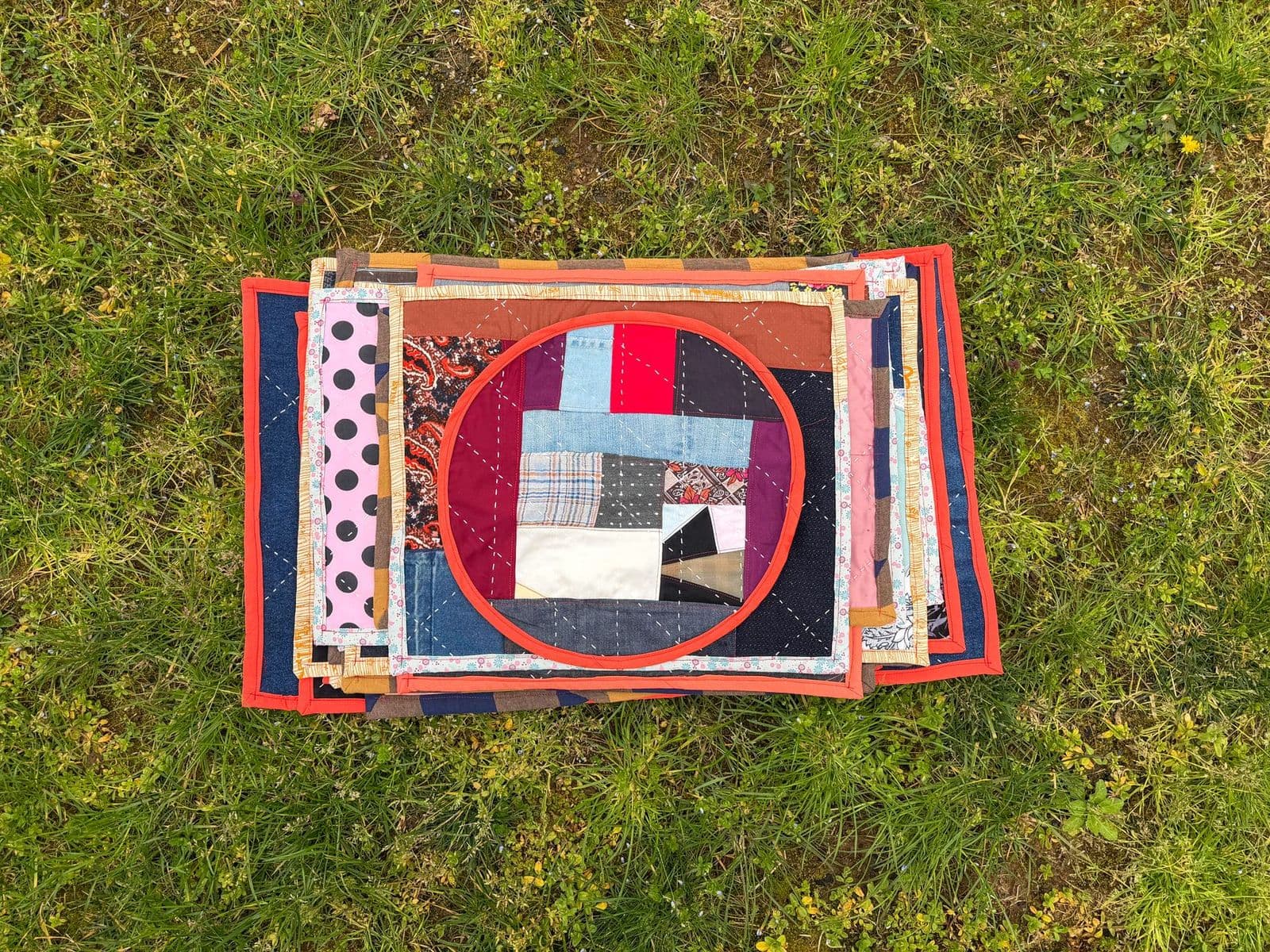
Compare the best american made quilts at every price level with a clear guide to fill, fabric, stitching, warmth, and care so your money goes where it counts.
Quilts made in the United States range from simple machine stitched layers under $80 to hand guided heirloom work costing several hundred dollars, and the price gap is not always visible in a product photo. This guide to best american made quilts shows you what each price level usually delivers in fill, fabric, and stitching quality. Read on to learn where extra money genuinely improves sleep and where it only buys decoration.
A quilt is a three layer construction: a top, a soft fill called batting, and a backing, all held together by stitching. How those layers are chosen and joined decides warmth, weight, drape, and how many years the quilt survives the wash.
Three Budget Levels at a Glance
This section describes what to expect at each budget level, so you can hold any listing against it and judge for yourself.
Budget Level
This level, usually under $100 for a queen size, uses a cotton or cotton blend shell with polyester or cotton blend batting and even machine stitching across the whole surface. It passes as a smart buy when the stitching is dense, the edges are bound rather than raw, and the maker states the exact size and fill content. It suits spare rooms, dorms, and warm climates where the quilt is a light top layer. The limit is longevity: expect the fill to flatten sooner than in higher tiers, and check the care label, since some budget quilts are dry clean only, which adds cost over time.
Midrange Level
This level, around $120 to $250 for a queen, pairs a full cotton shell with cotton or wool blend batting and stitching patterns that add both strength and design. Fabrics feel smoother, colors are dyed into the yarn or printed with better detail, and sizes run true with generous drop on each side of the bed. This is the tier most buyers should target for a main bedroom, because durability and washability both step up clearly. The trade off is weight: an all cotton quilt is heavier to lift and slower to dry than a synthetic one.
Premium Level
This level, often about $300 to $600 or more, brings hand guided quilting, long staple cotton or linen shells, natural fills such as wool or high grade cotton, and patterns cut and pieced from many fabrics. Makers at this level often sew in small American workshops and sign or date their work. It suits buyers who want a bed covering that becomes a keepsake and who value craft over trend. The honest limit is care: premium natural fills may need gentler washing and more storage space, and the price only makes sense if you plan to keep the quilt for a decade.
What Your Money Gets You at Each Price Tier
Budget Tier: What to Expect
At the budget level you get a functional, good looking layer rather than an heirloom. Shells are cotton blends, stitching follows simple channels or squares, and color ranges stay narrow. Warmth is light to medium, which suits summer use or heated homes. Check the stated dimensions carefully, because some budget quilts run small and barely cover a thick mattress. What you should not accept at any price is loose stitching, uneven fill you can feel as lumps, or a care label that hides the fill content. If construction basics are sound, a budget quilt is a sensible first purchase.
Midrange Tier: The Sweet Spot for Most Buyers
Midrange quilts add the things you notice every night: softer hand feel, even warmth without hot spots, and stitching that holds the layers flat after many washes. Cotton percale shells feel crisp and cool, while sateen weaves feel smoother and slightly warmer. Reversible designs appear here, giving you two looks for one price. Makers also begin offering generous oversizing and matching shams cut from the same cloth. For most households this tier delivers the best balance of comfort, care ease, and years of use per dollar.
Premium Tier: When Spending More Pays Off
Premium money buys materials and labor you can verify: long staple cotton that resists pilling, wool batting that regulates temperature in both winter and summer, and dense quilting done slowly by skilled hands. Pieced tops with dozens of fabrics take hours to assemble and cannot be faked at lower prices. Spending more pays off if you sleep under the quilt nightly, wash it often, and want it to look good after ten years. It pays off less for a guest room used twice a year, where midrange quality already exceeds the need.
Features Worth Paying For (and Ones to Skip)
Firmness/Loft and Sleep Position
Loft means how thick and lofty the fill sits, and it controls warmth more than weight does. Low loft quilts suit hot sleepers, summer months, and stomach sleepers who dislike feeling buried. Medium loft suits most back and side sleepers through spring and fall. High loft wool or cotton quilts serve cold rooms and winter use. Rather than owning one very thick quilt, many households layer a light quilt over a blanket, which adapts better across seasons. Choose loft by your bedroom temperature first and by looks second.
Weight, Drape, and Edge Finish
A quilt that is too heavy presses on your feet and feels tiring, while a well balanced one drapes without dragging. Bound, double stitched edges keep fill from shifting out and corners from fraying. Our guide to the best made quilts covers construction basics if you want more detail.
Material and Fill
Fill decides warmth, weight, and care. Cotton batting is breathable, quiet, and washes well, with a familiar blanket like drape. Wool batting costs more, manages moisture, and keeps warmth even and calm across seasons. Down fill is very warm for its weight but appears more in comforters than classic quilts, and down alternative polyester fills are affordable, washable, and good for allergy prone homes, though less breathable. Shell fabrics matter too: cotton percale feels cool and crisp, sateen smoother, linen relaxed and strong, and bamboo derived fabrics soft but sometimes less durable. Certifications such as OEKO TEX speak to fabric safety testing and are worth noting when a maker lists them.
Durability and Care
Durability shows in stitch density, binding quality, and honest care instructions. Denser stitching keeps batting from bunching after washing, and pre washed quilts shrink less after your first wash. Machine washable construction is a real feature worth paying for in family homes, since a quilt that needs dry cleaning costs money every season. Ask about warranties and trial periods where offered, but weigh them less than construction: a well made quilt with a plain one year warranty usually outlasts a flimsy one with bold promises. Rotate the quilt end to end every few weeks to spread wear.
Long Term Costs to Factor In
The purchase price is only part of ownership. Add the cost of matching shams if you want the full look, a storage bag that breathes for off season months, and laundry costs if the quilt is large enough to need a commercial machine. Dry clean only models add a recurring bill every year. Replacement timing matters too: a budget quilt replaced every three years can cost more over a decade than one midrange quilt that lasts the whole period. Natural fill premium quilts may need an occasional professional clean, so include that in the true price before you stretch your budget.
Frequently Asked Questions
How often should I replace my american made quilt?
Replace a quilt when the fill has flattened so much that warmth is uneven, the shell fabric has worn thin, or stitching has opened in many places. A well made cotton quilt used nightly often serves eight to twelve years, while budget quilts may tire in three to five. Washing gently, using a duvet style cover in heavy use homes, and storing the quilt clean and dry all extend its life noticeably.
Are cooling american made quilts worth it for hot sleepers?
Yes, for most hot sleepers a cooling quilt is worth it, because the top layer is where heat builds up fastest. Look for a cotton percale shell, low loft, and cotton or wool batting rather than polyester, since natural fibers move moisture away from skin. Skip heavy high loft models marketed with cooling gels, which rarely change how the surface feels after an hour. Pairing the quilt with breathable sheets completes the effect.
Is a higher thread count always better?
No, a higher thread count is not always better, and counts far above about 400 usually signal marketing rather than quality. What matters more is the cotton staple length and the weave: long staple percale around 200 to 300 thread count feels crisp, cool, and durable. Very high counts can trap heat and pill sooner. Judge the fabric by feel, fiber content, and maker honesty about materials, not by the biggest number on the package.
How do I wash american made quilts safely?
Wash most cotton quilts in a large machine on a gentle cycle with cold or warm water and mild detergent, then tumble dry on low until fully dry to prevent mildew. Check the care label first, since wool fill and hand pieced premium quilts may need gentler handling or professional cleaning. Wash alone or with similar colors the first few times, skip bleach, and make sure the quilt can move freely in the drum, because a packed machine tears stitching.
Final Thoughts
Choose by fill and fabric first, stitch quality second, and pattern third, and spend at the midrange level unless you know you will treasure a premium piece for years. Judge with that order in mind and your pick among the best american made quilts will stay comfortable wash after wash.


