
Best Amino Tablets for Muscle Growth in 2026: Which Type Is Right for You?
Disclosure: We may earn a commission when you buy through links on this page, at no extra cost to you. As an Amazon Associate I earn from qualifying purchases. Learn more

Compare the best amino tablets for muscle growth by type, with each style's pros and cons, ideal users and price range explained plainly.
Walk into any supplement aisle and the choice multiplies fast: complete blends, branched chain formulas, single amino products, and a wall of powders beside them. Picking the best amino tablets for muscle growth gets easier once you sort products by type instead of by brand claims. Each type has a clear strength, a clear weakness, and a typical price band, and this guide compares them head on so you can match a type to your training and your meals.
The product table gives you the quick view. The sections after it explain where each type fits, who should skip tablets entirely, and which label details decide whether a formula can support your goals.


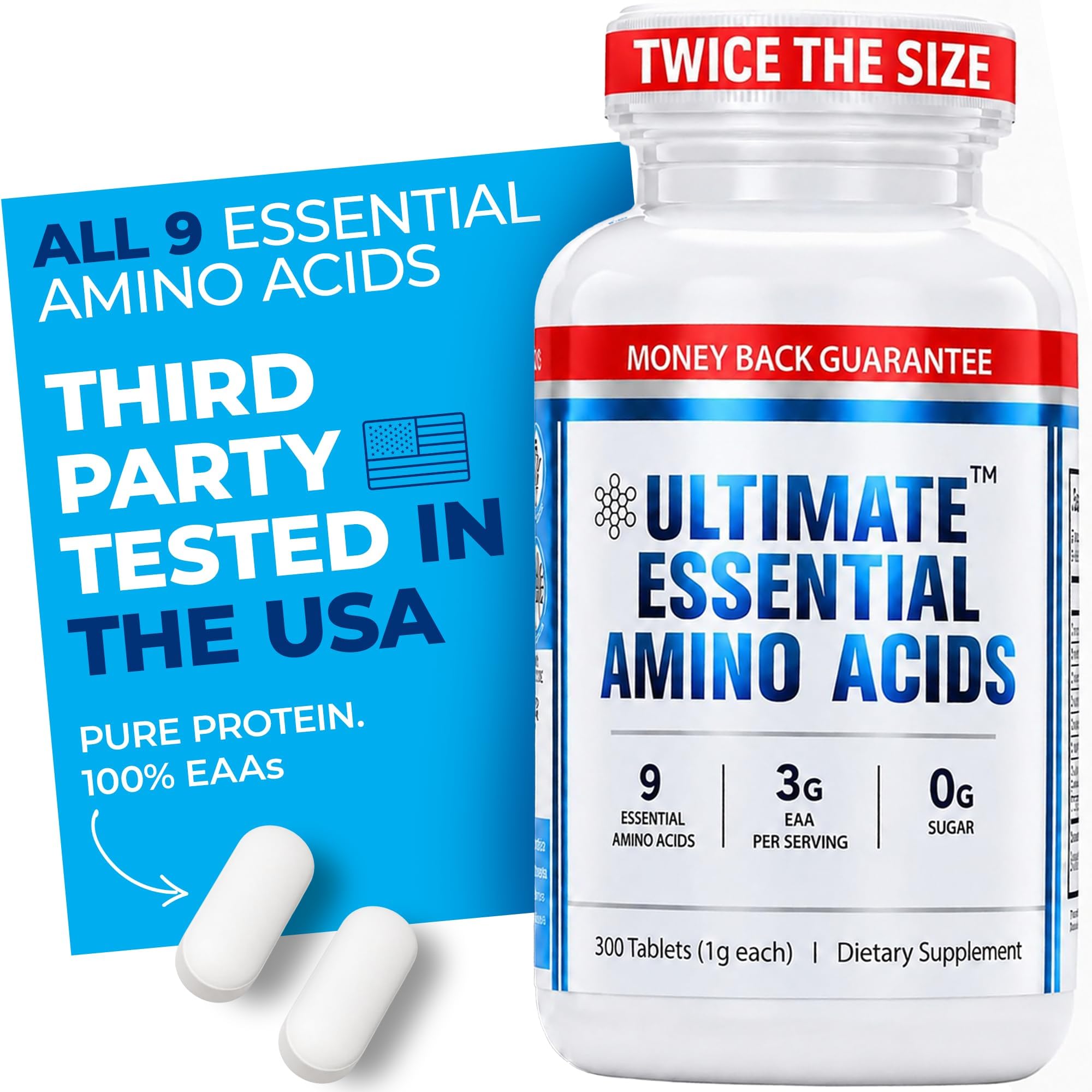
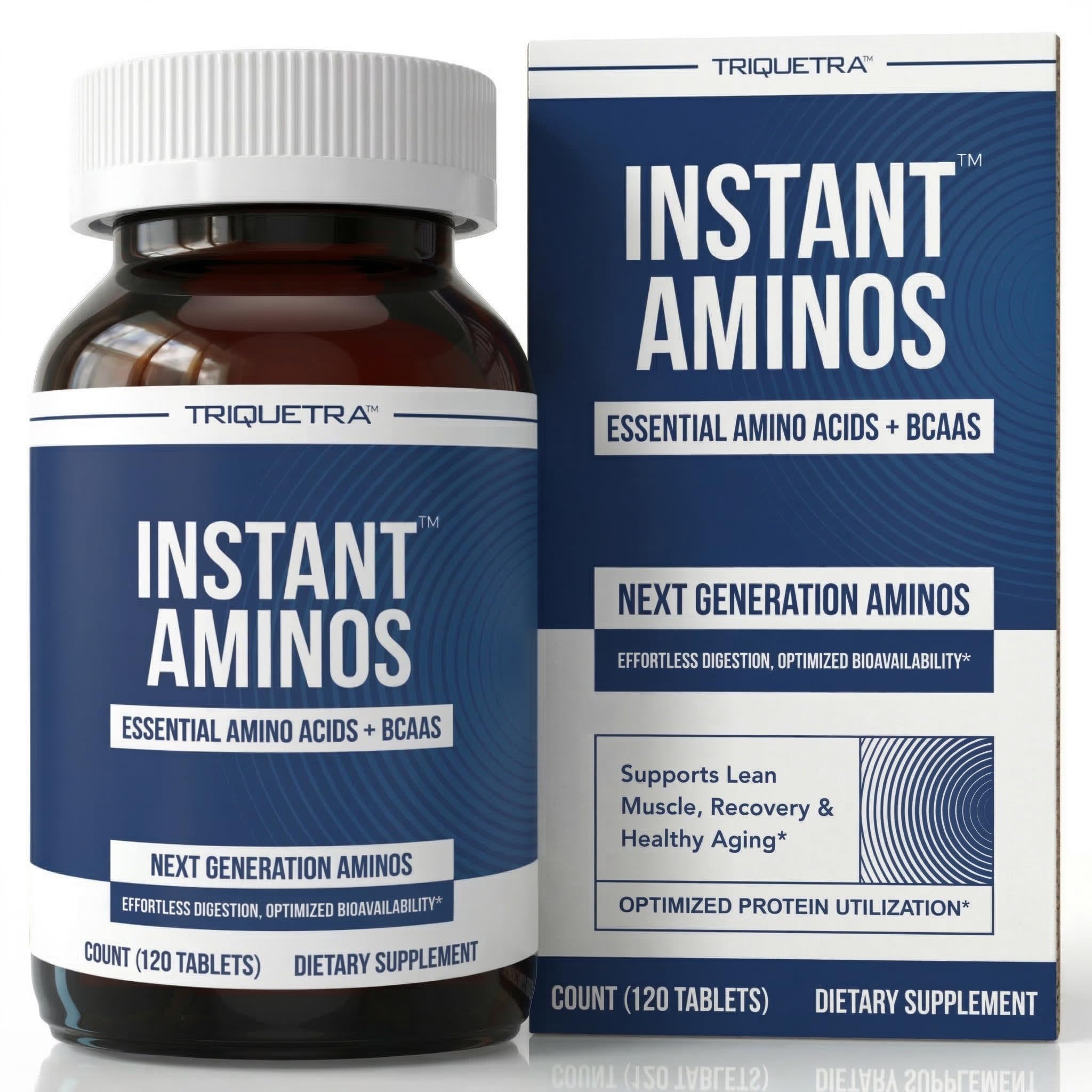
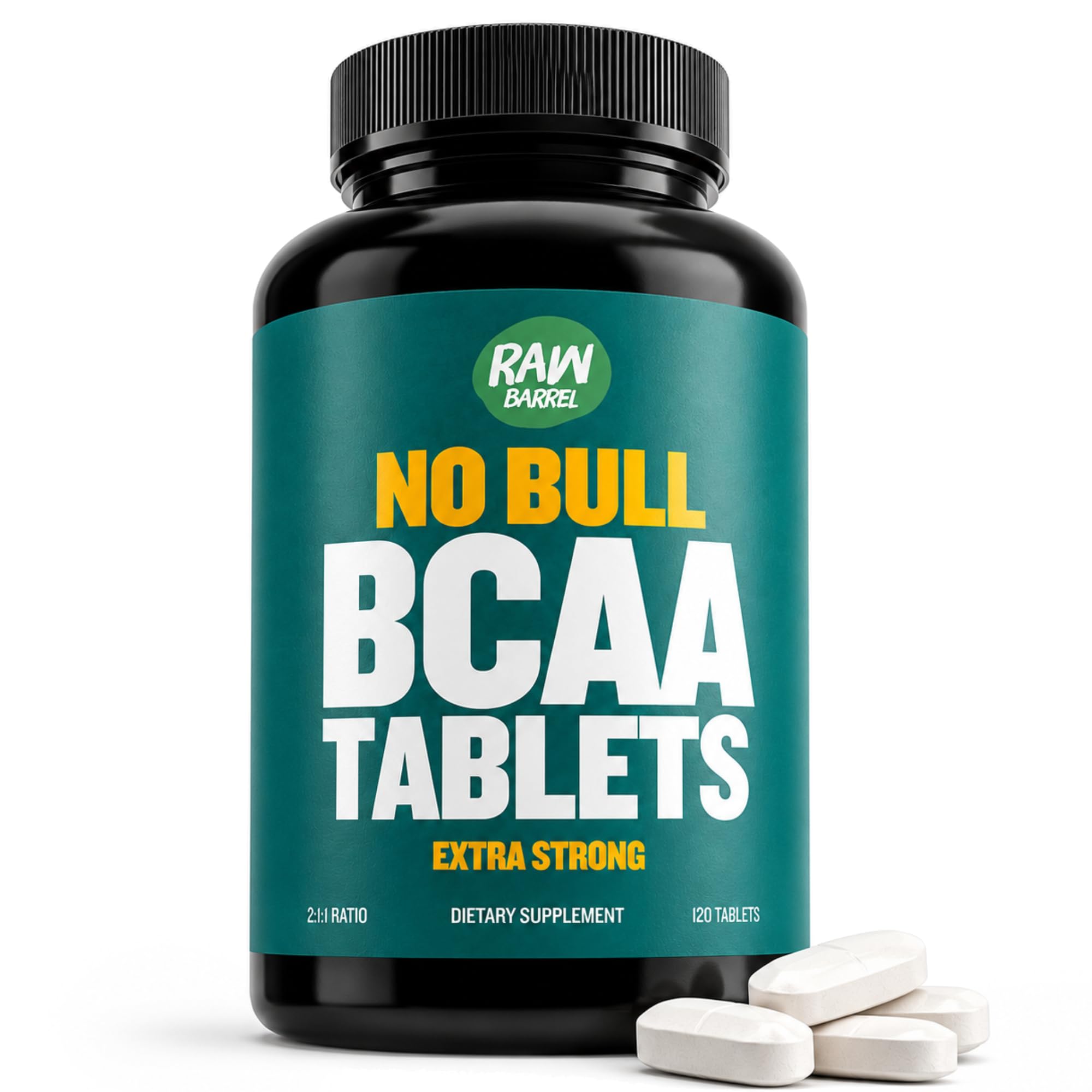

How Amino Tablets Compare to Other Options
Think of the market in four lanes. Complete amino tablets usually cost around $30 to $60 a bottle and suit daily gap coverage. Branched chain tablets run around $15 to $30 and suit workout focused use. Powders cost less per gram but need mixing, and food costs the least of all while doing the most. The three comparisons below unpack those lanes.
Amino Tablets Versus Powders
Powders win on dose per dollar. A single scoop can carry as many amino acids as a large handful of tablets, and you can adjust the amount to the day. Tablets win on convenience and control: no mixing, no flavor fatigue, no spills in a locker, and an exact dose every time. Absorption speed slightly favors liquids and powders, but total daily intake matters far more than a small timing edge. Choose powders for home based, high dose routines. Choose tablets if your training happens at odd hours, in transit, or anywhere a shaker bottle is a nuisance.
Amino Tablets Versus Capsules
Capsules and tablets carry similar ingredients, so the difference is physical. Capsules glide down more easily and have no taste, which matters if you gag on large chalky tablets. The cost is capacity: capsules hold less per unit, so daily counts rise and cost per gram usually follows. Some capsules also use gelatin shells, which will not suit every diet. Tablets pack more into each unit and tend to be the cheaper format per dose. If swallowing comfort decides whether you stick with a routine, capsules are a fair trade. Otherwise tablets give more for the same money.
Amino Tablets Versus a Food First Approach
A food first approach beats every supplement on nutrition per dollar. A serving of Greek yogurt, eggs, or lentils brings amino acids plus calories, calcium, iron, and fiber, all of which support training in ways a tablet cannot. The weakness of food is logistics: appetite, time, and access. Tablets exist for the gaps food leaves, such as early sessions before breakfast or long workdays with a delayed lunch. The honest order of priorities is food first, then a shake or powder if needed, then tablets for portability. Readers comparing broader options can also see our guide to the best tablets for muscle growth for how different tablet categories divide the job.
Who Should Choose Amino Tablets?
Tablets fit lifters who train consistently, eat reasonably well, and still miss protein at predictable moments. Shift workers, frequent travelers, and early morning trainers are classic examples, because their gap is about timing rather than knowledge. They also suit people who dislike shakes and want a measured, flavor free option. On the other side, beginners who have not yet built a steady food routine will get more from groceries than from any bottle. Anyone whose main problem is eating too little overall should fix total intake first, since amino tablets add almost no calories and cannot drive growth on their own.
How to Choose the Right Amino Tablet
Once the type is settled, five label checks separate a sound purchase from a hopeful one. Work through them in order for any candidate formula.
Features That Matter for Muscle Growth
Growth requires the full set of essential amino acids delivered alongside enough total protein and energy. A tablet formula supports that process only if it either supplies all nine essentials or fills a known gap in an already complete diet. That is why the profile matters more than added vitamins, energy blends, or exotic plant extracts squeezed into the formula. Tablet space is limited, so every ingredient should earn its place. If the amino dose looks small while the extras list runs long, the product is built for the label front, not for your training.
Leucine Content and Complete Profile
Leucine helps trigger muscle protein synthesis, so look for a clearly stated leucine amount in a complete formula. Just as important, the other eight essentials must be present, because synthesis needs all of them as building material. A branched chain only product can still suit lifters with protein rich diets, but it should be bought knowingly, not by accident. Check the supplement facts panel for per amino amounts. A single combined blend figure with no breakdown is a transparency failure, whatever the front label promises.
Dose per Serving and Daily Tablet Count
Now translate the label into your day. Note the amino grams per serving, the tablets needed to reach it, and how many servings you plan daily. Six to ten tablets a day is common for complete formulas, and that burden decides adherence more than any marketing claim. Divide bottle price by servings for daily cost, then compare that figure across finalists. A mid priced bottle you finish beats a premium bottle abandoned in a drawer. If the count feels daunting, a slightly lower dose taken daily is more useful than a perfect dose taken rarely.
Testing, Certification, and Label Clarity
Supplements are not approved by the FDA before they reach shelves, so look for independent verification. Seals from NSF or USP, and sport specific certification where relevant, indicate screening for contaminants and banned substances. Makers that publish results or name their certifier earn more trust than those printing vague quality badges of their own design. Also check basics that many buyers skip: a clear expiry date, a lot number, and full contact details for the maker. Our overview of the best muscle tablets explains how certification shows up across this whole category.
Price Tier and Bottle Size
Budget tier formulas, around $15 to $25, are usually branched chain only or lower dose blends, fine for light gap coverage. Mid tier options, around $30 to $45, typically deliver complete profiles at sensible tablet counts. Premium options, around $50 to $70, should justify themselves with certification and published testing rather than bigger claims. Buy the smallest bottle that covers a month first. Only move to bulk sizes once a formula has proven it suits your stomach, your schedule, and your wallet across a full training block.
Tips to Get the Most From Your Amino Tablet
- Pair each serving with water and, when possible, food, because tablets dissolve better and sit more comfortably that way.
- Keep your dose tied to training days and low protein days instead of taking it out of habit on days your meals already cover everything.
- Store bottles in a cool, dry place and reseal them promptly, since moisture softens tablets and humidity shortens shelf life.
- Recheck your food protein every few weeks, because as your meals improve, the size of the gap your tablets need to fill may shrink.
Amino Tablets: Your Questions Answered
What features matter most in amino tablets for muscle growth?
A complete essential amino acid profile with a stated leucine amount matters most, followed by verified testing. Those two points confirm the product can support protein synthesis and that the contents match the label. Dose per serving and daily tablet count come next, because they shape cost and adherence. Extra vitamins or energy blends add little and should never be the reason you choose one formula over another.
How much leucine do I need for muscle growth?
There is no single number that fits everyone, so check the label amount against the guidance from a registered dietitian or sports nutrition source. Your meals count toward your total, since a normal protein rich meal often supplies leucine already. Tablets help most when a feeding would otherwise be small or delayed. Chasing leucine far beyond what you need, without the other essentials present, does not add benefit.
Should I choose amino tablets or a protein shake?
Choose the shake when you need a real protein feeding, because it delivers far more complete protein per serving. Choose tablets when portability, exact dosing, or a small appetite makes a shake impractical, such as before an early session. Many lifters use shakes at home and tablets at work or while traveling. The formats solve different problems, so the better question is which problem you actually have on most days.
How long should a bottle of amino tablets last?
Divide servings per bottle by your daily servings. At one serving a day, a 60 serving bottle lasts about two months and a 30 serving bottle about one month. Training day only use can stretch that to a full season. Check the expiry date against your expected finish date before buying large sizes. Freshness and routine fit matter more than the small savings on a bulk bottle you may not finish.
Can amino tablets help if I follow a plant based diet?
They can help, because plant based eating sometimes makes leucine and lysine harder to gather in one meal. A complete essential amino formula covers those gaps neatly, and soy, pea, and grain combinations across the day do much of the same work through food. Check that the tablets themselves use plant based sources if that matters to you. A dietitian can review your overall pattern and flag any wider nutrient gaps, such as vitamin B12.
Are amino tablets safe to use during a cutting phase?
Generally yes for healthy adults, and cutting is actually when many lifters find them most useful, because calories drop while protein needs stay high. Tablets add amino acids with almost no calories, helping you protect muscle while food intake shrinks. Keep total protein high from food as well, and follow label doses. If you have kidney or liver concerns, or take regular medication, clear any supplement with your doctor first.
The Bottom Line
Sort by type, verify the profile and leucine figure, and let daily cost and tablet count settle the final choice. Food stays at the center of any growth plan, with tablets covering the gaps your schedule creates. Chosen with that order in mind, the best amino tablets for muscle growth are simply the ones you will take consistently at a dose that matters. Compare your finalists in the product table above, and talk with your clinician about personal needs before starting daily use.


