
Best American Work Boots in 2026: Which Ones Fit the Way You Use Them?
Disclosure: We may earn a commission when you buy through links on this page, at no extra cost to you. As an Amazon Associate I earn from qualifying purchases. Learn more

Match the best american work boots to your job with advice on fit, safety toes, outsoles and repairable welt construction, so you avoid overpaying.
There is no single pair that suits every job. A boot that thrives on wet concrete can feel stiff and hot on a dry warehouse floor, and a light boot built for short shifts may not hold up to daily site work. The best american work boots for you depend on your surface, your hours and the protection your job demands. Use the product table to match each style to your work.
American made lines stand out for repairable construction, full grain leather and sizing that runs deep into wide widths. This guide stays use case first. It explains who each boot type suits, which features matter most, and how to care for leather boots so they earn back their higher price over years, not months.


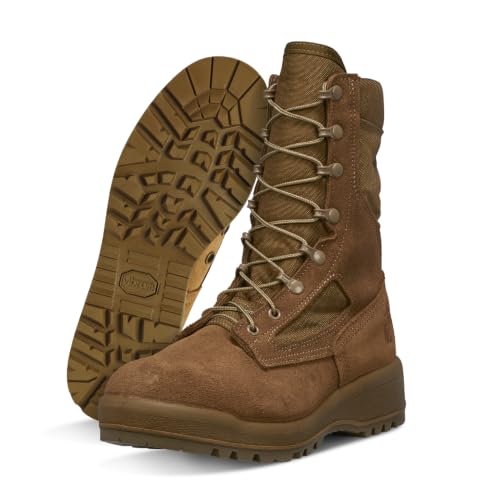
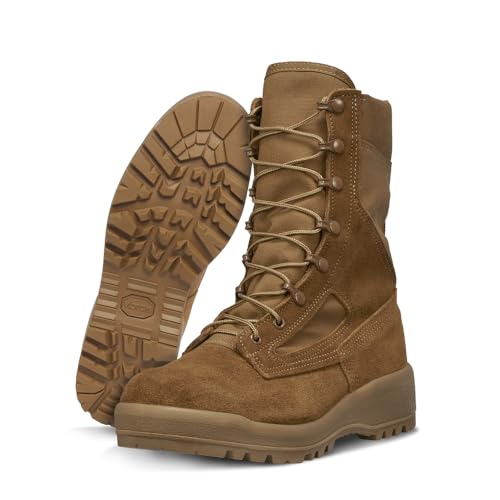

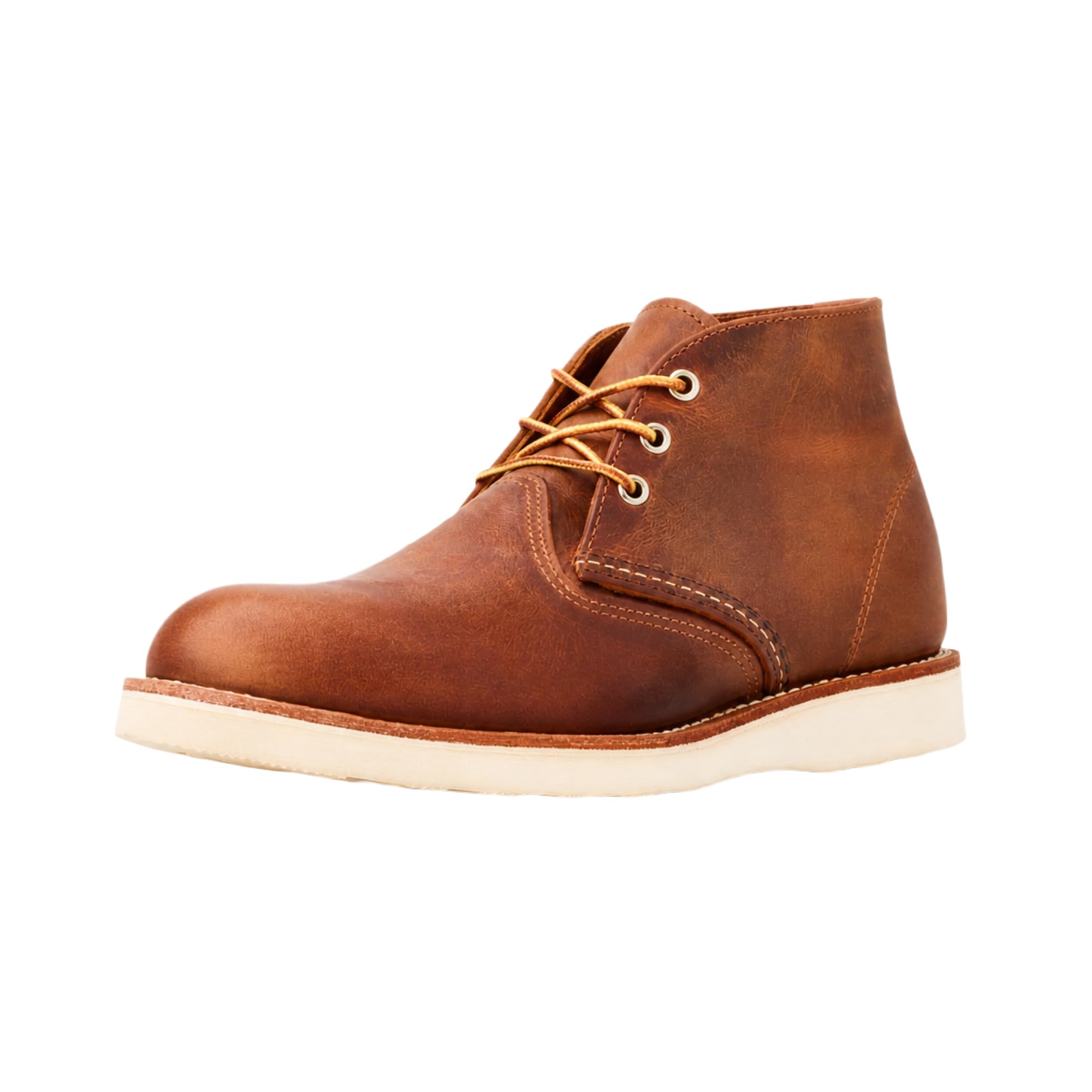
Who Should Buy Which American Work Boots?
Start with the hardest part of your week, not the average day. Your worst surface, longest shift and wettest task should set the boot you choose. To compare domestic lines against the wider field, see our guide to the best work boots.
For Crews Working in Wet and Rough Conditions
Choose waterproof boots with a sealed membrane, a lugged rubber outsole and leather that can take scrapes without tearing open. A taller shaft keeps mud and splash out when you step through puddles or shallow standing water. Pick a safety toe if your site rules require one, and favor a stitched welt build for boots that live outdoors every week.
For Full Time Workers on Their Feet All Day
Your priorities are cushioning that does not pack down by midweek, a stable base on concrete and a fit that stays kind during long shifts. Look for a firm heel counter, a supportive shank and widths that match your foot, because a stable boot in the right width tires legs less than a soft boot that lets your foot roll. A resoleable build pays off here too.
For Occasional Users and Weekend Projects
If your boots come out for yard work, garage projects and the odd day on a site, comfort out of the box matters more than maximum armor. A soft toe, lighter panels and a cushioned sole feel friendly from the first wear, and you can spend less because the boot faces fewer hard hours. Still pick leather or a sturdy synthetic upper, since the cheapest uppers split at the flex points within a season.
Key Features to Compare
Compare these factors in the same order each time, so a low price cannot hide a poor fit or weak protection.
Fit Checks Around the Safety Toe and Heel
Measure both feet late in the day, when they are at their largest, and wear your usual work socks for the fitting. Your heel should sit snug with little lift as you walk, while your toes need room to spread and about a thumb width of space in front of the longest toe. If one foot is larger, fit that foot and adjust the other with lacing. Go wider rather than longer when the toe box pinches, because extra length lets your foot slide and blister. Most of these lines are sold in men sizes, and readers shopping that range can see our guide to the best men's work boots.
Outsole Traction and Safety Toe Options
Deep lugs grip mud, gravel and loose soil, while a flatter wedge sole spreads pressure on smooth concrete and is kinder on roofs and indoor floors. Rubber outsoles resist oil and heat better than soft foam, so match the compound to your surface. Steel toe caps are slim and strong, composite caps are lighter and do not conduct cold, and a soft toe suits work with no impact risk. Always check your employer safety rules before you buy, because many sites set the rating your boots must carry.
Cushioning, Stability, and Heel to Toe Drop
Cushioning softens each step, but stability decides whether your foot stays planted when you carry a load or turn on uneven ground. A raised heel with a clear heel breast helps you lock onto ladder rungs, while a lower wedge profile feels steadier on flat floors. Heel to toe drop is the height gap between heel and forefoot, and a larger gap can ease calf strain for workers used to heeled boots. If you stand in one place for hours, favor a firm, stable base over very soft foam.
Arch Support and Foot Type
Flat feet tend to roll inward and do better with a firm arch and a stable heel, while high arches need more cushioning under the heel and forefoot because they absorb less shock on their own. Many stock insoles are thin, so budget for a replacement pair if your arches ache by lunch; our guide to the best inserts for work boots explains the options. Persistent numbness, sharp heel pain or pain that changes how you walk deserves attention from a clinician or a qualified fitter, so talk with a professional about your personal needs.
How Long Sturdy Work Boots Take to Soften Up
Thick full grain leather molds to your foot over about one to two weeks of wear, so start with short shifts and add hours as hot spots fade. Boots with fabric panels feel easier sooner, but they usually give up some long term support. Wear your normal work socks, lace snugly over the instep, and stop for the day if a blister forms, because pushing through a raw spot can sideline you longer than a slow start.
What American Made Really Means on a Work Boot
Labels vary more than most buyers expect. Some brands cut and stitch every pair in a United States factory, while others assemble boots at home with a mix of domestic and imported parts, and the label wording reflects that difference. Read the product page closely for where the leather is tanned and where the boot is built. Readers who want only fully domestic lines can see our guide to the best american made work boots.
Construction decides whether the boot can be repaired. A Goodyear welt uses stitching to join the upper and the sole, so a cobbler can remove a worn outsole and sew on a new one. Cemented soles cost less but are hard to replace once they peel or wear smooth. That repairable build is a big reason the best american work boots often cost more up front yet less per year of use. The same domestic craft appears in casual lines, and our guide to the best american boots covers those styles.
Common Mistakes to Avoid
These errors are easy to make and slow to forgive once the boots are on your feet.
- Buying on price alone leaves you with thin leather and a sole that wears smooth within months.
- Measuring your feet in the morning leads to a tight fit once your feet swell during a shift.
- Choosing a safety toe your employer never approved can get you sent home from the site.
- Wearing brand new leather boots for a full shift on day one invites blisters and sore arches.
- Going up a full size to fix a narrow toe box makes your heel slip and your toes jam forward.
Cleaning, Conditioning and Storing Your Work Boots
Knock dried mud off the outsole, brush the leather clean and let wet boots air dry away from direct heat, because heaters can crack leather and weaken glue lines. Stuff the toe with plain paper if the inside is soaked, and rest the pair for a full day when you can.
Condition full grain leather when it starts to look dry or pale, and rotate two pairs if you work daily, since foam and leather both recover shape during a rest day. Check welt stitching and heel wear every few months, and plan a resole while some tread remains, because a cobbler needs a sound midsole to stitch against.
Frequently Asked Questions
How should American work boots fit?
American work boots should fit snug at the heel and midfoot, with room for your toes to lie flat and spread. If you wear custom orthotics or thick insoles, bring them to the fitting, because they raise your foot and can make a roomy boot feel tight across the top. A slight heel slip in a new leather boot often settles as the sole flexes, but toe pressure never should.
Do I need waterproof American work boots?
You need waterproof American work boots only if your work regularly puts you in rain, mud or standing water. The membrane keeps water out, but it also holds heat in, so crews in hot dry shops often prefer unlined leather that breathes better.
How often should I replace my American work boots?
Replace American work boots when the tread is smooth at the ball of the foot, the heel counter collapses when you squeeze it, or the midsole shows deep creases that no longer spring back. Those signs matter more than age, since a boot worn twice a week ages differently from one worn daily.
Can I wear American work boots all day?
Yes, you can wear American work boots all day once they fit well and are broken in. The point most workers miss is moisture: changing into dry socks at lunch cuts friction and lowers blister risk more than any single feature does. If your job allows it, sit for short breaks with your boots unlaced loosely, because that habit helps swollen feet recover before the next stretch of standing.
Are expensive American work boots worth it?
Expensive American work boots are worth it when the higher price buys repairable construction and leather you can resole. Think in cost per year: a pair that lasts three seasons with one resole often beats two cheaper pairs that each fail in a year. The premium is harder to justify for light occasional use, where a modest boot already outlasts the work.
The Bottom Line
Fit comes first, protection second and repair value third. Match the outsole to your surface, choose the toe your site rules require, and favor a welted leather build if you wear boots daily. When you compare best american work boots with those three tests in hand, the right choice usually stands out fast. Use the product table above to check sizes, widths and prices before you order.


