Best American Made Leather Sofas: What Actually Matters Before You Buy for 2026
Disclosure: We may earn a commission when you buy through links on this page, at no extra cost to you. As an Amazon Associate I earn from qualifying purchases. Learn more
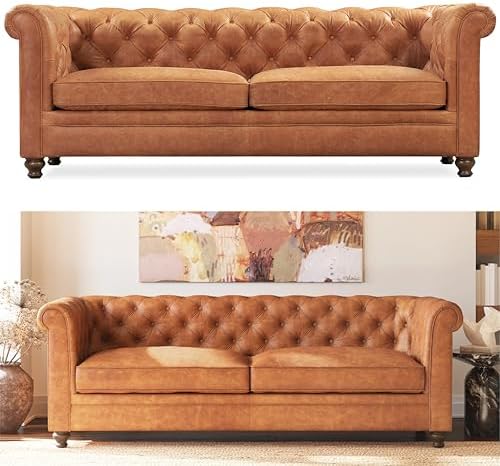
Learn how to choose the best american made leather sofas with a checklist on leather grade, frame build, cushion fill, sizing, and long term care at home.
A leather sofa is one of the largest furniture purchases you will make, and one of the easiest to judge badly in a showroom. Plush display models can hide weak frames, thin leather, and cushions that flatten within two years. This checklist shows you how to evaluate the best american made leather sofas by construction and materials, the factors that decide whether a sofa still feels good in year ten.
You will learn the thresholds that separate durable builds from dressed up ones, how price tiers differ in leather grade and frame quality, and which red flags should end a sale. Start with the comparison table below, then apply each criterion to your shortlist.


Our Evaluation Checklist for American Made Leather Sofas
Score each sofa against these six criteria in order. Frame and leather come first because neither can be upgraded later, while style can flex around a well built core. Shoppers comparing upholstery free frames can also browse our guide to the best american made sofas for general construction notes.
Seat Height, Depth, and Back Support
Comfort starts with dimensions that fit your body. Seat height around 18 to 20 inches suits most adults, letting feet rest flat with knees near level. Seat depth of about 21 to 23 inches supports thighs without pushing you into a slouch, while deeper seats near 24 inches favor taller sitters and loungers who sit cross legged. Back height and pitch matter for long evenings: a slightly reclined back with firm lower support keeps posture easy. Sit for at least ten minutes in the store, in your normal posture, before judging any sofa.
Materials and Upholstery
Leather grade is the headline material decision. Full grain leather is the top layer of the hide with its natural surface intact, and it grows more supple and rich looking with age. Top grain is lightly corrected for uniformity and offers a good balance of beauty and price. Split leather and bonded leather are far less durable and often crack within a few years, so treat them as budget signals whatever the marketing calls them. Beneath the leather, look for kiln dried hardwood frames with corner blocks and double dowel or mortise joints, since frame strength decides whether the sofa stays silent and square.
Assembly and Delivery
Many American made sofas ship fully assembled, which protects joints but makes delivery planning essential. Measure doorways, hall turns, stair landings, and elevator doors against the sofa height, depth, and diagonal depth listed by the maker. Some models offer removable legs or backs that detach for tight entries, a feature worth confirming before you order. Ask about white glove delivery and packaging removal, and inspect the leather and legs before signing, since noting damage at delivery makes claims far simpler.
Cushion Fill and Long Sitting Comfort
Cushion fill decides whether the sofa feels supportive in year five or sags into a hammock. High resiliency foam with a density around 2.0 lb per cubic foot or higher holds its shape far longer than basic 1.8 lb foam. Foam wrapped in down or a down blend feels softer at first sit and needs regular fluffing, while spring down constructions add resilience. Know how tip: press your palm firmly into a seat cushion and release; quality fill rebounds promptly and evenly, while weak foam stays dented and feels grainy through the leather.
Size and Dimensions
Size the sofa to both the room and the household. A standard three seat sofa runs about 78 to 90 inches wide, loveseats about 58 to 72 inches, and sectionals vary widely by configuration. Leave roughly 30 to 36 inches for main walkways and 14 to 18 inches between sofa and coffee table so legs move freely. Tape the footprint on your floor with painter tape and live with the outline for a day. Check door swing, radiator clearance, and viewing distance to the TV before the number on the listing convinces you.
Style and Room Fit
Style should follow construction, not lead it. Arm shape changes usable width: slim track arms give more seating in the same footprint, while wide rolled arms trade seat room for a classic profile. Leather color interacts with light, so view swatches at home in daylight and lamplight before committing, since leather often looks darker in a room than in a showroom. Leg finish and height affect both cleaning access and visual weight. For broader frame and fabric comparisons, see our guide to the best made sofas.
Sofa Tiers and What Each Buys
Use these tiers to see what each budget level generally buys in leather grade, frame, and cushion quality. Any specific sofa still has to pass the checklist above, whatever its tier.
The Premium Tier
The premium tier, often about $2,500 to $4,500 for a three seat sofa, typically combines top grain or full grain leather on all surfaces, a kiln dried hardwood frame, and high resiliency foam cushions. It suits households that will use the sofa daily for a decade or more. Suspension is usually sinuous springs or webbing done well, and warranties on frame and springs often run ten years or longer. The limit is price and weight: these sofas are heavy, and delivery into upper floors deserves planning.
The Value Tier
The value tier, often about $1,500 to $2,500, usually pairs top grain leather on seats and arms with matching vinyl or split leather on sides and backs, over a hardwood or reinforced engineered frame. For most living rooms this trade is sensible, since wear concentrates on the contact surfaces. Cushion foam may sit near 1.8 to 2.0 lb density, so expect good comfort with a shorter prime. If leather quality is your top research topic, our guide to the best quality leather sofas explains grades and finishes in detail.
The Heavy Use Tier
For busy family rooms, rentals, and homes with large dogs, the heavy use tier favors full grain leather with a protected, pigmented finish that resists scratches and cleans easily. Expect reinforced frames, eight way hand tied or heavy gauge spring suspension on premium builds, and seat cushions you can replace individually. Prices often start near $4,000 and climb with size. You trade some initial softness for durability, since protected finishes feel firmer until they break in over the first months.
Quick Buyer Checklist
Run through these questions with the listing or salesperson in front of you. Any unanswered item deserves a follow up before you pay.
- Is the leather full grain or top grain on the seats, and what covers the sides and back?
- Is the frame kiln dried hardwood, and are the corner joints blocked and glued or screwed?
- What is the cushion foam density, and can individual cushions be replaced later?
- Do the listed dimensions, including diagonal depth, fit your doors, halls, and stairs?
- What do the frame, spring, leather, and cushion warranties cover, and for how long?
- Can you order free swatches and view them at home in your own lighting?
- Is delivery, placement, and packaging removal included in the quoted price?
Shoppers still deciding between leather grades across brands may find our guide to the best made leather sofas a useful companion read.
Red Flags to Watch For
Be cautious when a listing says genuine leather without naming the grade, since the term can hide split or bonded material. Vague frame descriptions such as solid construction with no wood species or joinery detail usually mean engineered board and staples. Prices far below the value tier for a claimed full grain sofa suggest thin hides or mixed materials. A cushion warranty of only one year on a premium priced sofa signals low density foam. Finally, pressure tactics tied to a single weekend sale are a poor reason to skip swatches and measurements on a purchase this size.
Tips to Get the Most From Your American Made Leather Sofa
Place the sofa away from direct sun and heat vents, since both dry leather and fade color over time. Vacuum crevices weekly with a soft brush and wipe the leather with a barely damp cloth to lift dust before it works into the grain. Condition the leather every six to twelve months if the maker recommends it, and rotate and fluff cushions monthly so wear spreads evenly. Address spills at once by blotting, never rubbing, and keep a maker approved cleaner on hand. For product guidance, see our guide to the best leather conditioner for sofas.
FAQs
How do I choose the right size sofa?
Choose size from your room measurements and seating needs, not from the photo. Tape the footprint on the floor, confirm walkways of about 30 inches, and check that every adult seat gives roughly 24 inches of width per person. Then verify the delivery path with the diagonal depth measurement. A sofa that fits the room but cannot enter it is the most expensive sizing mistake, and it is entirely preventable.
Is an expensive american made leather sofa worth it?
An expensive model is worth it when the premium buys full grain leather, a hardwood frame, and replaceable high density cushions, because those parts decide decade long comfort. It is not worth it when the price mostly funds a brand name over mid grade materials. Compare cost per year: a $3,500 sofa used daily for twelve years costs less per day than a $1,200 sofa replaced in four.
What features matter most for long sitting sessions?
Seat depth matched to your legs, firm lower back support, and resilient cushion fill matter most for long sessions. Arms at a height that lets shoulders relax, and a back pitch that avoids a slumped curve, prevent the slow ache that builds over a film or a long read. Breathability helps too: leather warms to body temperature and stays comfortable, while very soft cushions feel plush at first but fatigue your back sooner.
How long should a good american made leather sofa last?
A good sofa should last ten to fifteen years of daily use, and a hardwood frame can serve longer with new cushions and minor leather care. Leather itself often improves in character over the first years, while cushions are the usual wear item around years seven to ten. Longevity collapses when frames are stapled board or leather is bonded, which is why the checklist weights construction first.
Final Thoughts
Judge leather grade honestly, insist on a hardwood frame with blocked corners, and confirm that dimensions and delivery path work in your real home. Those three checks will protect you from nearly every disappointing purchase in this category. Compare your finalists in the product table above, and you will choose among the best american made leather sofas with lasting confidence.