Best American Made Gas Ranges: Types Compared and How to Choose for 2026
Disclosure: We may earn a commission when you buy through links on this page, at no extra cost to you. As an Amazon Associate I earn from qualifying purchases. Learn more
Compare the best american made gas ranges by type, burner power, oven size, and fit, with clear buying guidance to help you choose the right model.
Choosing a gas range gets confusing fast because the same width can hide very different burners, ovens, and installation needs. This guide compares the main types side by side so you can match a style to your cooking and your kitchen before you shop. You will see plenty of claims about the best american made gas ranges, but the right choice depends on fit and features, not labels alone.
Then read on for how these models differ from other range types and what to measure before anything arrives at your door.
How American Made Gas Ranges Compare to Other Options
American made gas ranges use gas for both the cooktop and the oven, and many are assembled in United States factories with domestic parts and service networks behind them. That support matters because a range will need igniter or valve service at some point. The comparisons below show where gas shines and who gains most from each alternative.
American Made Gas Ranges vs Induction Ranges and Cooktops
Induction ranges and cooktops heat the pan itself through magnetic energy, so they boil water quickly and keep the surface cooler to the touch. They need magnetic cookware, and many cooks miss the visible flame and the ability to char a pepper directly over a burner. Gas gives you instant visual feedback and works with nearly every pan you already own.
Induction wins on precise low heat and easy cleanup because spills do not bake onto a cool surface. Gas wins when you use woks, griddles, or older cookware that induction cannot detect. If fast boiling tops your list, look hard at induction. If flame control matters more, stay with gas.
American Made Gas Ranges vs Dual Fuel Ranges
Dual fuel ranges pair a gas cooktop with an electric oven. The electric oven often holds steady temperatures well for baking, while the gas burners keep responsive flame control on top. The tradeoff is cost and installation, since dual fuel models need both a gas line and a stronger electrical circuit.
A standard gas range costs less and is simpler to install when a gas line already exists. Its oven can show slightly wider temperature swings, which most roasting and everyday baking handle just fine. Choose dual fuel if you bake often and your wiring allows it. Choose all gas for strong value and one fuel source.
American Made Gas Ranges vs Portable Induction Cookers
A portable induction cooker is a single burner unit that plugs into a standard outlet and sits on a counter. It suits dorm rooms and temporary cooking during a remodel, and it stores in a cabinet when you finish. It cannot replace a full range because it offers one burner, no oven, and limited pan sizes.
Treat it as a supplement rather than a substitute, perhaps as an extra burner for holiday meals. If you cook full meals daily or feed a family, a full size gas range remains the practical choice.
Who Should Choose an American Made Gas Range?
Domestic assembly shapes who benefits most from these ranges. You are also buying into parts availability and service coverage based in the United States.
Cooks Who Value Parts and Service for the Long Term
If you plan to keep a range for many years, ready access to igniters, grates, and burner parts matters as much as first year performance. American made lines often keep parts catalogs active for older models, and local techs tend to know the designs well. That support can turn a repair into a quick visit instead of a replacement.
Home Cooks Who Want Flame Control Every Day
Daily cooks who sear, stir fry, and adjust heat by sight gain the most from gas burners. You can lift a pan, tilt it, and watch the flame respond at once, which helps with eggs, sauces, and delicate proteins. If most meals happen on the cooktop, a strong burner layout should lead your decision.
Buyers Who May Be Better Served by Another Type
If your home lacks a gas line and adding one costs more than the range itself, an electric or induction model may make better sense. For context on the plug powered route, see our guide to the best american made electric ranges. Renters may also do better with a compact electric range than with a full gas installation.
How to Choose the Right American Made Gas Range
Work through the factors below in order, starting with fit and fuel, because no burner upgrade can fix a range that does not fit your space. As you compare the best american made gas ranges in your search, use these checks to narrow the list.
Size and Configuration: Freestanding Versus Slide In
Most kitchens fit a 30 inch range, while larger models run 36 inches or wider and need a wider cutout and stronger ventilation. Measure the opening width, the depth to the back wall, and the path through doors before you order. Freestanding models have finished sides and a backguard with controls, so they work almost anywhere along a wall.
A slide in model places controls at the front and overlaps the countertop edges for a built in look. That style needs accurate counter measurements and leaves no backguard to shield the wall, so splash protection matters.
Burner Power and the Simmer Burner
Burner output is measured in BTU, and a varied layout serves you better than four identical burners. Look for one strong burner around 15,000 to 20,000 BTU for fast boiling and hard searing, plus mid range burners for everyday pans. A dedicated simmer burner holds sauces and rice gently without scorching.
Center oval burners suit long griddles for pancakes and grilled sandwiches. Sealed burners keep spills out of the burner box and clean faster than open designs. Continuous cast iron grates let you slide heavy pots between burners without lifting.
Fuel Type: Gas, Electric, Induction, or Dual Fuel
Your existing connections decide more than preference does. A home with a gas line and a standard outlet can accept a gas range with little extra work, while a home with only electric service faces the cost of running new gas piping. Get an installation quote before you fall for a model your kitchen cannot support.
Gas offers visible control and, where the maker allows manual lighting, cooktop use during many power outages. Electric and induction give flatter, easier cleaning surfaces. Dual fuel ranges sit at the top of the price range because they combine both systems in one appliance.
Oven Capacity and Convection
Oven size is listed in cubic feet, and most 30 inch models fall around 5.0 to 6.0 cubic feet. That space fits a large turkey or several sheet pans, but rack positions matter as much as the number. If you often cook two dishes at once, look for at least five rack positions.
Convection adds a fan that moves hot air around the food for more even browning and faster roasting. True convection adds a heating element around the fan, improving results further when all racks are full. Bakers who run multiple trays notice the difference most.
Installation, Electrical, and Gas Requirements
A gas range needs a properly sized gas supply line, a shutoff valve behind the unit, and a standard 120 volt outlet for the igniters and controls. Many models ship set for natural gas and include a conversion kit for liquid propane, which a qualified installer must fit and test. Clearances follow the maker manual and local code.
Ventilation deserves equal attention because gas burners produce heat and moisture. A range hood that vents outside clears the air far better than a recirculating model. If your planning also covers outdoor cooking, see our guide to the best american made gas grills.
Self Cleaning and Steam Clean Options
Self cleaning cycles use very high heat to burn oven residue to ash that you wipe away after cooling. The cycle takes several hours, creates noticeable odor, and heats the kitchen, so run it with windows open and pets in another room. Remove racks unless the manual says they can stay, because high heat can dull their finish.
Steam clean cycles use water and moderate heat for about 30 minutes to loosen light spills, with far less odor. Steam suits small fresh messes, while the high heat cycle handles baked on buildup a few times a year.
Tips to Get the Most From Your American Made Gas Range
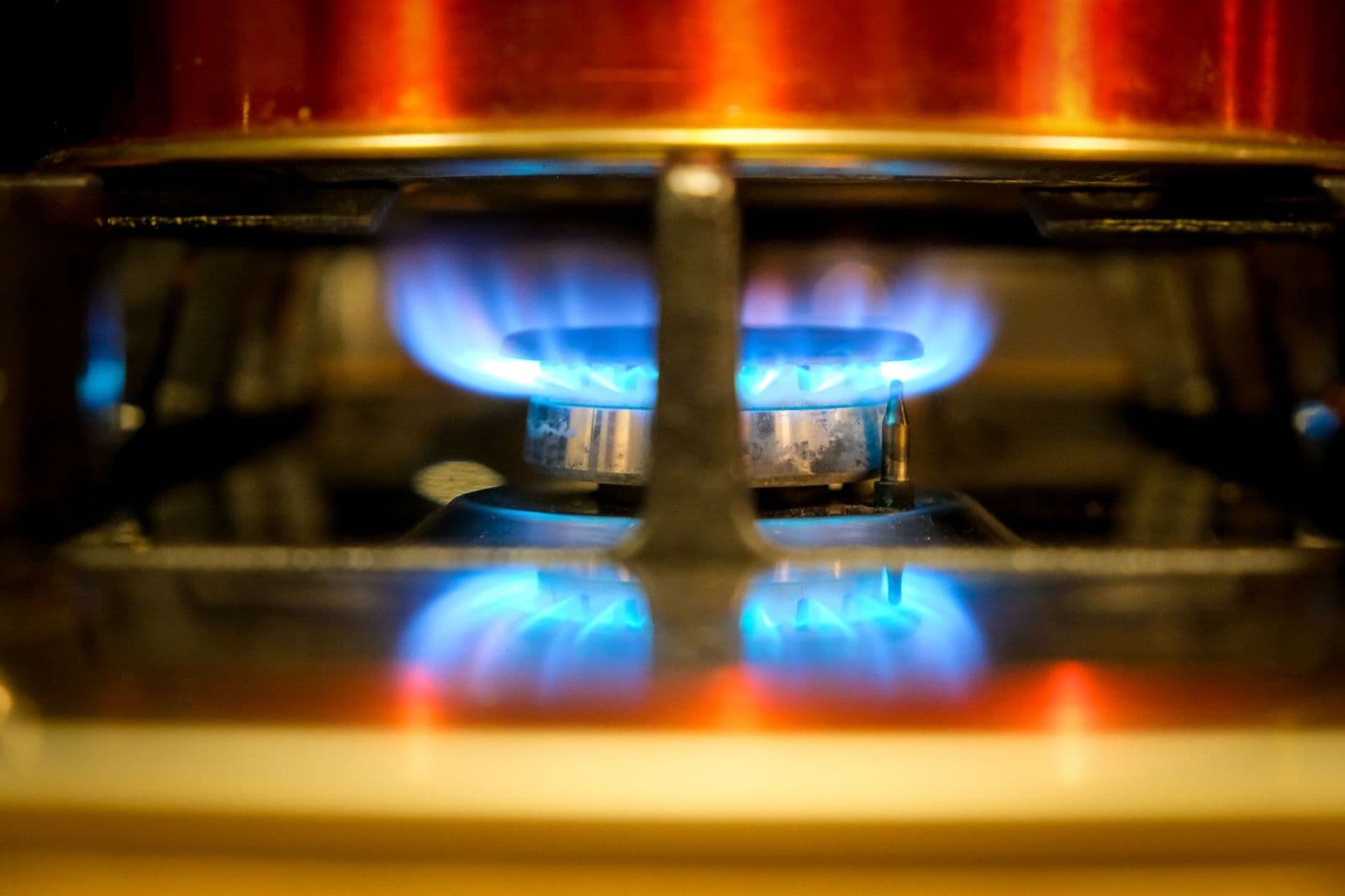
Match each pan to a burner of similar size so flames heat the bottom of the pan instead of climbing the sides and wasting energy. A blue flame with a steady shape signals clean burning, while tall yellow tips suggest the burner ports need cleaning. Center heavy pots on the grates before you turn the burner on.
Clean grates and burner caps monthly in warm soapy water, and clear clogged burner ports with a soft brush so the flame rings stay even. Wipe spills once the cooktop cools, because repeated heating bakes residue onto enamel finishes. For a wider look at naming and styles, see our guide to the best gas ranges stoves, which explains how stove and range labels overlap.
Check that oven door seals stay intact and free of crumbs, since a poor seal lets heat escape and stretches cooking times. For oven focused comparisons, see our guide to the best gas ovens and ranges.
American Made Gas Ranges: Your Questions Answered
What size American made gas range do you need for your kitchen?
Most kitchens need a 30 inch range, which is the standard opening in American cabinets and counters. Measure the exact opening rather than trusting the size of your current range, because older installs sometimes hide filler strips. Wider 36 inch models add a burner and oven space but require cabinet changes, so confirm the remodel cost first.
How long does an American made gas range last?
An American made gas range often lasts about 15 years with normal home use and basic care. Gas ranges have fewer complex electronics than many electric models, so igniters and valves are the parts most likely to need service over time. Keeping burner ports clean helps the range reach its full life, and many owners find the best made gas ranges worth repairing rather than replacing.
Is convection worth paying extra for on an American made gas range?
Convection is worth the extra cost if you bake on multiple racks or roast large items often. The fan evens out hot spots, so trays on different racks brown at a similar pace without constant rotation. If you mostly cook on the stovetop, a standard oven serves you well and the savings can go toward stronger burners instead.
Is induction better than an American made gas range for home cooking?
Induction is better for fast boiling, precise low heat, and a cooktop that stays cooler, but it is not better for every kitchen. Gas gives you a visible flame, works with all your current pans, and keeps top burners usable through many power outages. Your cookware and fuel connections should decide the winner in your home.
Does an American made gas range need a special electrical outlet?
No, an American made gas range runs its igniters, clock, and lights from a standard 120 volt household outlet. That is far simpler than the 240 volt circuit an electric or dual fuel range requires, and it surprises many buyers switching from electric. Keep the outlet accessible, and never use an extension cord for this appliance.
Final Thoughts
Start with fit, fuel, and ventilation, then compare burner variety and oven size, and let cleaning style break any tie. For another view of owner feedback, see our guide to the best reviewed gas ranges.
Chosen with care, the best american made gas ranges give you responsive flame cooking, durable construction, and service support close to home. Match the type to your kitchen first, and the range will earn its place every day.