Best American Made Electric Ranges in 2026: Which One Fits the Way You Use It?
Disclosure: We may earn a commission when you buy through links on this page, at no extra cost to you. As an Amazon Associate I earn from qualifying purchases. Learn more

Compare the best american made electric ranges by cooktop, oven size, convection and cleaning, with sizing and outlet checks to help you choose well.
There is no single range that suits every kitchen, and that is especially true when you want domestic production along with strong cooking results. The best american made electric ranges share good support and ready parts, yet they differ in cooktop feel, oven size and daily ease. Use the comparison table below to match those differences to the way you actually cook.
Start by being clear about what American made means to you. For some makers it means final assembly in the United States with parts from several countries, while others build more components at home. Check the maker statement for the exact model, then weigh format, elements and cleaning before price.


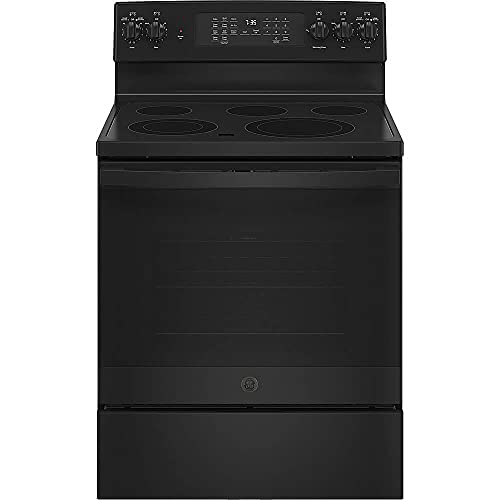
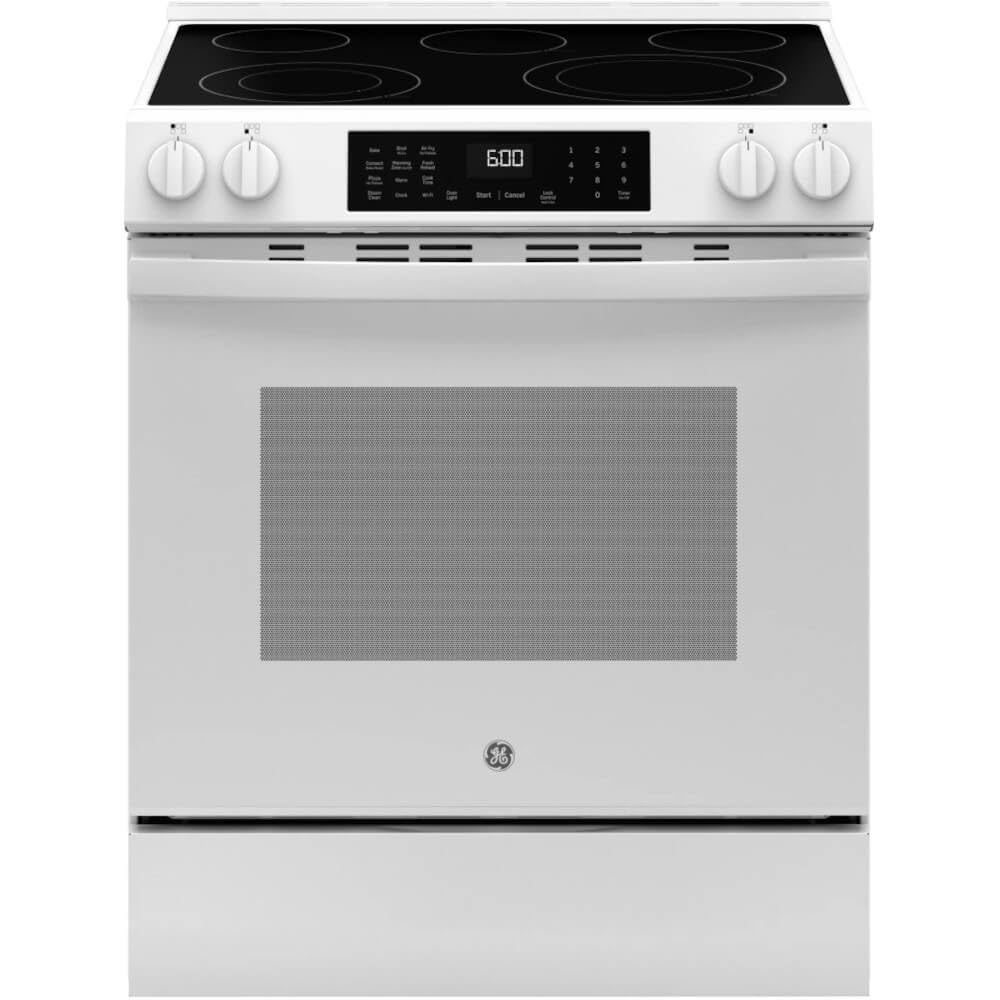

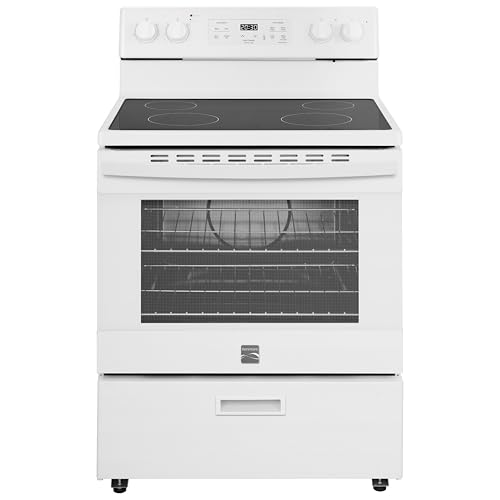
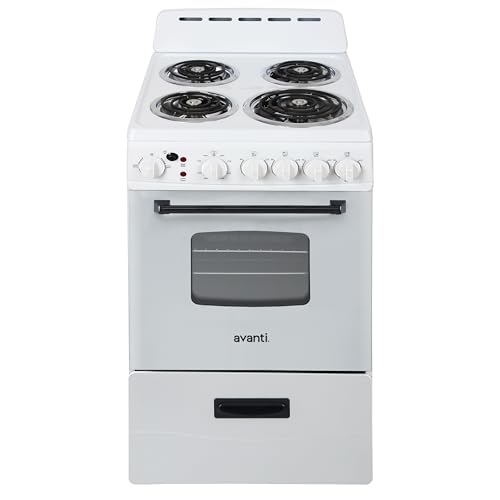

Who Should Buy Which American Made Electric Ranges?
Pick by the meals you repeat most often and by the value you place on domestic assembly, service access and parts supply. A range used twice a week needs less oven room than one that carries daily family cooking.
For Occasional Users on a Budget
You cook simple meals a few times a week and want a range that just works. A freestanding radiant model with four elements, a standard oven and basic self cleaning usually covers your needs for about $700 to $1,200. Skip induction and extra oven modes, and favor a maker with a service network near you, since easy repair matters more than added settings at this level.
For Small Kitchens and Apartments
You need full cooking ability in a tight footprint, so look at widths of about 24 to 30 inches and check depth against your counters. Slide in and front control designs save the bulk of a back panel and make small spaces feel calmer. A storage drawer helps where cabinet room is scarce, and a smooth cooktop doubles as work space once fully cooled.
For Serious Home Cooks
You sear, simmer and bake in the same week, so control matters more than a long feature list. Induction gives fast response and a gentle low end, while radiant elements with two size settings fit small saucepans and wide skillets. True convection, a temperature probe and sturdy racks reward careful cooking. Expect about $1,300 to $2,800 for this level.
For Busy Families Cooking Every Day
You cook large volumes, often two dishes at once, and cleanup must stay quick. Look for an oven of about 5.8 to 6.4 cubic feet, a large power element for big pots, and a bridge or expandable element for griddles. Steam clean handles light spills between deeper cycles, and knob controls stay easy to use with wet hands.
Key Features to Compare
When you compare best american made electric ranges side by side, work through the cooktop first, then the oven, then cleaning and support. If you are also weighing build quality across brands, see our guide to the best quality electric ranges for a broader quality checklist.
Cooktop Surface: Smooth Glass, Coil and Induction
Most electric ranges use a glass ceramic smooth top with radiant elements beneath it. It wipes clean once cool, though heavy cast iron can scratch it if dragged. Coil elements cost less, tolerate rough pans and are cheap to replace, but spills collect under them and cleaning takes longer. Induction also uses glass, yet it heats the pan itself, so the area around the pan stays cooler and spills are less likely to bake on.
Element Wattage and Element Size
Electric elements are rated in watts, and most fall between about 1,200 and 3,200 watts. A high wattage element boils a large pot faster and recovers heat after you add pasta or vegetables. A low wattage element holds a sauce at a bare simmer without scorching. Match element diameter to your pans, since a small pan on a large glowing element wastes energy and heats handles.
Self Cleaning and Steam Clean
A pyrolytic self cleaning cycle heats the oven until spills turn to ash you wipe away. The cycle often runs two to four hours with noticeable heat and odor, so plan it when the kitchen can be aired. Steam clean uses water and lower heat for about thirty minutes and suits fresh, light soil, but it will not lift heavy baked on grease. Choose pyrolytic if you roast often.
Radiant Electric or Induction: Choosing Your Heating Method
Radiant electric is the familiar choice, it works with nearly every flat bottomed pan, and it usually costs less. Induction responds faster, simmers with fine control and saves energy, but it needs magnetic cookware and can hum softly at high settings. If you are still torn between fuel types, see our guide to the best american made gas ranges before you commit.
Oven Capacity and Convection
Electric range ovens commonly hold about 4.8 to 6.4 cubic feet, and usable room depends on rack positions as much as the headline figure. A large turkey or two sheet pans tells you more than the number alone. Fan convection evens out heat on two racks, while true convection adds an element around the fan for better browning. For combined advice, see our guide to the best electric ranges and ovens.
How to Measure Your Space and Check the Outlet
Measure the cutout width at the counter and at the floor, since cabinets are not always square. Note whether your new range must be freestanding with finished sides or a slide in style that overlaps the counter edge. Most homes fit a 30 inch model, and depth of about 25 to 27 inches plus the handle should still let the oven door open fully.
Electric ranges need a dedicated 240 volt circuit, most often rated at 40 or 50 amps, and the power cord is often sold separately. Check the receptacle position against the recess at the back of the new model, because a poorly placed outlet can push the range out from the wall. If your wiring is unclear, have a licensed electrician confirm it before delivery.
Common Mistakes to Avoid When Buying American Made Electric Ranges
These errors are easy to make when listings look similar at first glance.
- Assuming American made means every part was made in the United States leaves you disappointed when the maker only claims domestic assembly.
- Choosing by price alone can leave you with elements too weak to boil a large pot in reasonable time.
- Ignoring the cooktop surface leads to scratched glass or a coil model that takes far longer to clean than you expected.
- Buying a 36 inch range for a 30 inch cutout means the range will not fit without costly cabinet work.
- Skipping the warranty and service check can turn a simple element failure into weeks of waiting for parts.
How to Make Your American Made Electric Range Last Longer
Use cookware with flat bottoms that sit fully on the element and lids that keep splatter down. Wipe a glass cooktop after it cools with a cleaner made for glass ceramic, and lift pans instead of sliding them, since grit under a pan can score the surface in one move. Sugary spills deserve prompt attention once the surface is safe to touch, because they can pit the glass as they harden.
Run the self cleaning cycle before soil builds into a thick layer, and remove the racks first if the maker tells you to. Keep the oven door gasket clean and intact so heat stays inside, and check that the door closes evenly. Keep your model and serial numbers in a kitchen file, since those details speed up any parts order years later.
Frequently Asked Questions
How long does an American made electric range last?
An American made electric range typically lasts about 13 to 18 years with normal home use. Elements and control boards are the parts most likely to need service, and both are usually replaceable. A useful end of life sign is repeated uneven baking after you check the racks and gasket, since that pattern points to a failing bake element or sensor.
Do I need a special outlet for an American made electric range?
Yes, an American made electric range needs a heavy duty receptacle rather than a standard kitchen outlet. Newer installations in many areas use a four prong plug, while older homes may still have a three prong version, and the cord must match what your wall provides. Swapping a receptacle to make a cord fit is electrician work, not a delivery day shortcut, so confirm the match before the range arrives.
What size American made electric range do I need for my kitchen?
Most kitchens need a 30 inch American made electric range, which suits standard cutouts and four or five element cooktops. Choose a 24 inch model only where the cutout truly limits you, and a 36 inch model only if you regularly use oversize pans. Also check the space in front of the range, since an open oven door plus standing room can crowd a narrow galley layout.
Is convection worth paying extra for on an American made electric range?
Yes, convection is worth the extra cost if you bake or roast more than once a week. Beyond even browning, it lets you lower the set temperature by about 25 degrees for many recipes, because moving air transfers heat more efficiently than still air. That adjustment matters most for delicate items like meringues, which can dry out if you keep the higher temperature out of habit.
Is induction better than radiant heat on an American made electric range?
Induction is better for speed and fine control, while radiant heat is better for simple use with pans you already own. A quick check settles the cookware question: if a magnet sticks firmly to a pan base, that pan will work on induction. Induction also cuts power when you lift the pan, which radiant elements cannot do, and that response helps during a boil over.
Final Thoughts
Decide your cooktop type first, then confirm the fit, the oven size and the cleaning method you will actually use. Verify what the maker means by American made for the exact model, and favor brands with parts and service you can reach easily.
With those points settled, the best american made electric ranges narrow to a short list that fits your kitchen and habits. Use the product table above to confirm size, power and price before you order.